FAQ
How should stewards handle a chain reaction incident?
Liability usually rests with the driver who made the initial avoidable contact that started the chain, provided others took reasonable steps to avoid the aftermath.
What is a 'No-Overlap' zone?
It is a specific area, usually a narrow pit exit or a dangerous turn, where drivers are prohibited from attempting overtakes during qualifying out-laps.
Are Lap 1 penalties harsher?
Many leagues implement a multiplier for Lap 1 incidents because they affect more drivers and have a higher impact on the race's overall integrity.
How does FairGrid help with multi-car reviews?
FairGrid provides a structured platform for reviewing protests and linking incidents to driver profiles, making it easier to track recurring offenders in high-density zones.
Why is qualifying etiquette so important?
Collisions during qualifying are entirely avoidable. Enforcing etiquette ensures all drivers have a fair opportunity to set a lap time without being hindered by reckless behavior.
Avoiding the Carnage: A Steward's Guide to Managing Lap 1 and Pit Exit Incidents
avoiding-sim-racing-carnage-steward-guide
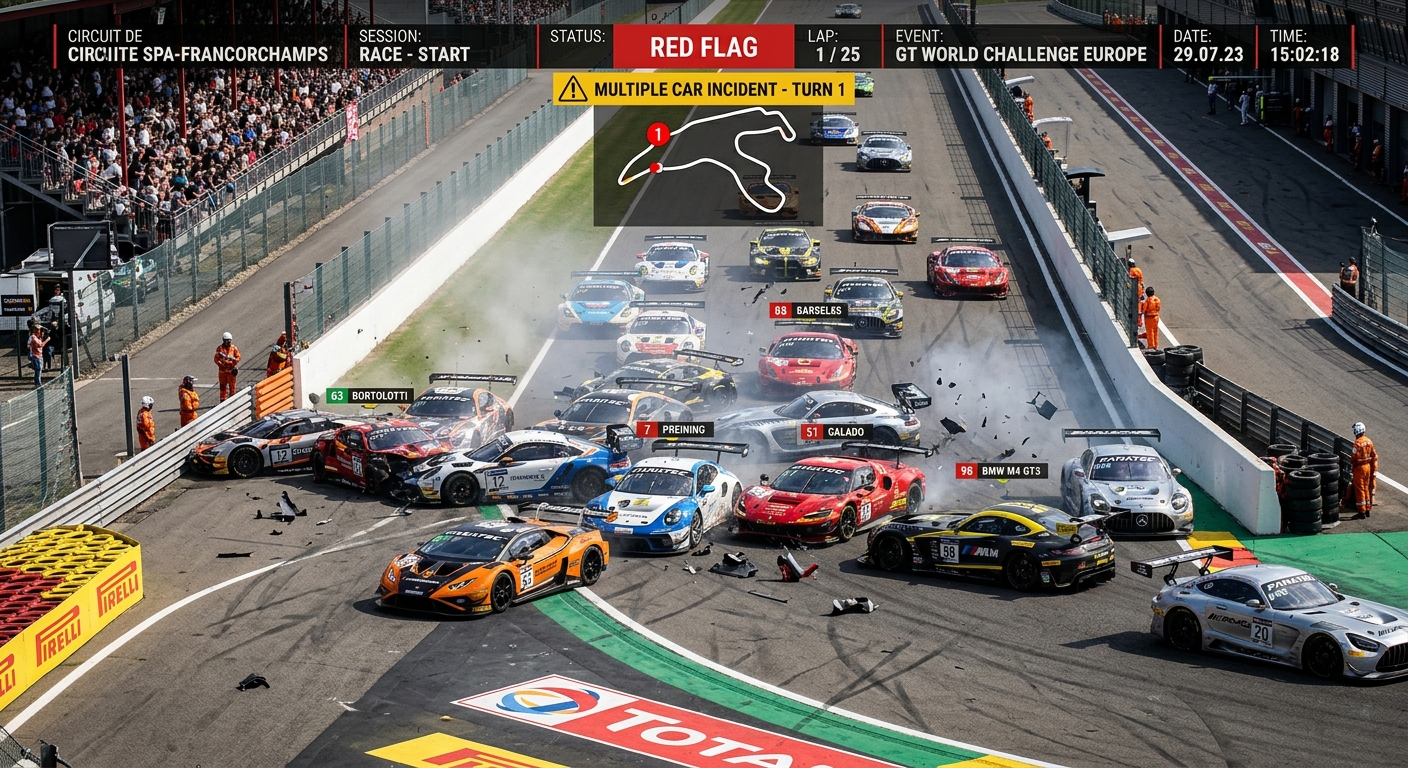
Learn professional race control strategies to manage Lap 1 pile-ups and qualifying pit exit incidents, ensuring competitive integrity and driver retention in your racing league.
The Anatomy of a Pile-Up: Why Lap 1 Carnage Happens
Lap 1 incidents often occur because of a collapse in the standard of care drivers owe one another. In high-pressure starts, the density of cars reduces the margin for error to near zero. Stewards must analyze these moments not just as individual mistakes, but as systemic failures. By defining specific first-lap zones where penalties are more stringent, leagues can encourage a more cautious approach. Liability in these scenarios often rests on the initiator, but stewards must also look for contributory negligence from those who fail to slow down for yellow flags ahead.
Qualifying Etiquette: Navigating the Pit Exit Bottle-Neck
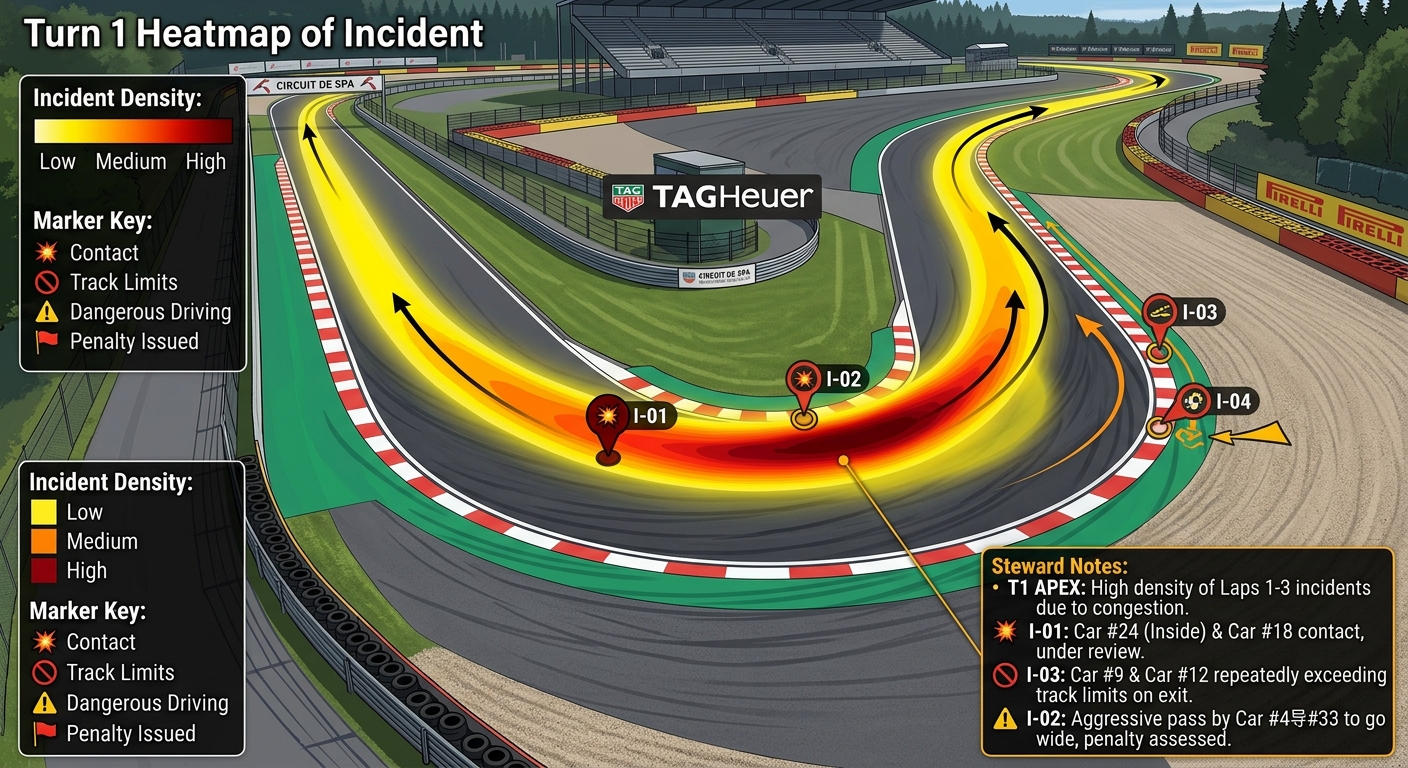
Incidents at the pit exit, particularly at tracks like Spa, are frequently caused by poor qualifying etiquette. Drivers on out-laps often fight for track position as if they were racing for the win. Effective race control involves setting clear guidelines for out-lap behavior: the car leaving the pits or already on the track must be given predictable space. Implementing No-Overlap zones in narrow pit exits can prevent unnecessary contact. When contact does happen, penalties should reflect the avoidable nature of the incident during a non-racing session where patience is mandatory.
Beyond the Penalty: Using ELO and Rankings to Enforce Standards
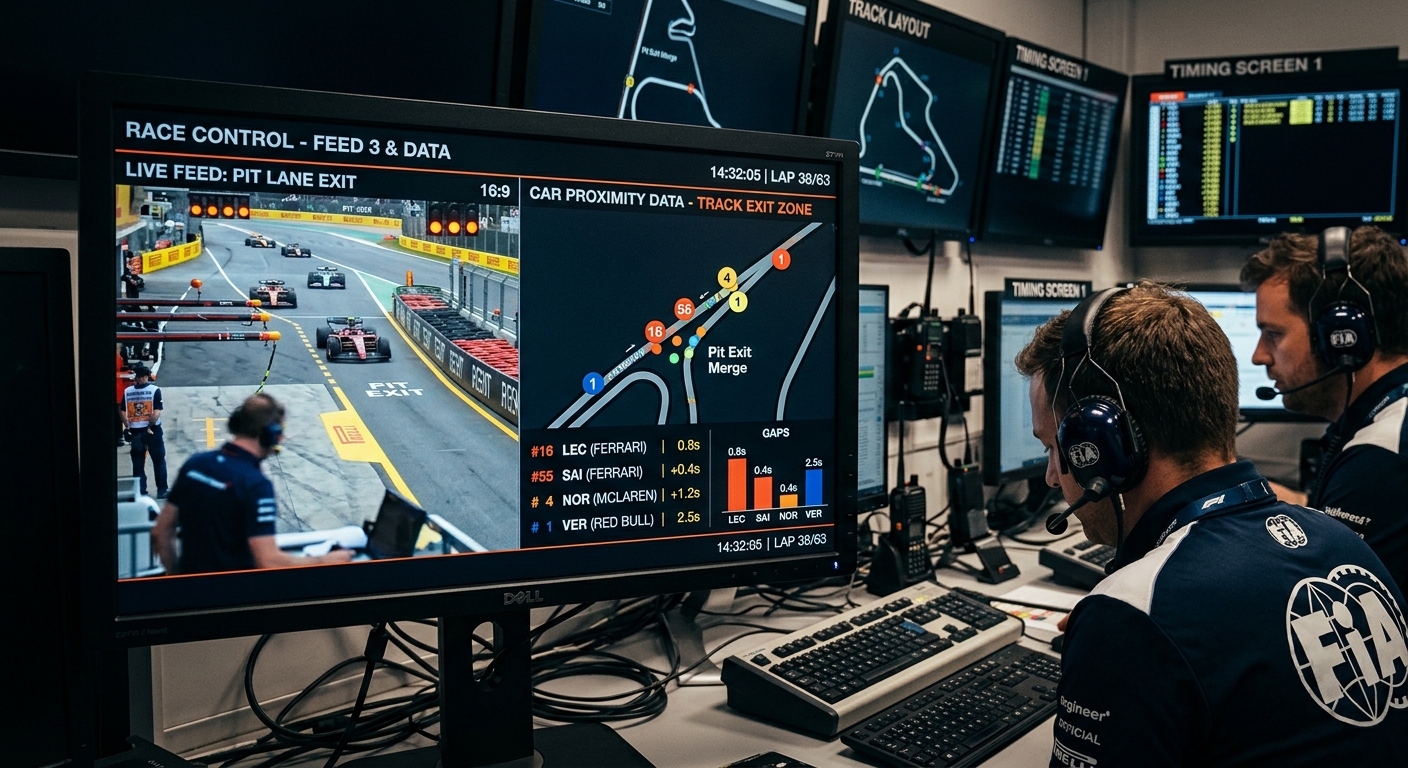
The traditional time penalty is often insufficient to change long-term behavior. FairGrid advocates for a system where incident history directly impacts a driver’s ranking and ELO. When reckless behavior at the start of a race has consequences that last beyond the checkered flag, drivers are incentivized to prioritize safety. Automated paperwork and incident reporting allow stewards to focus on the nuances of the incident rather than the administration, ensuring that every driver is held accountable to a consistent standard across the entire season and different skill tiers.

Streamline Your League Operations with FairGrid
Stop drowning in incident reports. FairGrid provides the tools you need to manage protests, automate penalty systems, and maintain a professional ranking system that keeps the racing clean. Start building a fairer league today.