FAQ
Why is Monza Turn 1 so difficult to steward?
The combination of high approach speeds and a narrow, slow chicane creates a bottleneck where small errors create massive chain reactions.
How does FOV affect incident rates?
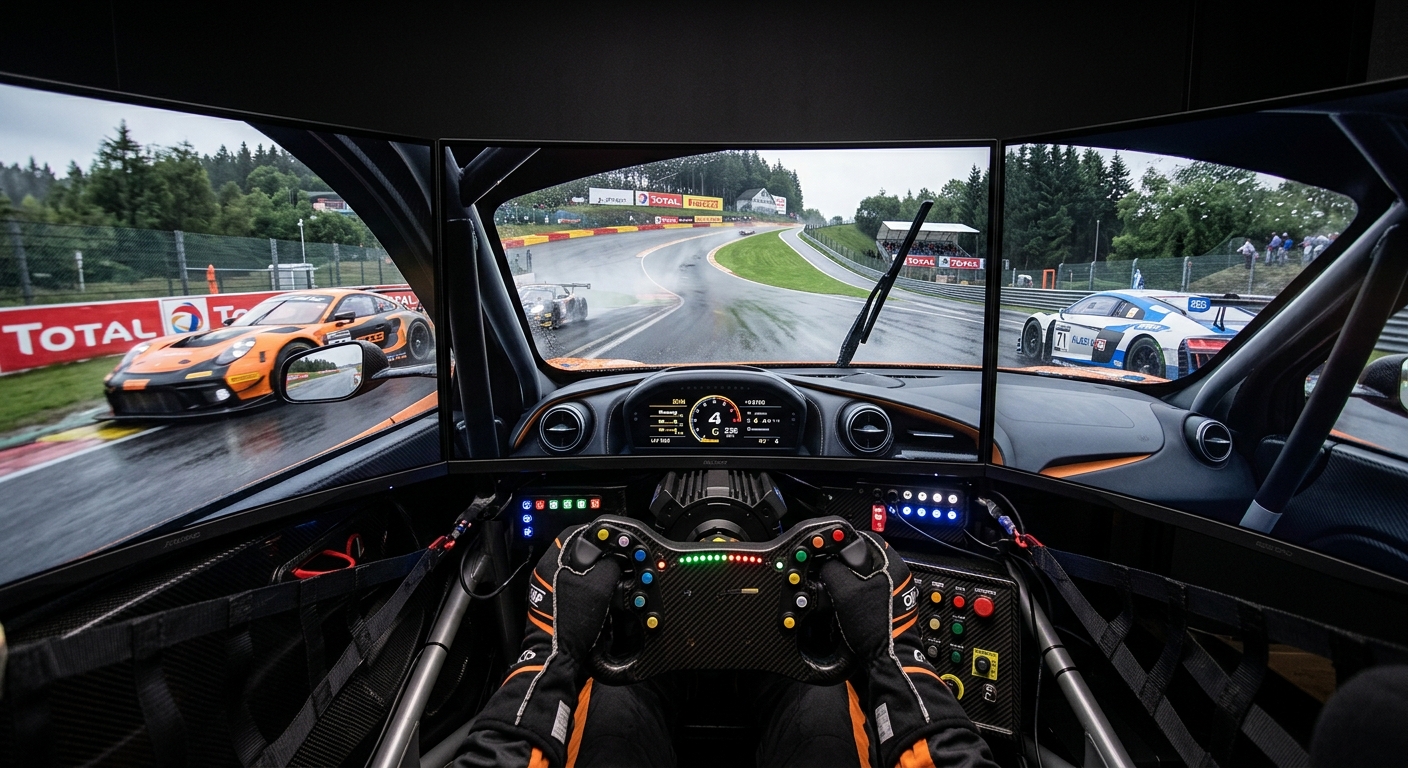
Higher FOV and peripheral vision allow drivers to see cars alongside them, reducing blind-side contact and improving spatial awareness in packs.
What is the difference between a racing incident and negligence?
Negligence involves avoidable errors like missing braking points, while racing incidents are often unavoidable consequences of dense pack racing.
How can league owners reduce protest backlogs?
Organizers can use FairGrid to automate incident detection and streamline the review process for high-volume tracks.
Why do bottlenecks ruin safety ratings?
Bottlenecks lead to multi-car collisions where innocent drivers accumulate incident points, disproportionately impacting their overall safety standing.
Beyond the Carnage: A Stewarding Guide to Surviving Sim Racing’s Most Dangerous Corners
stewarding-guide-sim-racing-dangerous-corners
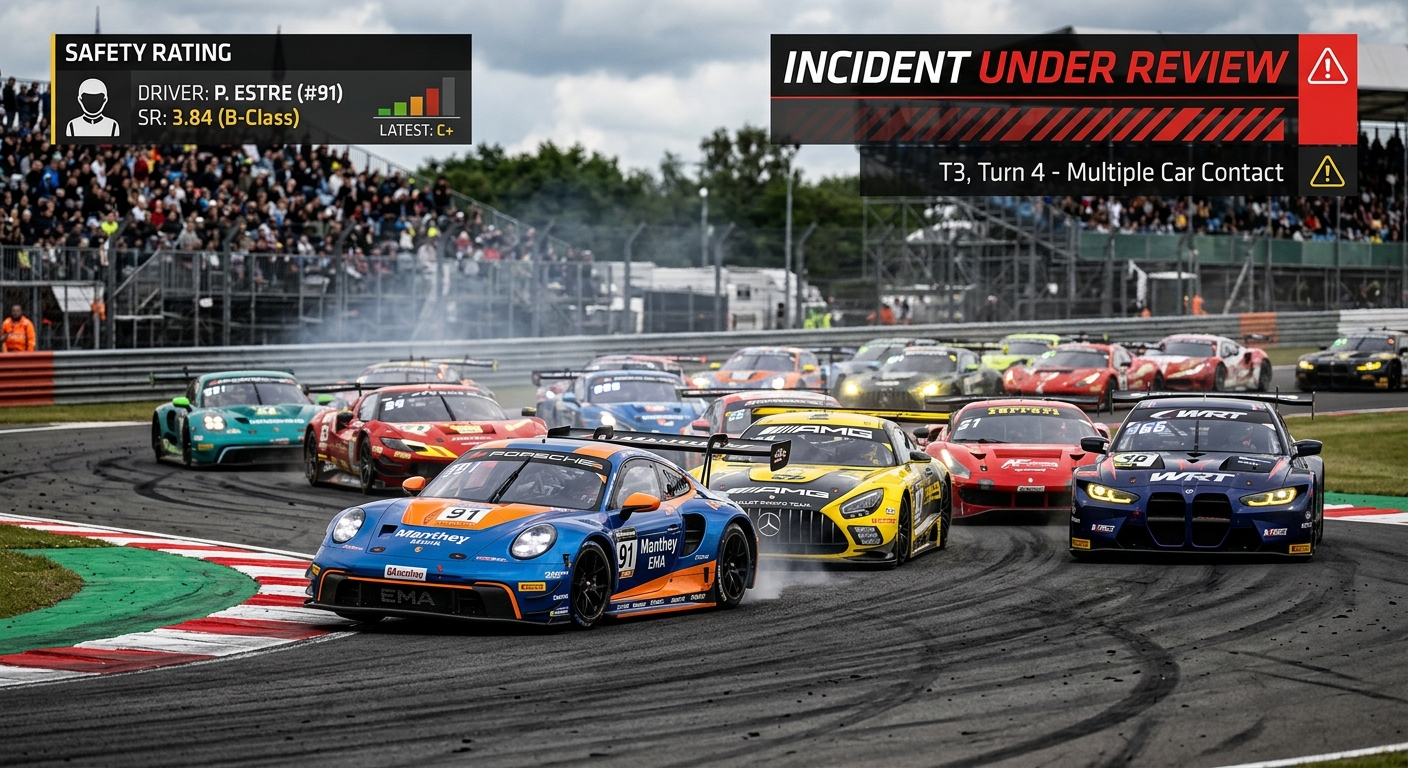
Managing lap 1 chaos at tracks like Monza requires a balance of driver awareness and consistent stewarding. Learn how to handle high-incident starts effectively.
Why Monza Fails and the Steward’s Dilemma
The first corner at tracks like Monza is a notorious bottleneck where the thrill of racing often turns into a cleanup operation. From a stewarding perspective, these incidents are rarely black and white. While the Monza Turn 1 phenomenon is often blamed on aggressive driving, it is frequently the result of a physics-defying density of cars attempting to occupy the same narrow strip of tarmac simultaneously.
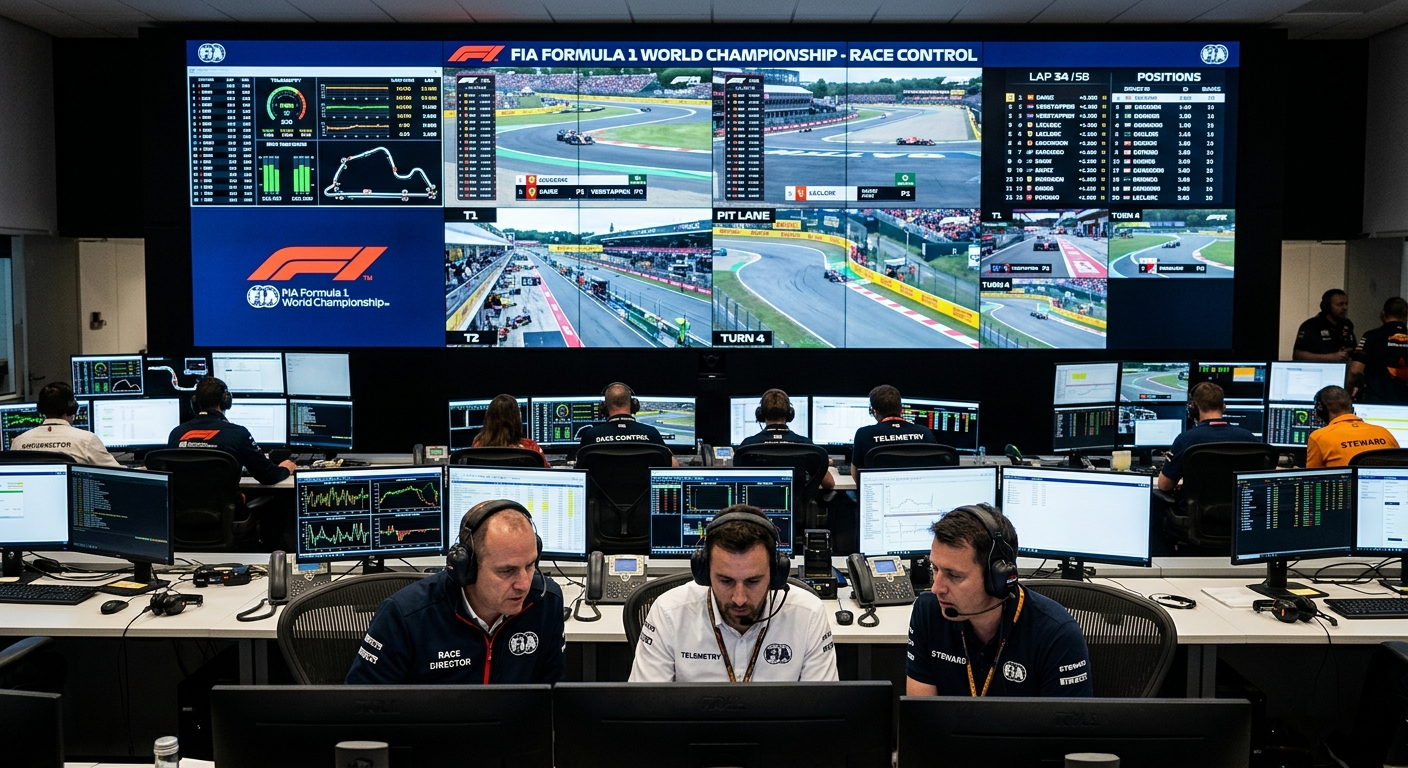
Distinguishing between a racing incident and avoidable contact in these tight chicanes requires a nuanced approach. Stewards must look beyond the initial contact to identify the root cause. Was it a late dive-bomb or a chain reaction caused by a car three positions back? Maintaining competitive integrity means penalizing negligence while accepting that lap 1 chaos is often a systemic byproduct of track design.
Spatial Awareness and the Ripple Effect on Ratings
Field of view and peripheral vision play a massive role in maintaining clean racing. Drivers with better hardware-enabled awareness often exhibit cleaner maneuvering because they can see the cars alongside them. When drivers lack this spatial awareness, blind-side contact becomes inevitable, leading to a cascade of incident points that unfairly punish those caught in the aftermath.
These bottlenecks don't just ruin a single race; they have a disproportionate impact on safety ratings and driver morale. A single lap 1 pileup can negate hours of clean driving, leading to frustration and a higher volume of protests. Understanding the link between visibility and behavior allows league organizers to set more realistic expectations for different skill tiers and hardware setups.
League Strategies and Automated Stewarding
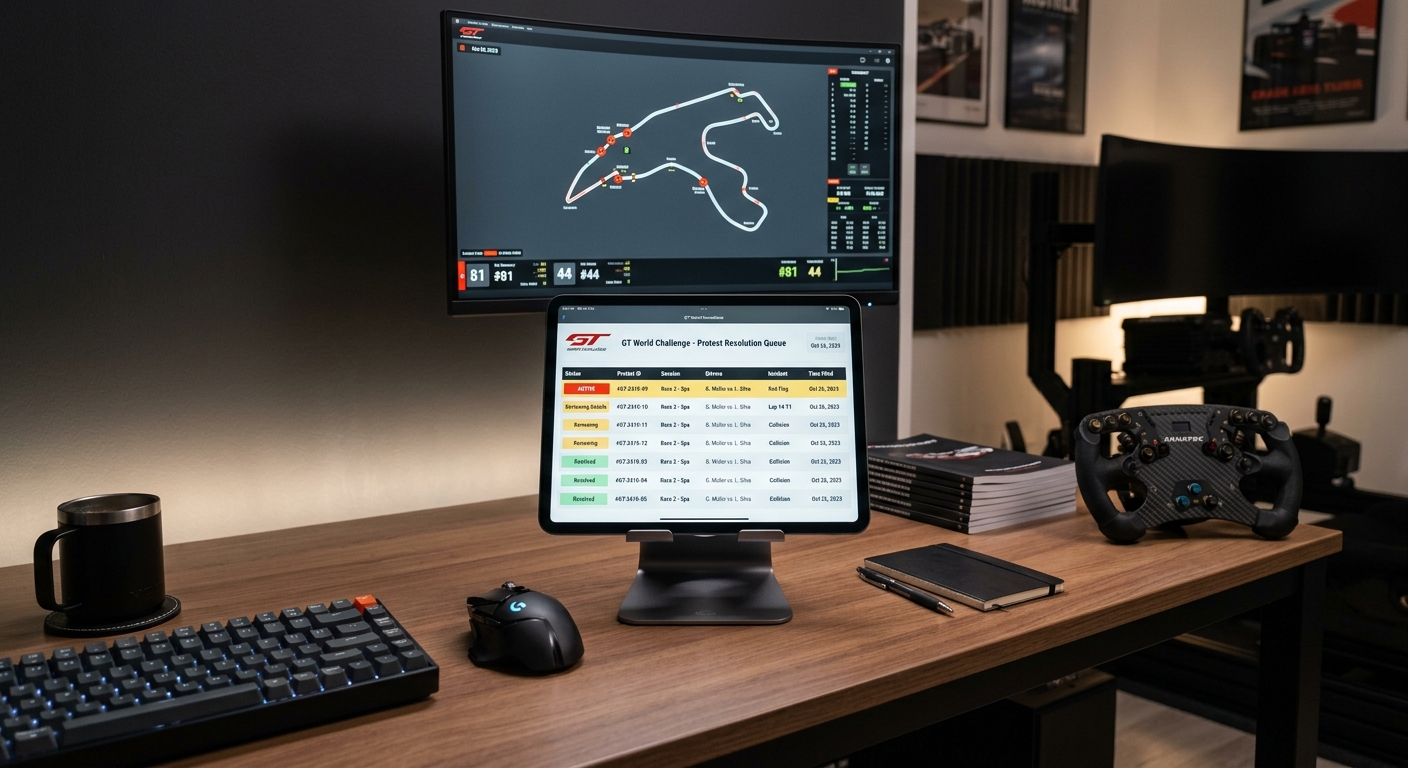
For league organizers, high-incident tracks present an administrative nightmare. The post-race protest queue can become overwhelming after a race at a track like Monza, with dozens of clips showing the same turn 1 pileup. Efficient league operations require a strategy to manage this volume without burning out volunteer stewards. Implementing clear guidelines for what constitutes a reportable lap 1 incident helps filter out frivolous claims.
This is where FairGrid’s race management tools come into play. By integrating automated stewarding assistance and streamlined protest workflows, organizers can handle the surge of incidents more effectively. Balancing manual review for complex incidents with automated tracking for repeated offenders ensures that competitive integrity is maintained without slowing down the season's momentum.
Streamline Your Race Control
Don't let turn 1 carnage overwhelm your volunteer team. Discover how FairGrid’s automated tools and incident management systems can transform your league’s post-race workflow and maintain competitive integrity.