FAQ
Does high-end hardware provide an unfair advantage?
While gear doesn't automatically make a driver faster, it provides higher consistency and better feedback, which reduces the likelihood of incidents.
How do stewards handle incidents involving different hardware tiers?
Stewards focus on intent and predictable behavior, but they must remain aware that entry-level gear can sometimes lead to slower reaction times.
Are load cell pedals more important than a direct drive wheel?
Many competitive racers believe load cell pedals are more critical for safety and consistency because they stabilize braking performance.
Can leagues enforce hardware requirements?
Some high-level leagues do, but most focus on performance-based safety ratings to ensure all drivers can compete safely regardless of gear.
How does FairGrid help manage hardware disparity?
FairGrid provides a structured platform for incident reviews that emphasizes objective data and fair stewarding processes to maintain integrity.
Does Gear Matter? Hardware Parity and Competitive Integrity in Sim Racing
sim-racing-hardware-parity-competitive-integrity
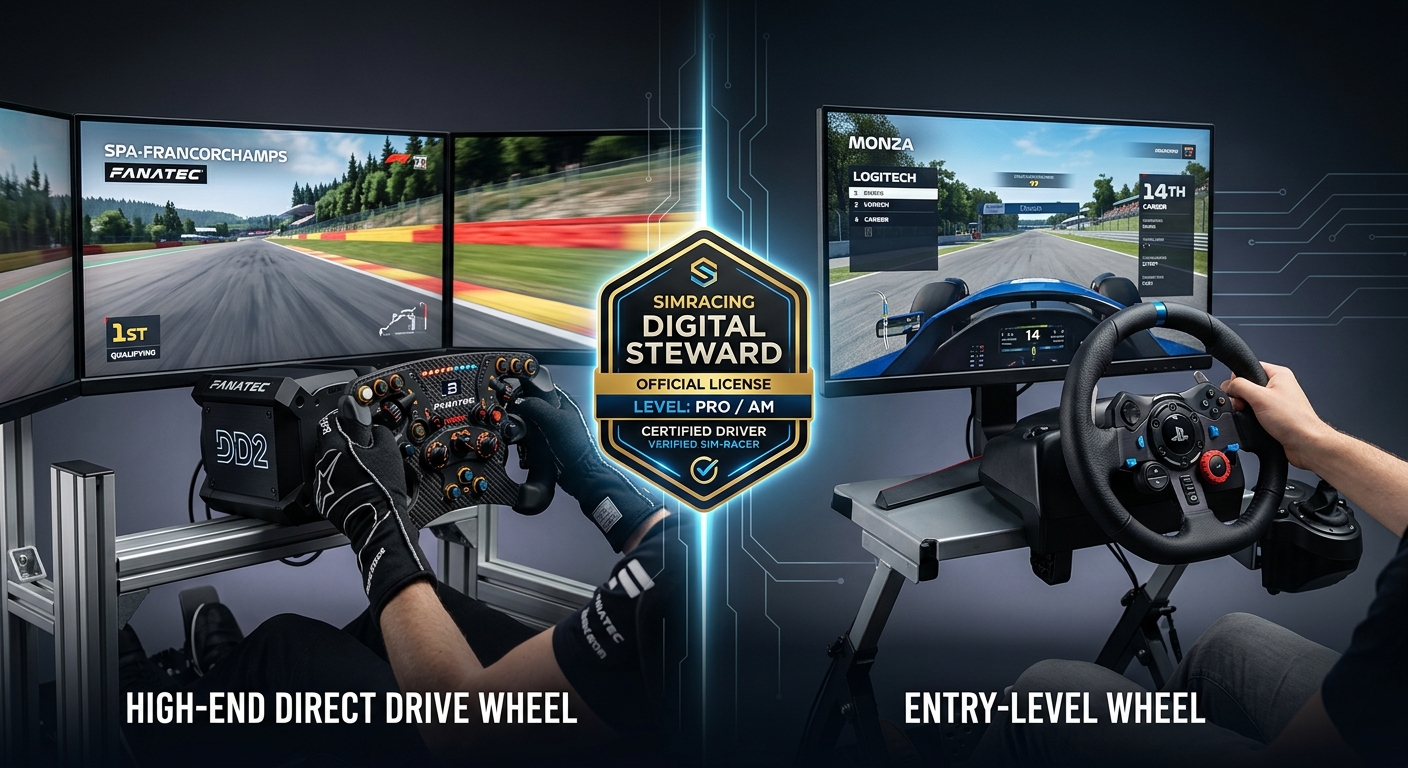
Explore how the gap between entry-level and high-end sim racing gear affects competitive integrity, league stewarding, and driver safety ratings in professional racing.
The Fidelity Gap: How Hardware Affects Safety Ratings
Force feedback fidelity is a critical factor in a driver's ability to maintain a high safety rating. High-end direct drive systems provide instantaneous feedback, allowing drivers to feel a car's loss of traction before it becomes an incident. Entry-level gear-driven wheels often suffer from mechanical latency or clipping, which can mask these vital cues. When a driver cannot feel the car reaching its limit, they are more likely to cause avoidable collisions, making hardware a silent contributor to race safety data.
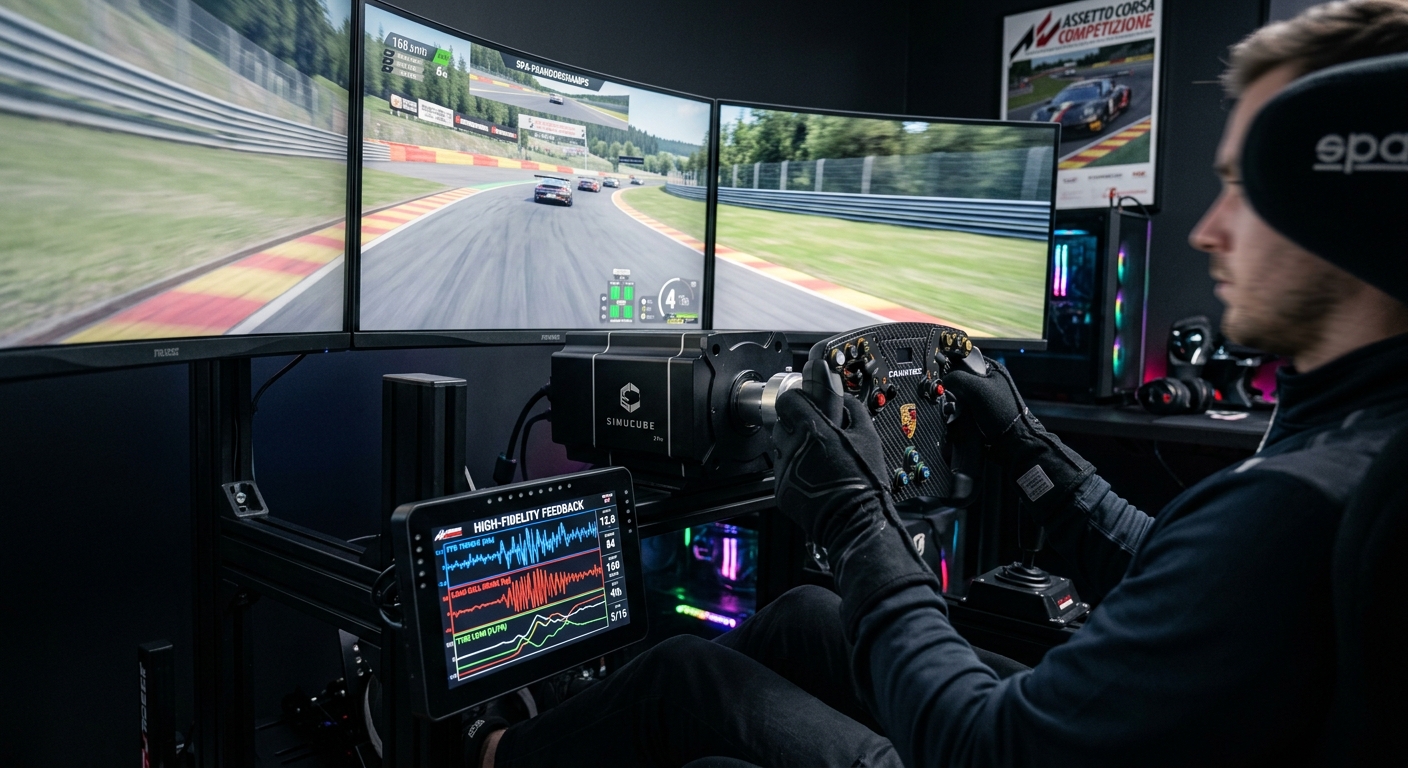
Direct Drive vs. Gear-Driven: A Stewarding Perspective
For race stewards, hardware disparity introduces complexity into incident analysis. A driver with high-torque hardware has a finer degree of control and can often make micro-adjustments to avoid contact. Conversely, a driver on entry-level gear may be physically limited by their equipment's slow response time. Stewards must decide if an incident was a result of poor judgment or a hardware-limited reaction, highlighting the need for standardized league rules that account for mixed-hardware grids.
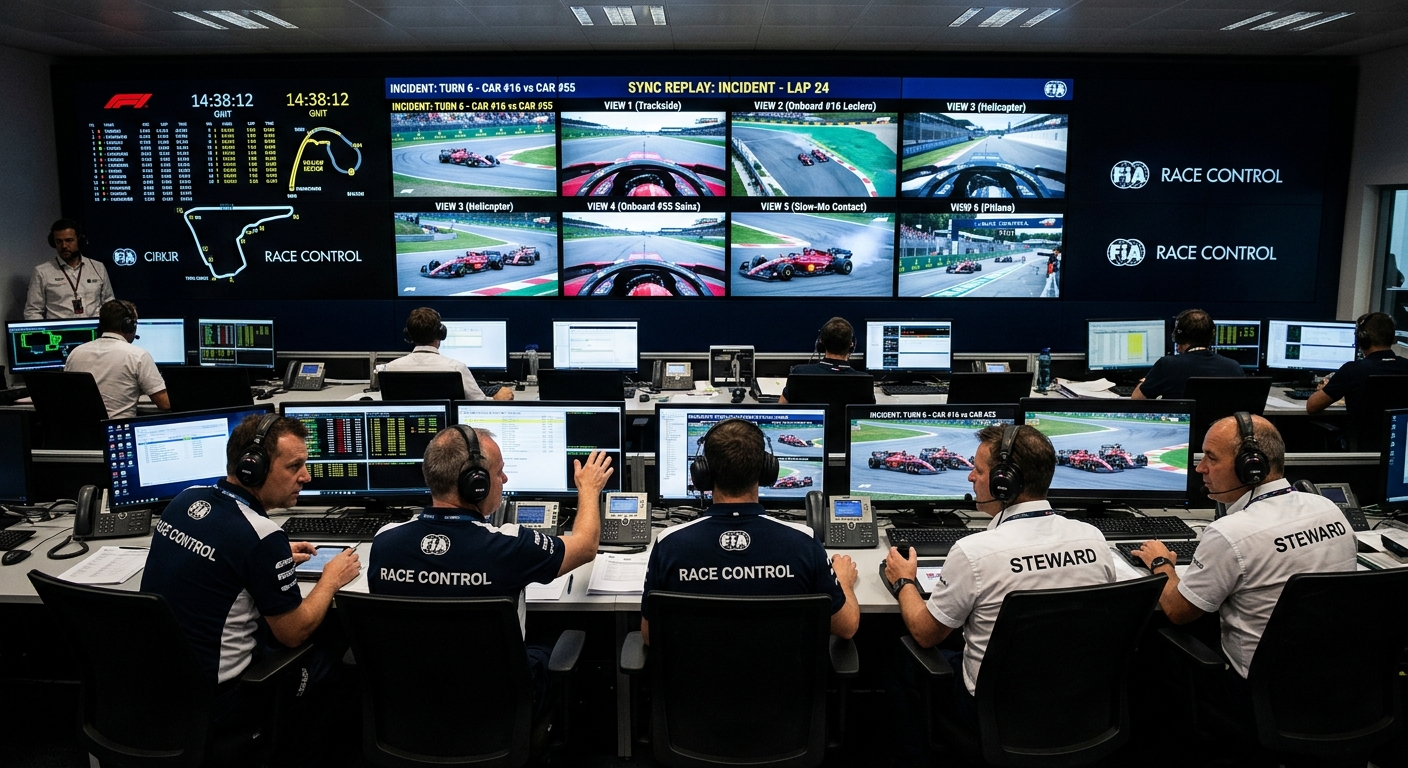
Load Cell Pedals and the Consistency of Race Control
Consistency is essential for fair competition. Standard potentiometer pedals rely on distance, making it difficult to replicate braking pressure lap after lap. Load cell pedals measure actual force, allowing drivers to develop muscle memory similar to a real racing car. This consistency leads to more predictable braking zones and fewer rear-end incidents. From a league operations standpoint, encouraging or standardizing load cell use helps ensure that race control is managing a grid with predictable safety margins.
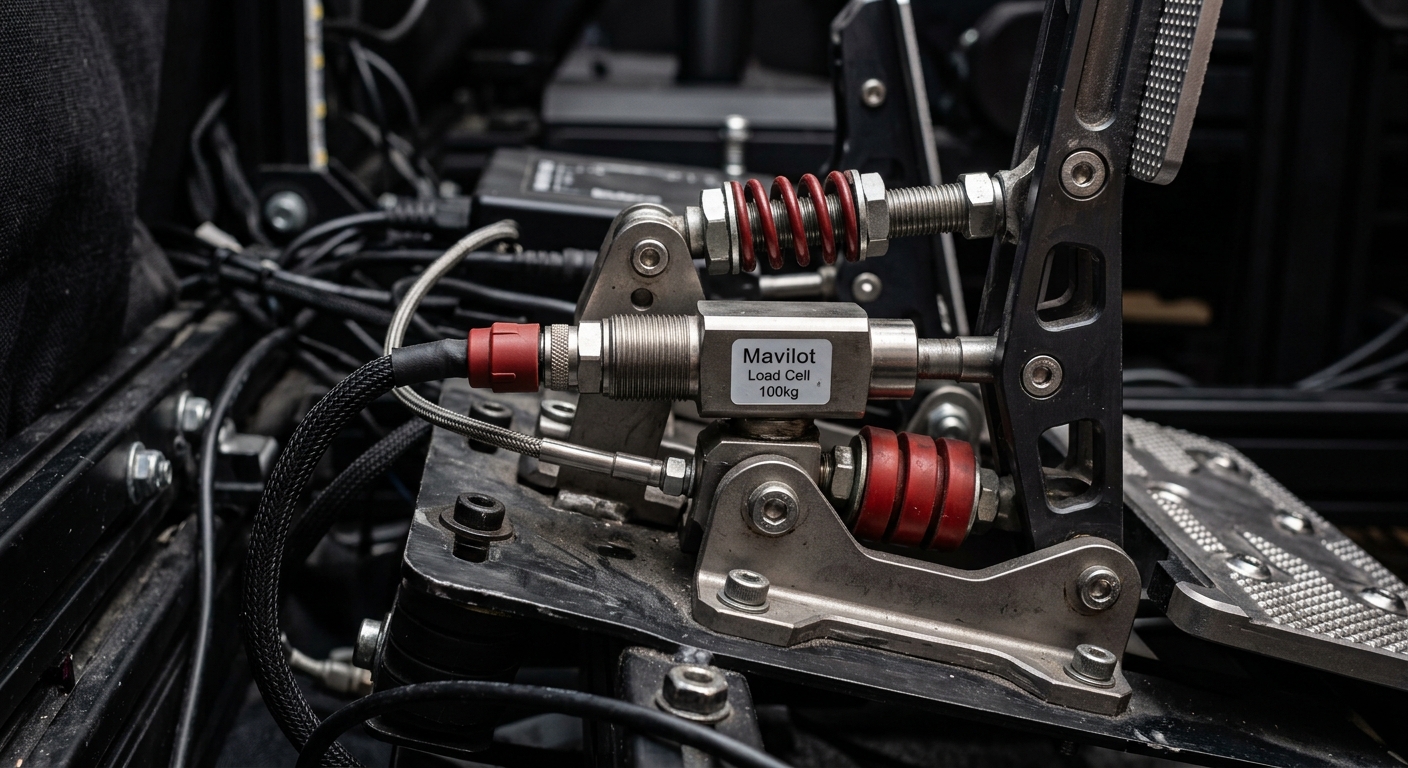
Ensure Fair Competition with FairGrid
Managing a high-integrity league requires tools that prioritize fairness and skill over equipment. Discover how FairGrid can help you run professional, safe, and competitive racing events for drivers of all levels.