Equipment Failure or Driver Error? A Steward’s Guide to Hardware Malfunctions
equipment-failure-vs-driver-error-steward-guide
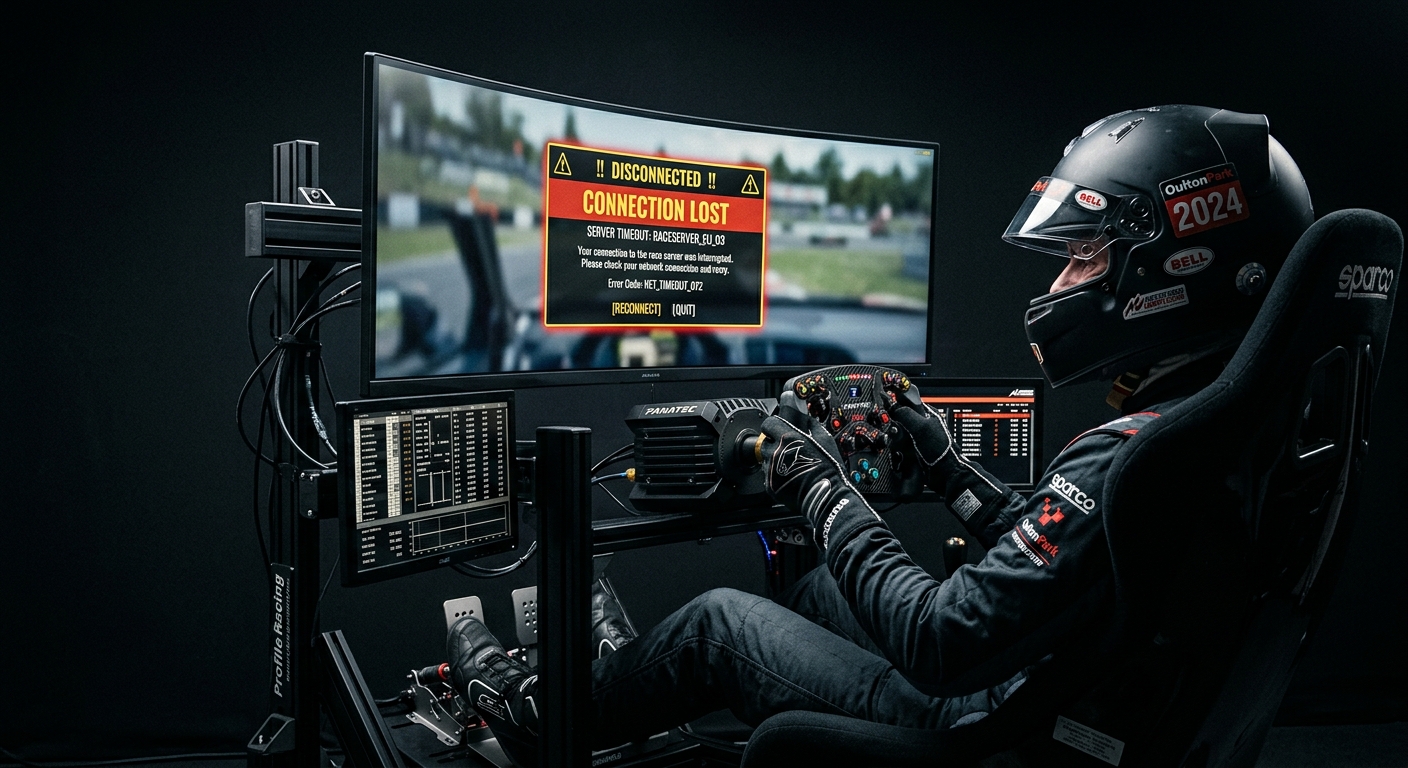
A digital steward graphic overlays a sim racing cockpit experiencing a sudden connection failure during a race.
Learn how sim racing stewards can distinguish between genuine hardware failures and driver errors to maintain competitive integrity in your league.
The 'Technical Issue' Defense and Competitive Integrity
Every steward has encountered the technical issue defense: a sudden snap oversteer or a missed braking point attributed to a flickering pedal or a dying wheel base. Without a standardized protocol, these claims can undermine the authority of race control. Hardware reliability must be viewed as a pillar of competitive integrity. Stewards must balance empathy for technical misfortune with the responsibility to ensure a fair competition for all participants. A driver entering a professional grid is expected to maintain race-ready equipment, and failure to do so shouldn't automatically grant them immunity from the consequences of an on-track incident.
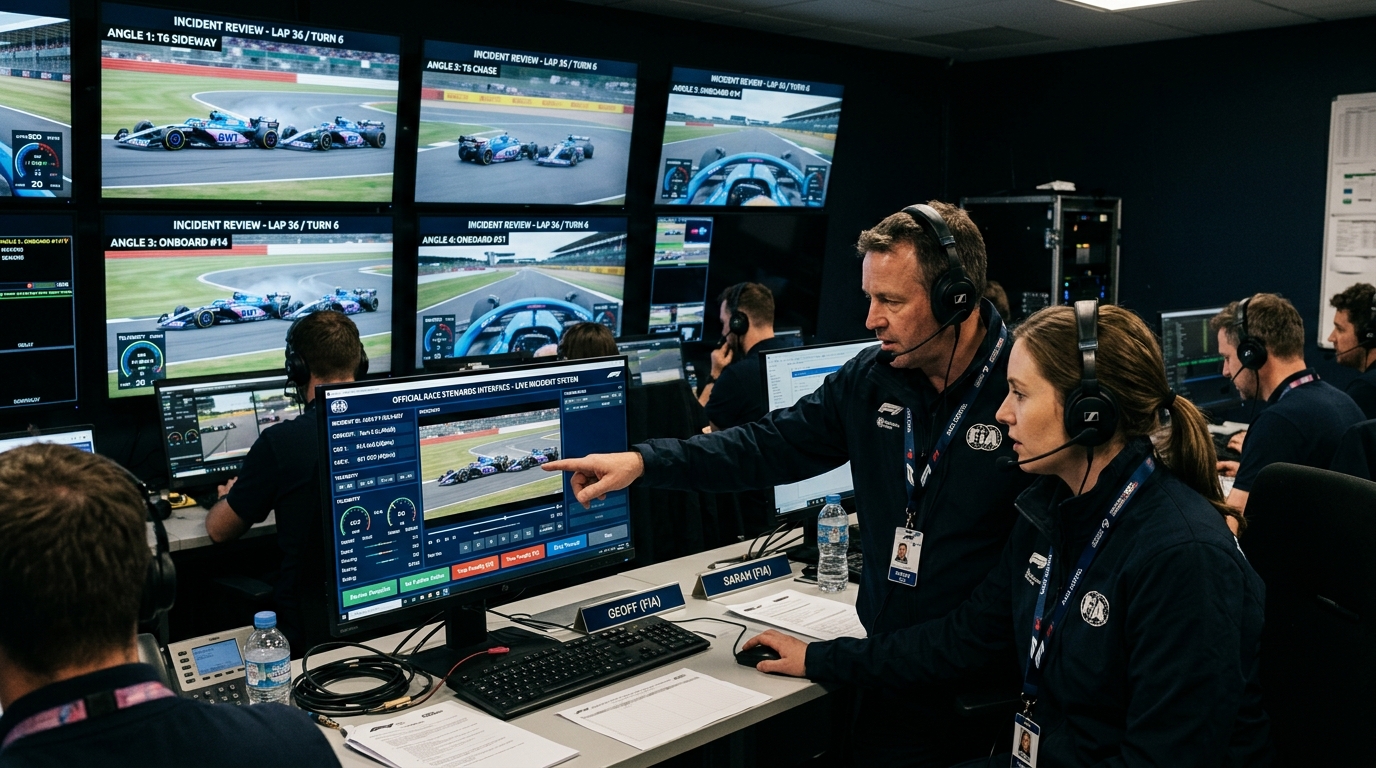
Race control must determine if a racing incident was caused by driver error or equipment malfunction.
Using Telemetry to Validate Claims of Equipment Failure
Telemetry is the steward's most reliable tool when investigating equipment failure. A genuine wheel disconnection usually manifests as a sudden centering of the steering axis or a completely frozen input value in the data logs. Conversely, erratic but human-like inputs often point toward driver error rather than a hardware malfunction. Analyzing throttle and brake traces can quickly reveal if a pedal sensor is truly spiking or if a driver simply missed their mark. By requiring telemetry submissions for technical protests, leagues can move away from guesswork and toward data-driven adjudication.
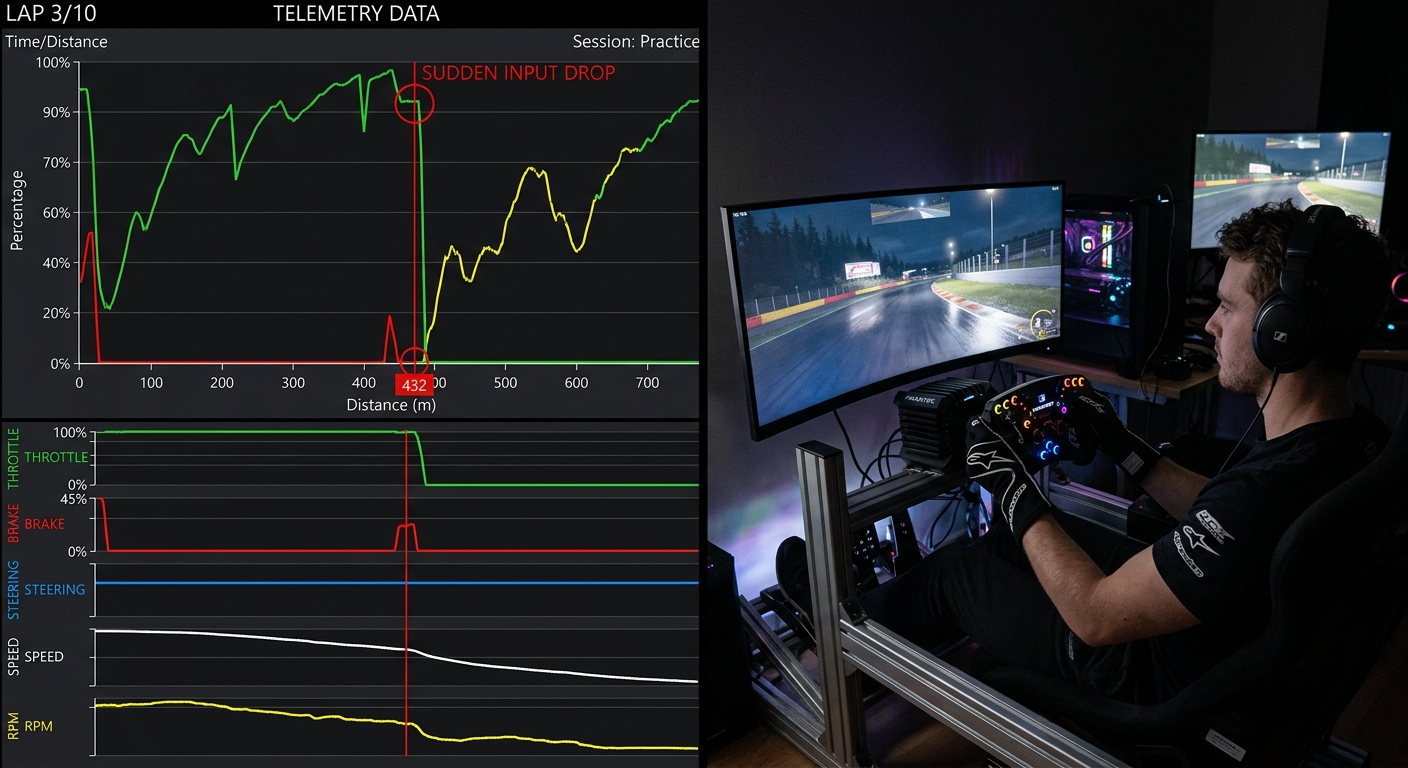
Telemetry data provides the necessary evidence to confirm or debunk claims of hardware failure in competitive racing.
Drafting Rules and Streamlining Protests with FairGrid
League rulebooks must be explicit: the driver is ultimately responsible for the state of their equipment. Standardized protocols, such as mandatory technical DNFs for recurring issues, help maintain a high standard of hardware reliability across the grid. FairGrid streamlines this process by allowing league owners to document and track recurring technical issues among participants. By maintaining a history of technical protests, race control can identify patterns of 'dying gear' and ensure long-term grid quality. This systematic approach ensures that genuine issues are handled fairly while preventing the 'technical glitch' excuse from being exploited.
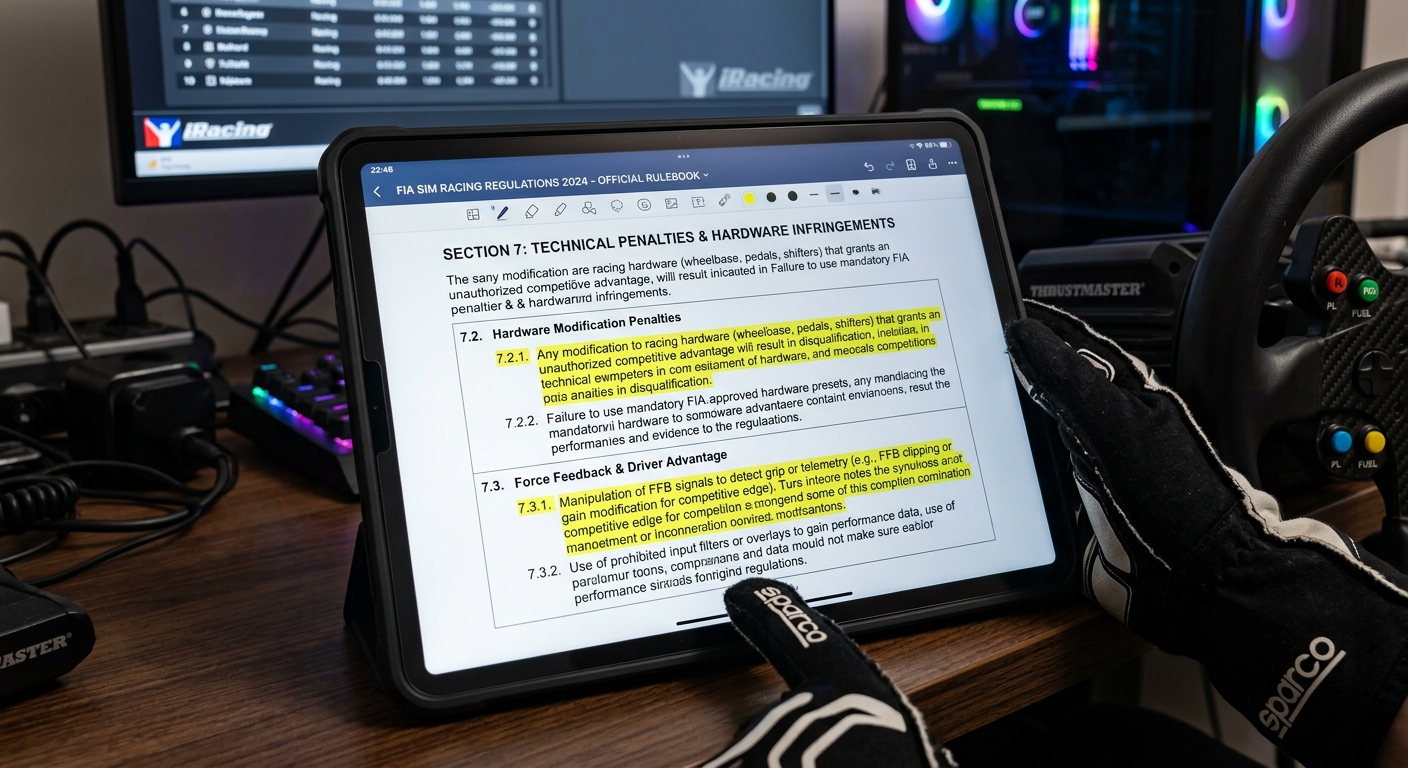
Clear league regulations regarding hardware maintenance ensure a safer and more competitive environment for all drivers.
How do stewards verify a hardware failure?
Stewards verify failure by analyzing telemetry for frozen inputs, sudden axis centering, or impossible sensor spikes that differ from human input patterns.
Is a driver responsible for their own equipment failure?
Yes, in most competitive leagues, the driver is responsible for maintaining their hardware to ensure it does not pose a risk to others.
Should a technical failure result in a penalty?
If a hardware failure causes an incident with another driver, a penalty is typically applied to maintain competitive fairness, regardless of intent.
Upgrade Your League's Integrity
Ensure your grid stays competitive and fair. Use FairGrid’s advanced race management tools to document technical incidents and maintain the highest standards of race control.