FAQ
Should a driver be penalized for a crash caused by a wheel disconnect?
If evidence proves the failure was outside the driver's control, stewards may waive safety penalties, though on-track positions are rarely restored.
What counts as evidence for a hardware failure?
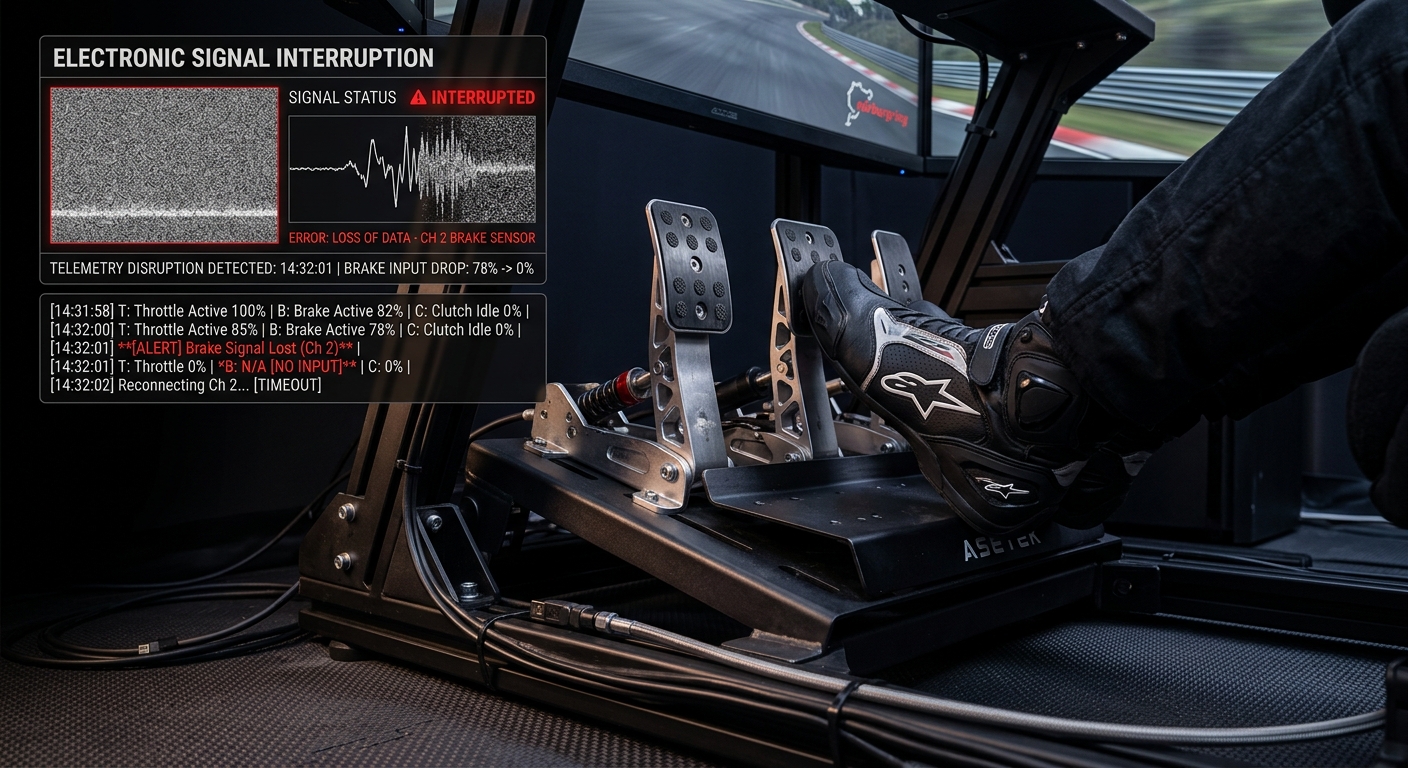
Telemetry logs showing zero input despite driver action or video footage of device error messages are standard evidence requirements.
How do hardware failures impact Safety Ratings?
Leagues should have a policy to manually adjust safety ratings if a verified technical failure caused an incident.
Can a race be restarted for a technical failure?
Usually, races are only restarted if a server-side failure occurs affecting multiple drivers, rather than individual hardware issues.
What is the steward's role in firmware-related incidents?
Stewards must decide if the firmware issue was a known bug or a result of the driver failing to update their gear.
Equipment Failure or Driver Error? A Steward’s Guide to Managing Technical Incidents
equipment-failure-sim-racing-stewarding-guide
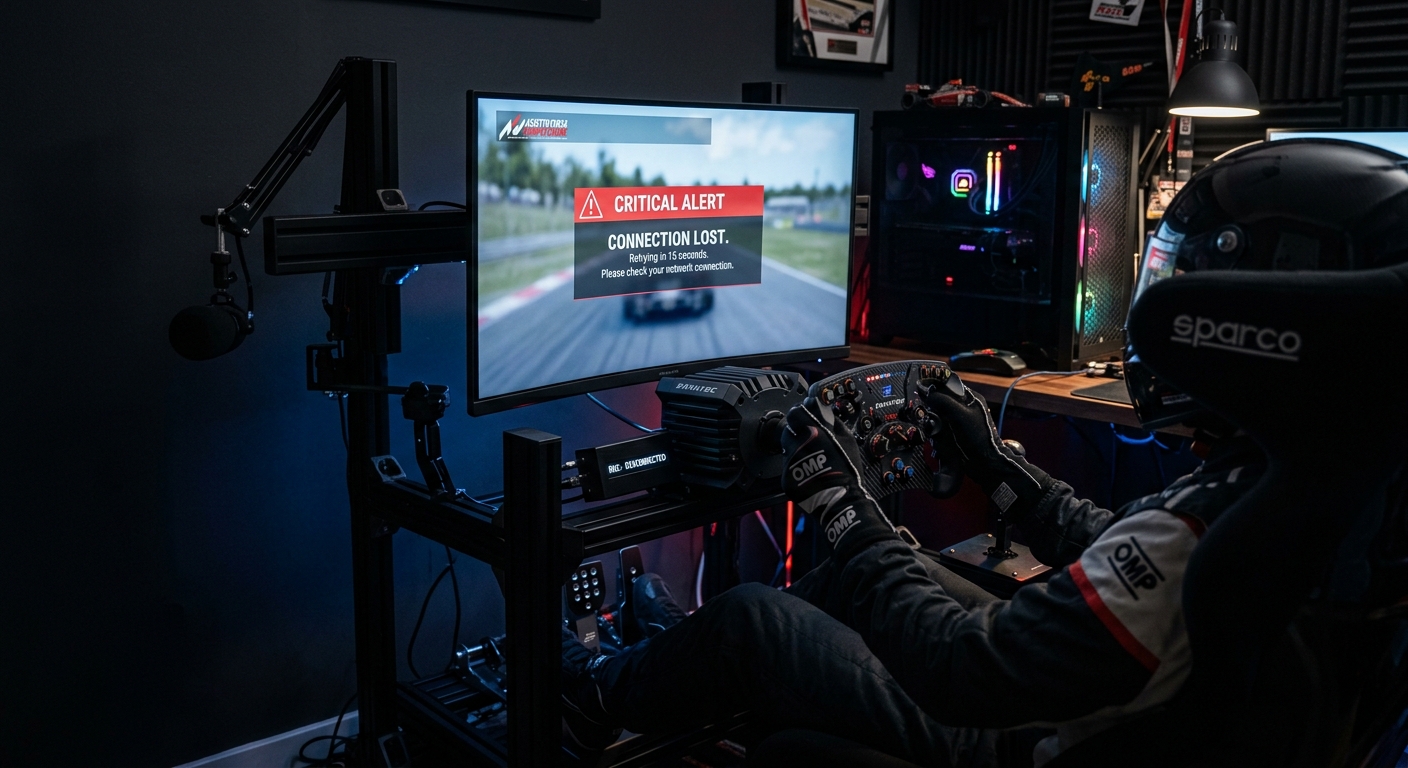
Learn how sim racing leagues handle hardware malfunctions, wheel disconnects, and technical DNFs while maintaining competitive integrity and fair safety ratings.
The Hidden Threat to Competitive Integrity: Hardware Reliability
Competitive sim racing thrives on the assumption of mechanical reliability. However, unlike real-world motorsport where mechanical failures are part of the sport, digital hardware disconnects often feel arbitrary and unfair. When a wheel base loses power or a firmware glitch causes a throttle to stick, the resulting chaos can damage the reputations of both the driver and the league. Stewards must treat these incidents as unique challenges to the racing environment. Identifying a failure versus a driver error is the first step in maintaining a fair championship standings.
Categorizing Incidents: Technical Glitch vs. Negligent Setup
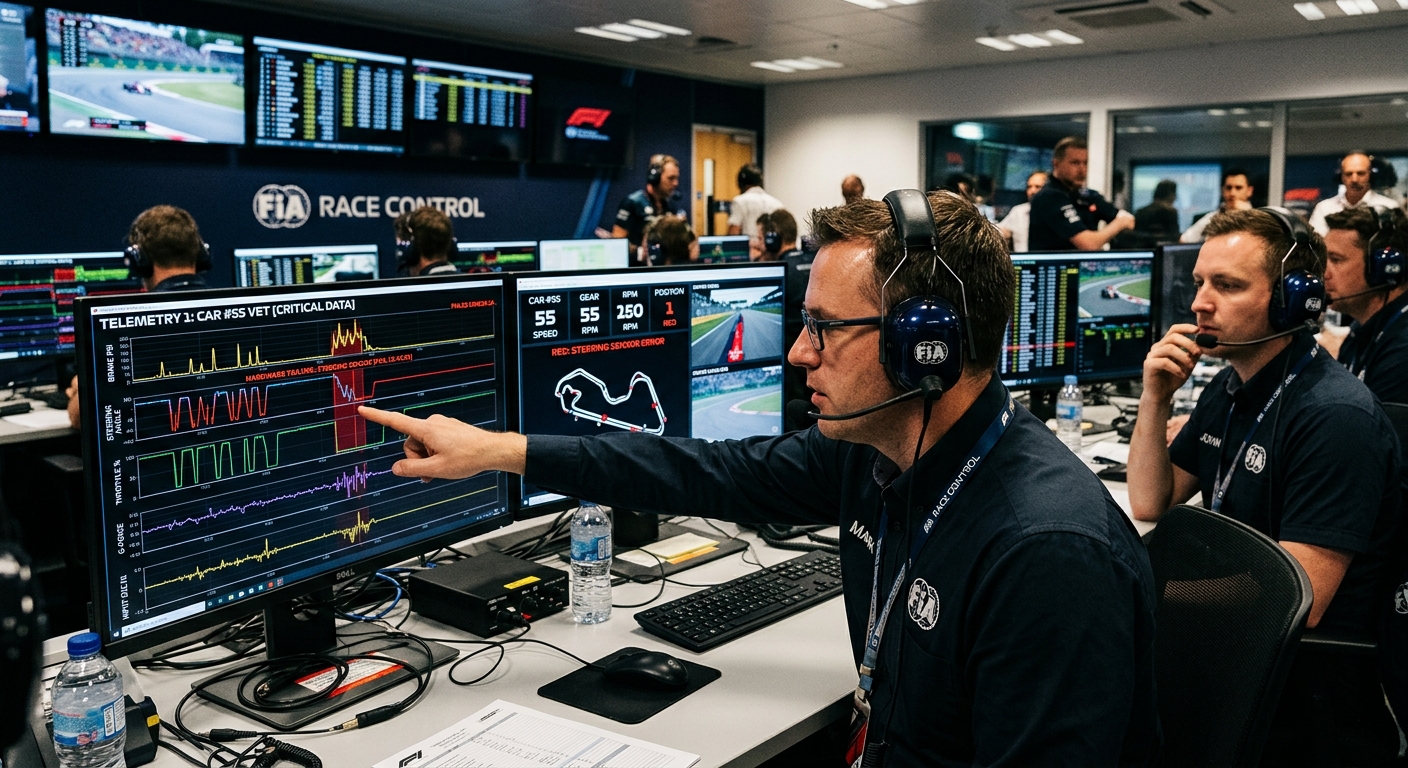
Defining Force Majeure in sim racing is the first step toward fair adjudication. A technical glitch, such as a verified driver crash or a sudden hardware disconnect, is often outside the driver's control. Conversely, issues stemming from unmapped buttons or improperly configured steering ranges fall under negligent setup. Stewards must determine if the driver took reasonable steps to ensure their equipment was race-ready before deciding on penalty mitigation. This distinction ensures that drivers are held accountable for their preparation while protected from genuine equipment failure.

Evidence Standards and Policy for Technical DNFs
To maintain transparency, leagues must establish strict evidence requirements for technical protests. This might include telemetry data showing a sudden loss of input or video recordings of the hardware status. Clear policies regarding points compensation or safety rating protection are vital. While the race result usually stands to avoid re-run complications, rescinding license points or safety penalties for verified hardware failures helps preserve driver retention. Standardizing these requirements allows race control to process appeals quickly and accurately without bias.
Streamline Your Technical Appeals with FairGrid
Ready to elevate your league's race control? Leverage FairGrid's automated tools to streamline technical appeals and manage hardware-related protests with professional efficiency. Keep your standings transparent and your racers focused on the track.