From Rage to Respect: When Does Sim Racing Sportsmanship Break the Rules?
sim-racing-sportsmanship-rules

A cinematic view of one GT3 car providing a gentle push to a disabled rival toward the finish.
Explore the fine line between great sportsmanship and illegal outside assistance in sim racing. Learn how stewards evaluate rivalries and maintain competitive integrity.
The Viral Moment and Defining Illegal Assistance
The act of pushing a rival to the finish line is a classic stewarding dilemma. Most official sporting codes, from the FIA to digital platforms like iRacing, strictly forbid receiving assistance on track. The core principle is that a vehicle must complete the race distance under its own power. Pushing another car can be interpreted as 'outside assistance,' which is usually grounds for disqualification. Stewards must look at the specific wording of their league regulations to determine if the assistance provided by a competitor constitutes a breach of integrity or a safety violation. While the intent is often pure, the technical infringement can disrupt the final standings of other drivers who finished without help.
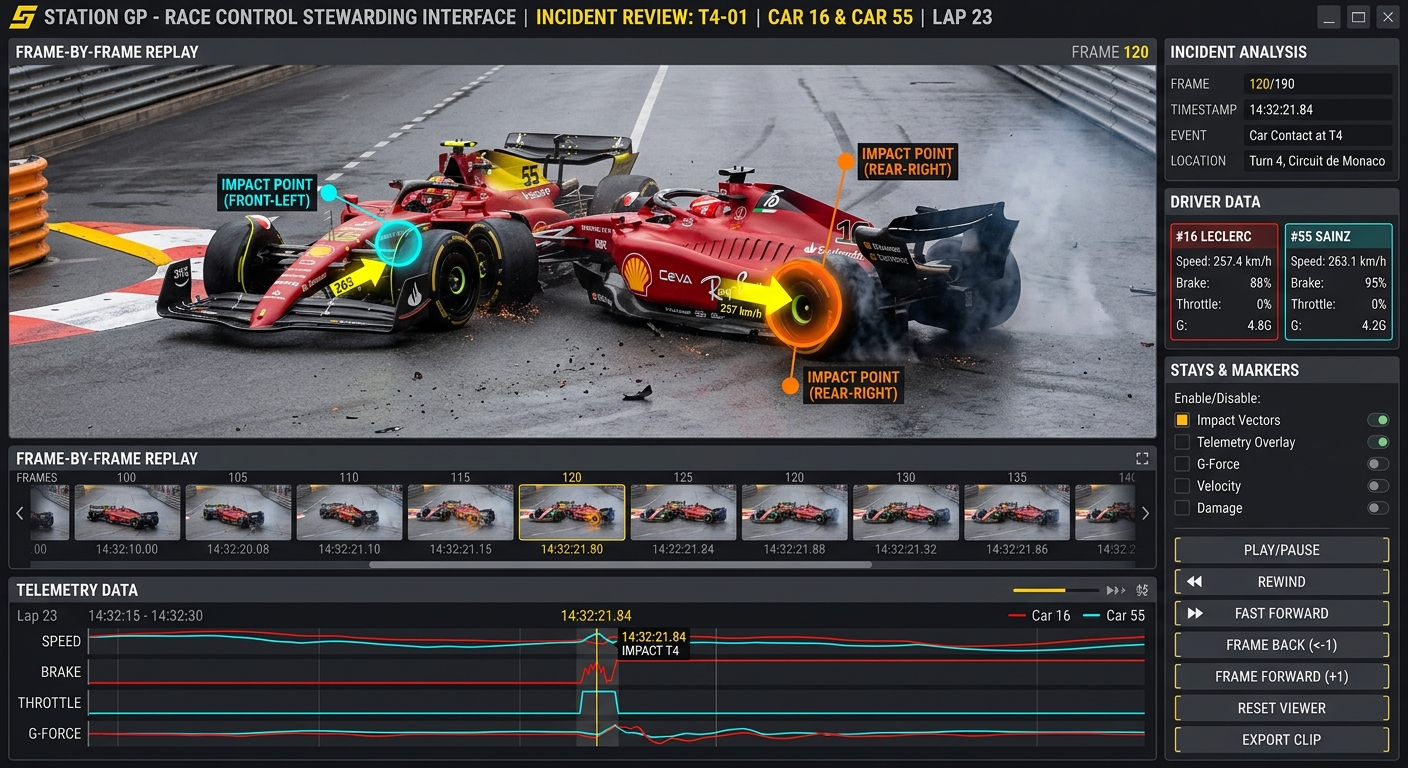
Stewards use frame-by-frame analysis to determine the severity of contact and the intent behind on-track actions.
The Steward's Dilemma: Intent vs. Infringement
When evaluating these incidents, modern stewards must weigh the spirit of the game against the letter of the law. Is it fair to punish a driver for an act of kindness that did not negatively impact anyone else? Competitive integrity requires that the results reflect the performance of the driver and the machine. If a car is helped to a position it would not have otherwise achieved, it devalues the effort of those behind them. However, if the incident that disabled the car was caused by the driver who is now offering the push, the situation becomes even more complex. Stewards often look for safety hazards; pushing a car on a live track can create unpredictable movements that endanger other participants.

Race control monitors multiple angles to ensure that acts of sportsmanship do not create safety hazards for others.
League Operations and the Unwritten Rules
Many successful sim racing leagues rely on a mix of automated systems and human intervention to handle these cases. While automated systems are excellent for tracking track limits and basic contact, they often lack the context to identify true sportsmanship. Professional leagues use tools like FairGrid to document these moments, allowing for a nuanced review process. There is an 'unwritten rule' in many communities that if you take someone out, you wait for them or help them recover. While these gestures foster a healthy community, they must be balanced against the official sporting code to ensure the league remains credible and competitive for all participants.
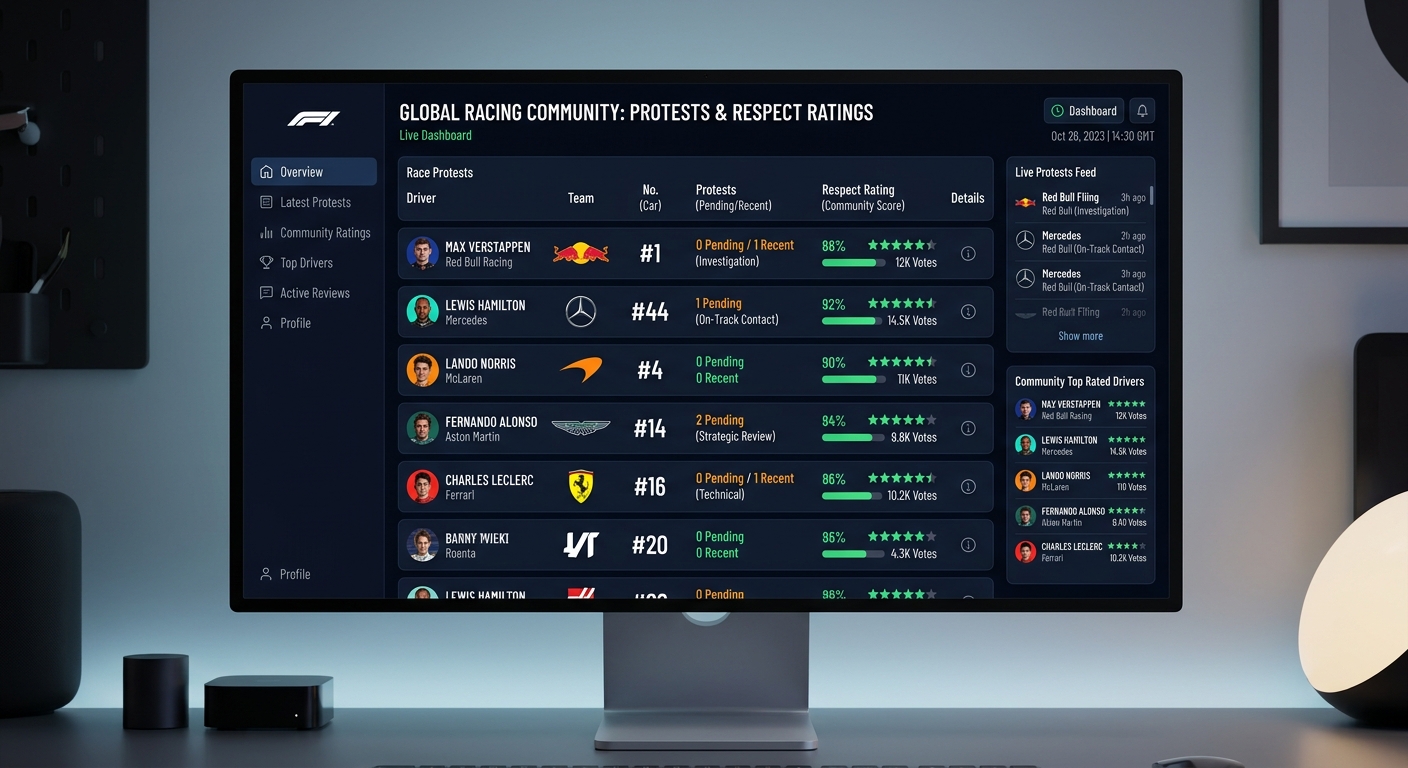
Platforms like FairGrid allow league organizers to track driver behavior and reward positive sportsmanship alongside official penalties.
Is it legal to push another car to the finish line?
In most competitive sporting codes, it is considered illegal outside assistance. Most rules require a car to finish the race under its own power.
How do stewards differentiate between sportsmanship and collusion?
Stewards examine the intent and the impact on the race results. Collusion involves a pre-arranged agreement to manipulate the outcome, whereas sportsmanship is an organic reaction to an incident.
Can helping another driver lower my safety rating?
Yes, if the assistance involves car-to-car contact, automated systems may register it as a collision, potentially impacting the safety ratings of both drivers.
Balance Integrity and Sportsmanship with FairGrid
Managing a league requires more than just a rulebook; it requires the right tools to handle complex human interactions on track. FairGrid’s stewarding platform helps you document incidents, manage protests, and maintain high competitive standards while rewarding the sportsmanship that keeps your community thriving. Start optimizing your race control today.