FAQ
How do 24-hour sim races handle driver fatigue?
Rules mandate maximum stint lengths and minimum rest periods for all participating drivers to prevent exhaustion.
What happens if a team member loses their internet connection?
Most leagues have re-join protocols that allow the car to be recovered in the pits after the driver reconnects.
Are driver swaps automated in sim racing software?
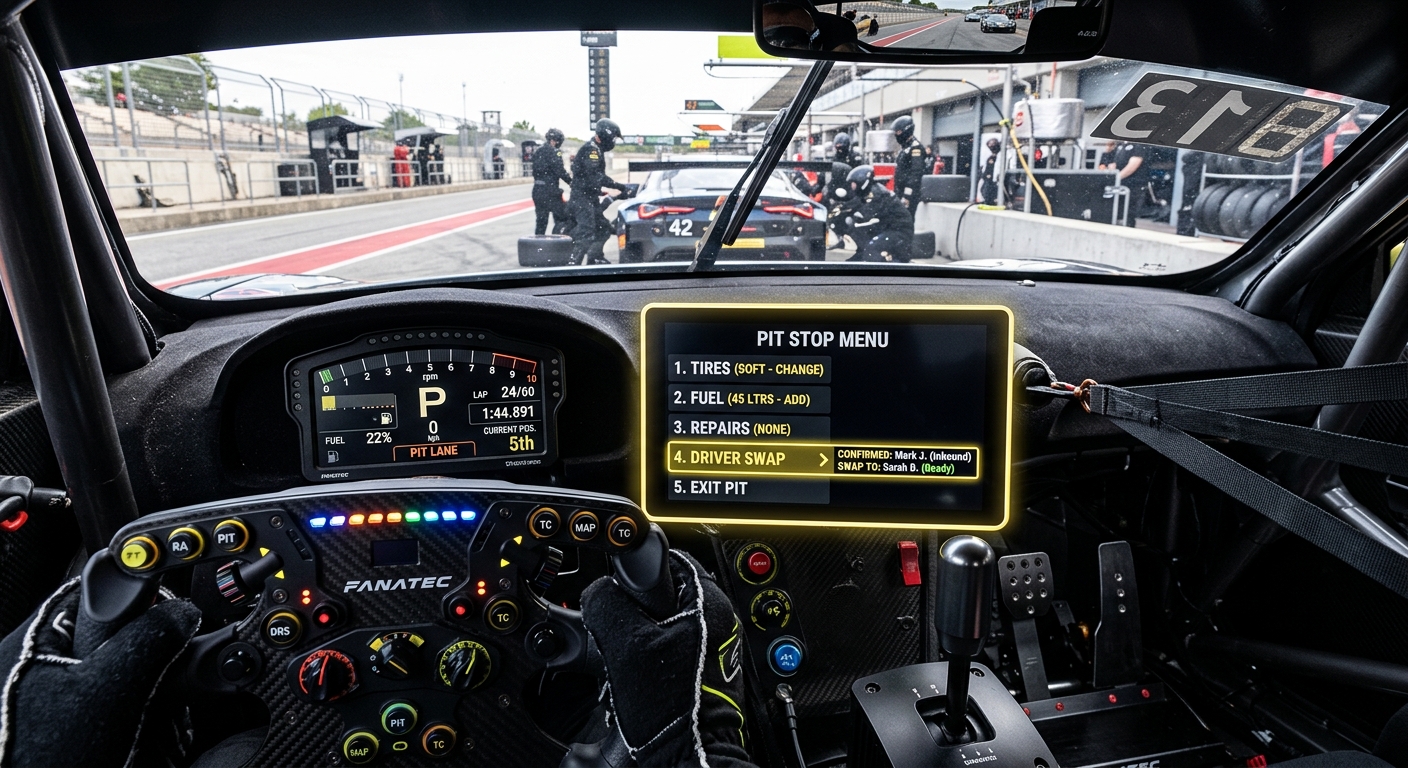
No, the incoming driver must manually take over the car through the UI while it is stopped in the pits.
How does race control manage hundreds of incidents?
Stewards use automated flagging systems and digital report forms to prioritize and review major racing incidents.
Is a spotter required for endurance sim racing?
While not always mandatory, spotters are crucial for managing traffic, pit strategy, and communication during long races.
How Do 24-Hour Sim Races Actually Work? A Guide to Team Endurance Logistics
how-do-24-hour-sim-races-work-endurance-guide

Explore the complex world of 24-hour sim racing. This guide covers driver swap mechanics, stint limit regulations, and how race control maintains integrity during endurance events.
The Virtual Driver Swap: How Handovers Work
The core of any endurance race is the driver swap. In platforms like iRacing and Assetto Corsa Competizione, this is a synchronized digital handover. When the active driver enters the pit lane and stops in their designated box, the car becomes available for a teammate to take over. The incoming driver must already be connected to the server. Once the car is stationary, they use the simulation interface to jump into the seat. Communication is vital here; teams often use external voice software to countdown the pit entry, ensuring the next driver is focused and ready to take the wheel without losing a single second.
Stint Limits and Drive Time: Staying Within the Rules
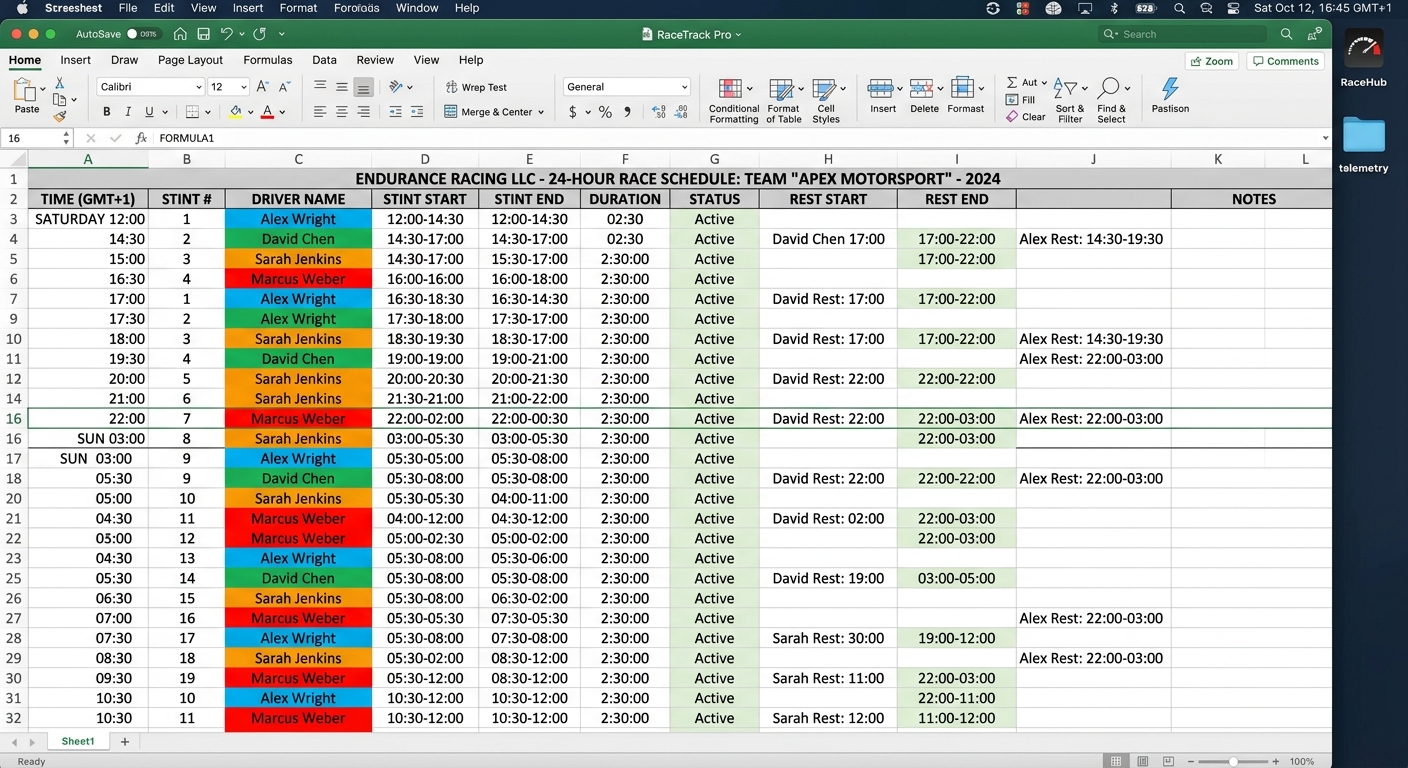
To maintain competitive integrity and driver safety, endurance races are governed by strict drive-time regulations. These rules prevent a single driver from completing too much of the race alone, which would lead to fatigue-related incidents. Most events specify a maximum stint length and a minimum total drive time for every member of the team roster. Violating these limits often results in heavy time penalties or immediate disqualification. Managing these rotations requires a dedicated strategist or team manager who tracks every lap and pit stop to ensure the team stays within the legal windows defined by the league organizers.
Race Control and Stewarding Across 24 Hours
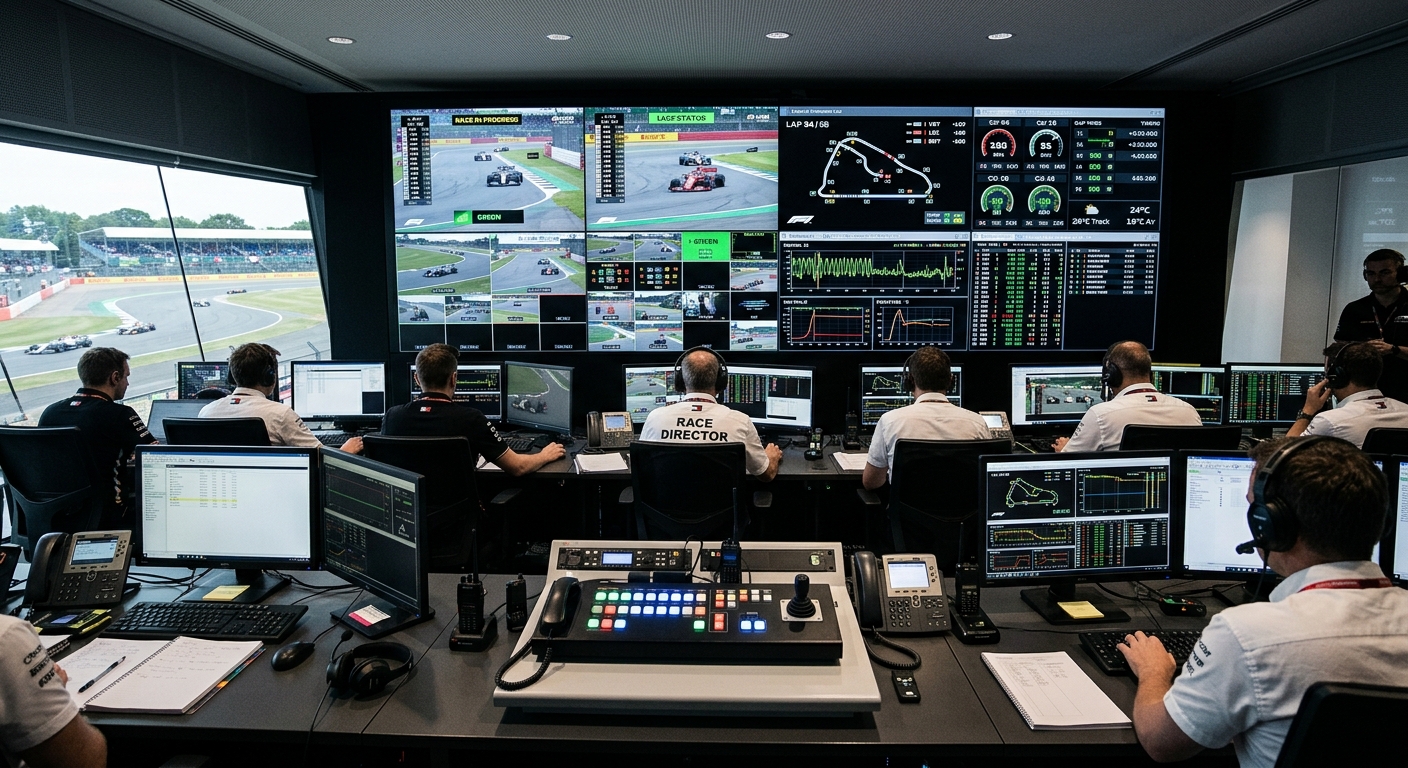
Operating a 24-hour race is a monumental task for stewards. Race control must monitor the field for track limit abuses, blue flag compliance, and racing incidents throughout the entire duration. Because human stewards cannot watch every car for 24 hours straight, many leagues now utilize AI-assisted stewarding tools and digital protest systems. This allows teams to submit specific incidents for review during the race. Professional platforms like FairGrid help automate this process, allowing stewards to review flagged incidents efficiently and issue penalties in real-time, ensuring that the final result is dictated by skill rather than avoided regulations.
Master Your Endurance League Operations
Managing a 24-hour race is complex. FairGrid provides the automated tools you need to track driver entries, monitor stint limits, and handle protests with ease. Elevate your league's competitive integrity today.