FAQ
Can I appeal a penalty if my wheel disconnected?
Yes, but most leagues still hold the driver responsible for the incident. The penalty might be mitigated, but rarely fully removed.
What is a Technical DNF?
A Technical DNF is a classification for a driver who retires due to hardware or software failure rather than an accident.
How do I prove my pedals failed during a race?
Submit telemetry logs showing erratic or frozen inputs alongside your protest to provide objective proof to the stewards.
Are there standard rules for hardware failures in sim racing?
There is no universal standard, but most top-tier leagues include hardware responsibility clauses in their sporting codes.
How does FairGrid assist with hardware failure claims?
FairGrid’s tools allow stewards to track incident history, identifying if a driver has a recurring pattern of 'hardware failure' excuses.
My Pedals Snapped: Is Hardware Failure a Valid Defense in Sim Racing Protests?
sim-racing-hardware-failure-rules-stewarding
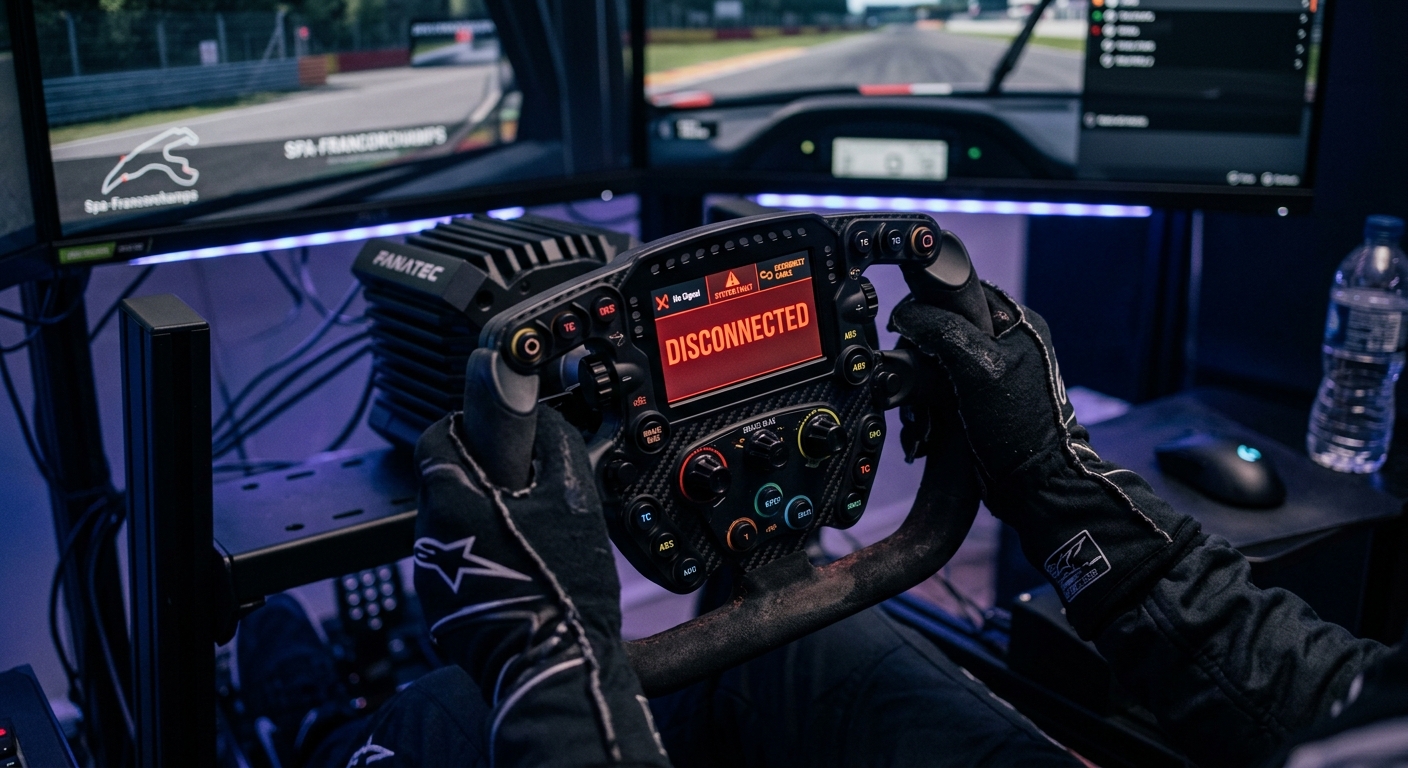
Discover how sim racing stewards handle hardware failures like snapped load cell rods and wheel disconnects while maintaining competitive integrity and league fairness.
The 'Act of God' Dilemma: Defining Technical Incidents
A technical incident occurs when a driver loses control of their vehicle due to an external hardware or software failure rather than a lack of skill or judgment. In real-world motorsport, a mechanical failure like a snapped suspension component is rarely penalized unless it's caused by a technical regulation breach. In the virtual world, defining the difference between a genuine hardware snap and a driver simply missing a braking point is the first challenge for any race control analyst. Clear definitions help stewards determine if an incident deserves a penalty or a 'Technical DNF' classification.
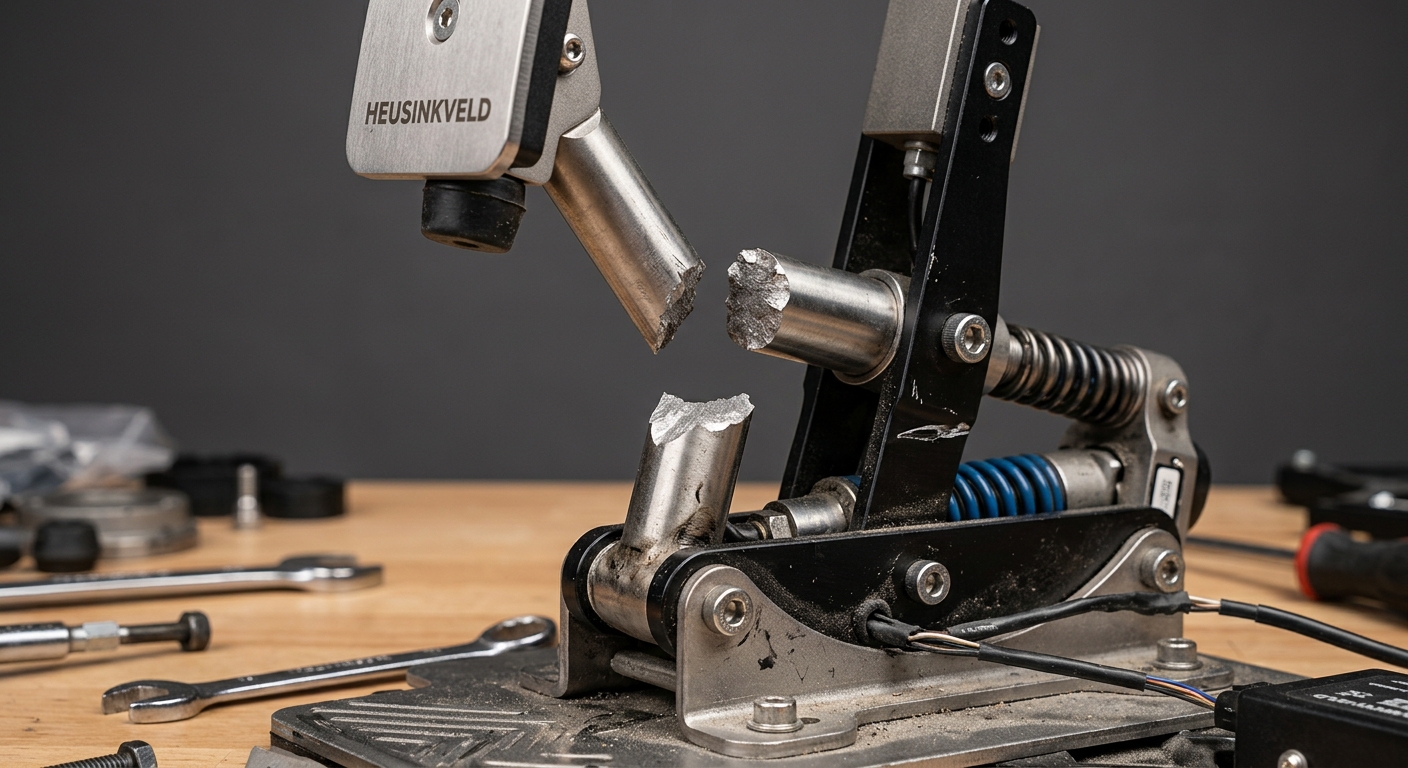
Why Stewards Usually Hold the Driver Accountable for Equipment
Most professional sim racing leagues operate on a 'driver responsibility' model. This principle dictates that a driver is responsible for the maintenance and reliability of their own 'car,' which includes their PC, internet connection, and peripherals. If a driver’s throttle sticks or their wheel base loses power, they have still caused an incident that negatively impacts others. Stewards often uphold penalties in these cases to discourage drivers from using unreliable gear and to ensure that innocent victims of the crash are not left without recourse.

Telemetry vs. Testimony: How to Prove a Hardware Failure
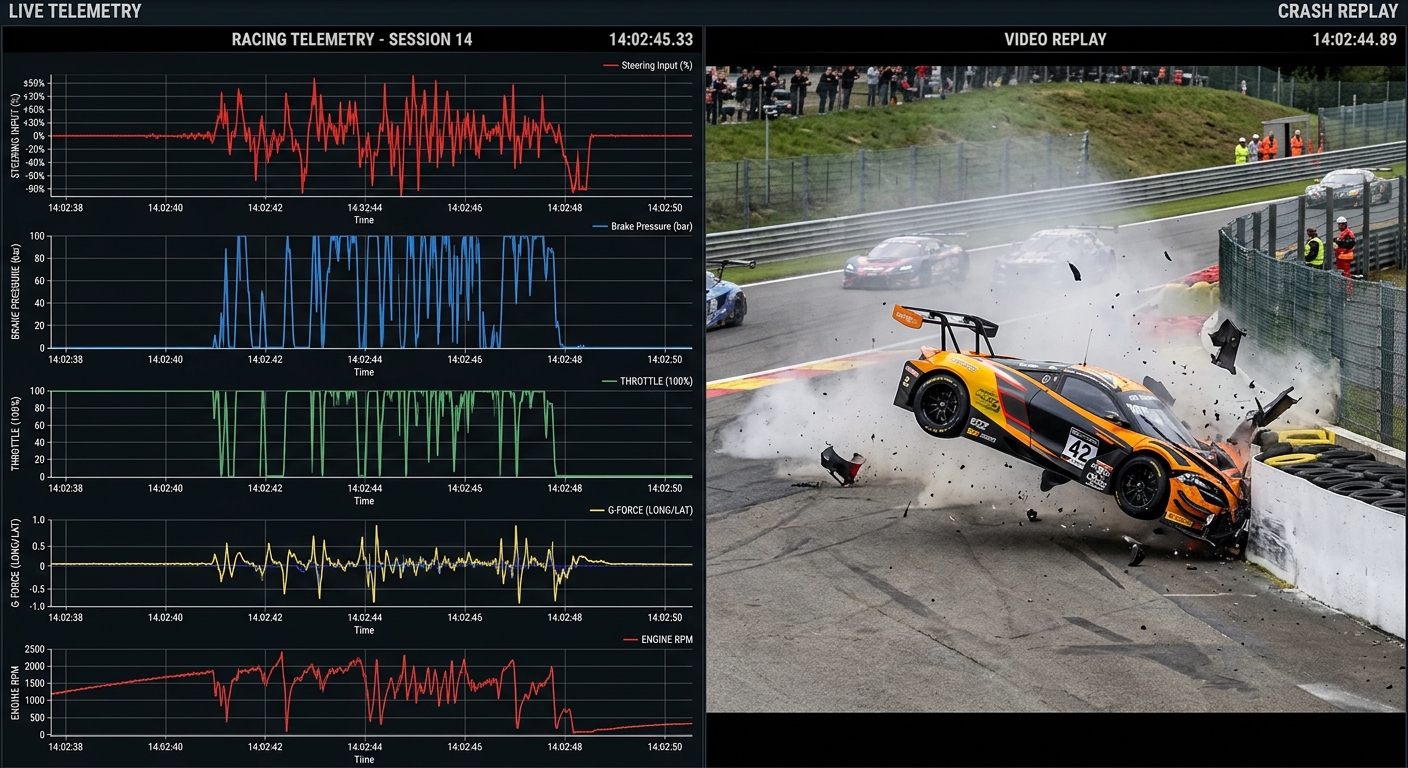
Proving a hardware failure in a protest requires more than just a driver's word. Telemetry is the ultimate evidence; a sudden drop to zero input or a 'stuck' 100% signal in the data logs can substantiate a claim of mechanical failure. Video evidence showing a driver’s frantic steering inputs that do not correlate with the car's movement on track can also serve as proof. Without objective data, stewards must prioritize the safety of the grid, often leading to a penalty regardless of the driver's claims of equipment malfunction.
Standardize Your League’s Integrity with FairGrid
Don't let hardware disputes create inconsistency in your championship. Use FairGrid’s advanced stewarding platform to track protests, analyze incidents, and manage penalties with professional-grade tools. Join FairGrid today to elevate your race control.