FAQ
Why do certain corners cause more accidents than others?
Tight radii and heavy braking zones cause cars to bunch up, reducing the margin for error and increasing driver anxiety.
How can stewards reduce first-lap incidents?
Implement strict first-lap protocols in briefings or apply harsher penalties for avoidable contact during the opening lap of the race.
What is the impact of hairpins on safety ratings?
They are statistically the highest areas for incident points, often penalizing drivers who are caught in someone else's mistake due to track density.
Should stewards be more lenient in panic zones?
No, consistency is key. Leniency often encourages more aggressive, high-risk maneuvers in future races, further degrading safety standards.
How does technology help manage high-risk corners?
Digital platforms provide a structured environment to process large volumes of incident reports quickly, ensuring fair and consistent outcomes.
Panic at the Hairpin: A Steward’s Guide to Managing Sim Racing’s Most Chaotic Corners
panic-at-the-hairpin-sim-racing-stewarding-guide
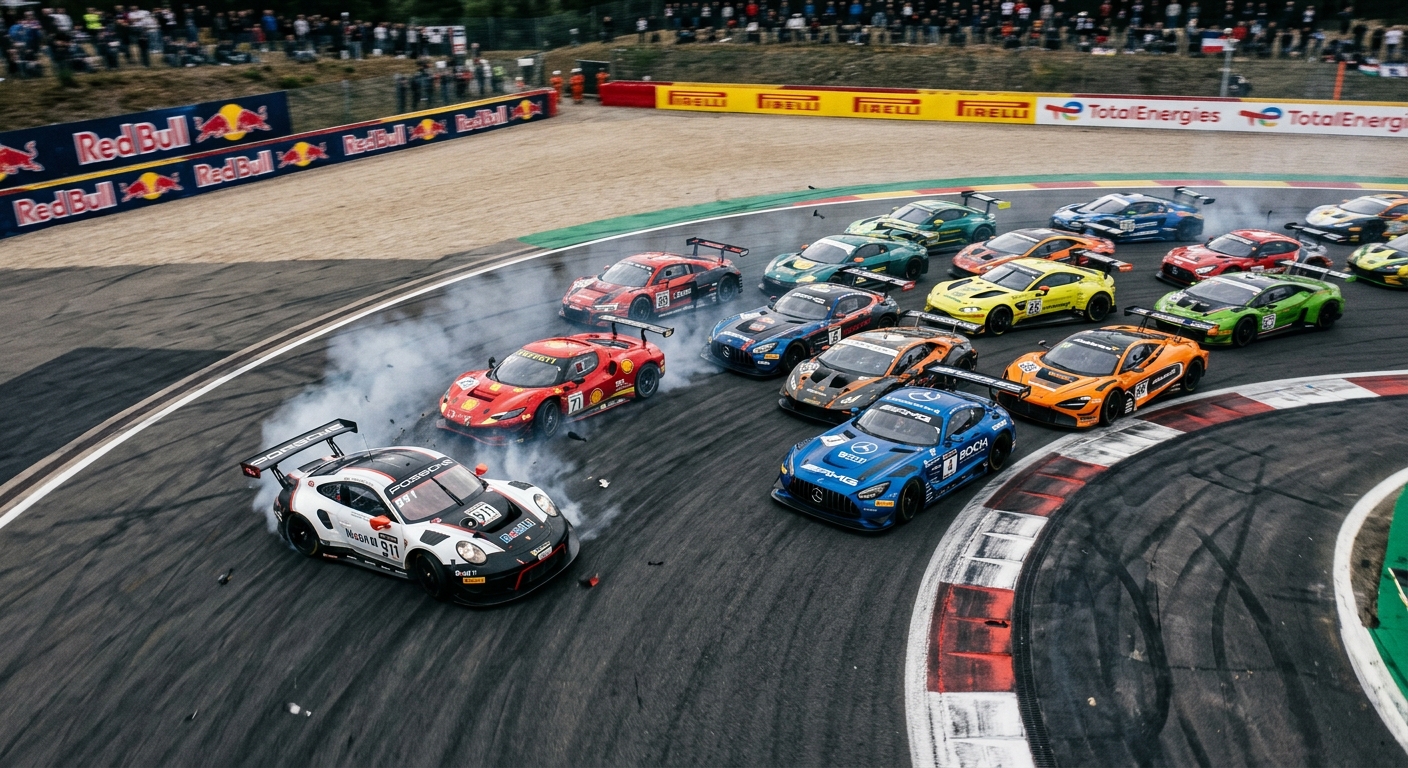
Learn how race control can effectively manage high-density incident zones like hairpins to protect safety ratings and maintain competitive integrity in sim racing leagues.
The Anatomy of a Panic Zone: Why Certain Corners Kill Safety Ratings
High-incident corners, often called panic zones, are the primary drivers of safety rating degradation. Locations like the East Hairpin or tight chicanes create physical bottlenecks where the margin for error disappears. In these sectors, drivers often experience a psychological shift, prioritizing aggressive positioning over long-term race strategy. This density makes it difficult for traditional stewarding to keep up, as a single mistake can trigger a chain reaction involving half the field. Identifying these zones before the race begins is the first step in maintaining competitive integrity and protecting driver ratings from avoidable chaos.
Pre-Race Briefings: Setting Expectations for High-Risk Sectors
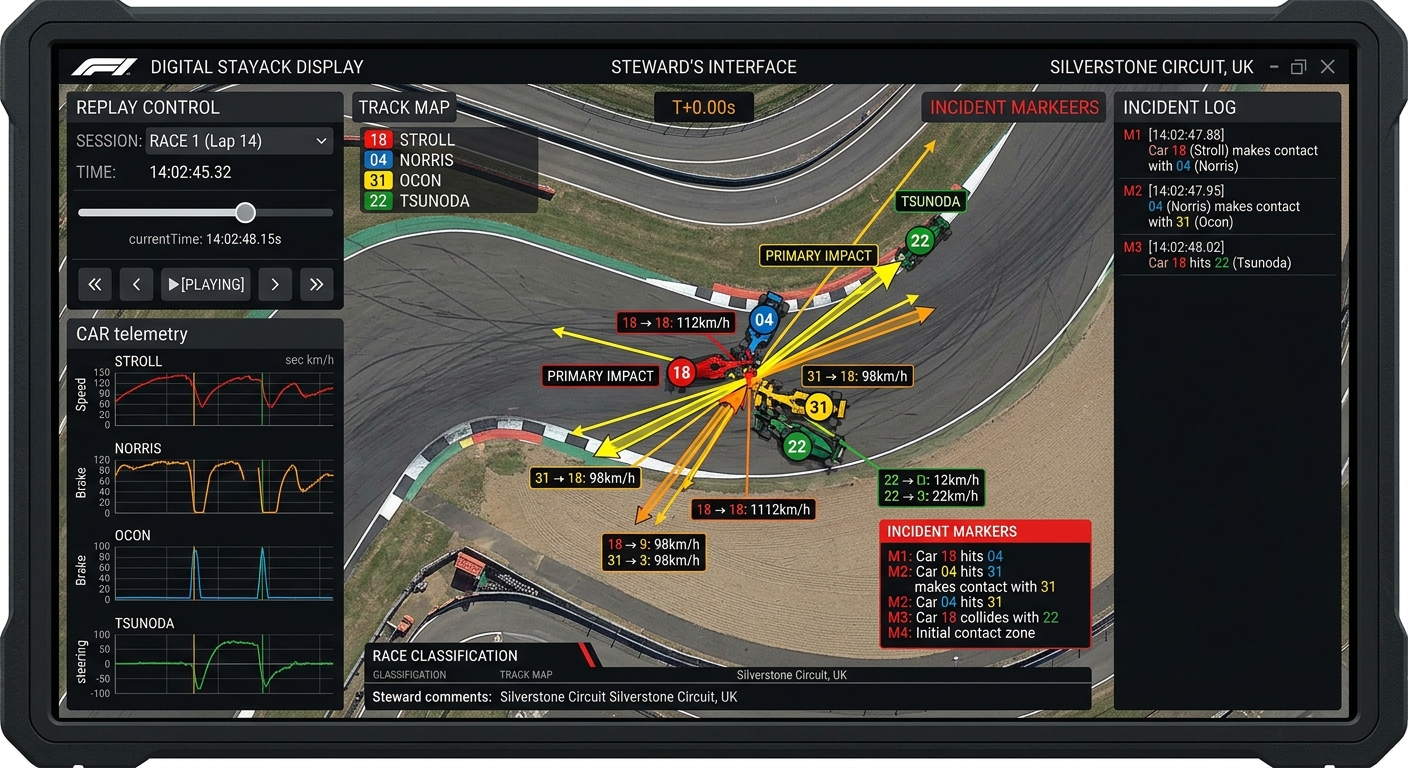
Effective race control starts before the cars even reach the grid. League organizers should use pre-race briefings to set explicit expectations for high-risk zones. By defining first-lap protocols, such as stricter penalties for contact in specific hairpins, you provide drivers with a clear mental map of where to exercise caution. Differentiating between a racing incident and a panic-driven dive-bomb becomes easier when the rules of engagement are clearly communicated. These briefings act as a preventative measure, reducing the sheer volume of work for the stewarding team during and after the event.
The Steward’s Dilemma: Consistency in High-Density Traffic
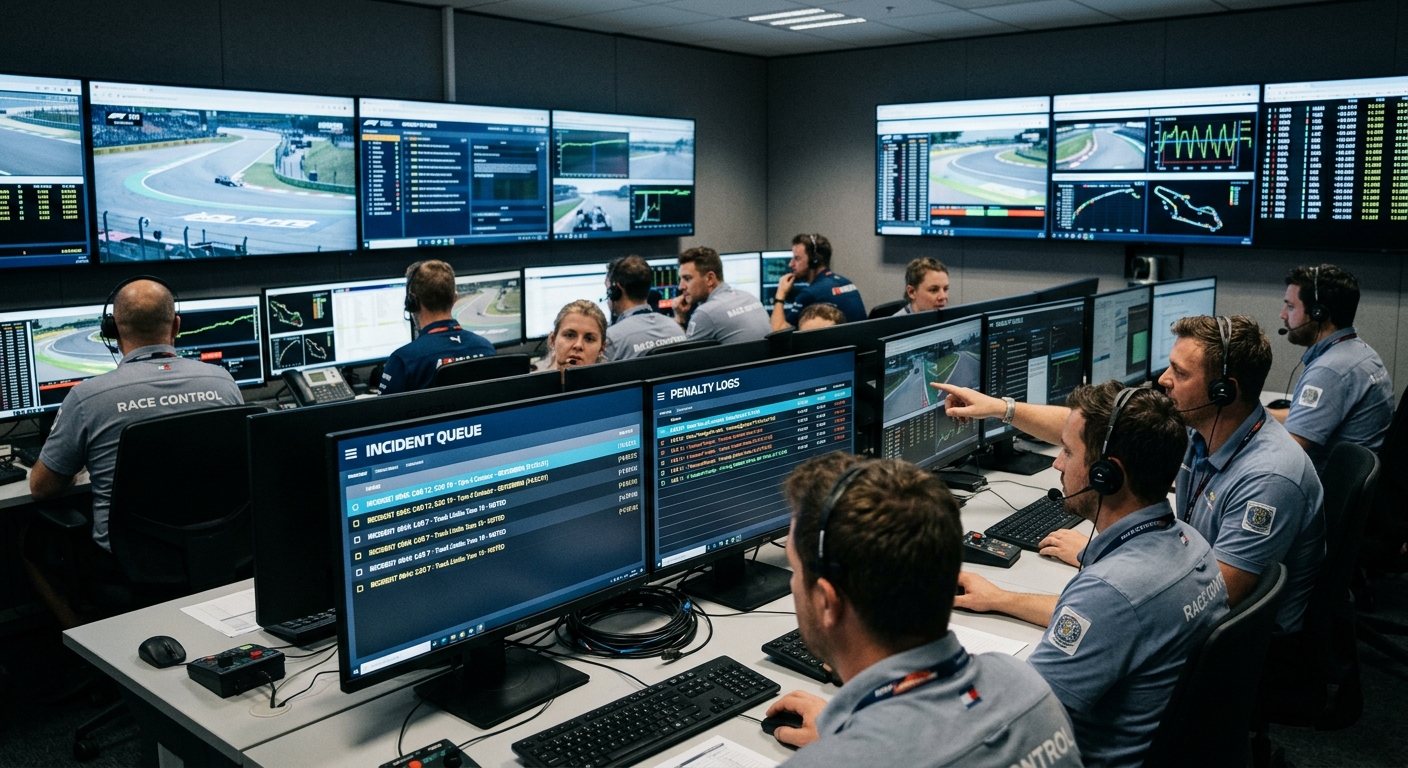
When the field bunches up, stewards face the difficult task of untangling a web of contact. Analyzing whether a collision was an unavoidable result of track density or a specific driver's failure to brake requires precision. Utilizing technology to manage this volume is essential for consistency. Automated tools can help categorize incidents, allowing stewards to focus their expertise on high-impact reviews rather than being overwhelmed by a flood of minor protests. This structured approach ensures that penalties remain fair and that the league's reputation for competitive integrity remains intact even after the most chaotic races.

Streamline Your Race Control with FairGrid
Maintain competitive integrity and manage high-incident volumes with ease. Discover how FairGrid helps league organizers focus on the racing while we handle the stewarding workflow.