FAQ
What is the difference between a racing incident and a technical failure?
A racing incident is a collision caused by human error or competitive proximity, while a technical failure involves the physics engine or mod behaving unpredictably, such as a car flying into the air upon braking.
Should drivers be compensated for a physics-induced DNF?
Many professional leagues offer compensation, such as average points or a dropped round, if the incident is verified by stewards as a non-driver-induced physics glitch.
How can stewards identify a physics glitch in Assetto Corsa?
Stewards should look for unnatural car movement, suspension clipping, or sudden spikes in telemetry that do not align with the driver's inputs.
What is mid-air braking instability?
It is a common physics quirk where applying brakes while the car is airborne or light over a crest causes an unrealistic loss of control or a violent spin upon landing.
How does FairGrid help with these incidents?
FairGrid provides a structured platform for logging protests, reviewing evidence, and maintaining transparent records of all stewarding decisions, including technical exceptions.
Race Control or Physics Glitch? A Steward’s Guide to Unconventional Incidents
race-control-vs-physics-glitch-steward-guide
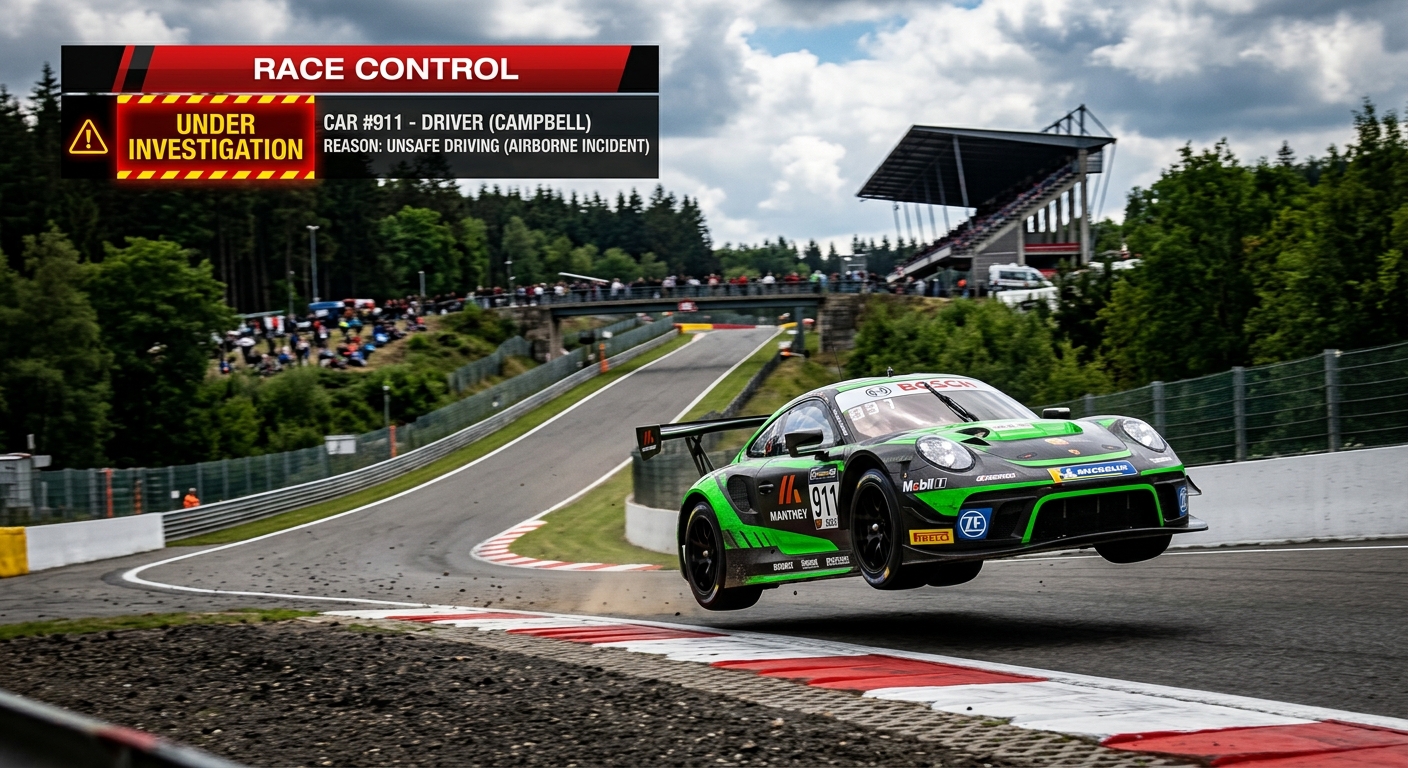
Learn how sim racing stewards can distinguish between driver error and physics-induced incidents like mid-air braking instabilities to maintain league integrity and fairness.
The Anatomy of a Sim Racing Incident: Identifying Technical Failure
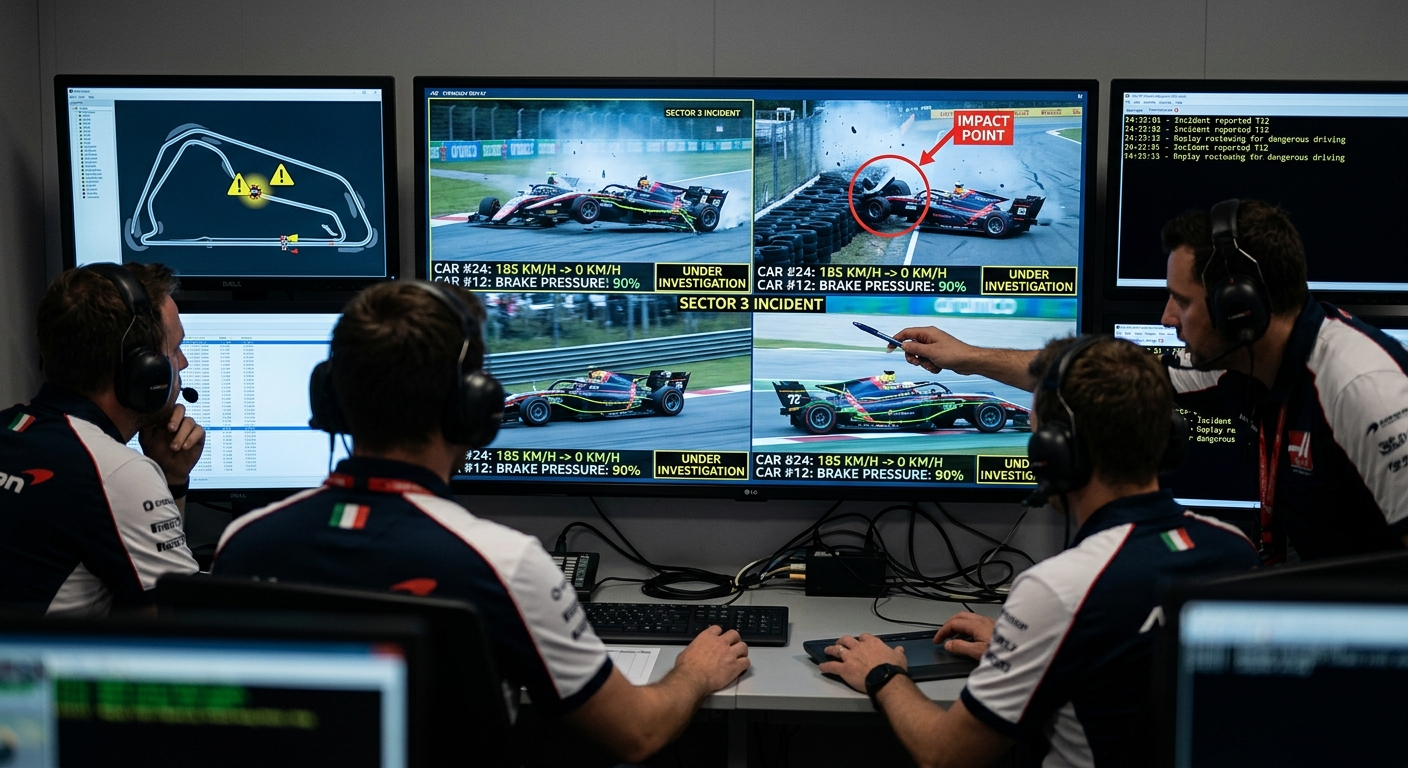
A standard racing incident usually involves two or more drivers making contact due to misjudgment or aggressive positioning. However, physics-induced incidents are different. These occur when the simulation engine reacts to inputs in a way that defies real-world logic or exceeds the intended parameters of a mod. To identify these, stewards must look for specific triggers like mid-air braking instabilities or 'magnet' effects between car models. By analyzing telemetry and multi-angle replays, race control can determine if a car's behavior was a result of a known game-ism rather than driver negligence. Recognizing these patterns early allows stewards to dismiss unfair penalty points and maintain a high standard of officiating.
Drafting Fair League Rules for Technical DNFs
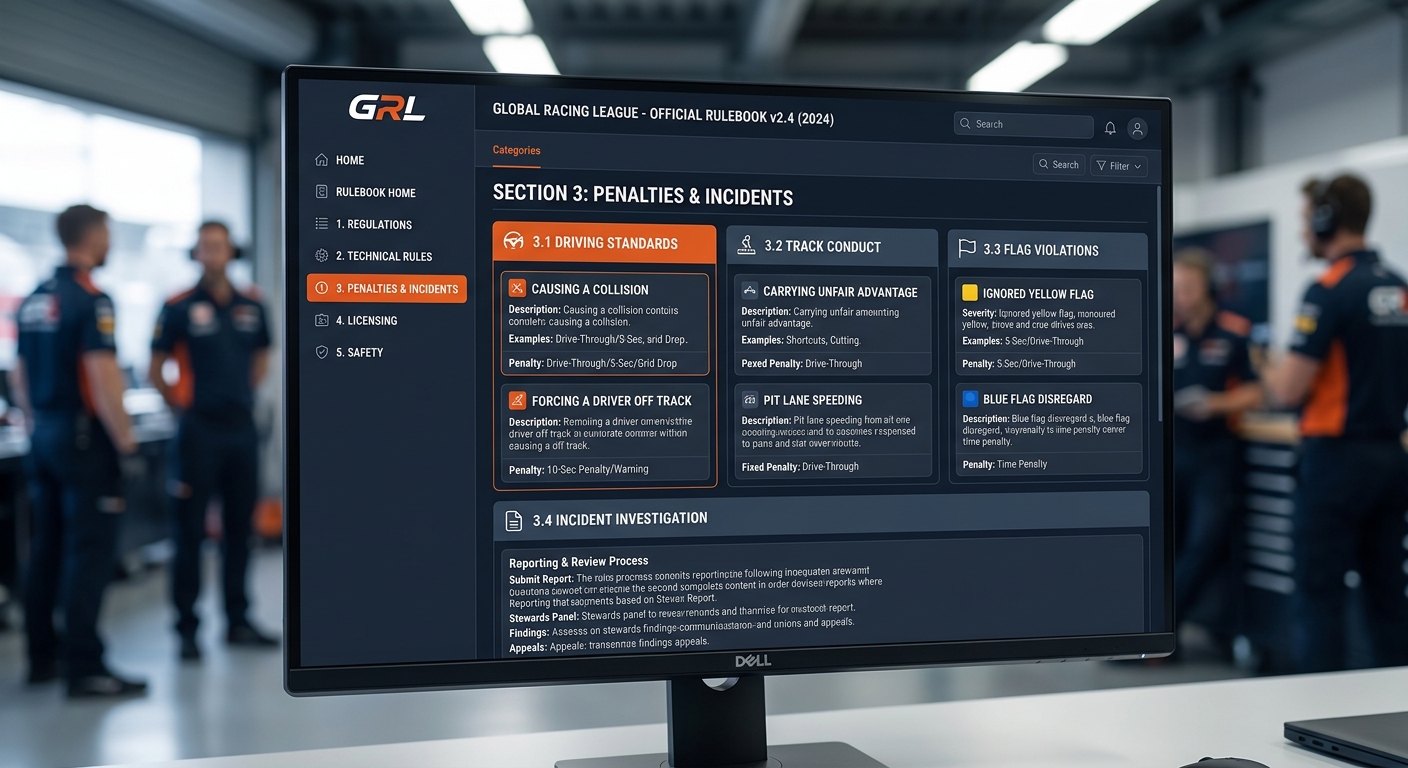
Consistency is the backbone of any professional sim racing league. Your rulebook should explicitly address how the league handles physics glitches and technical DNFs. Best practices include defining a compensation threshold, such as offering points adjustments or dropped scores if a crash is verified as a physics bug. However, organizers must be careful not to create loopholes where drivers blame 'glitches' for their own mistakes. Criteria for compensation should require clear video evidence of the car behaving outside of normal physics bounds. FairGrid's management tools can help track these incidents over a season, ensuring that technical exceptions are documented transparently and applied consistently across the entire grid.
Managing Protests for Physics-Related Crashes
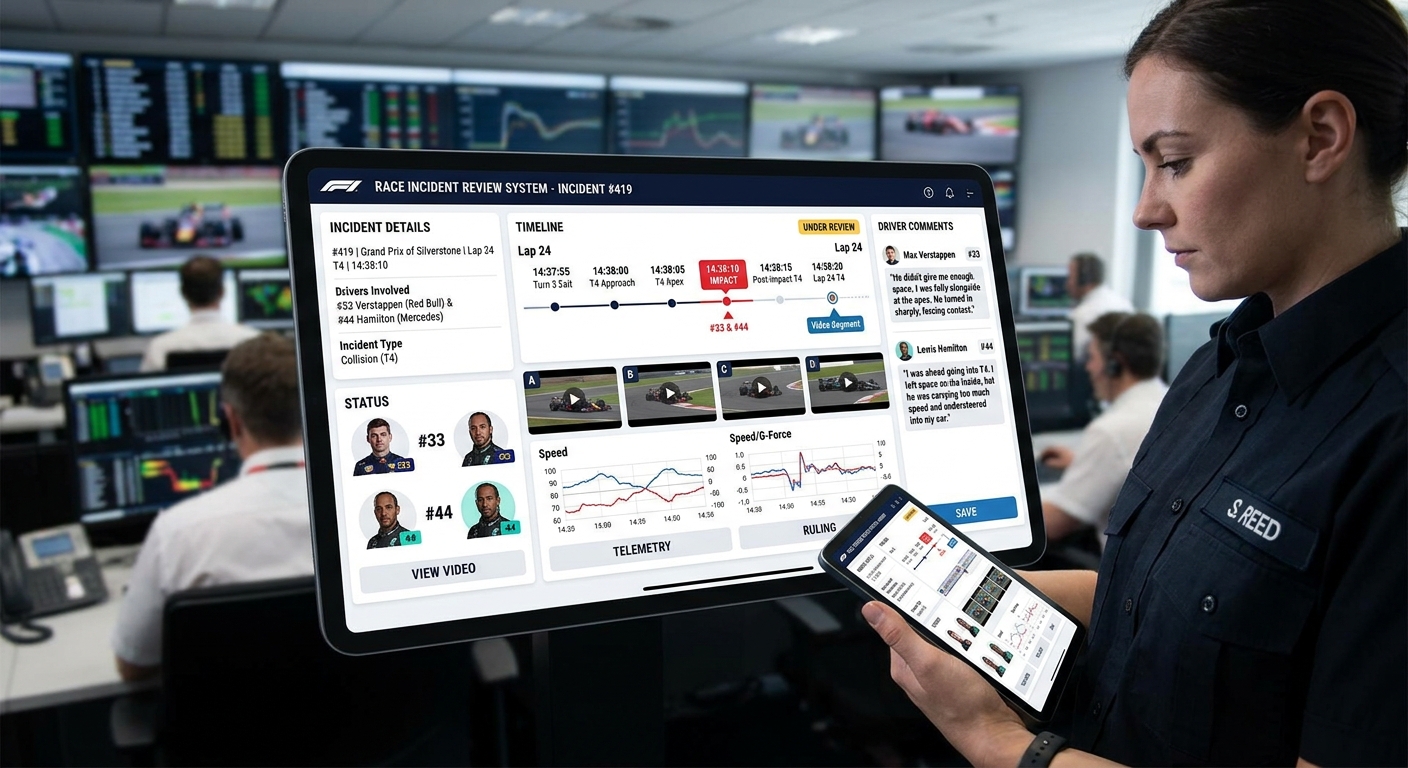
When a driver loses a podium finish to a physics quirk, emotions run high. A structured protest system is vital to handle these situations professionally. Stewards should encourage drivers to submit detailed reports highlighting why they believe the incident was physics-induced. During the review, analysts should check if the incident is a known issue with the specific track or mod being used. Utilizing a centralized platform like FairGrid allows for a streamlined review process where stewards can collaborate on decisions and maintain a public log of precedents. This transparency discourages frivolous protests while ensuring that genuine technical victims receive a fair hearing, ultimately preserving the longevity of the league.
Elevate Your League's Stewarding Standards
Tired of manual spreadsheets and chaotic Discord protests? Use FairGrid to streamline your race control, manage complex incidents, and provide your drivers with the professional stewarding experience they deserve.