FAQ
What is the difference between a racing incident and intentional wrecking?
A racing incident is an unintentional error made during competition, such as a lock-up. Intentional wrecking is a deliberate move made with the goal of causing a collision.
Is a permanent ban ever too harsh for a first-time offender?
Usually, yes. Permanent bans are typically reserved for extreme cases of malice or repeated violations of sportsmanship. Most leagues prefer a tiered penalty system for first-time errors.
What evidence is needed to file a successful protest?
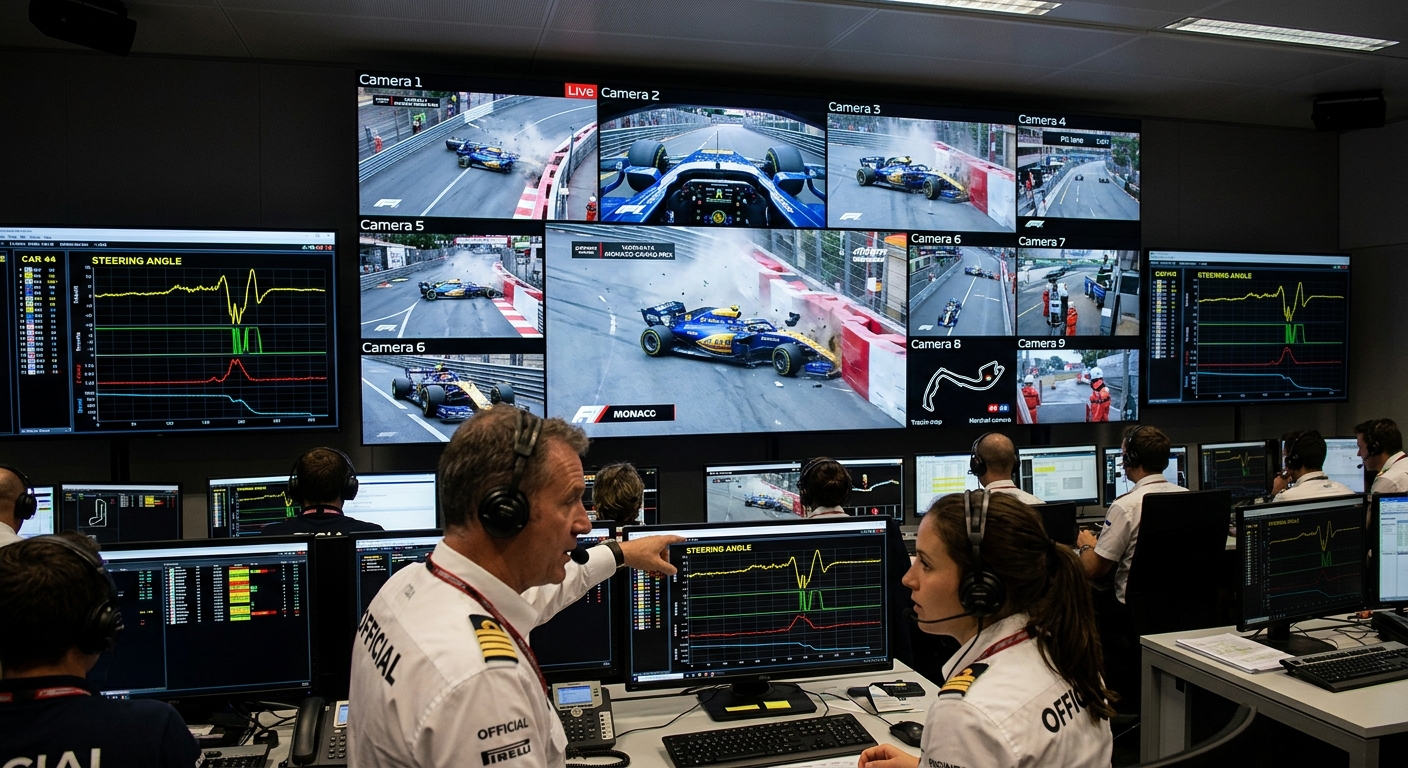
Effective protests require clear video evidence from multiple angles, including the chase cam and onboard views, and ideally telemetry showing driver inputs like steering and braking.
How do poor racing standards affect league retention?
Unchecked aggression and lack of stewarding lead to burnout, causing high-quality drivers to leave the league in search of cleaner competition.
Can a driver appeal a permanent ban?
Most professional leagues have an appeals process where a separate panel of stewards reviews the evidence to ensure the original decision was fair and unbiased.
The 'Forever Ban' Debate: When is Sim Racing Intentional Wrecking Beyond Redemption?
forever-ban-debate-sim-racing-intentional-wrecking
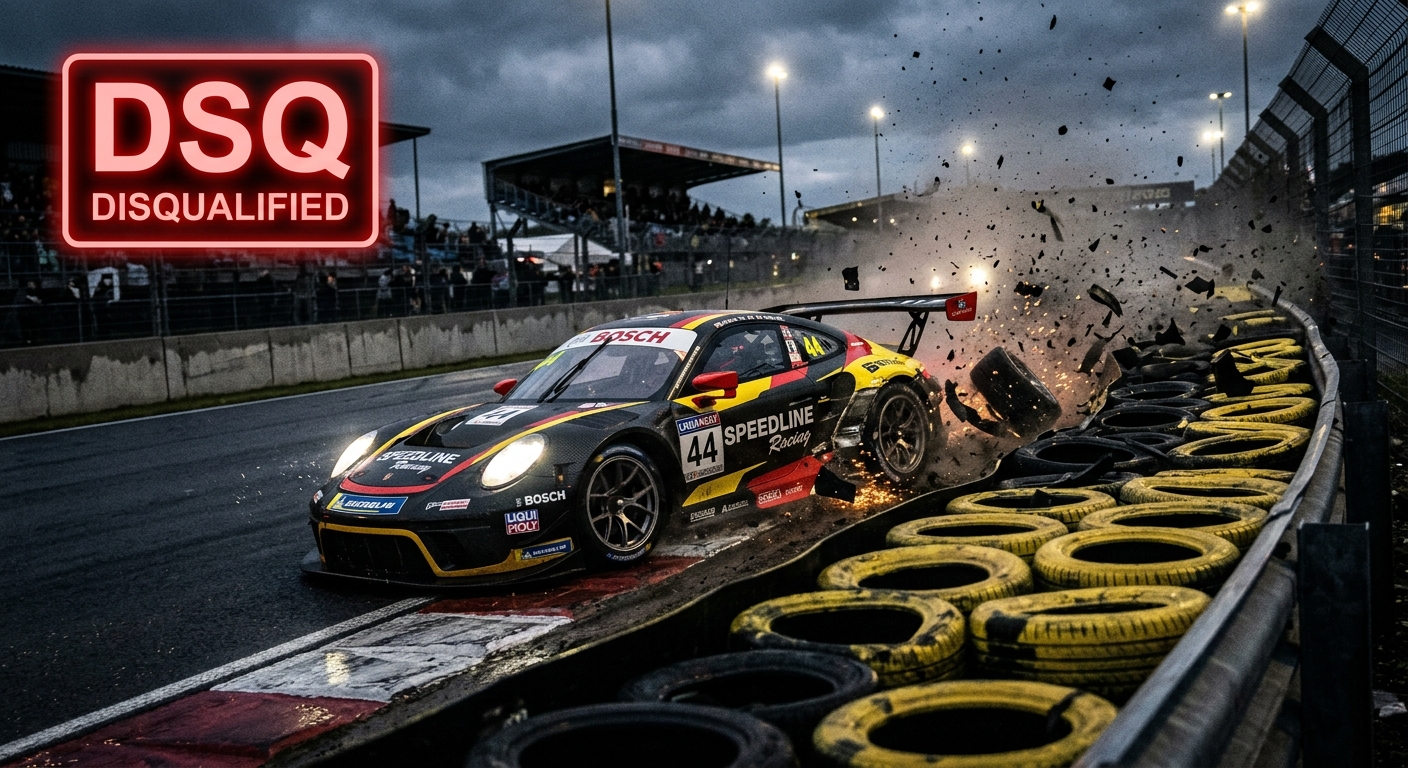
Exploring the controversy around permanent bans in sim racing. Learn how stewards distinguish between racing incidents and malicious wrecking to maintain competitive integrity.
The Psychology of the T1 Torpedo and Why It Kills the Hobby
The T1 Torpedo is a phenomenon where a driver enters the first corner with zero intention of braking, using the pack as a buffer to make up positions. For the victims, hours of practice are erased in seconds. This creates a psychological toll that leads to player burnout. When racing standards are low and incidents go unpunished, competitive drivers seek other platforms. Maintaining a healthy grid requires addressing these incidents not just as mistakes, but as direct threats to the longevity of the racing community.
Intentional vs. Negligent: How Stewards Define Malicious Driving
Defining intent is the most difficult task for any steward. Negligent driving typically involves missing a braking point, losing control, or an optimistic overtake. In contrast, intentional wrecking involves a deliberate act to take another car out, often as retaliation. Stewards rely on video evidence from multiple angles and cockpit inputs. If a driver remains full-throttle during a collision or steers sharply into an opponent after a previous incident, the case for a permanent ban becomes much clearer. Evidence-based reviews are the only way to protect competitive integrity.
The Escalation Ladder: Why a Permanent Ban is the Nuclear Option
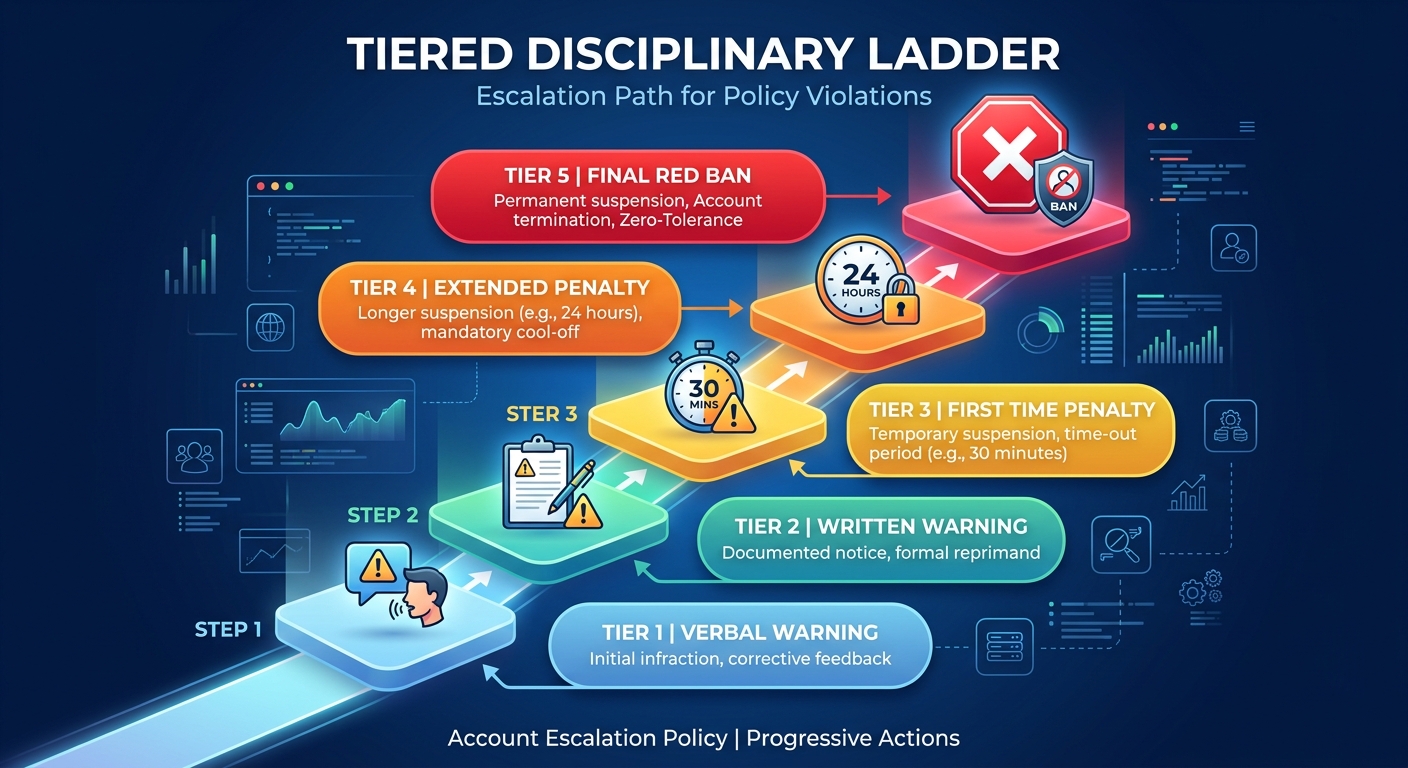
A fair sim racing protest system should follow a graduated scale to ensure fairness. It typically starts with warnings for minor infractions, moving to time penalties and license point deductions. Serious or repeat offenses warrant race bans or season-long disqualifications. The permanent ban is the ultimate disciplinary tool, reserved for drivers who show a pattern of griefing or commit an undeniable act of extreme malice. By following an escalation ladder, leagues can rehabilitate drivers who want to learn while removing those who refuse to respect the rules of the track.

Maintain Competitive Integrity with FairGrid
Managing protests and tracking driver behavior doesn't have to be a manual headache. FairGrid provides a professional stewarding platform that helps leagues automate incident reviews and maintain the high standards your drivers deserve. Elevate your race control today.