FAQ
What is the difference between a racing incident and a penalty-worthy offense?
A racing incident is a collision where no single driver is primarily to blame, often occurring in tight, fair racing. A penalty is issued when one driver is found predominantly responsible for avoidable contact or failing to follow the sporting code.
How does improving my Safety Rating help my iRating?
A higher Safety Rating leads to fewer DNFs. Since finishing the race is the primary requirement for gaining iRating, better racecraft and incident avoidance lead to more consistent point gains over time.
What should I look for when analyzing my own replays?
Focus on your positioning relative to other cars. Look for instances where you could have been more predictable, whether you left enough room on the inside of corners, and how your inputs contributed to any loss of control.
How do stewards handle 'netcode' in competitive sim racing?
Stewards generally look at the 'intent' and the physical trajectory of the cars. If a collision was inevitable regardless of the lag, a penalty may still be applied. Drivers are expected to leave a margin for latency.
Can better stewarding standards make me a faster driver?
Yes. By understanding the rules of engagement, you become more confident in close-quarters racing. This confidence allows you to maintain speed during overtakes without the fear of a race-ending collision.
The 1800 iRating Wall: Why Mastering Stewarding is Faster Than Upgrading Your Hardware
1800-irating-wall-stewarding-vs-hardware
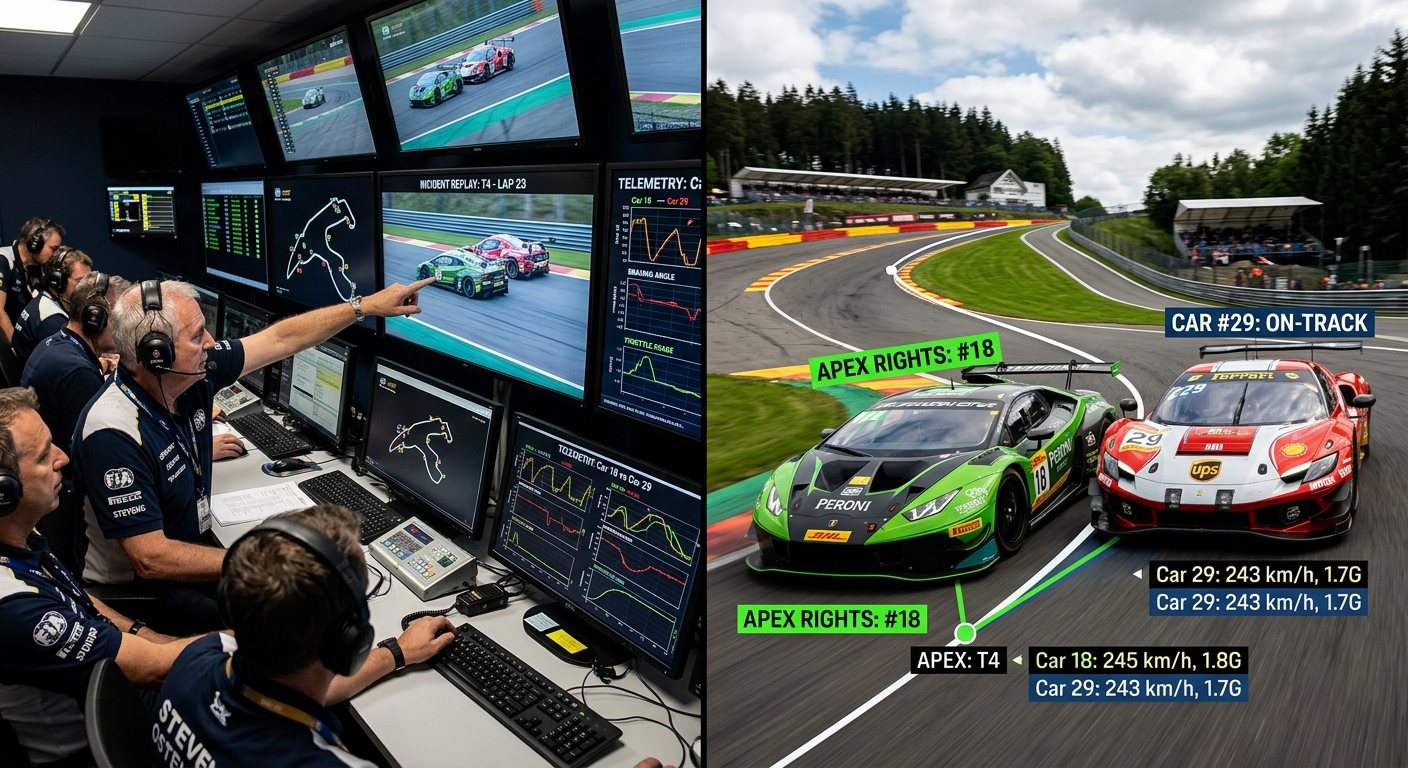
Discover why understanding racing etiquette and incident liability is the key to surpassing the 1800 iRating mark and achieving professional-level safety ratings effectively.
The Hidden Ceiling: Why Hardware Can't Fix Your Safety Rating
You can buy speed, but you cannot buy racecraft. A driver with a multi-thousand-dollar rig will still lose rating if they cannot identify the vortex of danger or understand when they have lost the right to a corner. The plateau at 1800 iRating is frequently the result of a 'zero-sum' cycle: gaining points in one race only to lose them in the next due to a preventable collision.Professional-level stewarding knowledge allows you to see the track differently. Instead of just looking for the racing line, you begin to see incident liability. Understanding the steward's perspective on 'avoidable contact' helps you decide when to push an overtake and when to concede, ensuring you finish the race and keep your safety rating intact. This integrity loop is what separates the mid-tier hobbyist from the top-split competitor.

Defining Avoidable Contact and Managing Netcode
In the mid-tier splits, the most common cause of DNFs is a lack of understanding regarding 'Apex Rights.' Many drivers believe that sticking a nose inside is enough to claim a corner, leading to frequent contact and frustration. From a steward's view, avoidable contact is often a shared responsibility, but the driver who fails to account for the other's position usually pays the price in rating points.There is also the factor of 'netcode.' While latency-induced contact is frustrating, a steward-minded driver learns to build a predictive buffer. By recognizing the limitations of online racing and analyzing how cars move under lag, you can avoid incidents before they happen. Improving your racecraft means learning to survive the mistakes of others, which is the fastest way to boost both your iRating and your reputation in the community.
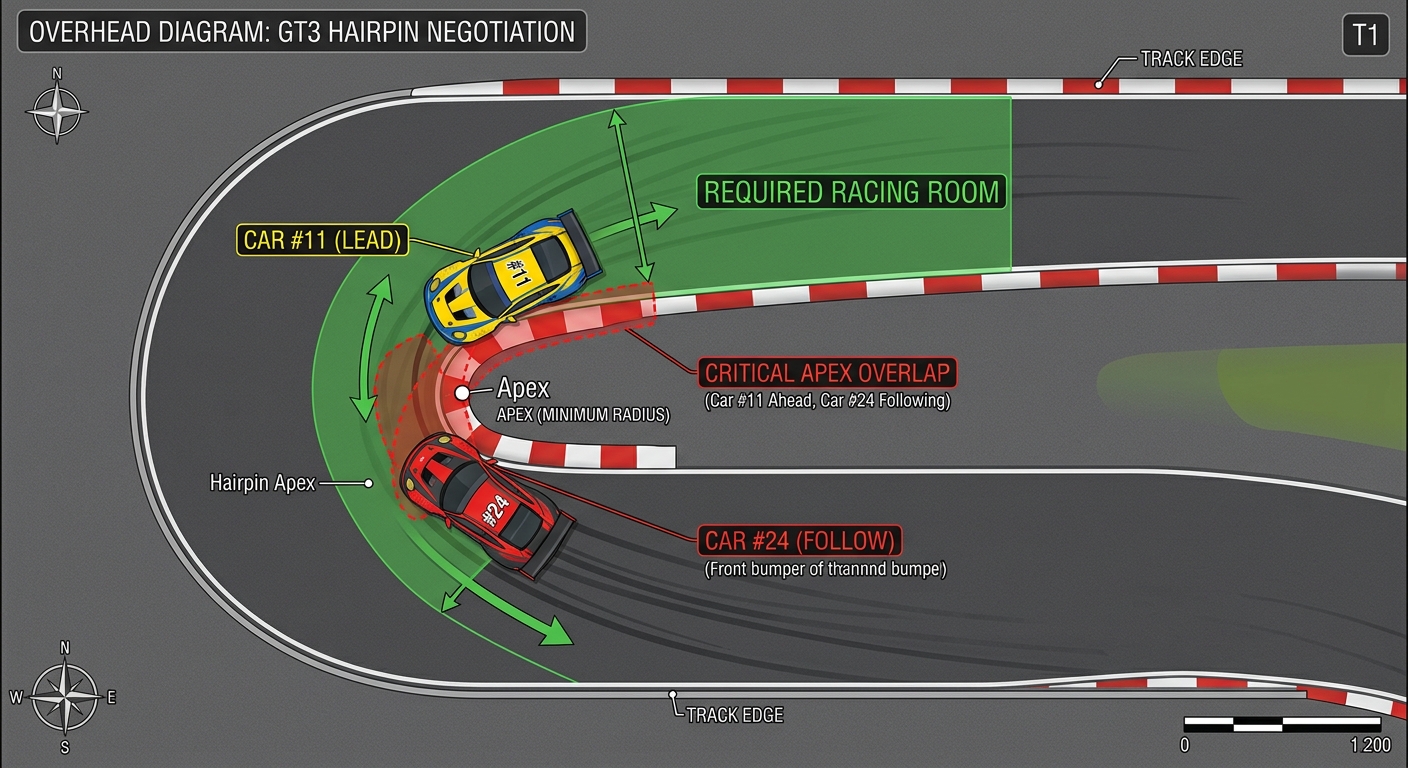
Self-Stewarding: Breaking the Plateau with Replay Analysis
The best drivers are their own harshest critics. To break your current plateau, you must transition from a driver to a steward of your own performance. This involves using replay analysis not just to find speed, but to analyze every incident and 'near miss' from an objective standpoint. Ask yourself: Did I leave a car's width? Did I move under braking? Was that gap ever truly there?For those involved in leagues, platforms like FairGrid are revolutionizing this process. By utilizing automated tools and AI-assisted stewarding, league administrators can provide clear, objective feedback to drivers. This transparency fosters a culture of competitive integrity, where drivers learn from their penalties rather than resenting them. When you stop blaming others and start understanding the rules of engagement, your rating will naturally follow your improved discipline.
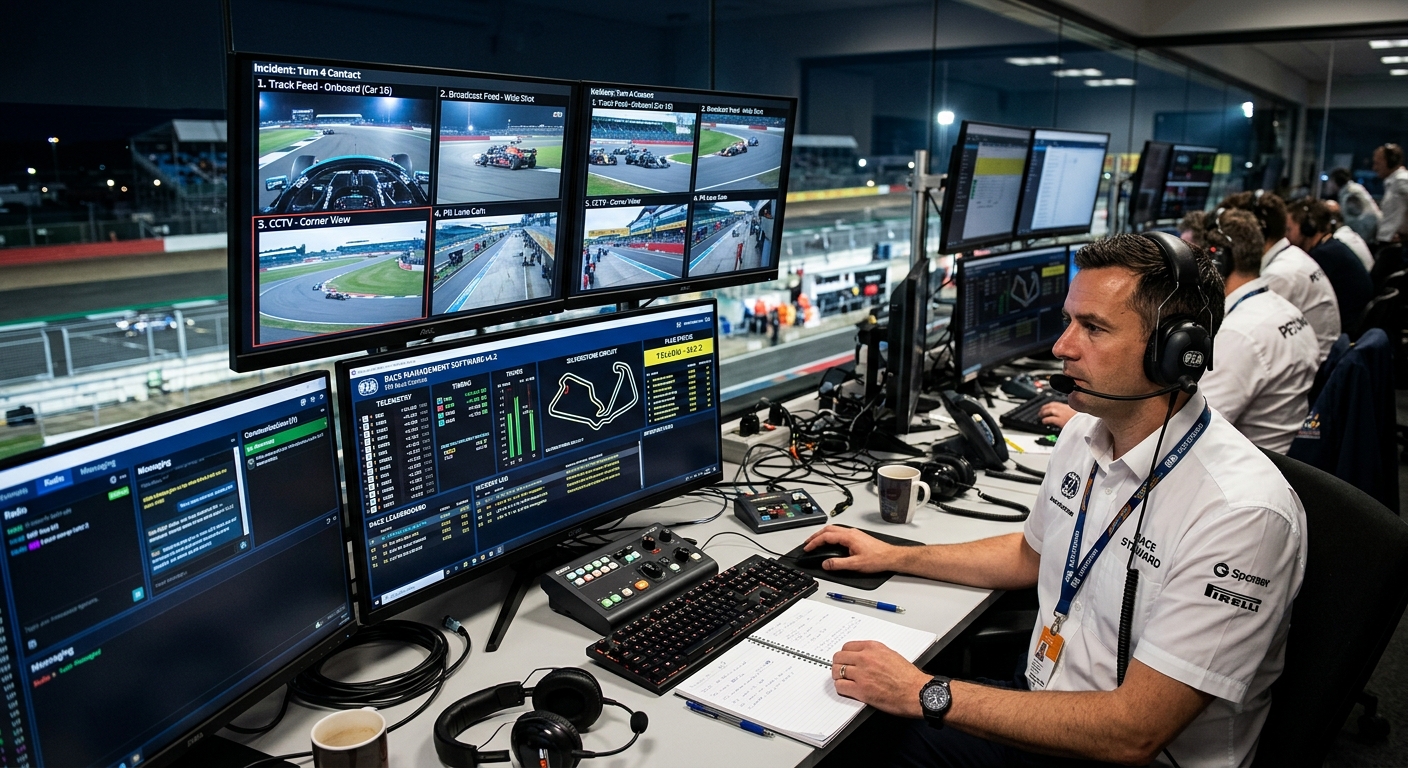
Elevate Your Racing Standards with FairGrid
Tired of inconsistent stewarding and messy grids? FairGrid provides league organizers and drivers with professional-grade race control and incident review tools. Foster competitive integrity and help your drivers break through their performance plateaus today.