FAQ
What is the difference between iRating and Safety Rating?
iRating measures your skill and speed relative to others, while Safety Rating measures your ability to complete races with minimal incidents.
Why do high-split races often have low standards?
High-stakes competition often encourages aggressive driving and ego-driven decisions, where speed is prioritized over mutual respect on track.
Can the iRacing protest system prevent all incidents?
The protest system is reactive and focuses on clear rule breaks; it often struggles to address subtle aggression or poor racecraft.
How does FairGrid improve racing standards?
FairGrid provides tools for human-led stewarding, allowing league managers to enforce specific codes of conduct that automated systems miss.
Why is racecraft different from raw speed?
Speed is about lap times, whereas racecraft is the ability to navigate traffic, defend fairly, and make safe overtaking maneuvers.
The Ego Problem: Why High-Split Sim Racing is Facing a Standards Crisis
high-split-sim-racing-standards-crisis
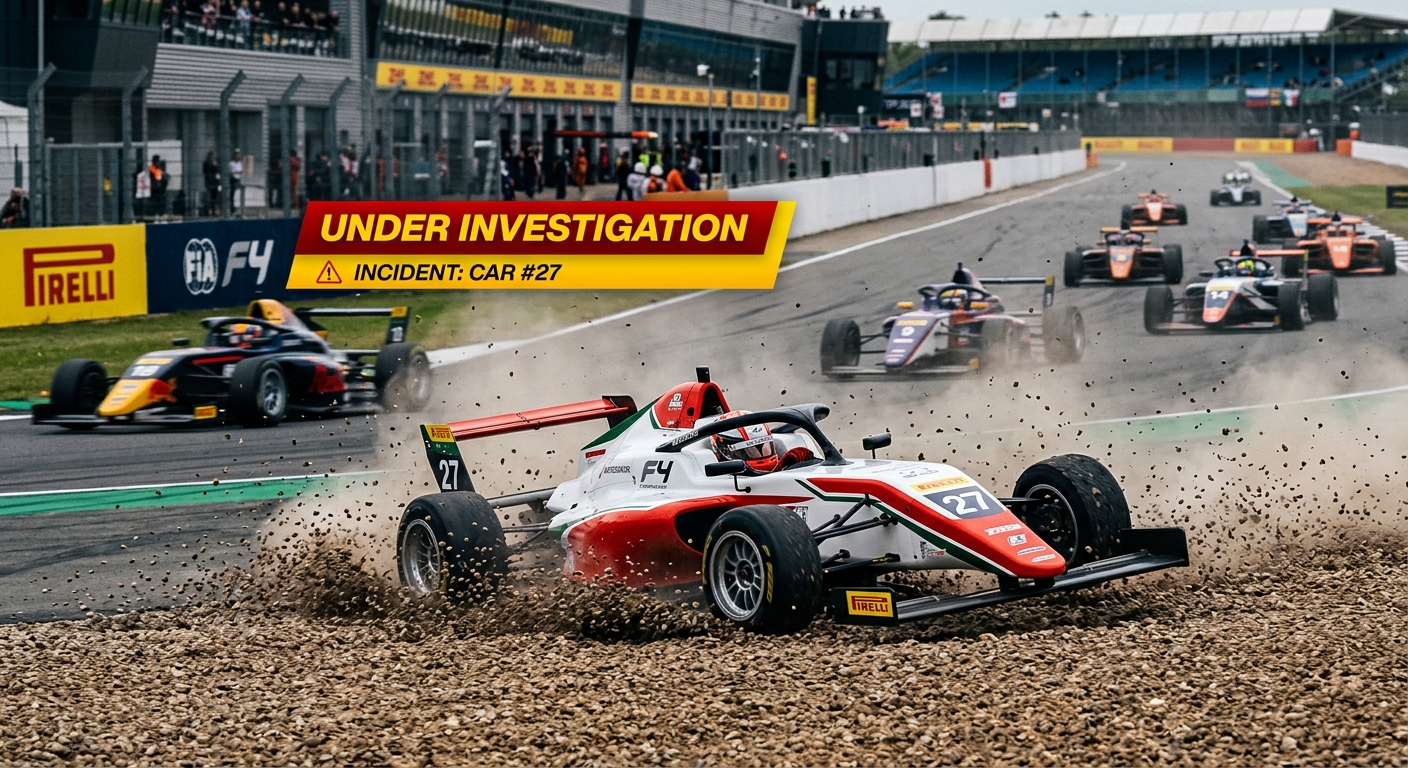
High iRating doesn't always equal clean racing. Explore why top-split lobbies face a decline in sportsmanship and how human stewarding restores competitive integrity for racers.
The Paradox of the Top Split: Fast but Not Always Fair
Many sim racers assume that climbing the iRating ladder leads to a utopia of professional, respectful racing. In reality, the pressure of high-stakes splits often results in a win at all costs mentality. In these lobbies, drivers are capable of running within tenths of a second of each other, yet they often lack the spatial awareness or patience required for close-quarters battle. This gap between raw pace and actual racecraft is where the competitive integrity of the service begins to erode. When speed is the only metric for success, the social contract of racing often breaks down.
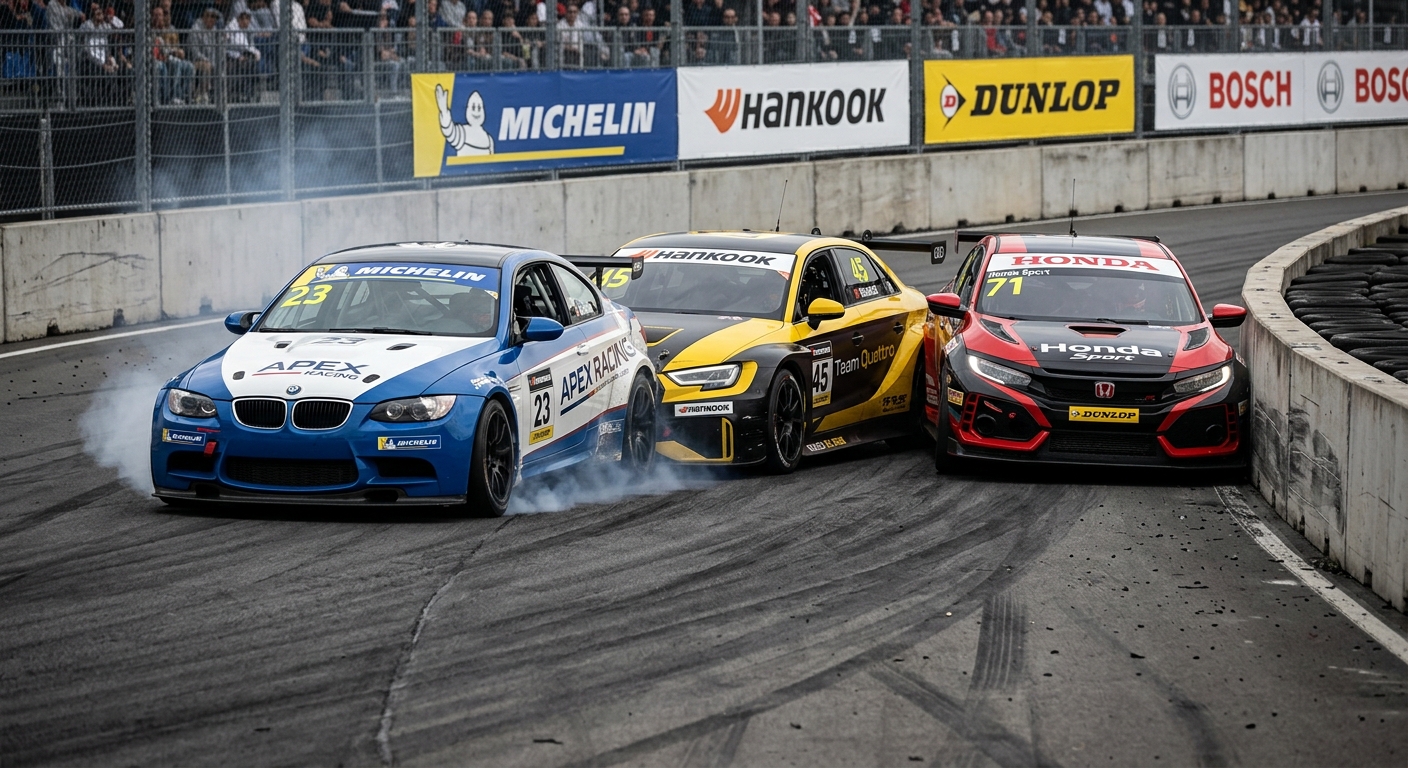
Beyond the Badge: Why Safety Rating Isn't Enough
The Safety Rating system is designed to promote clean driving, but for elite drivers, it often becomes a currency to be spent rather than a standard to be upheld. High-split racers are skilled enough to maintain a high license class while still engaging in aggressive maneuvers that push the boundaries of sportsmanship. When a driver knows they can afford a 4x incident without losing their license, the incentive to yield in a 50/50 situation vanishes. This creates a culture of intentional aggression that automated systems are simply not equipped to punish effectively.
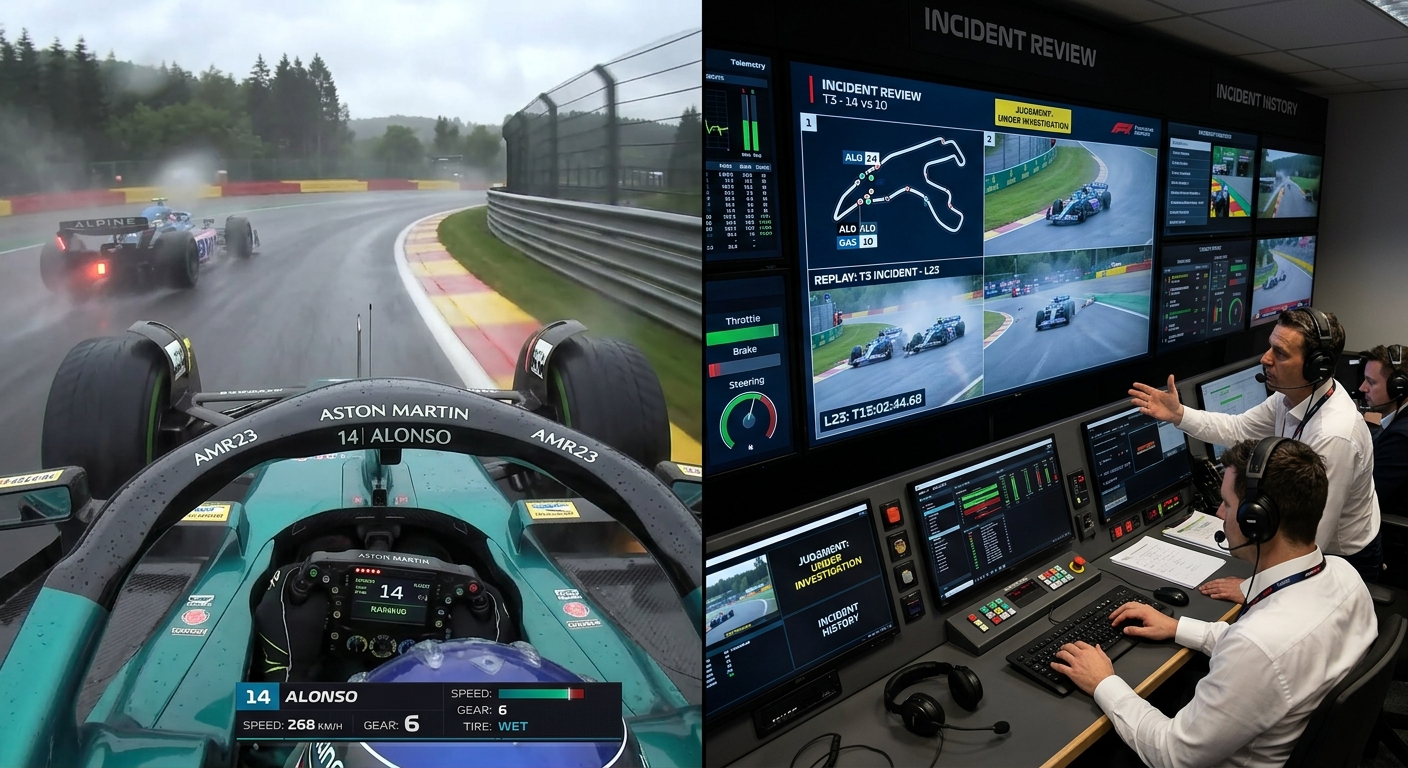
Restoring Integrity: How Human Stewarding Fixes What Algorithms Miss
Automated systems and basic protest workflows struggle to address the grey areas of racecraft. This is where FairGrid and managed leagues provide a solution. By implementing human-led stewarding, leagues can enforce standards that go beyond simple incident points. Stewards can identify patterns of aggression, differentiate between honest mistakes and ego moves, and foster a culture of accountability. In a managed environment, a driver's reputation is worth more than their iRating, ensuring that the fastest drivers are also the most respected and responsible participants.
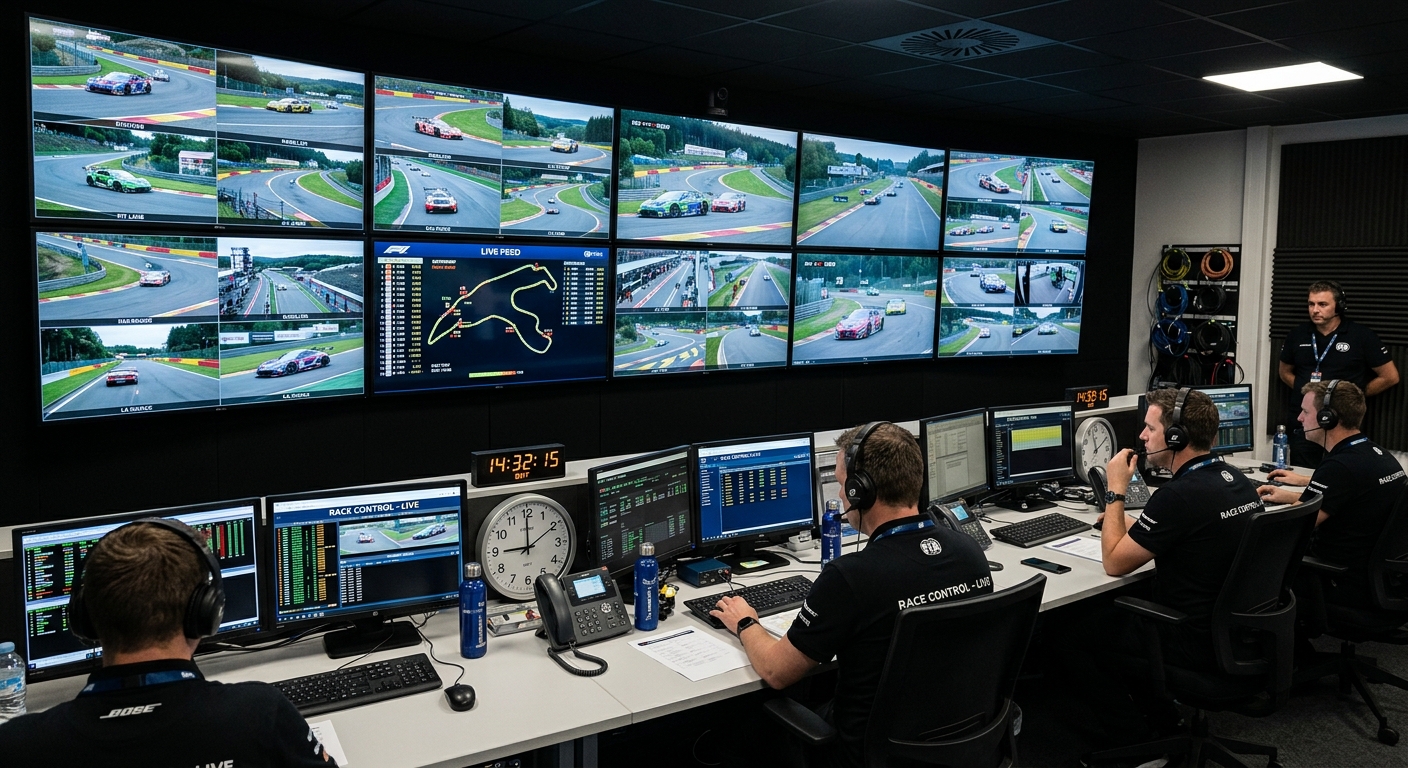
Take Control of Your Racing Standards
Tired of ego-driven incidents ruining your top-split experience? Join or create a league on FairGrid today. Our platform empowers you to implement human-led stewarding that ensures competitive integrity and rewards clean, professional racing.