FAQ
How do you handle steward fatigue during 3+ hour races?
The best approach is to implement a rotation schedule and use stewarding software that keeps a log of all incidents, allowing fresh stewards to see the context of previous decisions.
What are the most common endurance-specific infractions?
Common issues include pit lane speeding, incorrect driver swap procedures, and crossing the white line at pit exit. These are best managed through automated detection.
Why is automation important for endurance race management?
Automation reduces the manual workload on race control, ensuring technical rules are enforced perfectly and allowing stewards to focus on complex racing incidents.
How should multi-class racing incidents be prioritized?
Prioritize incidents that affect the podium positions in each class or those involving safety concerns. Using a dashboard that filters by class helps manage this effectively.
Should all penalties be served during the race?
While live penalties are ideal for immersion, complex incidents often require post-race review to ensure fairness and allow stewards to view all available camera angles.
The Endurance Race Director’s Playbook: Stewarding 3+ Hour Sim Racing Events
endurance-race-director-stewarding-playbook
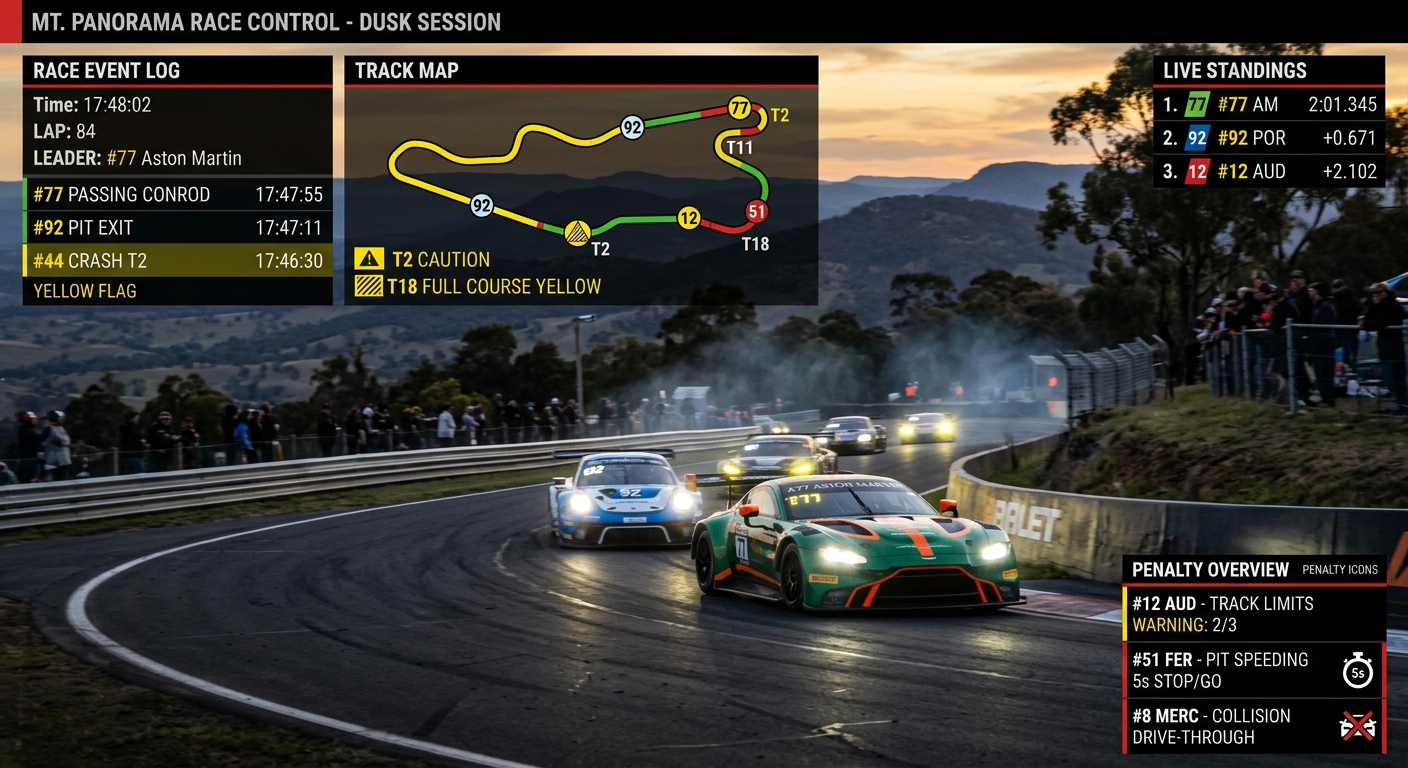
Learn how to manage long-format sim racing events like the Bathurst 3H with robust race control, automation for pit infractions, and strategies to combat steward fatigue.
Combating Steward Fatigue and Maintaining Consistency
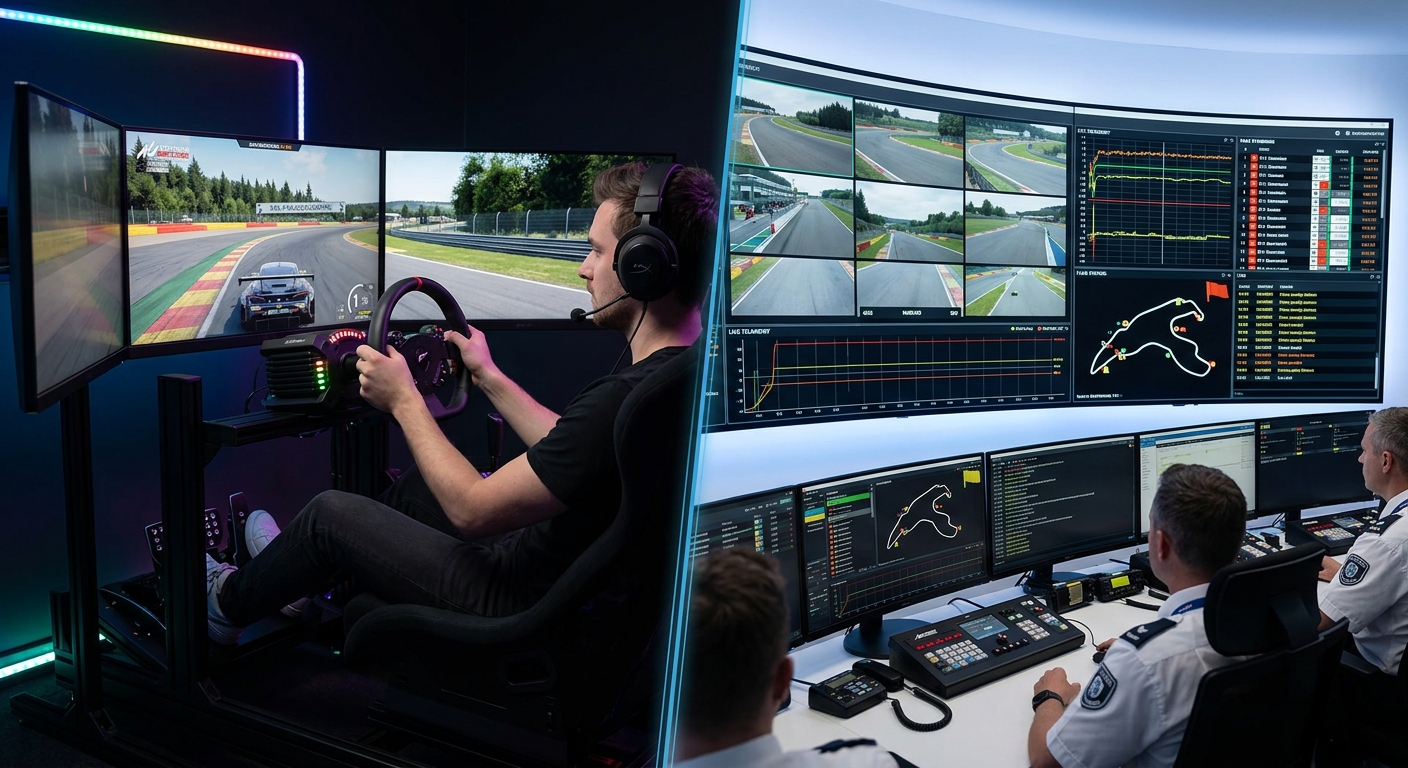
The greatest threat to integrity in long-format racing is steward fatigue. As a race progresses into its third or fourth hour, the cognitive load on race control increases. This often leads to inconsistent decision-making, where an incident in the first ten minutes is penalized differently than the same incident in the final stint. To combat this, successful leagues implement a rotation system for stewards and use centralized software to track every open incident. By having a clear history of previous rulings available at a glance, stewards can ensure that the rules are applied uniformly from the green flag to the checkered flag, regardless of how long they have been on duty.
Automating Pit Lane and Driver Swap Infractions
Manually monitoring technical infractions like pit lane speeding, engine start violations, or driver swap errors is a recipe for human error. In a high-entry endurance grid, dozens of cars may pit simultaneously, making it impossible for a human steward to catch every mistake. Automating these 'black and white' rules is essential for scaling race control. By using software that integrates with sim data, race directors can receive instant alerts for technical violations. This allows the human stewards to focus their energy on complex on-track incidents that require subjective judgment, such as wheel-to-wheel contact or moving under braking, while the system handles the objective rule-breaking automatically.
Scaling Race Control for High-Entry Grids
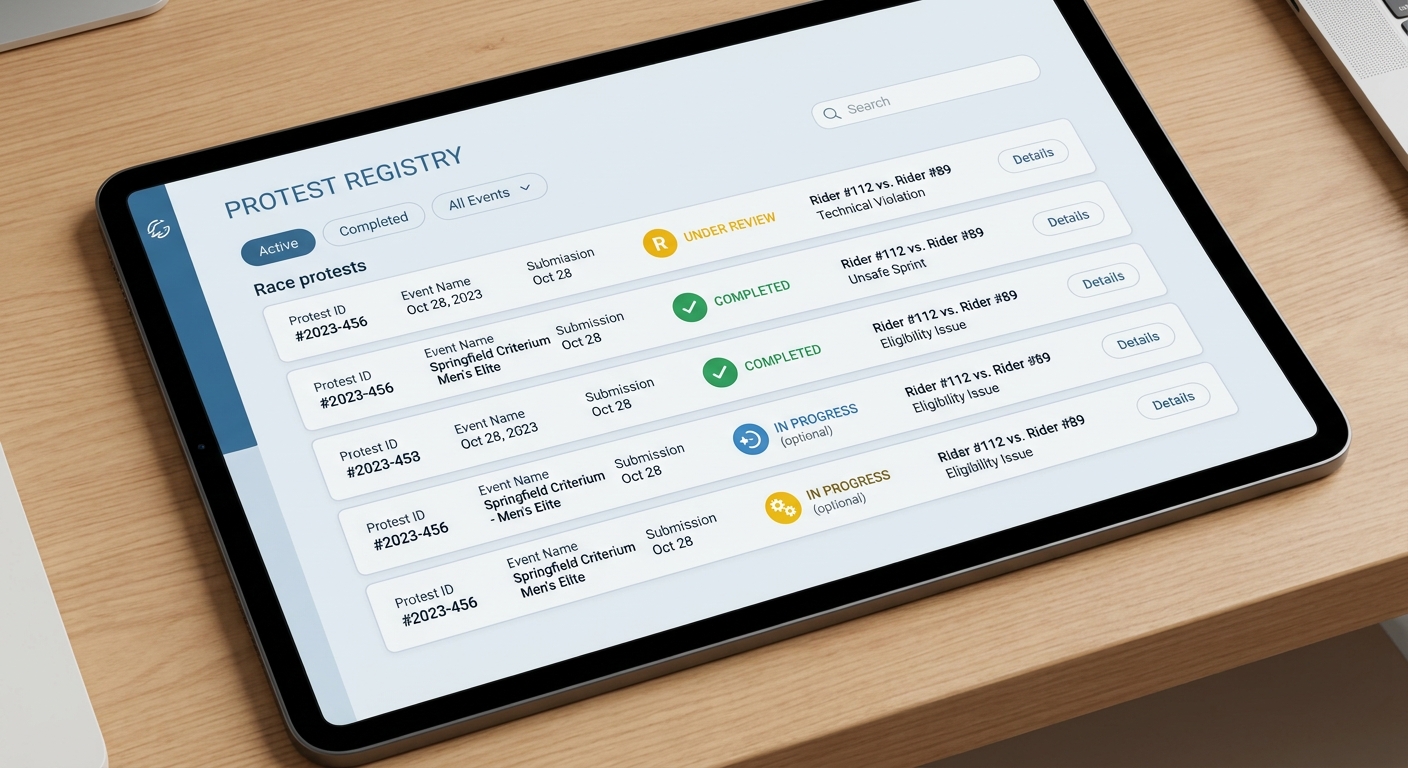
Managing multi-class endurance grids requires a sophisticated approach to incident report workflows. When GT3 and GT4 cars share a tight track like Mount Panorama, the frequency of reports can overwhelm a small admin team. Professional league operations utilize incident report systems that allow teams to submit protests with timestamped evidence. This closes the loop on competitive integrity by providing a structured environment for post-race reviews. Instead of managing a chaotic Discord channel, race directors can review every claim through a dedicated interface, ensuring that every team feels heard and that every penalty is backed by verifiable data.

Run Your Next Endurance Event with FairGrid
Ready to take your league to the professional level? FairGrid provides the tools you need to automate pit lane penalties, manage incident reports, and maintain total consistency for your next endurance race. Start using FairGrid today to streamline your race control.