FAQ
What is iRating farming?
It is the practice of artificially inflating a skill rating by only racing specific car and track combinations a driver has mastered.
Why is iRating farming bad for competition?
It compromises matchmaking by placing drivers in top splits where they lack the racecraft to handle diverse situations, leading to more incidents.
Does iRating reflect actual driving skill?
Not always. It reflects results in specific sessions, whereas racecraft includes adaptability, safety, and the ability to race cleanly in traffic.
How do league organizers spot iRating farmers?
Organizers look at race history variety, incident-per-race ratios, and consistency across different types of cars and circuits.
How can I improve my reputation without farming?
Focus on racing a variety of content, maintaining a high safety rating, and practicing clean wheel-to-wheel combat in every session.
The Hidden Cost of iRating Farming: Why Your Number Isn’t Everything in Sim Racing
irating-farming-competitive-integrity
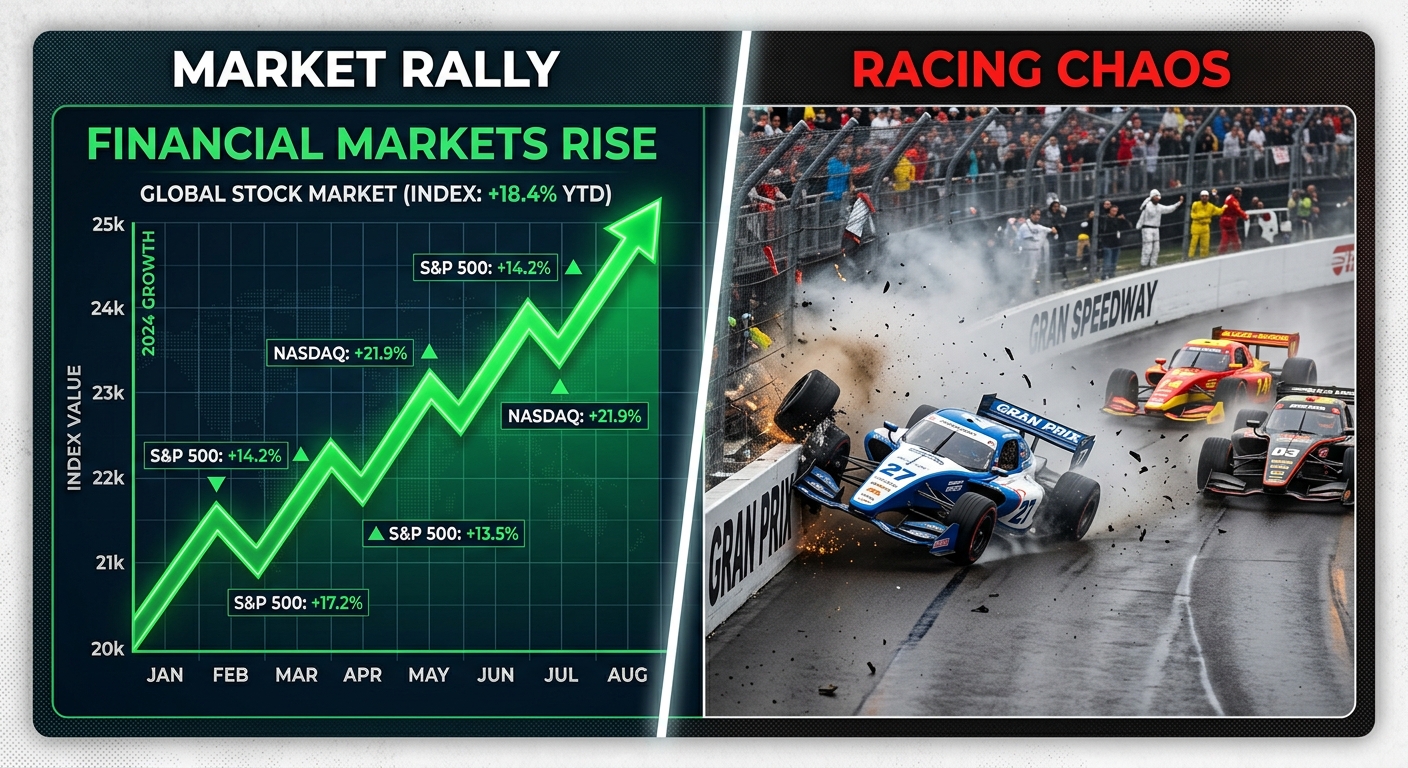
iRating farming artificially inflates skill levels, leading to poor race quality. Learn why a high rating doesn't guarantee racecraft or competitive integrity in sim racing.
What is iRating Farming and How Does it Work?
iRating farming occurs when a driver repeatedly races a single car and track combination they have mastered while avoiding all other content. By cherry-picking high-participation sessions where they have a distinct advantage, these drivers artificially inflate their rating. While their number climbs, their ability to adapt to new tracks, different car behaviors, or unpredictable weather remains stagnant. This creates a driver profile that looks elite on paper but lacks the versatility and adaptability of a truly top-tier competitor.
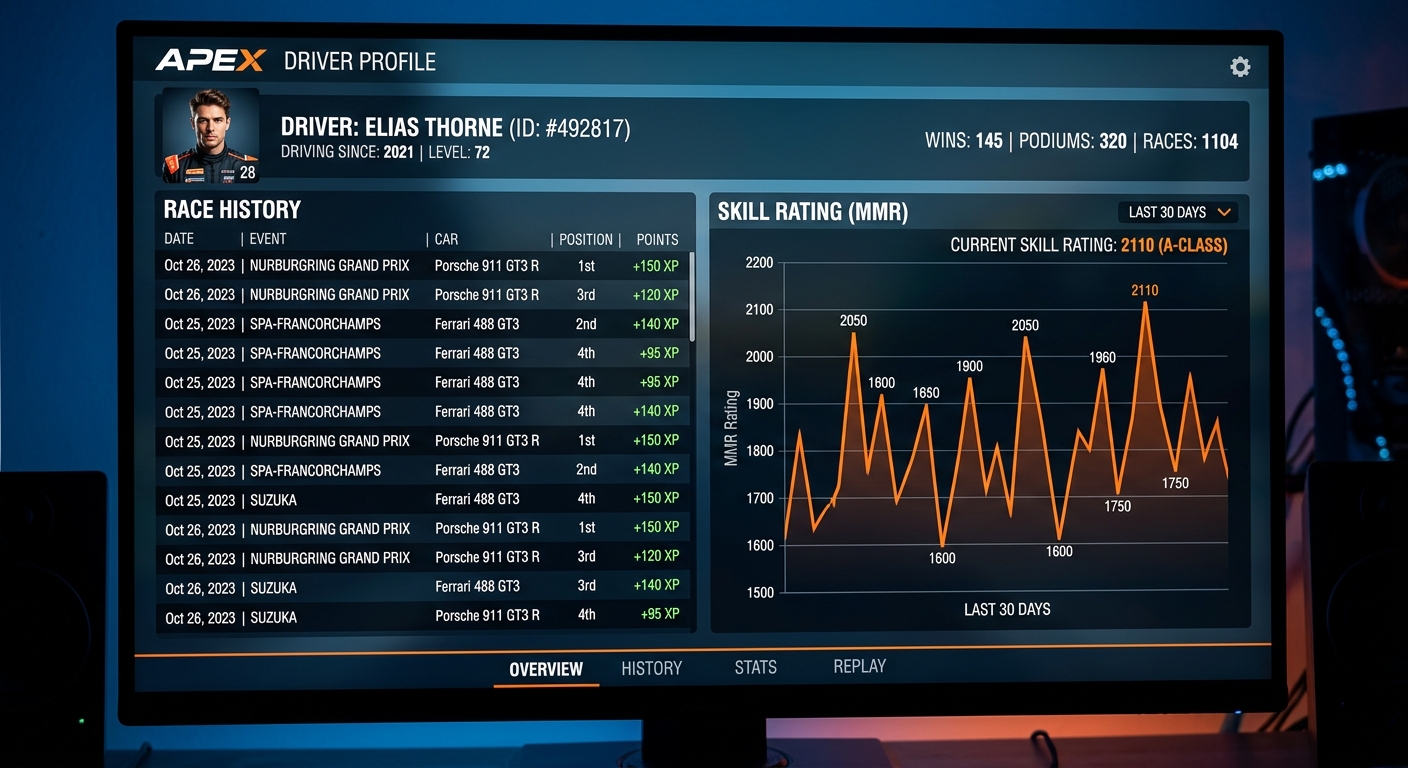
The Skill Gap: Why High iRating Doesn't Always Equal Clean Racecraft
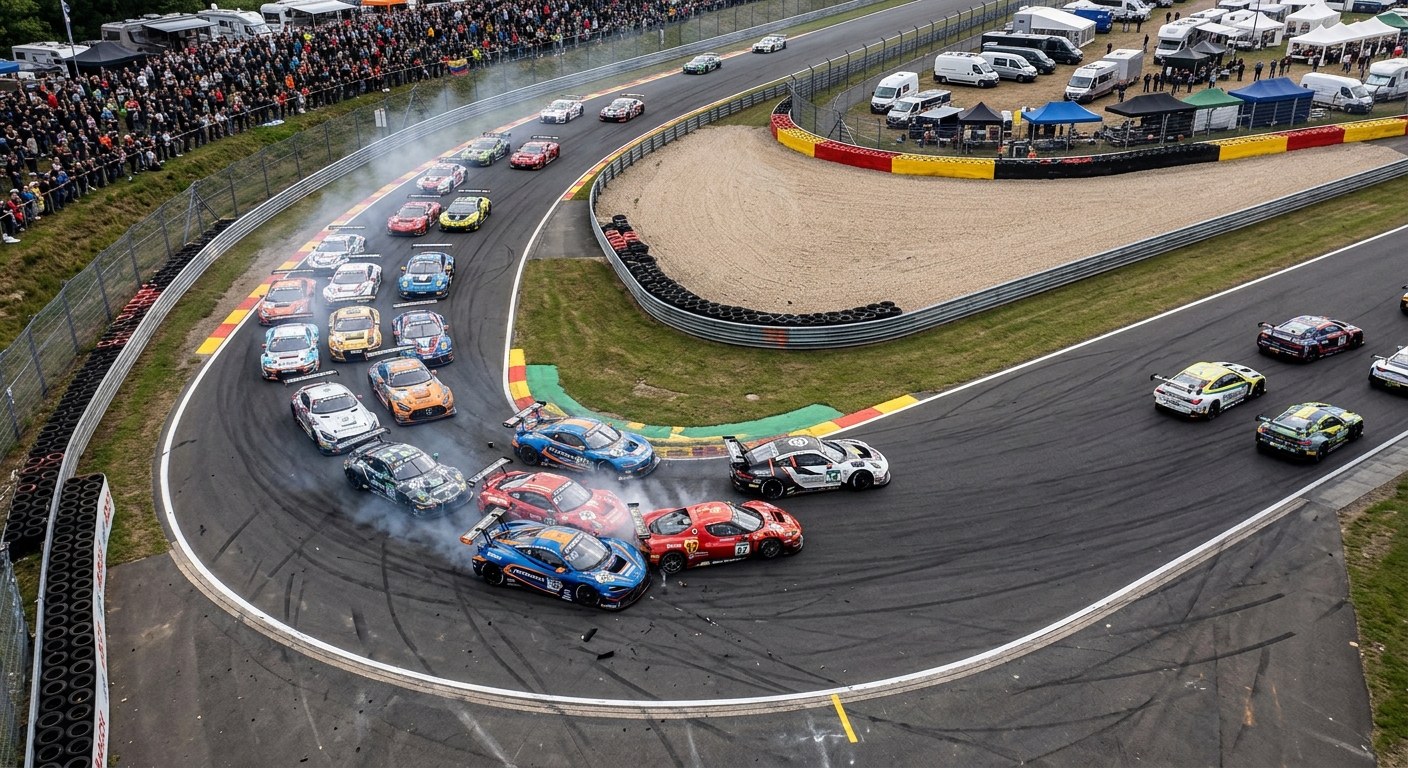
There is a significant difference between being fast on an empty track and being safe in a pack. Farmers often lack the spatial awareness and defensive driving skills developed through diverse racing experiences. When these drivers enter high-split rooms based on their inflated rating, they often struggle with fundamental racecraft. They might know the optimal line for one specific corner, but they lack the experience to navigate three-wide situations or react to incidents ahead, often leading to avoidable contact and frustration for others.
Why League Stewards Look Beyond the Numbers
Professional leagues and stewarded communities are increasingly ignoring raw iRating during the vetting process. Instead, they utilize tools like FairGrid to analyze incident points per race, qualifying consistency, and historical protest data. A driver with a 2,500 iRating and a clean record is often more desirable to a league organizer than a 5,000 iRating driver who only races one car and has a history of mid-pack collisions. Competitive integrity is measured by on-track behavior and reliability, not just a leaderboard position.

Ensure Competitive Integrity with FairGrid
Don't let inflated ratings ruin your league's racing standards. Use FairGrid’s advanced driver vetting and stewarding tools to look beyond the numbers and identify the drivers who truly belong in your top split.