FAQ
Why do high iRating races still have many crashes?
High skill doesn't always correlate with high safety. Aggressive competition in elite splits often leads drivers to take higher risks to maintain their ranking.
What exactly is a 'dive bomb' in sim racing?
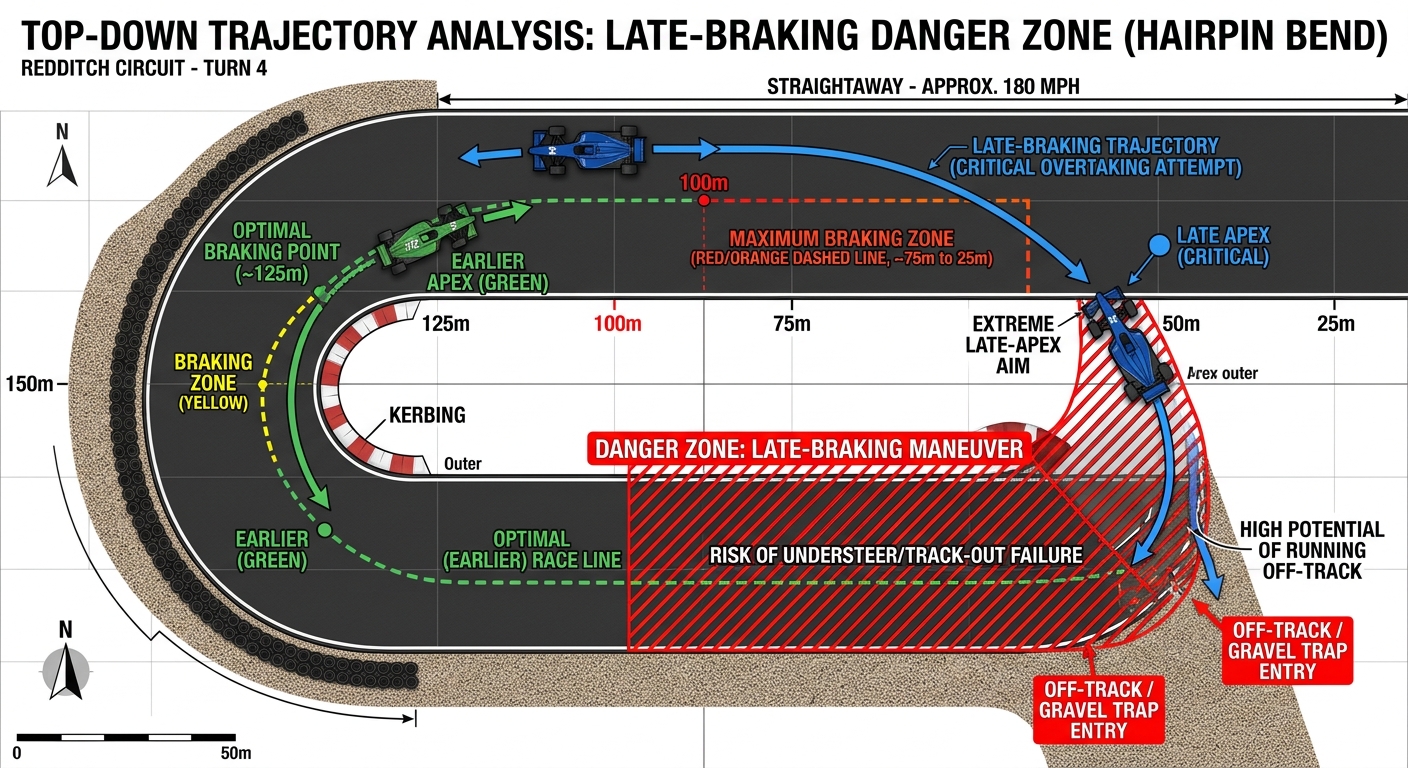
A dive bomb is an over-ambitious overtaking attempt where a driver brakes too late from too far back, relying on the lead car to move to avoid a collision.
How can I defend against aggressive drivers?
Prioritize 'race smart' survival. Anticipate late moves from trailing cars, leave extra space when necessary, and focus on the long-term race result over a single corner defense.
Should sim racing coaches be held to higher standards?
Yes. Community leaders and professionals influence the behavior of other drivers and should demonstrate the highest levels of racing etiquette and accountability.
How does FairGrid help improve racing standards?
FairGrid provides league administrators with rigorous, human-in-the-loop stewarding tools that ensure all drivers are held to professional standards, regardless of their rating.
The Integrity Gap: Why High iRating Doesn’t Guarantee Clean Racing (and How to Fix It)
the-integrity-gap-high-irating-vs-clean-racing
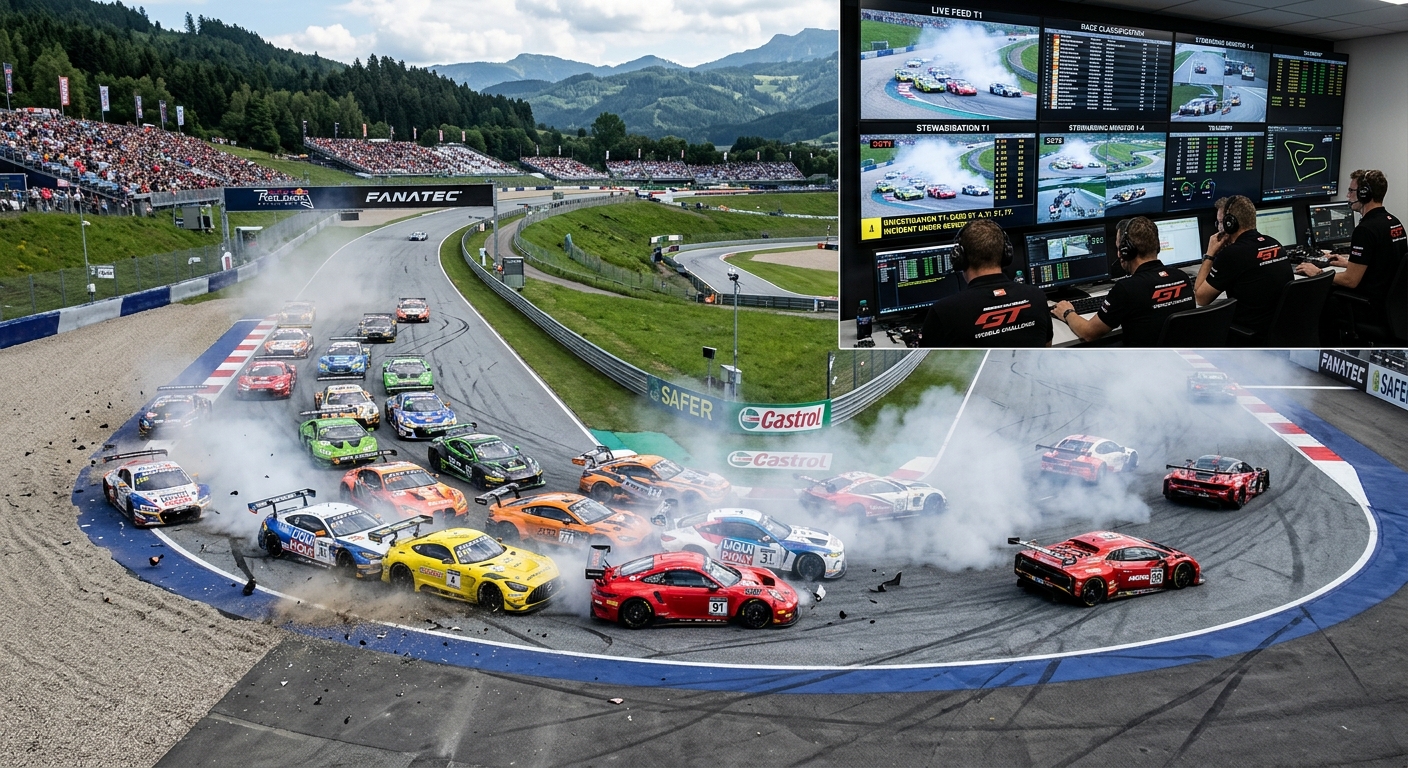
High iRating doesn't always equal clean racing. Explore the high-SOF paradox, dive-bomb culture, and why professional accountability is essential for competitive sim racing integrity.
The High-SOF Paradox: Skill vs. Racing Standards
In elite sim racing splits, players often assume that a high iRating or 'Pro' status correlates with professional behavior. In reality, the extreme pressure to maintain rank often leads to a win-at-all-costs mentality. This paradox creates environments where drivers with 4,000+ iRating engage in risky maneuvers that lower-rated drivers might avoid out of caution.
Skill in car handling does not automatically translate to skill in wheel-to-wheel combat or situational awareness. The result is a high-level environment plagued by the same basic mistakes seen in rookie tiers, but at much higher speeds. This gap between mechanical talent and racing intelligence devalues the competitive nature of top-split racing and highlights the need for more than just automated safety points.
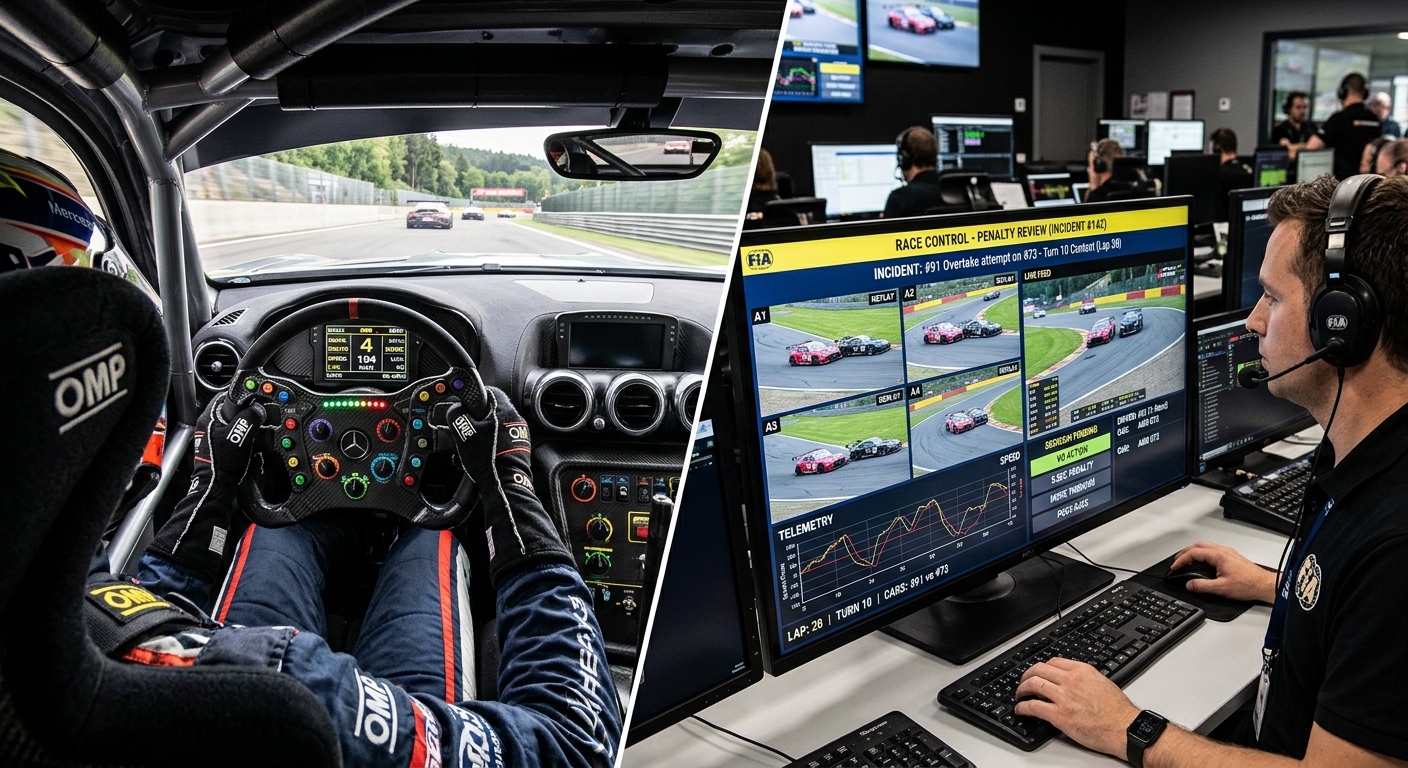
Anatomy of a Dive Bomb: Why T1 at Red Bull Ring Fails
Tracks like the Red Bull Ring have become case studies for the breakdown of racing etiquette. The long straights followed by heavy braking zones invite low-percentage moves, commonly known as dive-bombs. A dive-bomb occurs when a trailing driver attempts an overtake by braking significantly later than the car ahead, often without having earned the right to the corner.
Without standardized penalties or active stewarding, these moves become the default strategy in high-level splits. Drivers are forced into a reactive survival mode rather than proactive racing. To fix this, leagues must implement rigorous standards for corner rights and late-braking maneuvers, ensuring that the 'send' is only rewarded when it is executed cleanly and fairly.
Professionalism and Accountability: Redefining Race Smart
The accountability problem extends to community figures and professional coaches. When high-profile drivers cause incidents without consequence, it sets a damaging precedent for the entire community. True professionalism in sim racing means being 'race smart'—anticipating risks and prioritizing the survival of the field over a single-position gain.
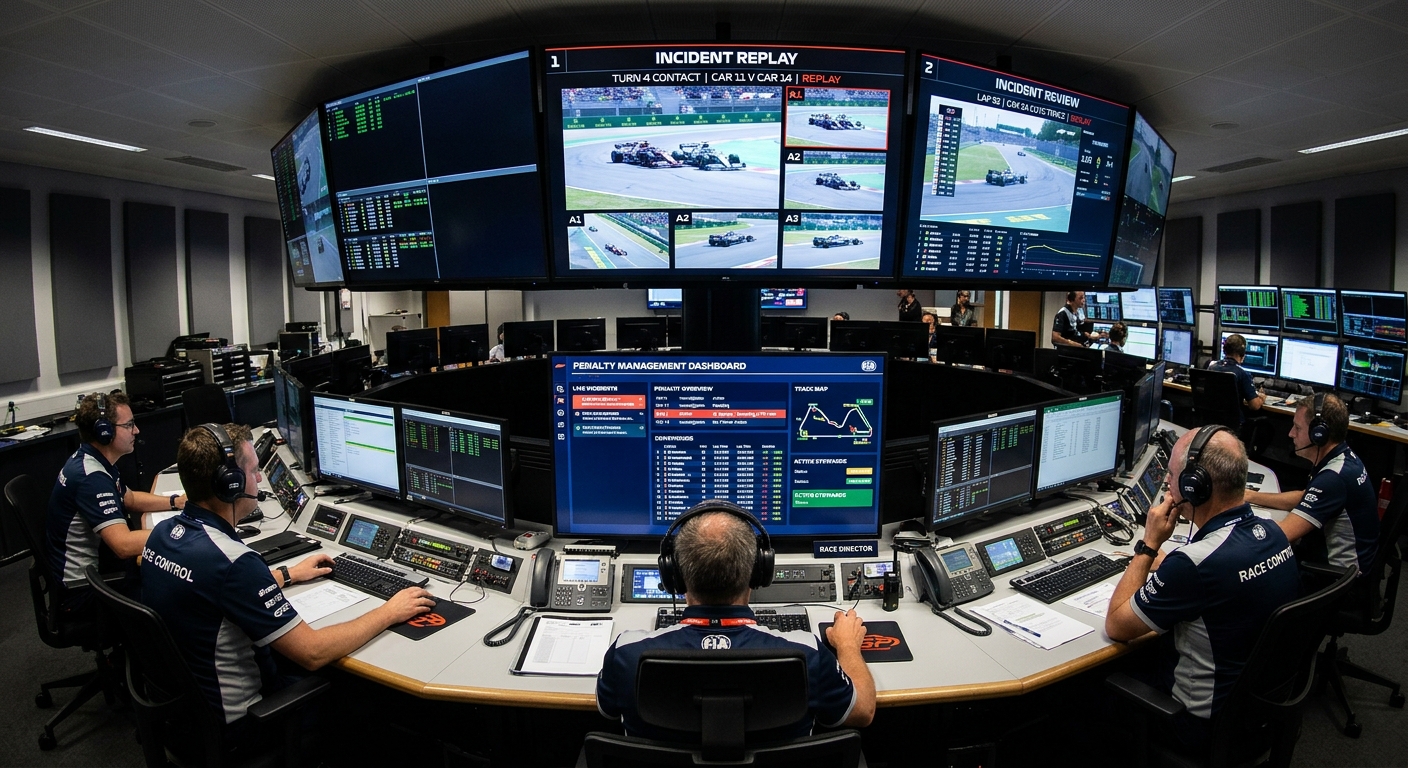
Standardizing penalties for elite drivers is the only way to restore integrity. Whether it is a community leader or a newcomer, the rules of engagement must be applied equally. By implementing human-in-the-loop stewarding, leagues can move beyond the limitations of basic safety ratings and hold even the fastest drivers to the highest standards of etiquette.
Restore Competitive Integrity to Your League
Don't let aggressive driving ruin your community. FairGrid empowers league administrators to move beyond basic safety systems with precise automated stewarding and incident review tools. Ensure your races are fast, fair, and professional.