FAQ
Why is driver vetting necessary in sim racing?
Vetting ensures participants meet safety standards, which reduces early-lap incidents and improves the quality of competition for everyone on the grid.
How does pre-season testing help with league balance?
It provides a consistent data set of lap times and driving styles to help organizers implement fair Balance of Performance (BOP) adjustments.
What is the difference between casual and professional standards?
Casual standards prioritize fun and accessibility, while professional standards strictly enforce technical racing rules, track limits, and formal protest procedures.
How can I reduce league churn mid-season?
Consistent stewarding, fair driver grouping, and efficient communication regarding penalties and standings help keep drivers motivated and engaged.
Does automation replace the need for human race stewards?
No, automation assists stewards by organizing evidence and data, allowing human officials to make faster, more informed decisions on incidents.
The Organizer’s Playbook: Ensuring Competitive Integrity in Private Sim Racing Leagues
ensuring-competitive-integrity-sim-racing-leagues

Learn how to bridge the gap between sign-ups and clean racing through effective driver vetting, pre-season testing, and automated stewarding workflows for your league.
Using Pre-Season Testing as a Vetting Tool
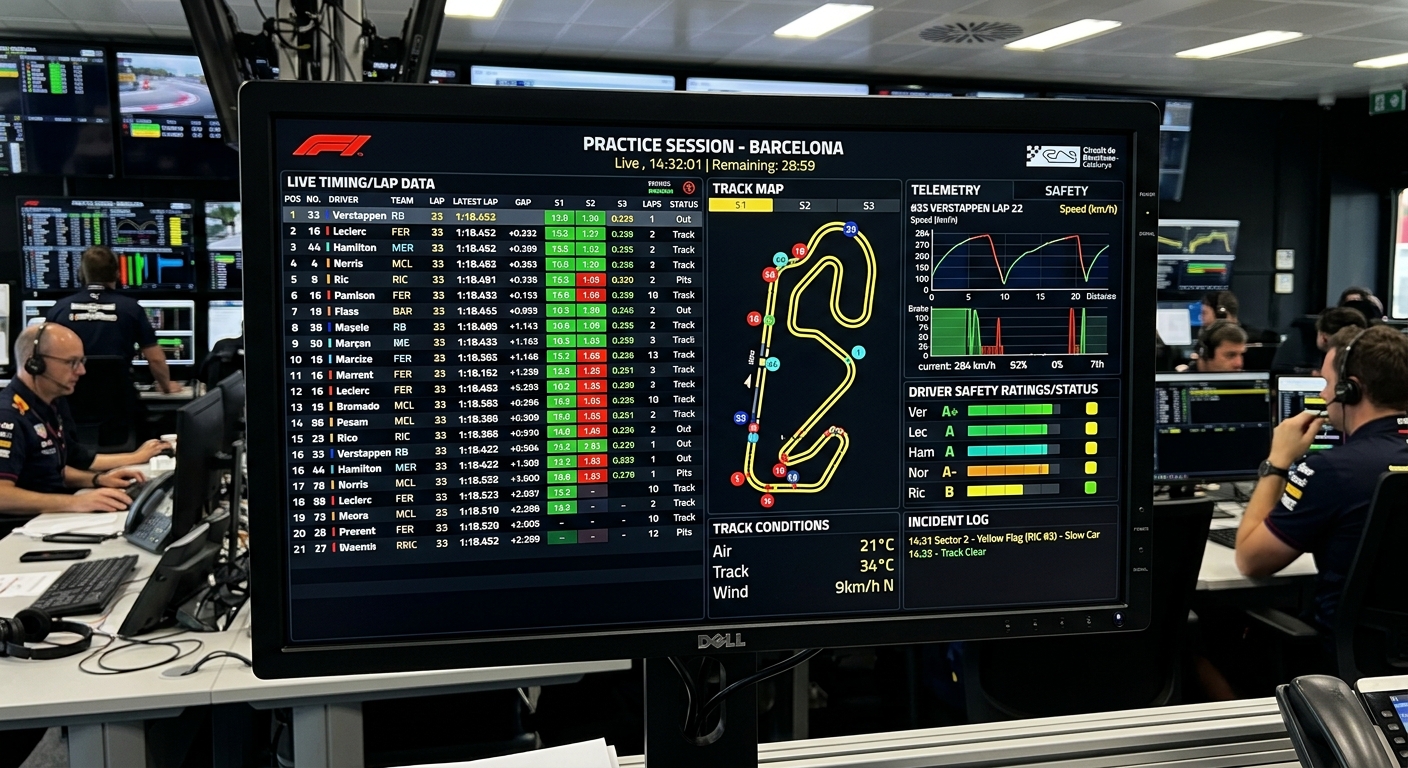
Pre-season testing is far more than just practice. It is the primary filter for ensuring drivers meet the safety and pace requirements of your league. Organizers should use these sessions to observe how drivers handle traffic and whether they respect track limits and flags. This period allows you to establish a baseline for competitive integrity before points are on the line. It also provides the necessary data to implement Balance of Performance (BOP) or driver classifications, ensuring that the field remains tight and engaging for everyone involved.
Balancing Skill Gaps and Setting Race Standards
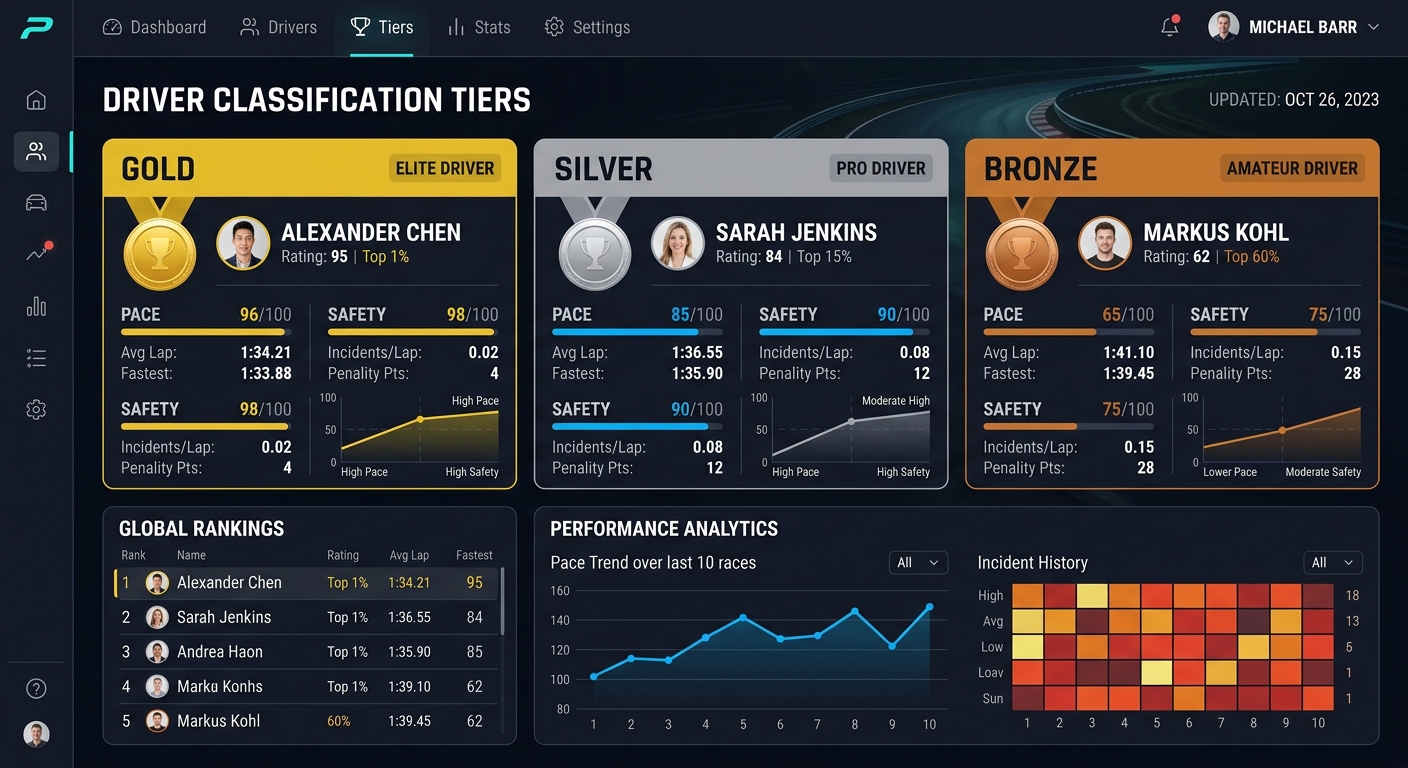
One of the leading causes of league attrition is a mismatch in skill levels or expectations. Effective league management requires a clear definition of the rules of engagement. Whether you are running a casual community or a high-stakes professional championship, setting these expectations early prevents friction. Driver classification helps group racers of similar pace, while clear stewarding guidelines ensure that everyone understands the penalties for over-aggressive driving. Consistency in enforcement is what separates a long-lasting league from one that falls apart after three rounds.
Scaling Operations with Automated Stewarding
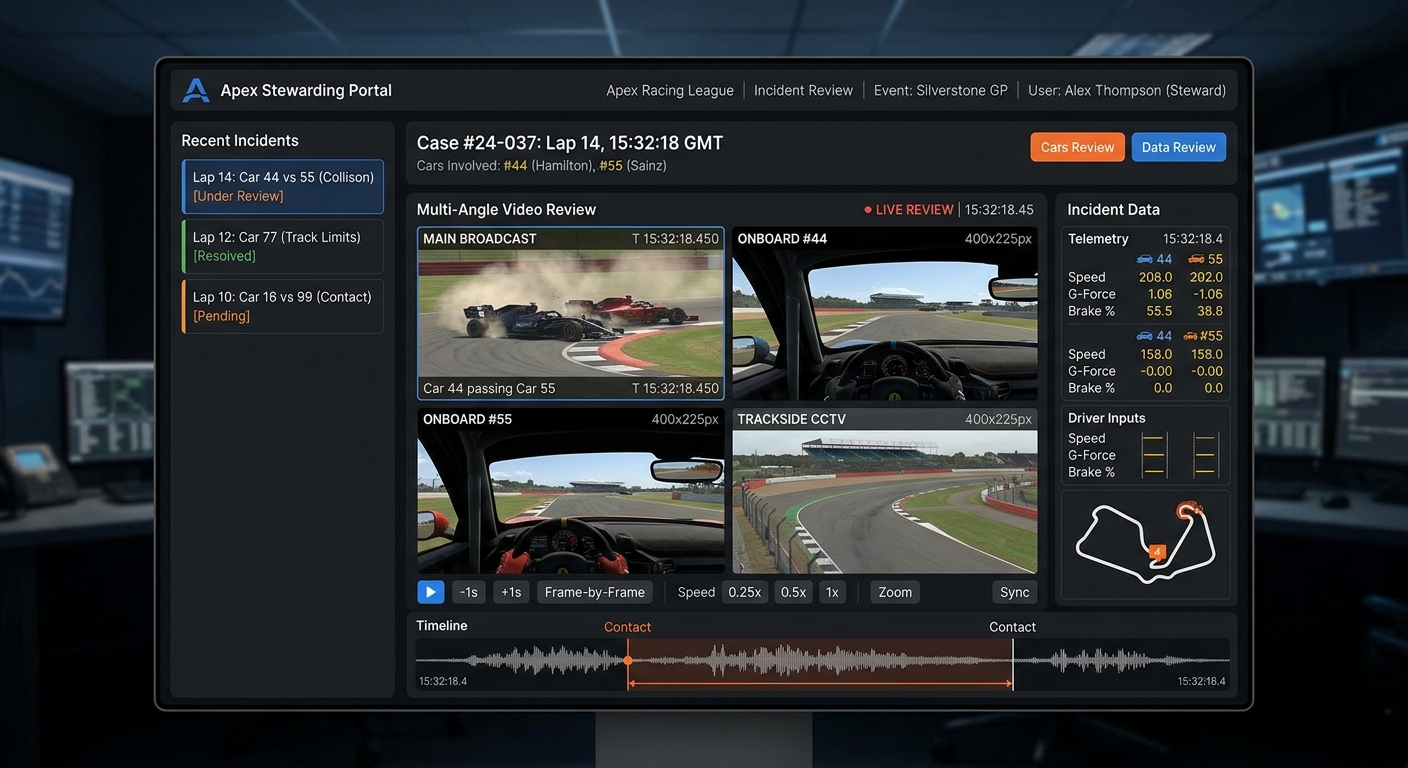
As a league grows, the administrative burden of manual protests and standings updates can become overwhelming. Automating the sign-up and protest workflow is key to scaling without losing quality. By utilizing tools that handle incident reviews and penalty applications, organizers can focus on building the community rather than managing paperwork. FairGrid provides a streamlined platform for these tasks, allowing stewards to review footage and issue penalties efficiently. This transparency builds trust, as drivers see that rules are enforced consistently across the entire grid.
Streamline Your League Operations
Ready to take your league to the next level? FairGrid automates your stewarding requests and standings, letting you focus on the racing. Start organizing with integrity today.