FAQ
Why is safety rating more important than iRating for growth?
Safety rating determines the quality of the splits and licenses you can access. Higher safety ratings generally lead to cleaner racing environments where iRating can be gained more predictably.
How do I avoid Lap 1 incidents in low iRating splits?
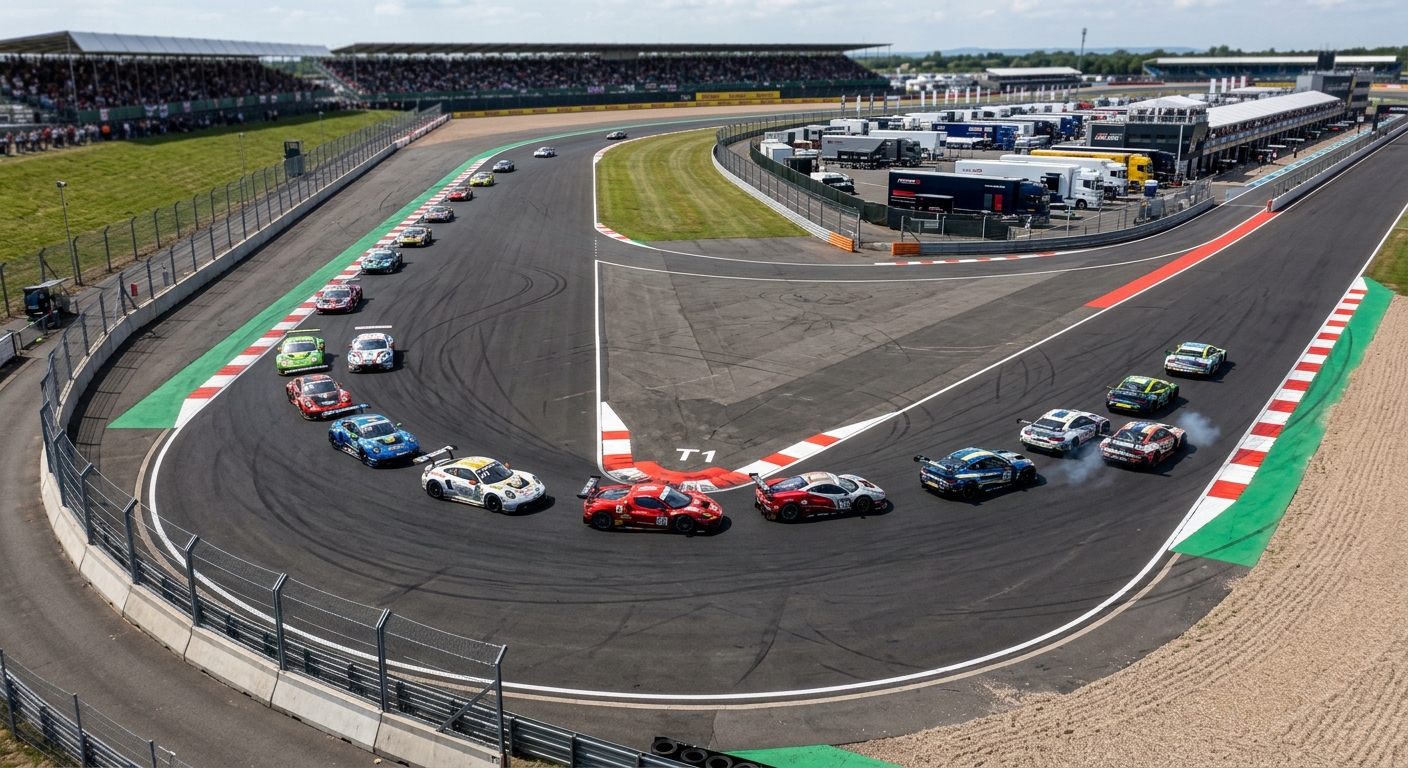
Be prepared to lift early and take a wider line. Avoid the 'vortex of danger' and prioritize leaving space over defending a specific position during the first three corners.
What are the signs of a 'sketchy' driver?
Look for cars that are frequently off-track, weave on straights, or exhibit inconsistent braking points. These drivers are high-risk targets to stay away from.
Does car choice affect my ability to gain iRating?
Yes. Using cars that require more discipline, like the Porsche Cup, can teach you better habits and smoother inputs compared to cars with heavy electronic assists.
Is it better to start from the pits to gain iRating?
While it can help your safety rating, it doesn't teach you racecraft. It is better to start on the grid and practice defensive driving and spatial awareness.
The Survival Strategy: How to Hit 2k iRating by Prioritizing Racecraft Over Pace
how-to-increase-irating-safely
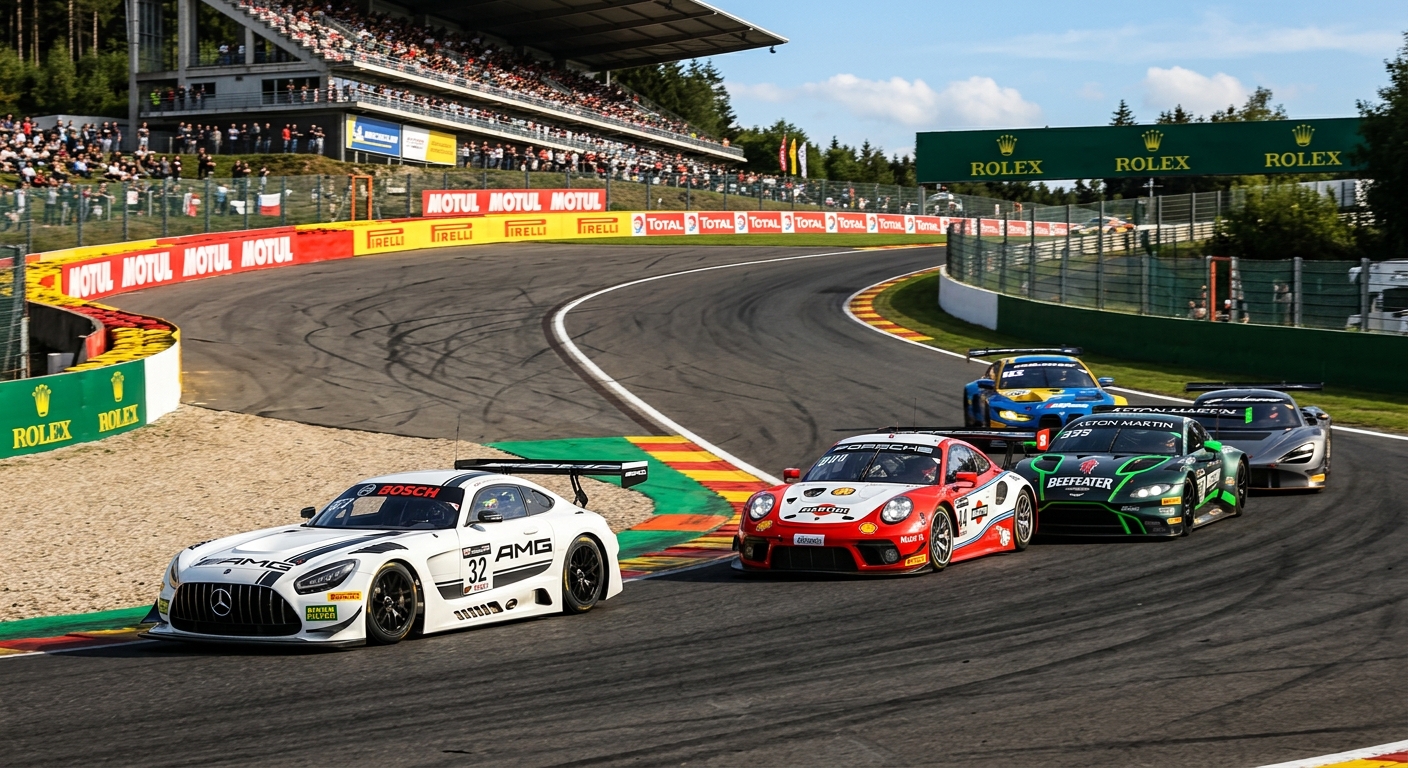
Learn why prioritizing racecraft and incident avoidance is the fastest way to break out of low iRating splits and reach the 2000 iRating milestone through survival.
The 900 to 2000 iRating Trap: Why Pace Isn't Your Problem
The most common mistake in lower splits is the obsession with pace. Drivers at 900 iRating often have the speed to compete at 1500, but they lack the consistency to finish races. When you prioritize the meta car and qualifying on the limit, you increase your risk of a race-ending incident. Moving toward 2000 iRating requires a mindset shift: survival is more profitable than a single overtakes. High-integrity racing starts with the realization that every 0x or 1x you avoid is a direct investment in your long-term rating growth. Consistency in finishing mid-pack with zero incidents will always yield more points than a win followed by three DNFs.
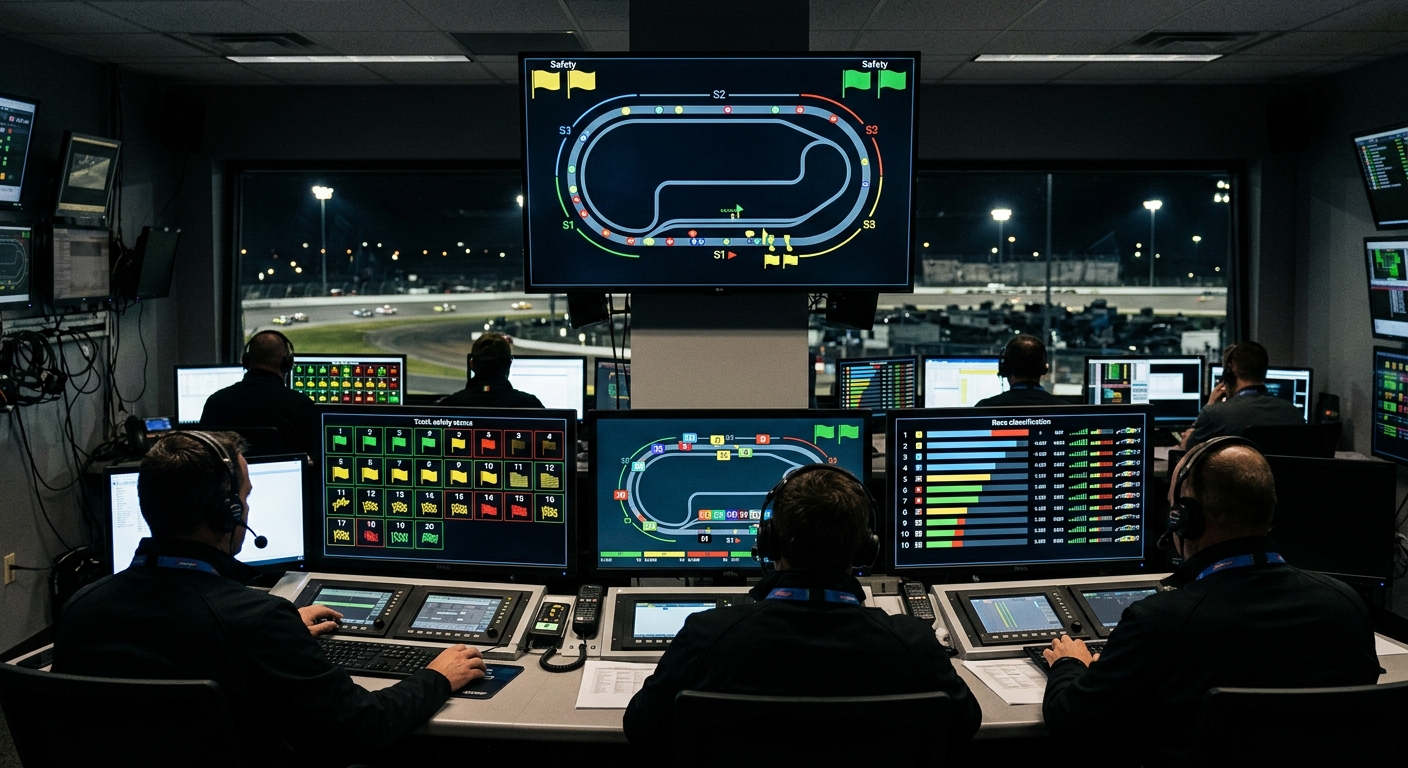
Predictive Stewarding: Identifying Sketchy Drivers
To survive in crowded lobbies, you must learn to think like a steward. Predictive driving involves spotting dangerous opponents before they cause an accident. Look for early warning signs: erratic steering inputs, missed braking points in previous corners, or a defensive style that looks desperate rather than calculated. If a driver ahead is sliding or missing apexes, they are a liability. Instead of attacking immediately, give them space and wait for their inevitable mistake. This proactive approach to safety rating allows you to navigate 'sketchy' packs without being caught in the crossfire of other people's errors.
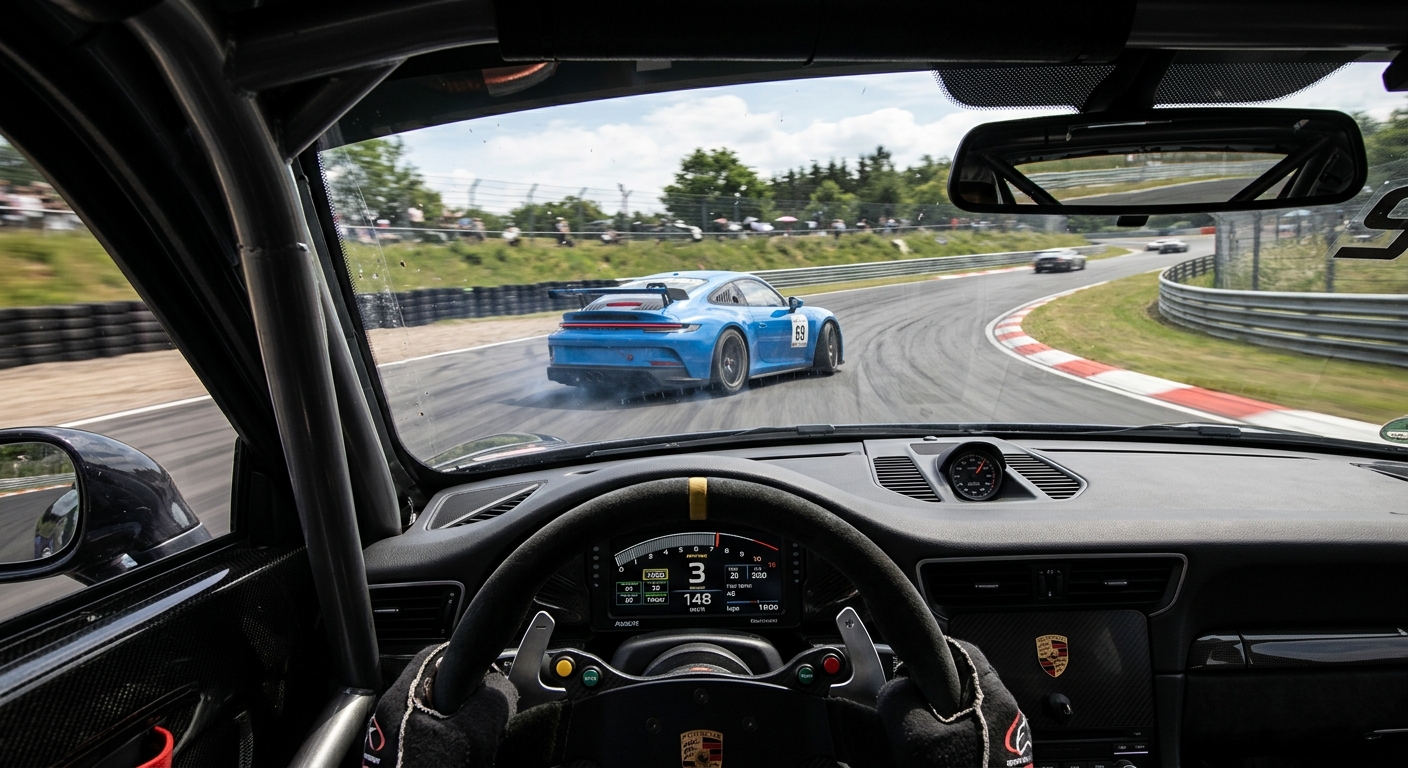
Turn 1 Philosophy and the Consistency Mindset
Turn 1 on the first lap is where most races are won or lost in the minds of beginner drivers. In reality, it is simply the most dangerous part of the event. A 2k-level driver knows that yielding a position in Turn 1 to avoid a three-wide situation is a winning move. Furthermore, car choice plays a massive role in habit-building. While GT3 cars are popular, the Porsche Cup teaches better throttle control and braking discipline because it lacks driver aids. Mastering a difficult car in a clean league environment builds the muscle memory needed for an A-License mindset, ensuring that your iRating is backed by genuine racecraft rather than luck.
Tired of Public Lobby Chaos?
Join FairGrid and discover leagues where clean racing and professional stewarding come first. Elevate your racecraft in an environment that rewards integrity over aggression.