FAQ
What is suspension clipping in Assetto Corsa?
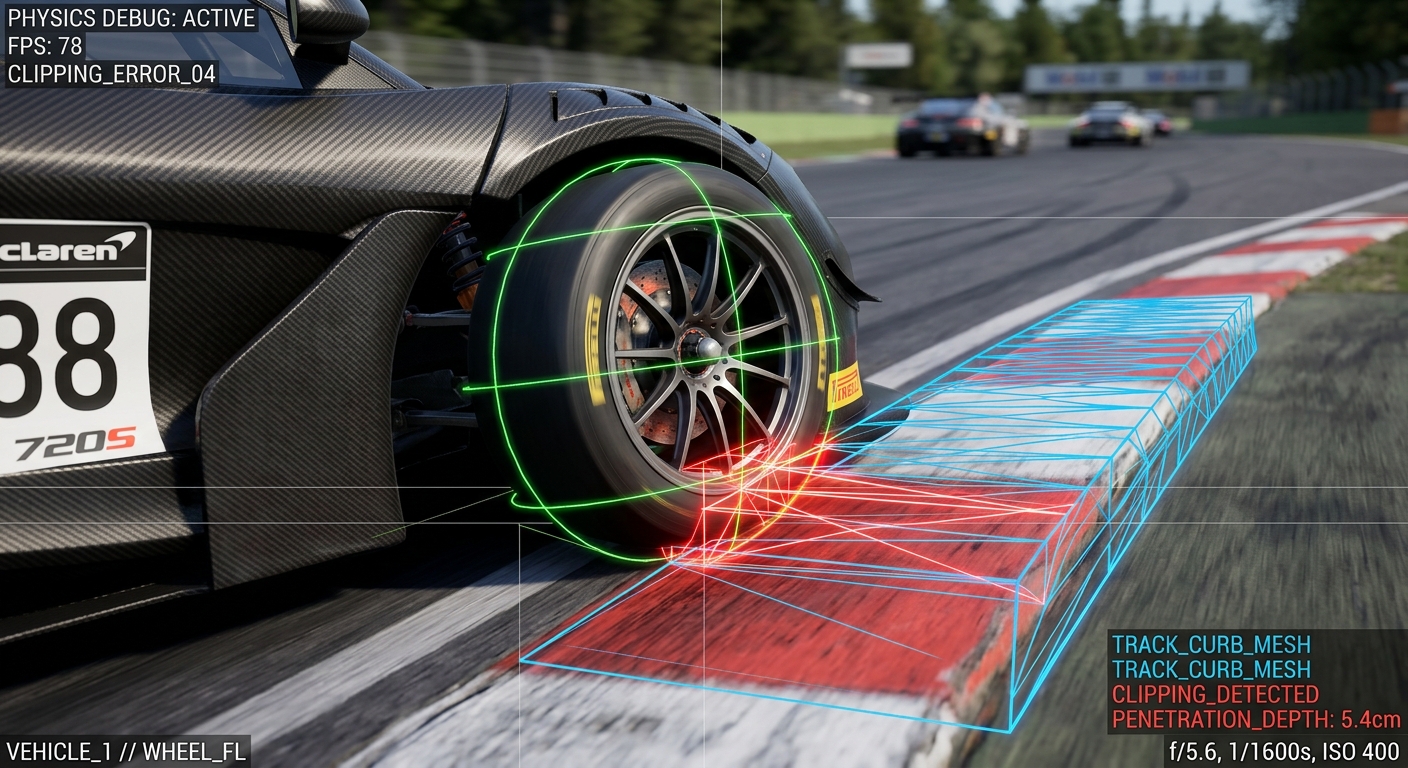
Suspension clipping occurs when a car's physics model interacts incorrectly with the track or another car, causing the parts to overlap and trigger an explosive physics reaction.
How can a steward prove a crash was caused by a bug?
Stewards look for unnatural movement, such as wheels passing through solid objects, or telemetry showing sudden spikes in force that do not match driver inputs.
Should drivers be penalized if a bug causes a collision?
Generally, if a technical glitch is proven to be the primary cause, the incident should be ruled a racing accident or technical failure to maintain competitive integrity.
How does CSP 3.0 affect race stewarding?
New physics features in CSP 3.0 can change car behavior; stewards must stay updated on known bugs to avoid misjudging incidents as driver error.
What should leagues do during major software updates?
Leagues should lock to a stable version of CSP and perform thorough testing before mandating an update for all competitors.
Was it a Crash or a Bug? Stewarding Assetto Corsa in the Era of CSP Physics Glitches
assetto-corsa-stewarding-csp-physics-bugs
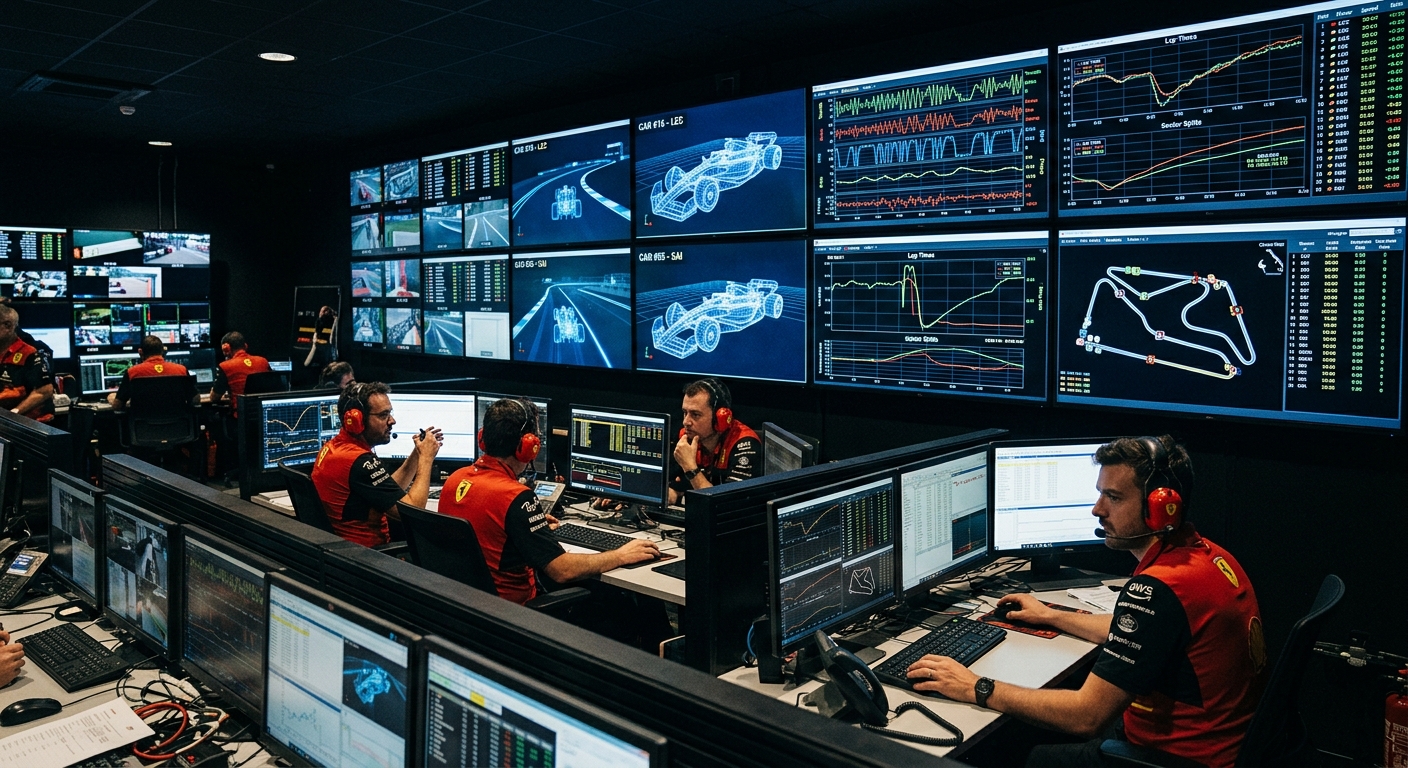
Sim racing stewards face a new challenge: distinguishing driver error from CSP physics bugs. Learn how to identify technical glitches to maintain competitive integrity.
Identifying Suspension Clipping and Physics Anomalies
The latest CSP versions have occasionally introduced suspension clipping issues where the car's geometry interacts unpredictably with track surfaces or other vehicles. These bugs often manifest as 'physics explosions,' where a minor rub results in a car being launched or suffering terminal damage. Stewards can identify these by looking for 'jitter' in the replay or wheels passing through the car body. Unlike a standard collision where momentum is conserved, clipping usually results in a sudden, impossible spike in kinetic energy that the driver could not have controlled.
The Steward's Dilemma: Intent vs. Physics Failures
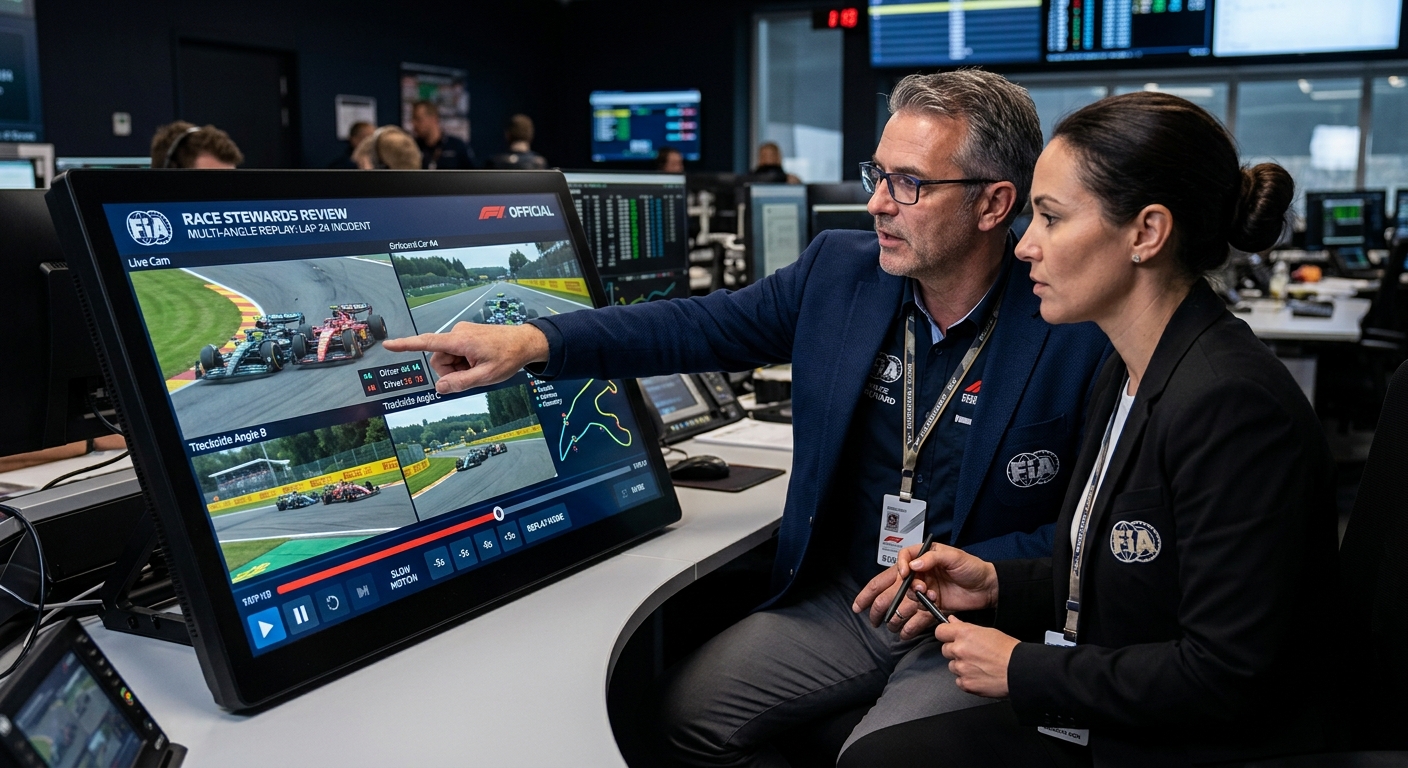
The core of race control is judging intent and execution. When a physics bug occurs, the simulator's output no longer reflects the driver's input. Penalizing a driver for a 'collision' that was actually caused by a CSP physics glitch undermines the fairness of a championship. To resolve this, many leagues are adopting a 'glitch-void' policy. If a review shows the car behaved in a way that violates the game's standard physics engine—such as unnatural rotation or clipping—the incident is ruled a technical failure, and no penalty is applied to either party.
Best Practices for League Operations and Technical Protests
To manage these risks, league organizers should freeze CSP versions during a season to ensure consistency. When an update is necessary, a transition period with rigorous testing is required. Furthermore, drivers should be encouraged to submit 'Technical Protests' that include not just the replay file, but also local telemetry data. This data can prove that the car's movement was an outlier not caused by steering or pedal inputs, providing the objective evidence stewards need to void an unfair penalty and preserve the standings.
Streamline Your League's Protest Workflow
Managing complex technical protests requires the right tools. Use FairGrid to organize incidents, review telemetry-backed evidence, and ensure your league remains fair, even when the physics engine gets unpredictable.