FAQ
Is a hardware failure treated differently than a driving error?
Yes. While the driver may be found 'at fault' for the incident to protect the victims' safety records, stewards often waive disciplinary penalty points for genuine, unavoidable hardware failures.
How do stewards verify a hardware failure actually happened?
Stewards typically use telemetry data to see if steering or pedal inputs suddenly flatlined or cut out entirely before the loss of control occurred.
Should victims of a hardware-induced crash be compensated?
While track position cannot usually be restored, league organizers can adjust incident counts or safety ratings to ensure innocent drivers aren't penalized for a technical DNF they didn't cause.
What is the best way to prevent hardware failures in a league?
Leagues should encourage pre-race hardware checks and stable settings. Some high-end leagues even require drivers to submit a 'hardware stability' confirmation before the season starts.
How can FairGrid help manage these incidents?
FairGrid provides a centralized platform for incident protests, allowing stewards to document technical failures and apply consistent rulings across the entire season.
When Gear Goes Wrong: A Steward’s Guide to Hardware Failures and League Integrity
sim-racing-hardware-failure-rules
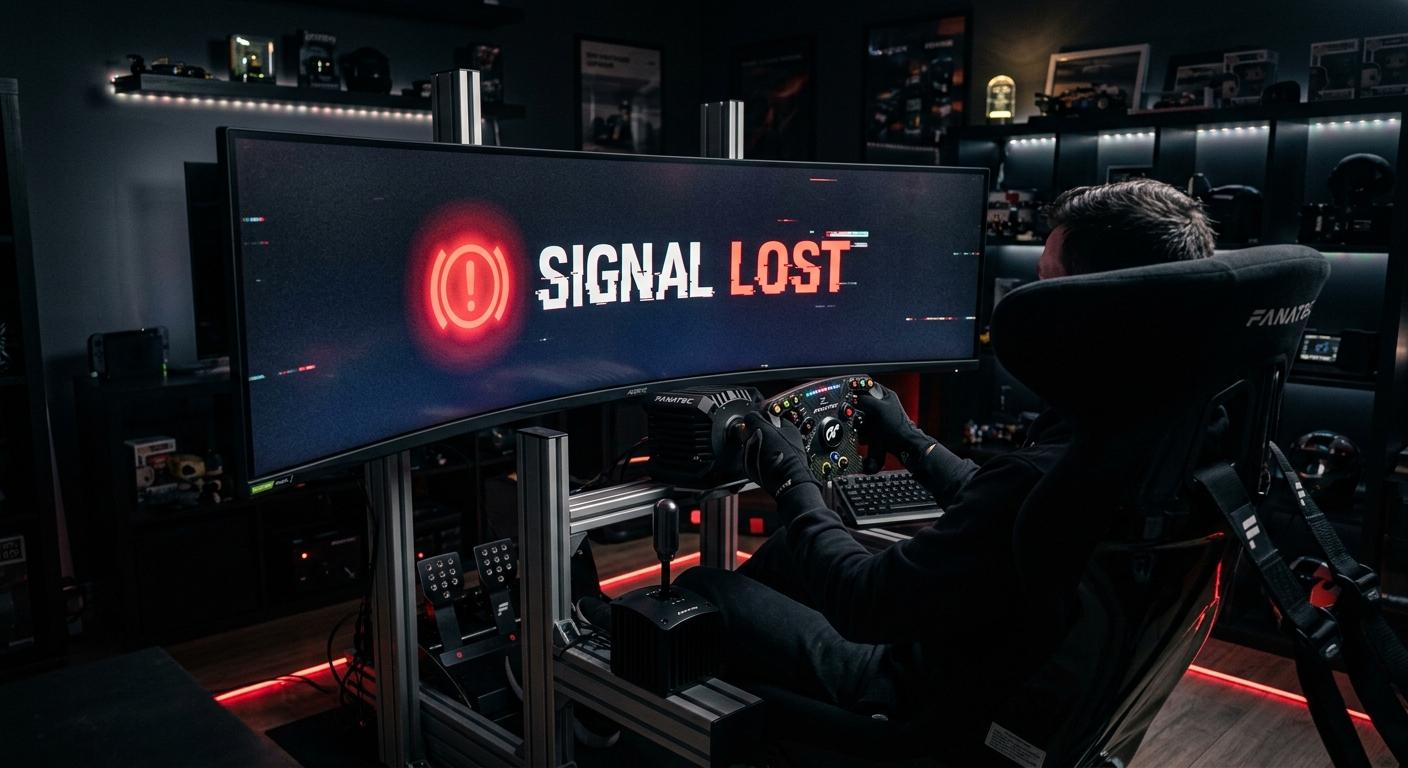
Learn how sim racing league organizers handle hardware failures like power outages or VR tracking loss to maintain competitive integrity and fair points systems.
The Stewarding Dilemma: Is a Hardware Failure an 'Incident'?
The first hurdle for race control is distinguishing a hardware failure from a standard racing incident or a connection issue like "netcode." While netcode is often a predictable byproduct of latency and server synchronization, a hardware blowout is usually a sudden, catastrophic loss of control originating from the driver's local environment. Stewards must decide if the event should be classified as a mechanical failure—similar to an engine blowout in real-world motorsport—or a preventable error.The primary goal is to ensure that the results of the race are not disproportionately skewed by technical anomalies. While the driver experiencing the failure is already penalized by a DNF, the stewards' priority is the impact on the rest of the grid.
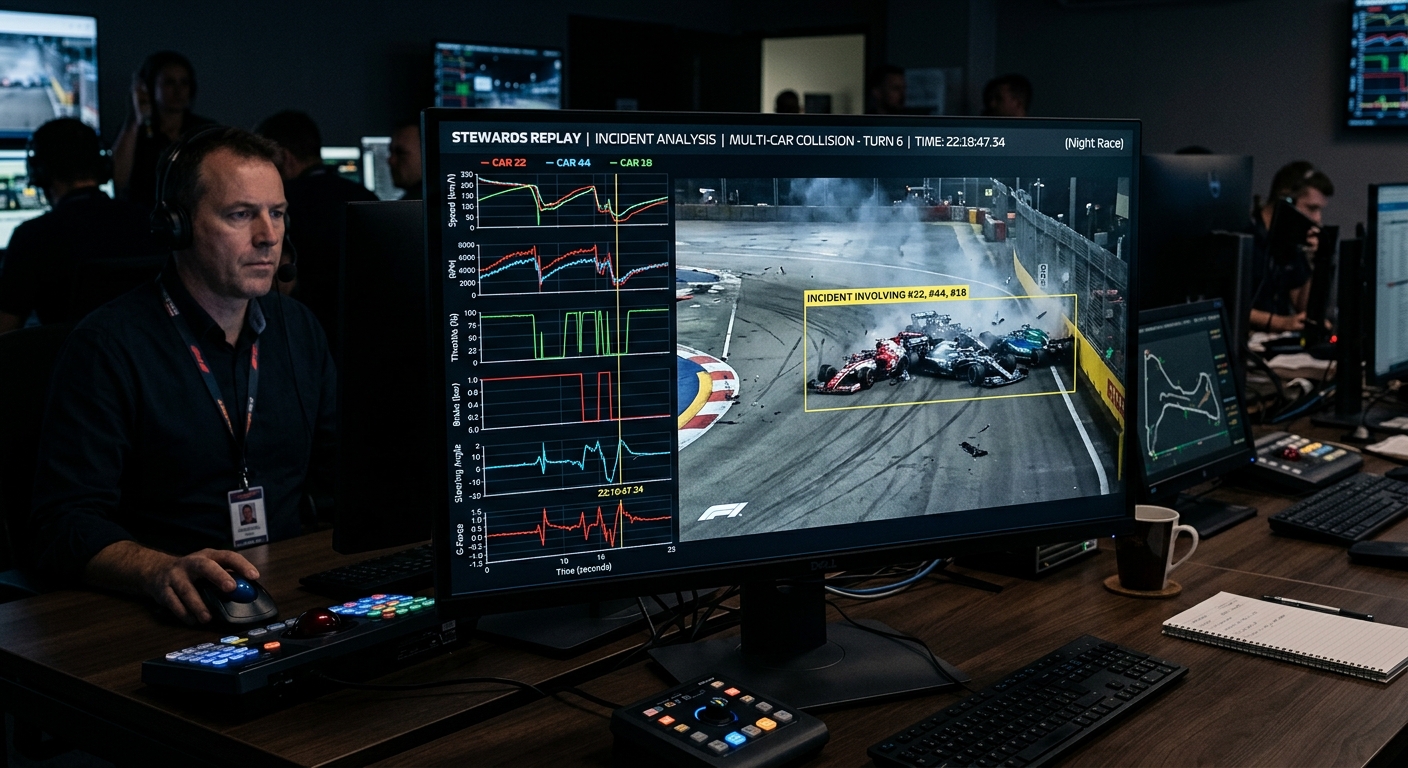
Defining Fault: Who is Responsible for a Technical Multi-Car Collision?
When a technical failure leads to a multi-car pile-up, determining liability is the steward's most difficult task. Most professional leagues adopt the stance that a driver is ultimately responsible for the state of their hardware. However, a distinction must be made between negligent maintenance and an "act of God."Negligent Maintenance: Using unstable overclocks, frayed cables, or poorly mounted sensors that lead to predictable failures.Technical Anomaly: Sudden hardware death, such as a Moza R12 power failure or a Pimax tracking loss, which could not be reasonably foreseen.Using a platform like FairGrid allows stewards to review telemetry and driver inputs to confirm that control was lost due to hardware rather than human error, ensuring safety ratings are handled fairly.
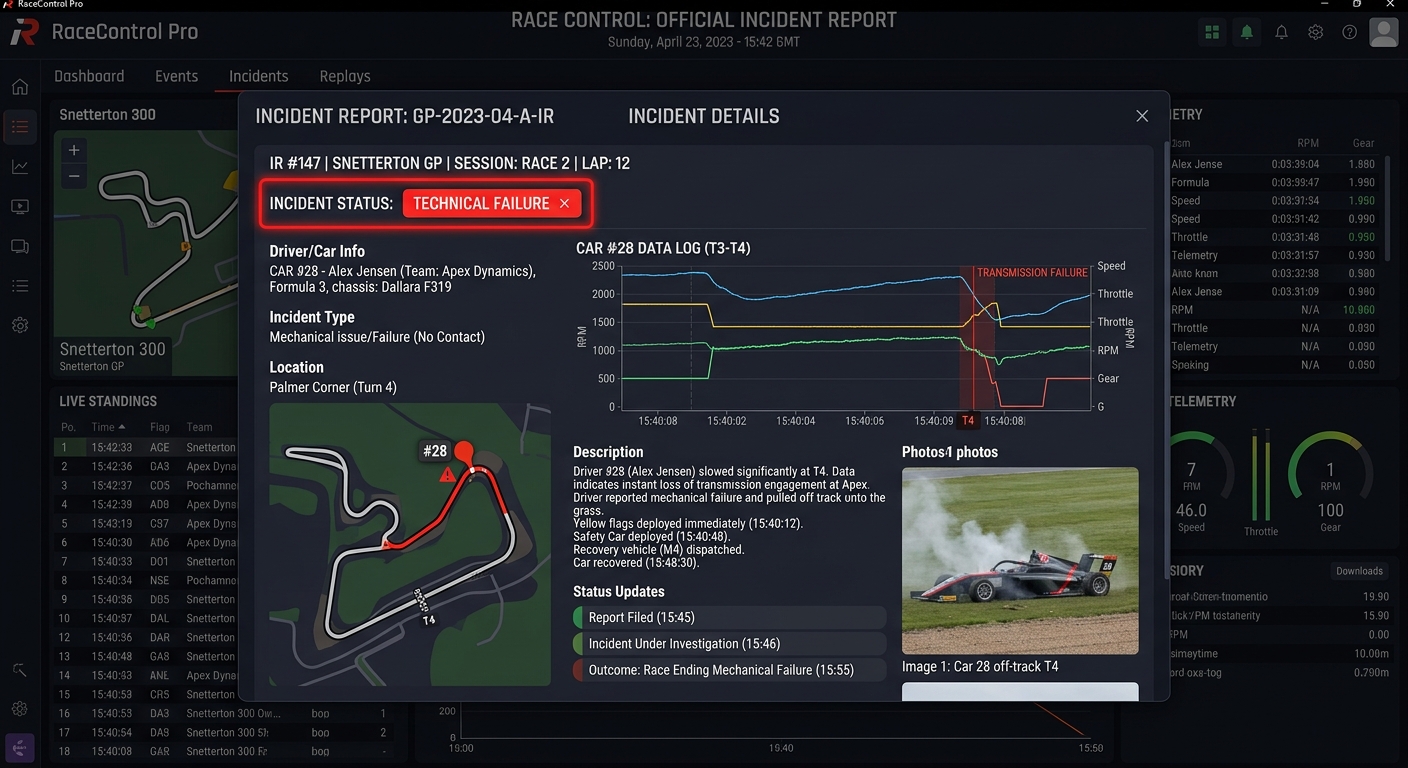
Crafting a Robust Disconnect Policy for Your Sim Racing League
To avoid post-race controversy, every league needs a standardized disconnect policy codified in their rulebook. This policy should define how points are awarded for technical DNFs. A common standard is to award partial points to any driver who has completed at least 75% of the total race distance before the failure occurred. Furthermore, leagues must define "Force Majeure" for widespread server issues versus individual gear failures.By maintaining a transparent, accessible rulebook through FairGrid, organizers can reduce driver frustration and ensure that every technical DNF is handled with total consistency, preserving the competitive integrity of the championship.

Standardize Your League's Integrity with FairGrid
Tired of manual protests and rulebook disputes? Use FairGrid to manage your league’s incident reviews and maintain professional competitive integrity with ease.