FAQ
How do you manage driver fatigue in 3-hour sim races?
Organizers should encourage mandatory pit windows or driver swaps to ensure participants remain alert and minimize unforced errors caused by exhaustion.
What are the best stewarding practices for night racing?
Focus on proximity awareness and light usage violations. Implementing automated alerts for off-tracks helps stewards identify struggling drivers before accidents occur.
How can leagues prevent lap-one disasters in endurance formats?
Applying stricter, non-negotiable penalties for opening-lap contact discourages the 'win it in the first corner' mentality common in lower-tier lobbies.
Does endurance racing affect my Assetto Corsa Competizione SA rating?
Yes, long-form races provide more opportunities for Trust points but also higher risks of accidents. Consistent, predictable driving is key to maintaining a high SA.
How does FairGrid assist with endurance league operations?
FairGrid automates the incident reporting and review process, allowing organizers to handle large volumes of protests common in long-format racing with ease.
Beyond Survival: How League Organizers Manage Integrity in 3-Hour Endurance Races
beyond-survival-3-hour-endurance-race-management
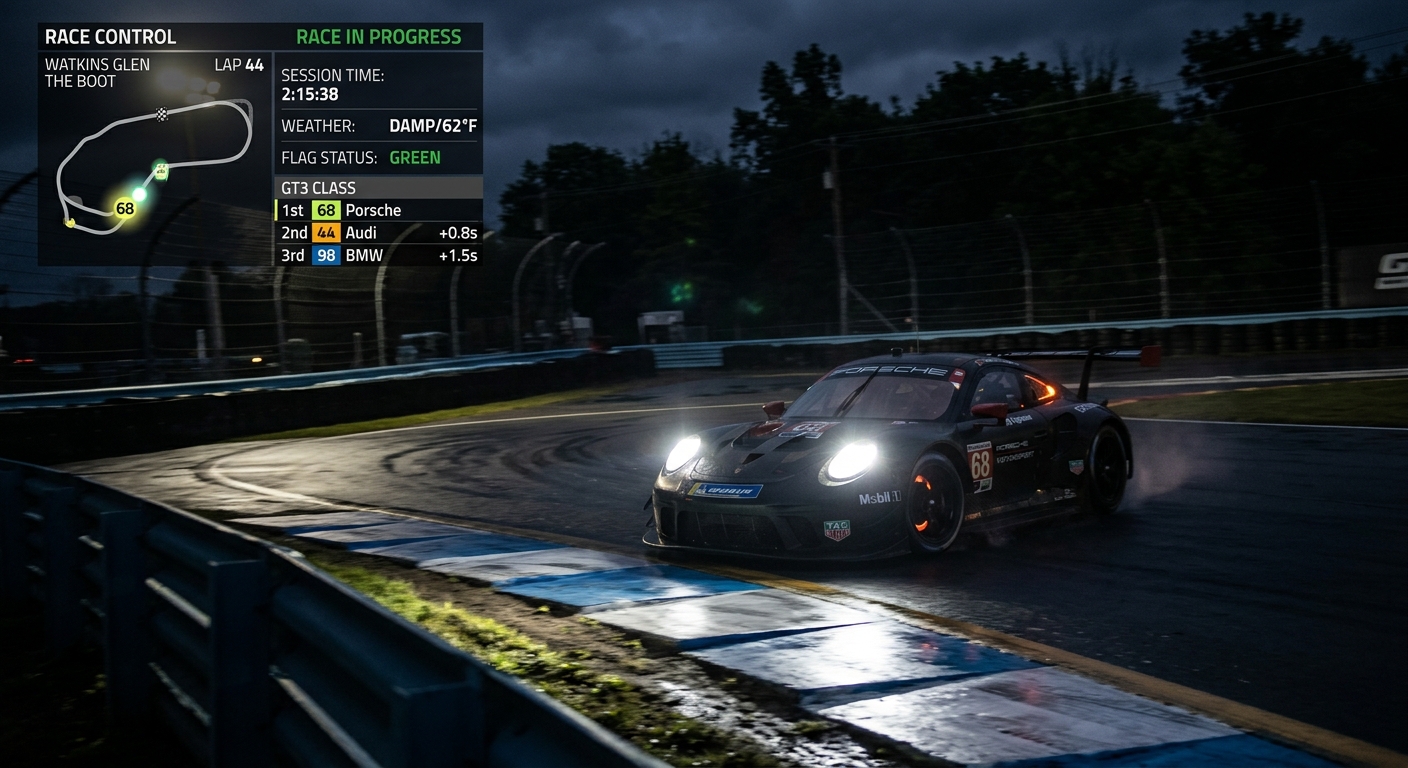
Discover how sim racing league organizers manage safety, driver fatigue, and night racing visibility to maintain competitive integrity during 3-hour endurance events.
The Endurance Dilemma: Balancing Speed with Survival
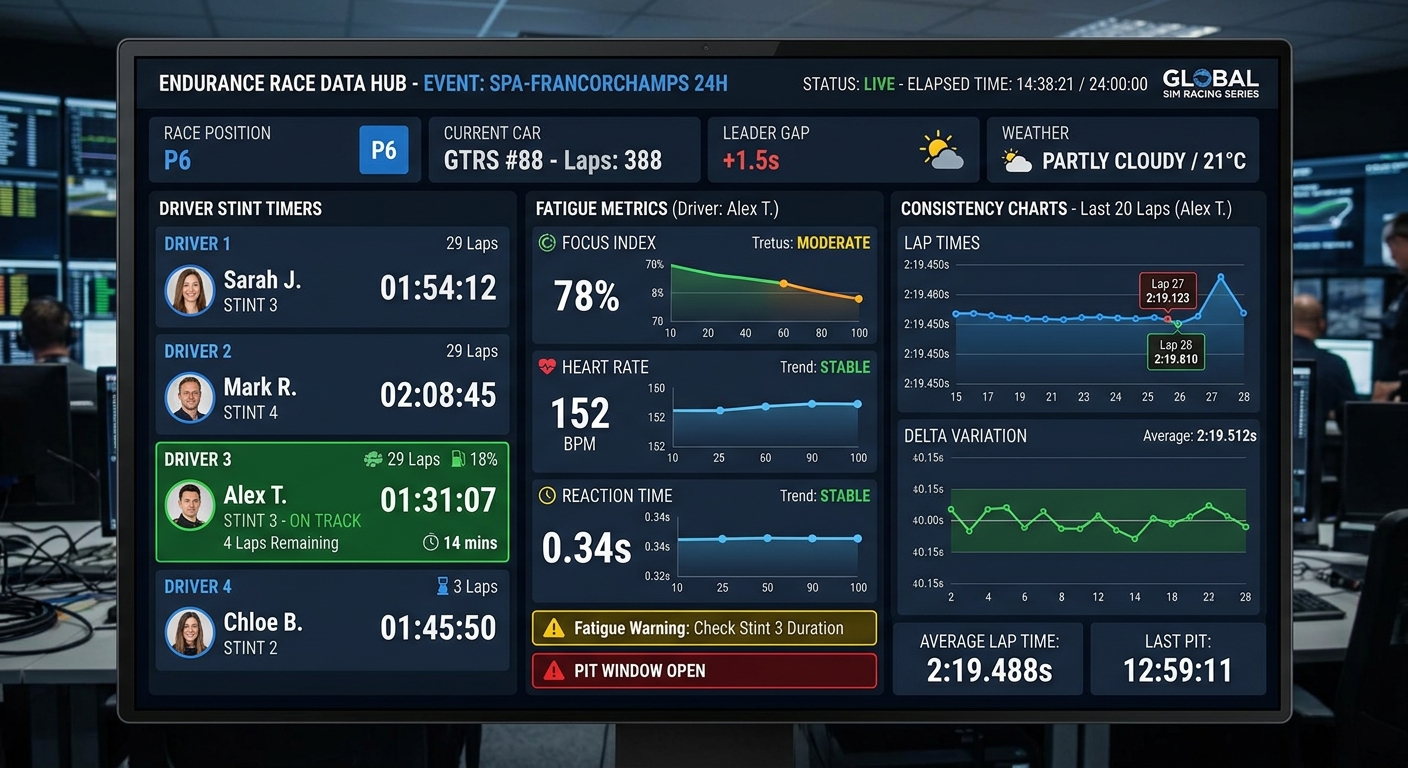
In long-form sim racing, the 'just survive' mantra is common, yet it can lead to a passive or overly aggressive environment if not managed. Organizers must address driver fatigue, which typically peaks after 90 minutes of continuous racing. When focus slips, unforced errors become collisions that can ruin hours of effort for multiple teams. Effective league management involves tracking driver consistency and using tools that monitor stint lengths and safety trends, ensuring that the competitive spirit remains high without sacrificing the integrity of the event.
Stewarding the Darkness: Race Control Challenges in Night Racing
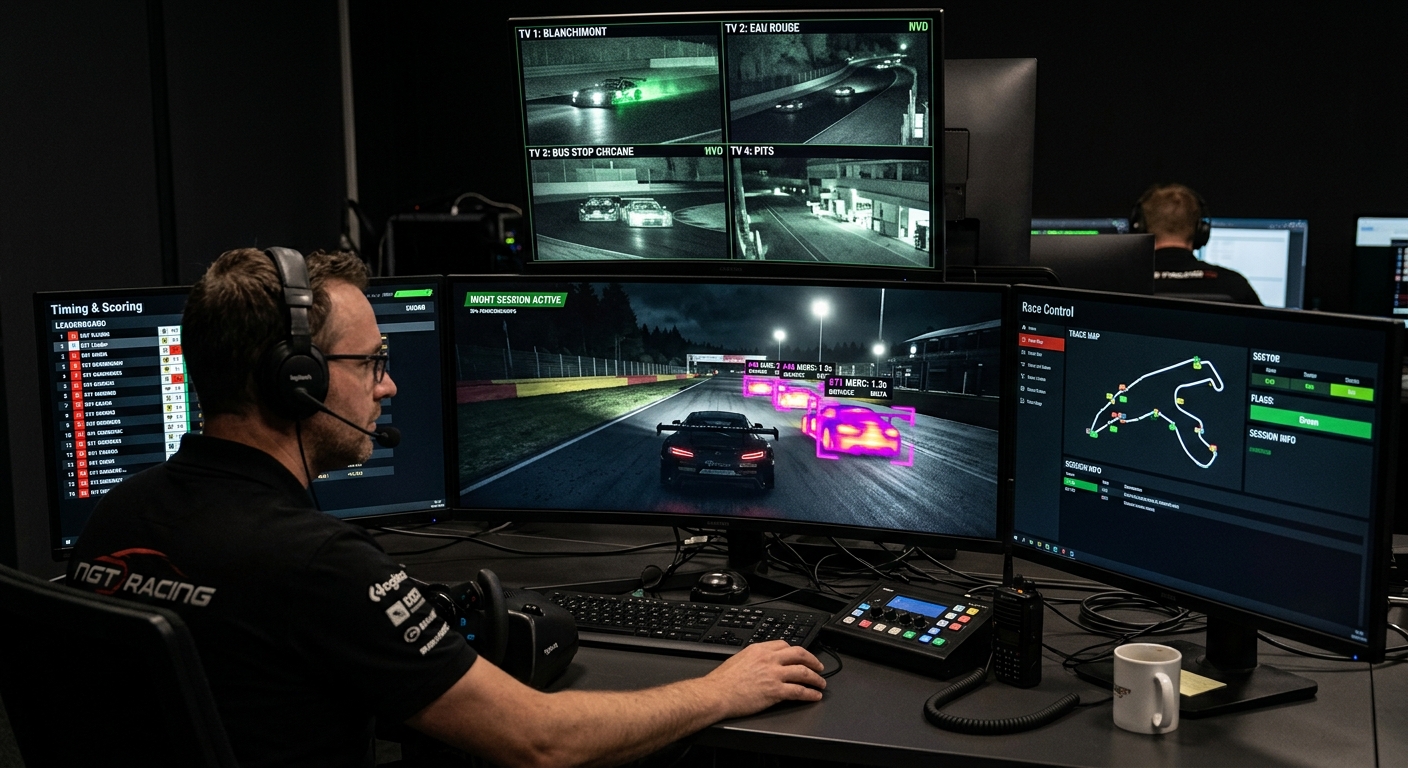
Night racing at circuits like Watkins Glen removes traditional visual cues, making proximity awareness difficult. This lack of visibility often leads to high-consequence incidents during lap one or when faster classes attempt to lap slower traffic. Stewards must adapt by implementing specific night-racing protocols, such as stricter penalties for avoidable contact under limited light. Utilizing automated incident detection allows race control to focus on high-risk areas of the track, ensuring that the chaos of the dark doesn't undermine the fairness of the competition.
Maintaining Safety Ratings Across Multi-Stint Events
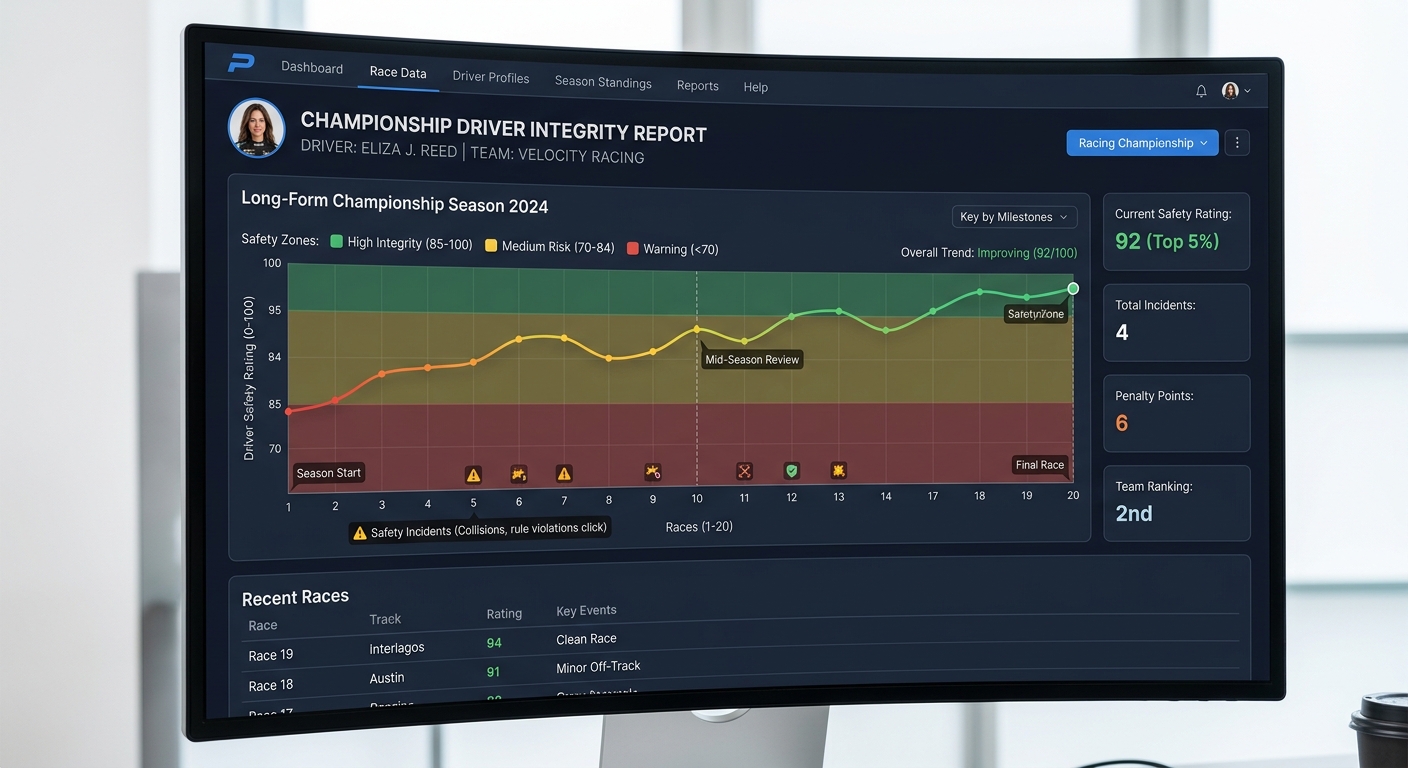
For many competitive drivers, the impact of an endurance race on their Safety Rating (SA) is a primary concern. A single multi-car pile-up in a 3-hour race can undo weeks of clean driving. League organizers have a responsibility to protect driver integrity by standardizing penalties for opening-lap incidents and implementing proactive race control. By using automated systems to log incidents and review protests efficiently, leagues can maintain a high standard of racing that rewards consistency and careful navigation over pure, risky pace.
Scale Your Endurance League with FairGrid
Managing a 3-hour endurance race shouldn't be a test of your endurance as an organizer. FairGrid provides the automated stewarding and incident management tools you need to maintain competitive integrity from the green flag to the finish line. Professionalize your race control today.