FAQ
What is the main difference between public servers and league racing?
Public servers prioritize casual fun and high-risk maneuvers, while league racing focuses on safety, consistency, and strict adherence to rules.
Why do I get penalized in leagues for moves that work in traffic?
Moves that work in traffic often violate racing etiquette, such as blocking or dive-bombing, which are penalized in league environments.
How does FairGrid help maintain driving standards?
FairGrid automates the incident review process, providing fast and objective penalties that encourage drivers to adhere to higher safety standards.
What is predictive driving in a sim racing context?
Predictive driving involves anticipating potential incidents by watching the behavior and positioning of cars far ahead of your own position.
How can league managers handle drivers transitioning from casual servers?
Managers should use automated stewarding and safety ratings to provide clear feedback and set expectations for new drivers entering the league.
Beyond the Chaos: Mastering Driving Standards in Assetto Corsa Traffic
beyond-the-chaos-mastering-driving-standards-assetto-corsa
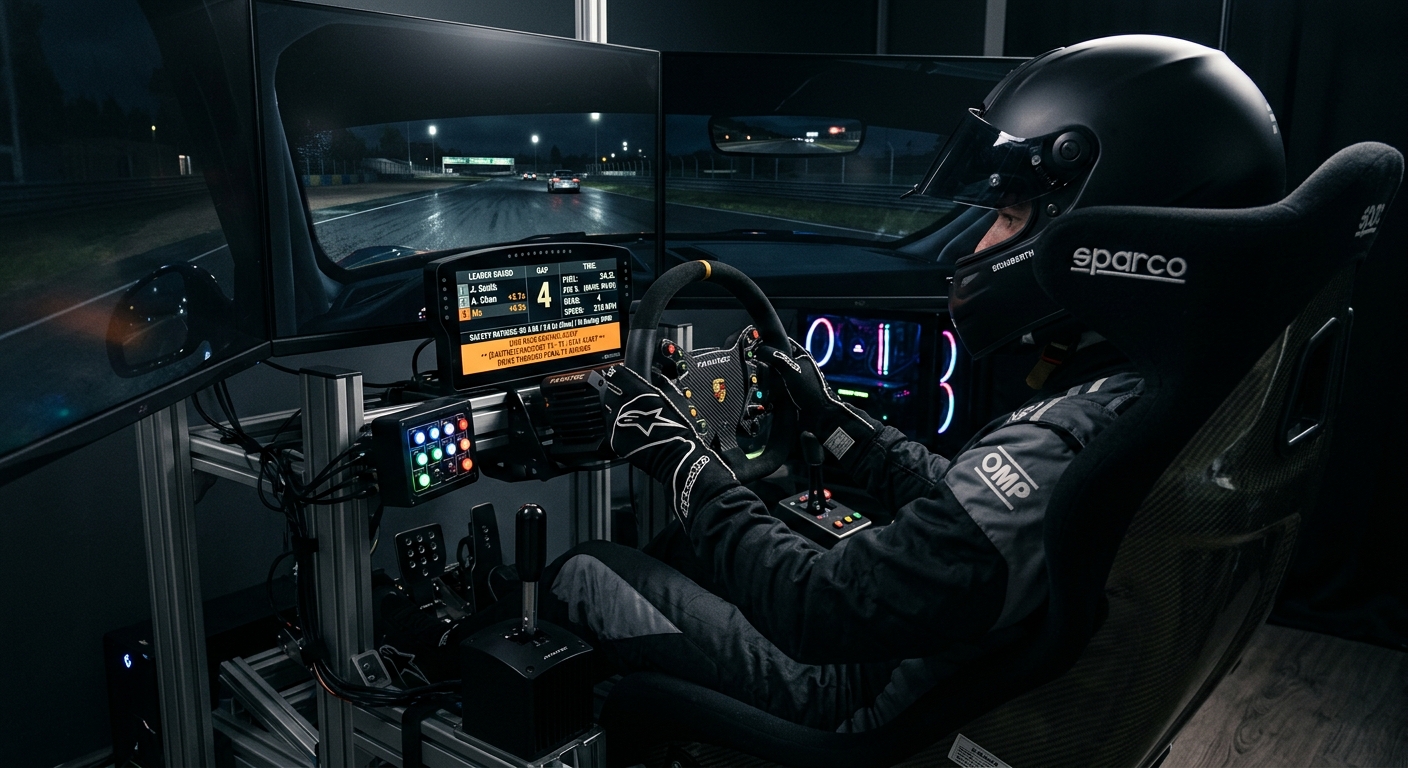
Learn how to transition from the high-speed chaos of public Assetto Corsa servers to disciplined league racing with professional driving standards and competitive integrity.
The Thrill and Risk of High-Speed Public Servers
Public servers offer an adrenaline-filled escape where weaving through traffic is often the primary goal. However, these environments lack the consequences found in organized leagues. When drivers move to a competitive setting, they often bring aggressive habits such as late lunges and erratic lane changes. In a league, these behaviors are seen as liabilities that threaten the safety of the entire field. Transitioning successfully requires a fundamental shift in mindset from survival-of-the-fastest to disciplined racecraft where every move is calculated and respectful.
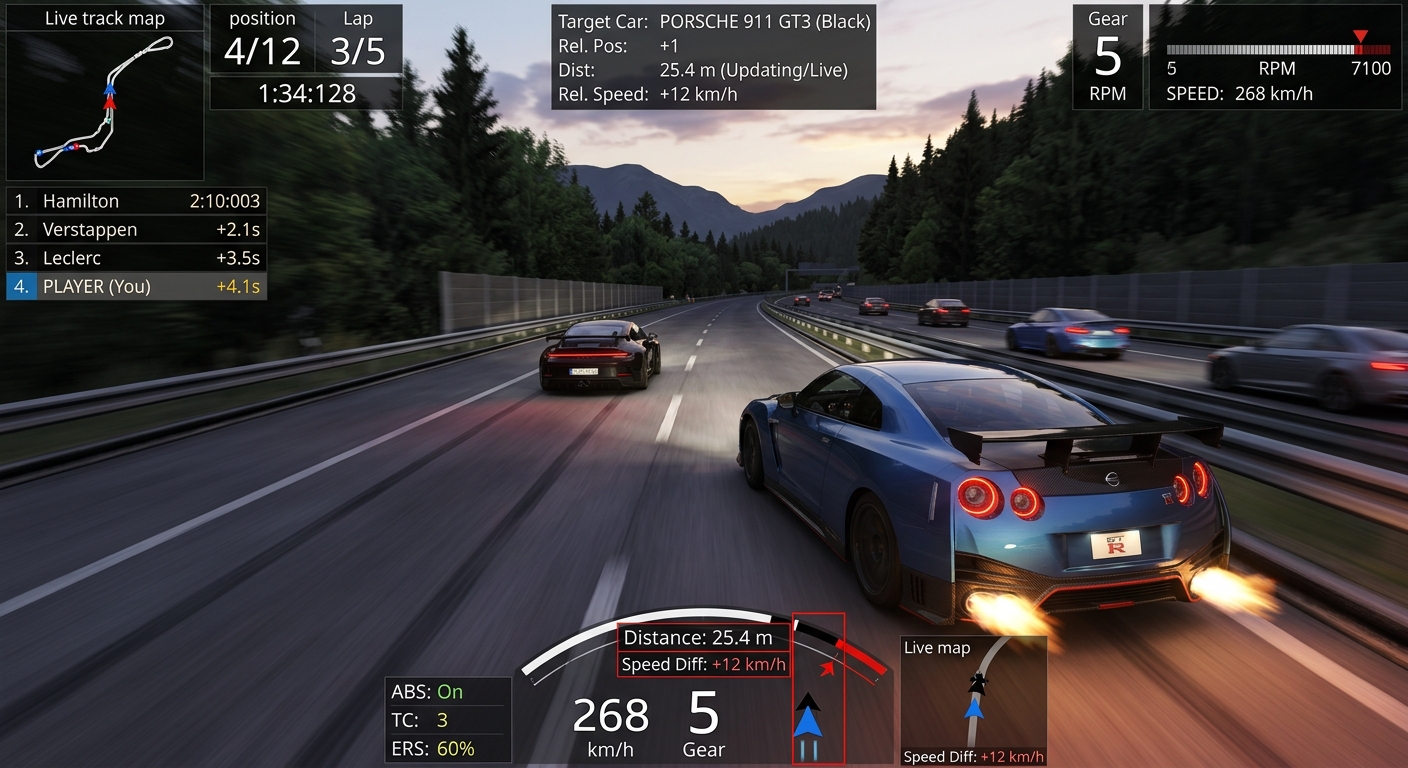
Predictive Awareness: The Key to Avoiding Race Incidents
Predictive awareness is the cornerstone of high-level sim racing. Unlike public lobbies where you react to the car immediately in front, league racing requires you to look three or four cars ahead. Understanding the flow of traffic and anticipating where gaps will close is essential to avoiding multi-car pileups. Drivers must learn to hold their lines and communicate intent through predictable car positioning. This discipline reduces the need for emergency maneuvers and minimizes the risk of stewards having to intervene after the race.
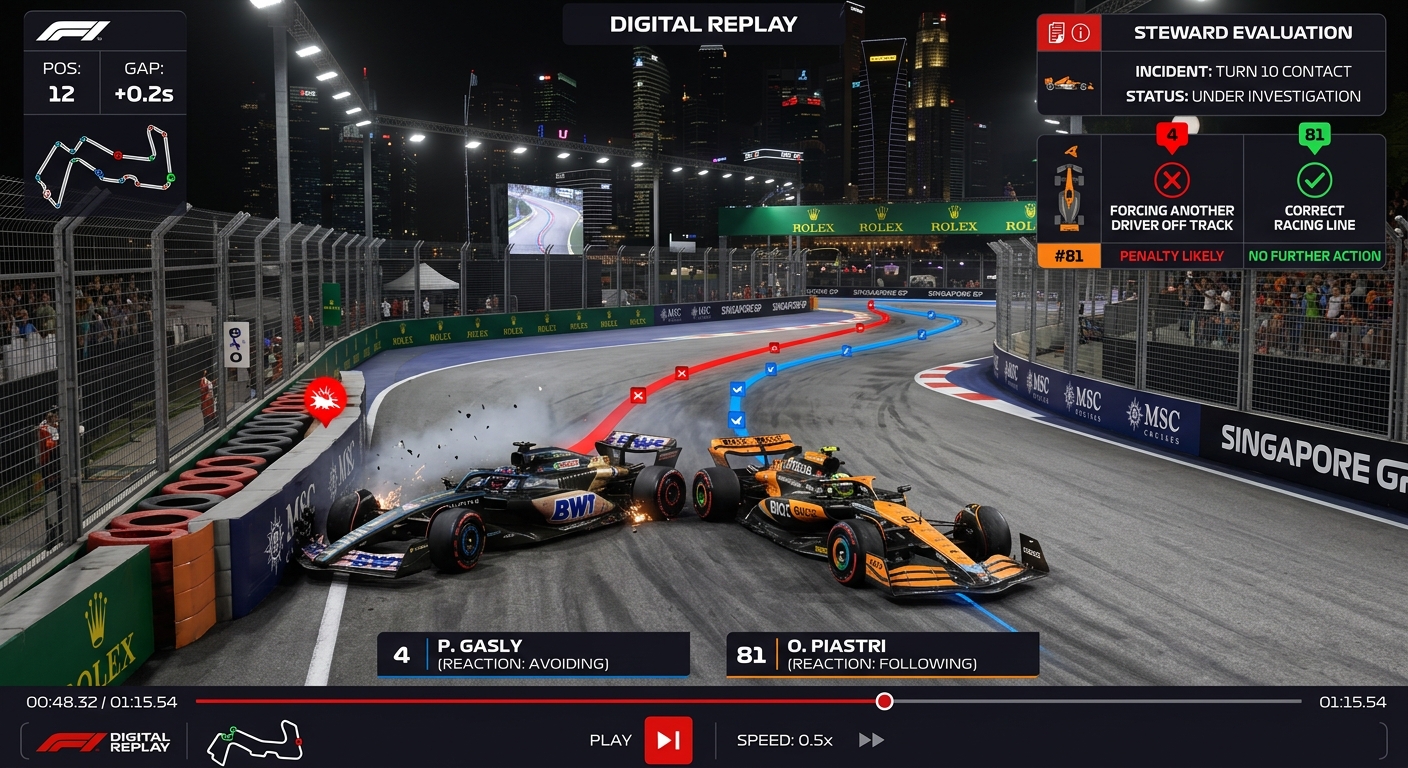
How Race Control and Safety Ratings Clean Up the Grid
Competitive integrity relies on the consistent application of rules and the presence of oversight. Systems like safety ratings and automated stewarding bridge the gap between casual fun and professional standards. For league managers, maintaining these standards manually can be an overwhelming task. By implementing automated race control and incident review platforms like FairGrid, leagues can provide immediate feedback to drivers. This helps newcomers understand the boundaries of acceptable racing while ensuring that veteran drivers enjoy a clean and fair competitive environment.

Automate Your League Stewarding with FairGrid
Ready to move beyond the chaos? FairGrid helps league organizers automate incident reviews and enforce professional driving standards without the manual overhead. Empower your race control today.