FAQ
What exactly is a Safety Rating (SR)?
Safety Rating is a numerical value used by sim platforms to track a driver's ability to race without incidents like off-tracks or collisions.
Does my speed affect my Safety Rating?
No, Safety Rating is usually based on your incident-free laps and predictable driving, not your raw speed or finishing position.
What is the 'Vortex of Danger'?
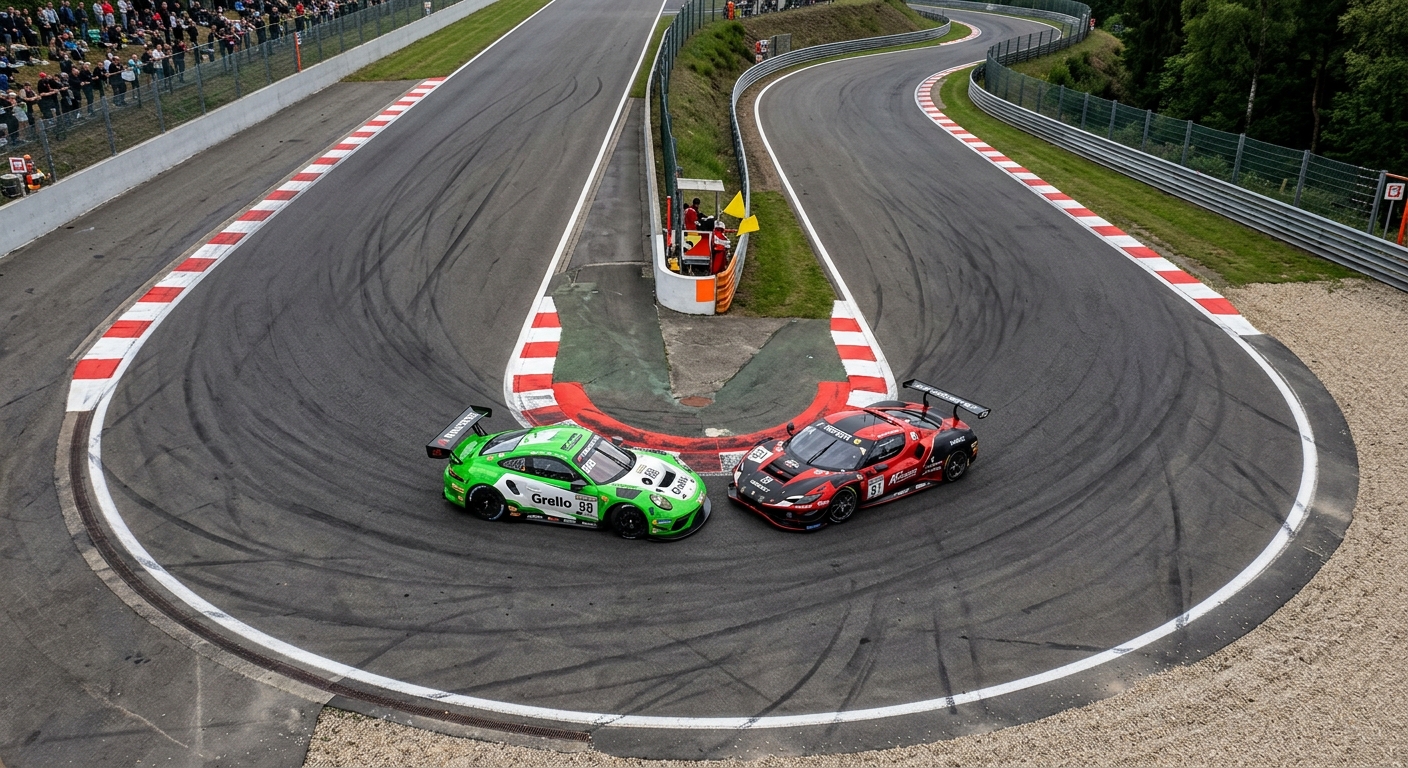
It refers to the blind spot during corner entry where attempting a late pass often leads to unavoidable contact.
Why is 'holding brakes' after a crash so important?
Holding your brakes prevents your car from rolling unpredictably across the track, which helps other drivers avoid your stationary vehicle.
Why do leagues have their own stewarding systems?
Leagues use custom stewarding to enforce specific standards of conduct that automated systems might miss, ensuring the highest level of fair play.
Beyond the Rig: Why Your Safety Rating Matters More Than Your Direct Drive Wheel
beyond-the-rig-safety-rating-vs-hardware
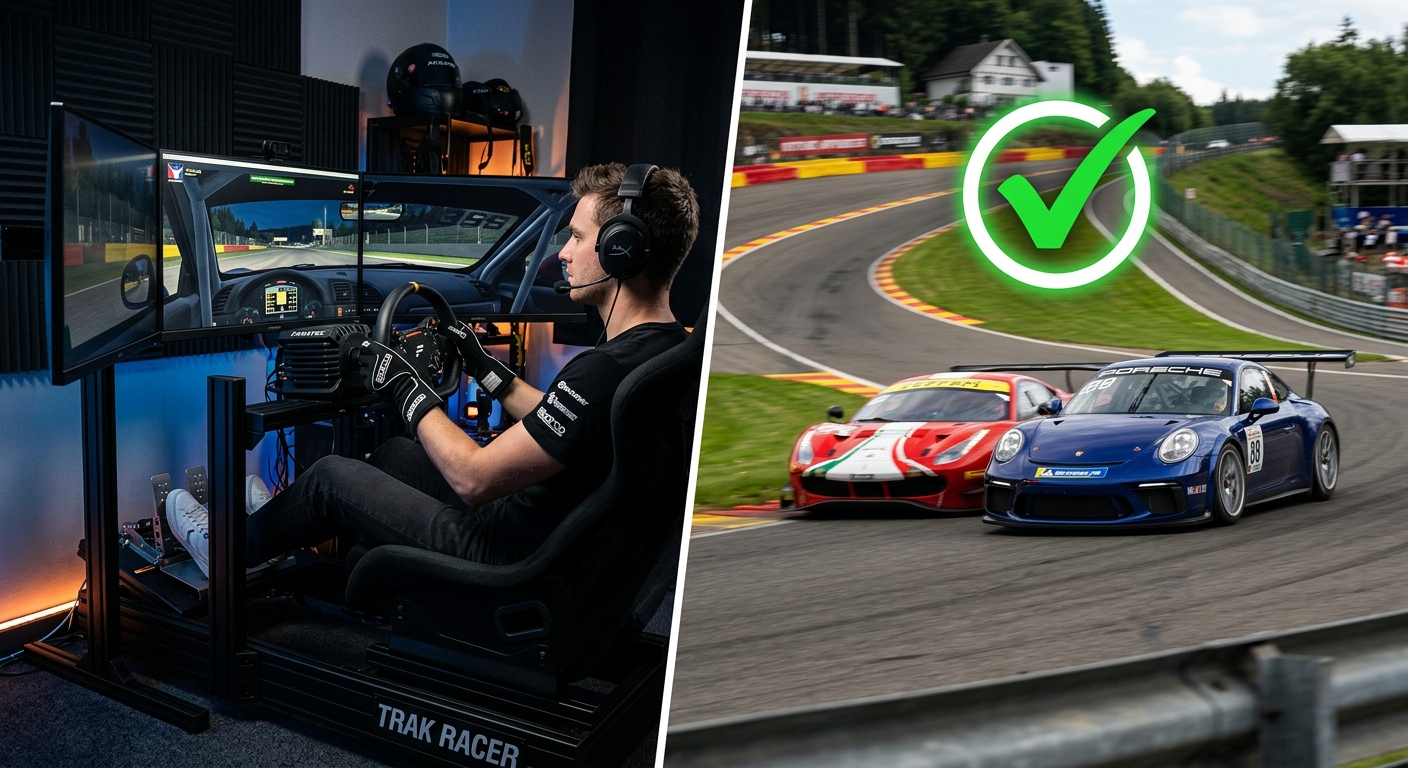
Investing in a high-end sim racing rig is only the first step. Learn why mastering safety ratings and etiquette is crucial for transitioning from casual to competitive racing.
The Gear Trap: Why Expensive Pedals Won't Fix Your Safety Rating
A common mistake for newcomers is believing that faster gear automatically leads to cleaner racing. While a high-end wheel provides better force feedback, it does not teach you the 'vortex of danger' or the importance of holding your brakes after an incident. In competitive environments like iRacing or Le Mans Ultimate, the focus shifts from raw lap times to your ability to navigate traffic safely. If you treat every corner like an arcade game, you will find your safety rating plummeting regardless of your equipment. True progression comes from developing the discipline to prioritize finishing a race over winning a single corner.

Understanding the Progression: From Casual Laps to Competitive Stewarding
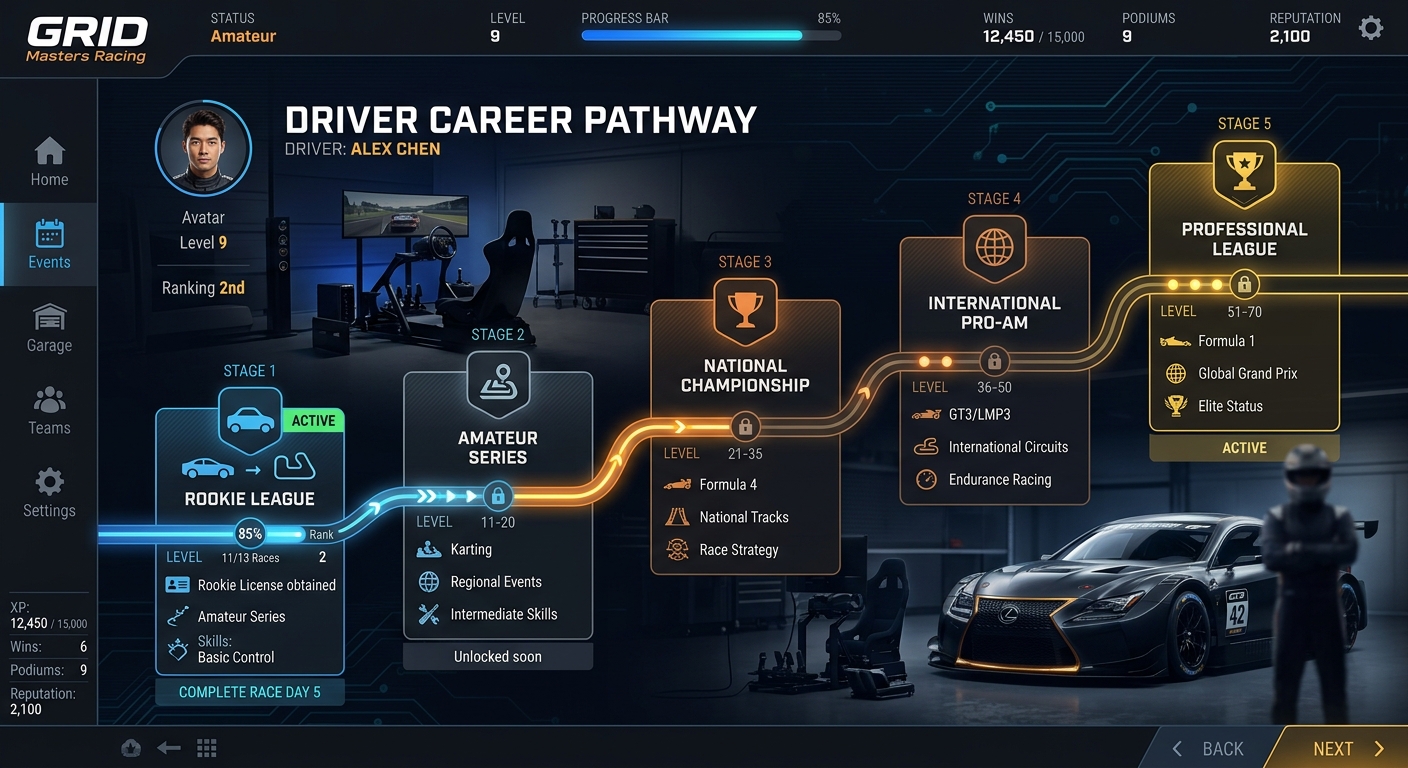
Competitive sim racing is built on a ladder system designed to protect the quality of the racing. You typically start in rookie tiers where the primary goal is survival and consistency. As you demonstrate predictable behavior and avoid contact, your rating increases, unlocking access to more disciplined leagues. This progression mirrors professional motorsport, where race control monitors every move to ensure a level playing field. Understanding that penalties are a tool for education rather than just punishment is the first step toward becoming a respected member of the community.
The Most Common Rookie Penalties and How to Avoid Them
Most penalties in organized racing stem from a lack of situational awareness. The most frequent infractions include unsafe rejoins after a spin, moving under braking, and failing to leave a car's width of space during side-by-side battles. These actions are often the difference between a successful league entry and a ban. To avoid these, practice 'active' racing—constantly checking mirrors and anticipating the moves of others. League organizers value drivers who are predictable and safe over those who are fast but erratic. Building a reputation for clean racing is your most valuable asset in the sim racing world.
Ready to Race with Integrity?
FairGrid empowers league organizers with advanced, AI-assisted stewarding tools to keep the competition clean and fair. Join a community that values your skill and your sportsmanship equally.