FAQ
What is the iRacing Sporting Code?
The Sporting Code is the official rulebook for iRacing, outlining driver conduct, penalty structures, and the rules of fair competition.
What is a 'Racing Incident'?
A racing incident is an accidental collision where no single driver is primarily at fault or where a mistake occurred without malice.
How do I avoid the Vortex of Danger?
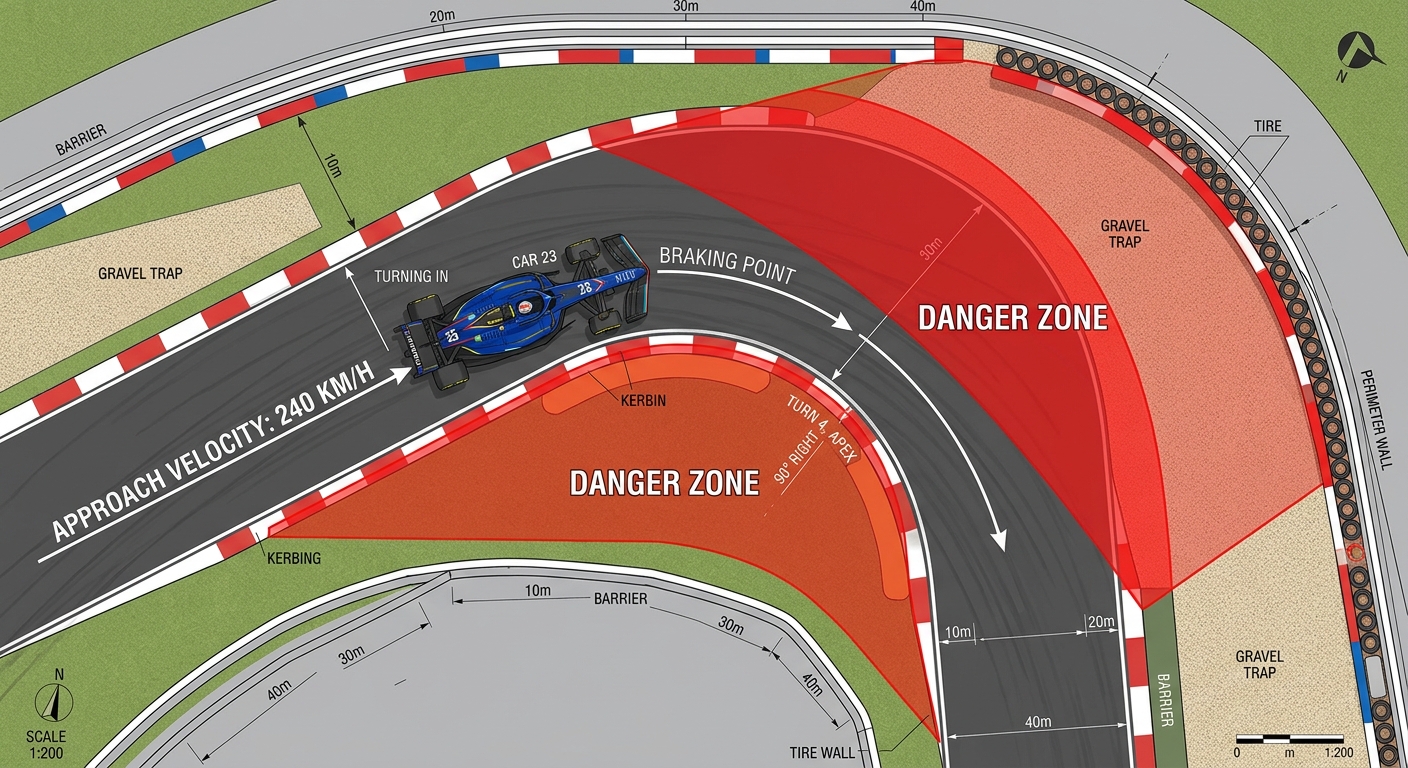
Avoid the Vortex of Danger by ensuring you have significant overlap with the car ahead before they reach the turn-in point of a corner.
Does a higher Safety Rating make me faster?
While it doesn't increase raw speed, a higher SR means you finish more races and spend less time in the pits for repairs.
Can I protest someone for a simple mistake?
No, protests are intended for intentional wrecking, competition issues, or egregious violations of the Sporting Code, not honest mistakes.
Beyond the Sporting Code: Why Competitive Integrity Starts with the iRacing Driving School
beyond-the-sporting-code-iracing-driving-standards
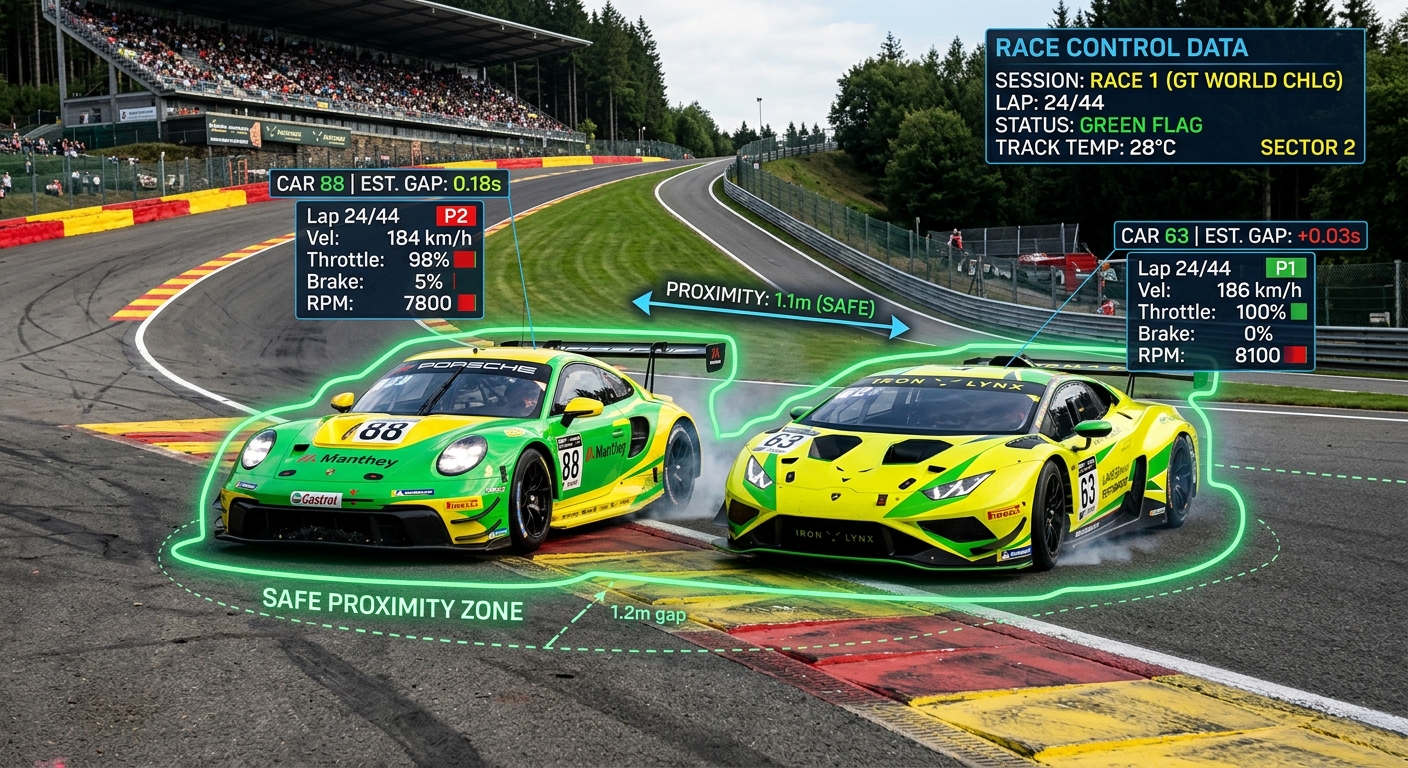
Master the iRacing Sporting Code and essential racing etiquette to improve your safety rating and competitive integrity. Learn to avoid common incidents and race like a pro.
The Foundation of Fair Play and Steward Perspectives
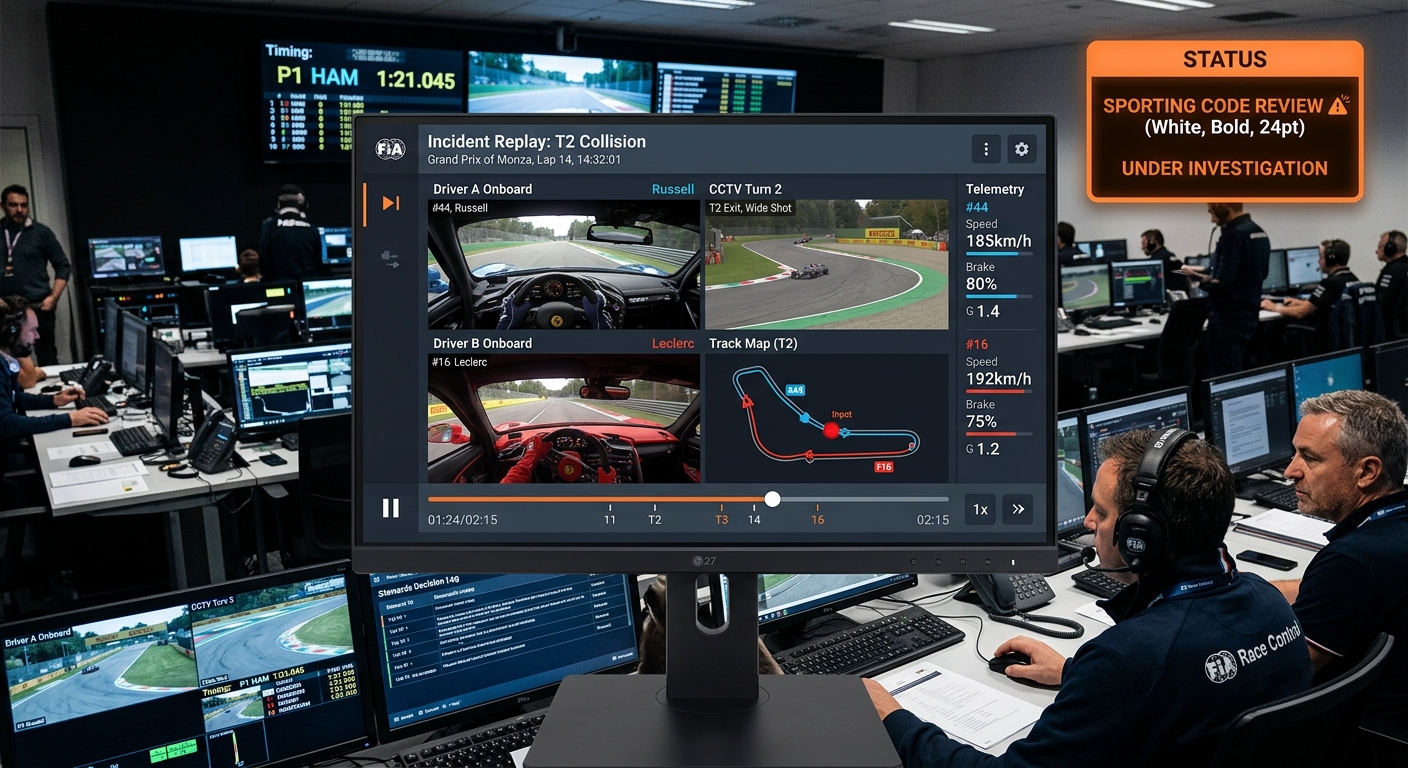
The iRacing Sporting Code serves as the constitution for online competition, yet many drivers treat it as optional reading. Understanding the difference between a racing incident and a protestable offense is the first step toward becoming a better driver. A racing incident is typically a mistake made in the heat of battle, such as a locked brake or a slight misjudgment of speed. In contrast, a protestable offense involves intentional malice, such as retaliatory contact or blocking. From a steward's perspective, analyzing intent and negligence is key. By internalizing these rules, drivers can focus on clean racing rather than getting caught in the cycle of post-race protests.
The Art of the Overtake and the Vortex of Danger
Most mid-pack incidents occur because drivers fail to respect the Vortex of Danger. This concept describes the area alongside a leading car that disappears the moment they begin their turn-in to a corner. If a trailing driver enters this zone too late, contact is almost inevitable because the leading driver can no longer see the attacker. Improving your driving standards means learning to recognize when a gap is closing and having the discipline to back out. Mastering the art of the overtake requires establishing significant overlap before the braking zone, ensuring both drivers can navigate the corner safely and preserve their safety ratings.
Improving Safety Rating Through Better League Etiquette
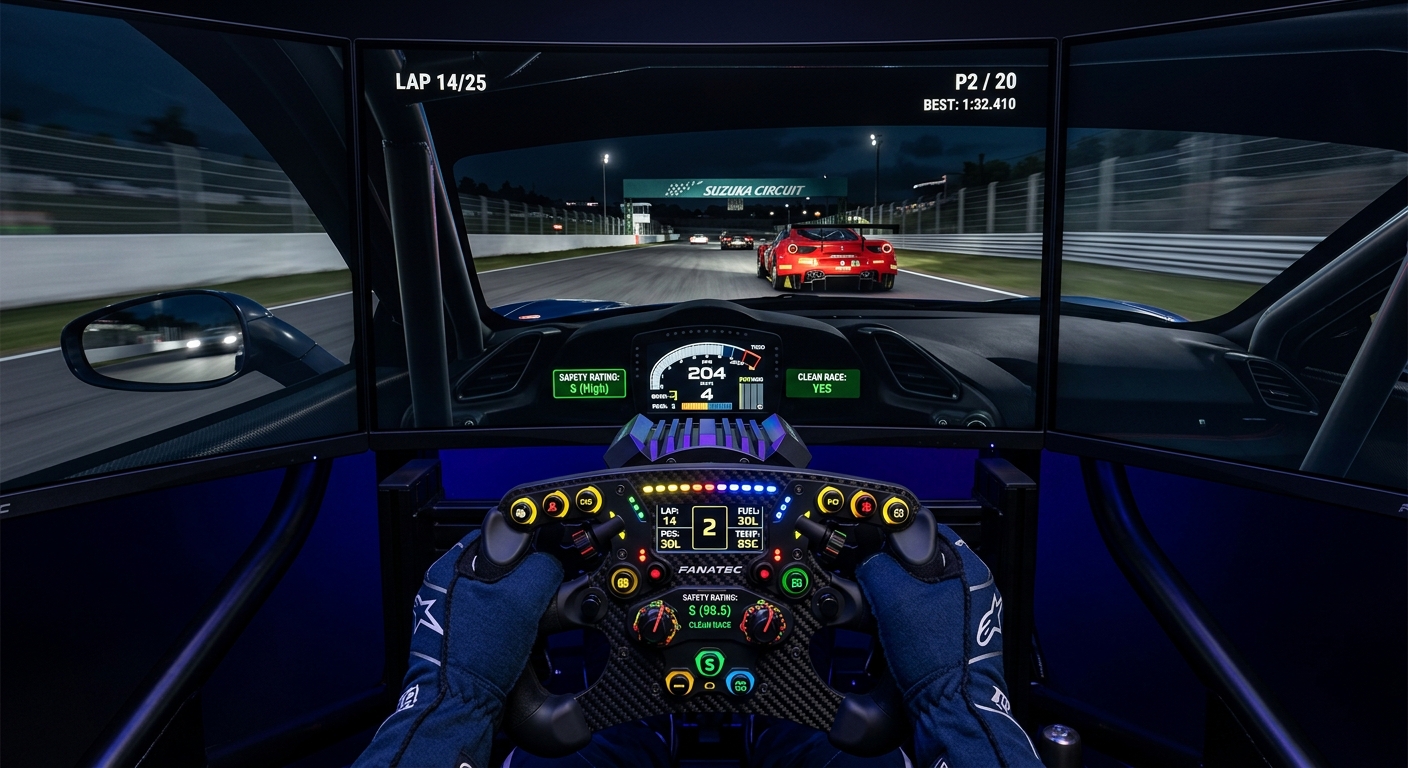
A high safety rating is not just a requirement for license progression; it is a badge of reliability. Improving your defensive etiquette by being predictable and communicative on track directly impacts your SR and your reputation in the community. League organizers particularly benefit from drivers who adhere to shared racing standards, as it reduces the burden on race control and ensures a higher quality of competition. When every driver prioritizes integrity over a win-at-all-costs mentality, the entire ecosystem thrives. Standardizing these behaviors allows platforms like FairGrid to provide more accurate AI-assisted stewarding, focusing on high-level strategy rather than basic rule enforcement.
Join the Standard of Professionalism
Ready to race in an environment where competitive integrity comes first? Join a league on FairGrid today and experience the difference that professional stewarding and clean racing standards make to your sim racing career.