FAQ
What is the difference between a racing incident and unsportsmanlike conduct?
A racing incident is an accidental mistake made while competing fairly, whereas unsportsmanlike conduct involves intentional griefing, dangerous rejoins, or a total disregard for other drivers' safety.
Why is holding the brakes during a spin so important?
Holding the brakes makes your car's movement predictable for trailing drivers, preventing your car from rolling back into the racing line and causing a massive pileup.
Can automated systems like iRacing's SR detect bad etiquette?
No. Automated systems track contact but cannot judge intent, context, or the lack of an apology, which is why human or AI-assisted stewarding is essential for high-quality racing.
How do high-iRating drivers maintain respect in close quarters?
Experienced drivers prioritize finishing the race over a single corner. they rely on predictable movements, give space where it is earned, and communicate intent through clear car placement.
Why should I join a league instead of just racing in public lobbies?
Leagues offer social accountability and human stewarding, ensuring that drivers who ignore etiquette face consequences that automated systems might miss, leading to much cleaner racing.
Beyond the Sporting Code: Why Etiquette and Sportsmanship Define Elite Sim Racing
sim-racing-etiquette-sportsmanship-guide

Master the unwritten rules of sim racing. Learn why technical legality isn't enough, the danger of unsafe rejoins, and how professional stewarding builds a cleaner racing community.
The Unwritten Rules: Why Technical Legality Isn't Enough
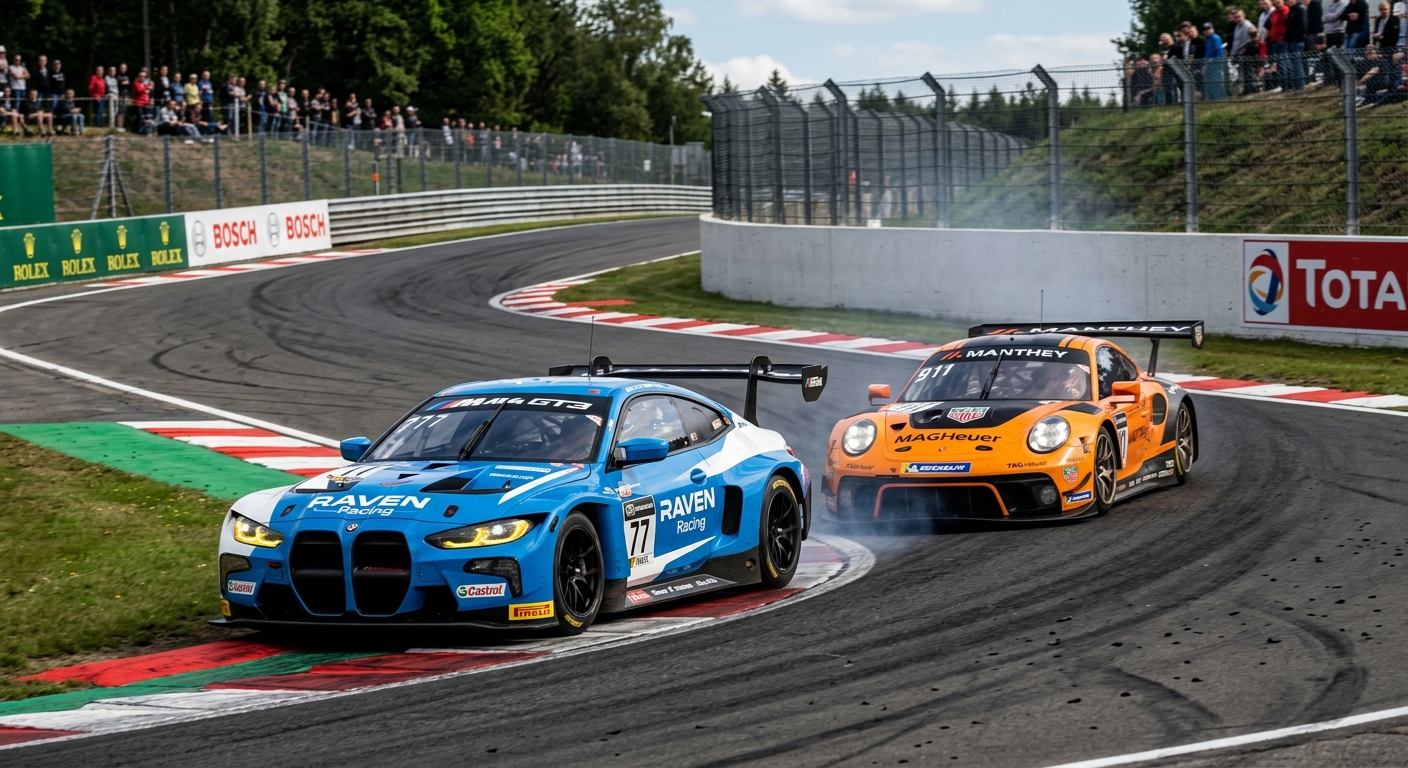
In many public lobbies, drivers operate under the assumption that if the automated system didn't penalize them, the move was fair. However, the Sporting Code is a floor, not a ceiling. A move can be technically legal—like a late defensive lunge that forces an opponent off track—but still be considered poor etiquette. High-level competitive integrity relies on drivers recognizing when a move is disrespectful despite not triggering a penalty. This level of respect is what 4k iRating battles teach us: when drivers trust each other to race hard but fair, the quality of competition rises for everyone. Mindful racing means considering the psychological impact of your moves on the community.
The Anatomy of Frustration: Unsafe Rejoins and Cold Tire Management
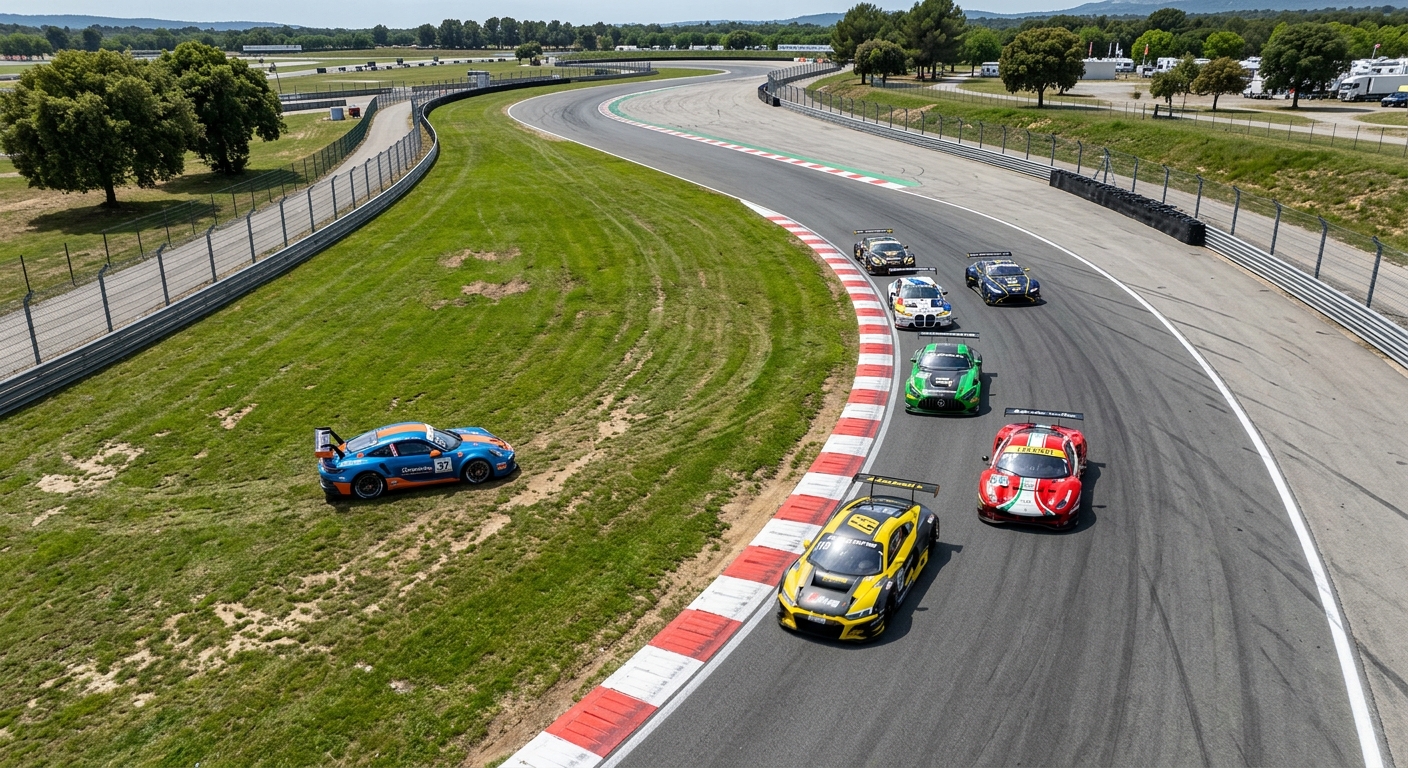
One of the most frequent complaints in sim racing is the unsafe rejoin. After a spin, the adrenaline-fueled urge to get back on track immediately often leads to catastrophic multi-car accidents. This is exacerbated by cold tires, which lack the grip to accelerate out of the way of oncoming traffic. Real sportsmanship involves holding your brakes firmly during a spin to remain predictable and waiting for a clear gap before re-entering the racing line. Failing to do so doesn't just ruin your race; it destroys the competitive environment. Understanding that your race might be over, but you shouldn't end someone else's, is the hallmark of a mature driver.
The Power of the Apology: How Communication and Stewarding Build Community
Mistakes are inevitable, but how a driver handles the aftermath defines their reputation. A quick apology in the chat after an incident can instantly de-escalate tension and prevent a 'win-at-all-costs' mentality from poisoning a league. This is where human stewarding excels over automated systems. League stewards can look at the nuance of an incident, the intent of the drivers, and the post-race communication to enforce better etiquette. By prioritizing accountability and sportsmanship, organizers can create a cleaner community where drivers feel respected. FairGrid enables this transition from chaotic public lobbies to professional, high-standard league environments where competitive integrity is the priority.

Elevate Your League's Standards with FairGrid
Tired of the chaos in public lobbies? FairGrid provides the tools you need for professional-grade stewarding and incident reviews. Join a community where sportsmanship and competitive integrity are valued as much as raw speed.