FAQ
What is considered intentional wrecking in sim racing?
Intentional wrecking includes any deliberate action intended to cause another driver to lose control, crash, or experience significant lap time loss, such as brake checking or intentional contact.
Does the iRacing Sporting Code apply to professional real-world drivers?
Yes, the Sporting Code applies to every subscriber regardless of their real-world racing status, ensuring that all users are held to the same standards of conduct.
How does griefing impact the growth of sim racing?
Griefing by high-profile figures damages the sport's reputation, making it less attractive to professional sponsors and discouraging new participants from joining competitive leagues.
What role does automated race control play in preventing incidents?
Automated systems can identify prohibited behaviors and track boundary violations instantly, providing stewarding teams with the data needed to issue consistent and unbiased penalties.
How does FairGrid help maintain competitive integrity?
FairGrid provides league administrators with professional-grade incident review tools and penalty management systems to ensure that rules are enforced fairly and transparently for all drivers.
Elite Status vs. The Sporting Code: Maintaining Integrity in High-Level Sim Racing
elite-status-vs-sporting-code-sim-racing-integrity
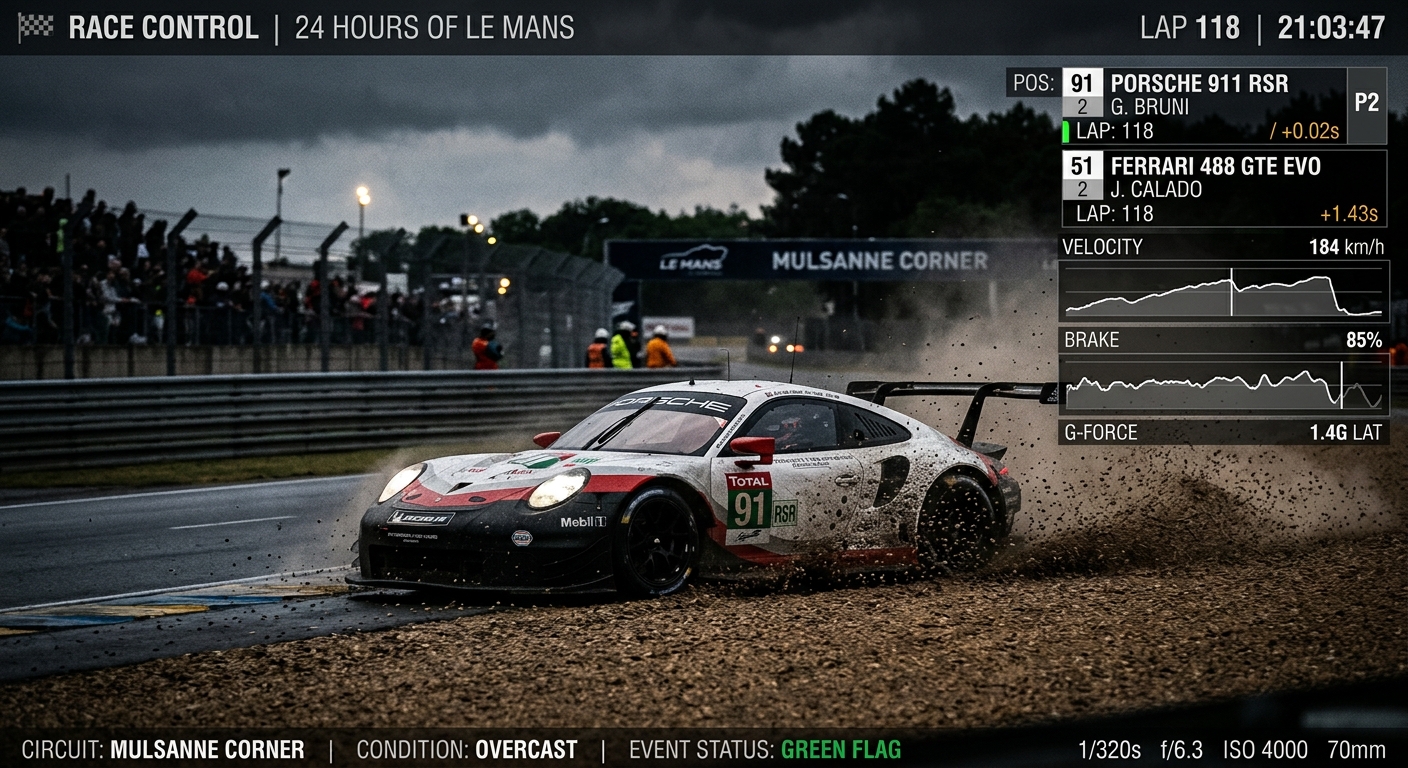
High-profile incidents involving professional drivers challenge sim racing's competitive integrity. Learn why equal enforcement of sporting codes is vital for the sport's growth.
The Incident: Professionalism and Competitive Integrity
The incident in question saw established real-world athletes bypassing the sporting codes that govern the digital ecosystem. In competitive sim racing, integrity is defined by the commitment to fair play and the adherence to rules that ensure a level playing field. When industry leaders engage in griefing, it sends a message that rules are optional for those with enough social or professional capital. This behavior threatens the ecosystem's growth by discouraging serious competitors and sponsors who expect professional conduct at every level of the pyramid.
The iRacing Sporting Code and Elite Responsibility
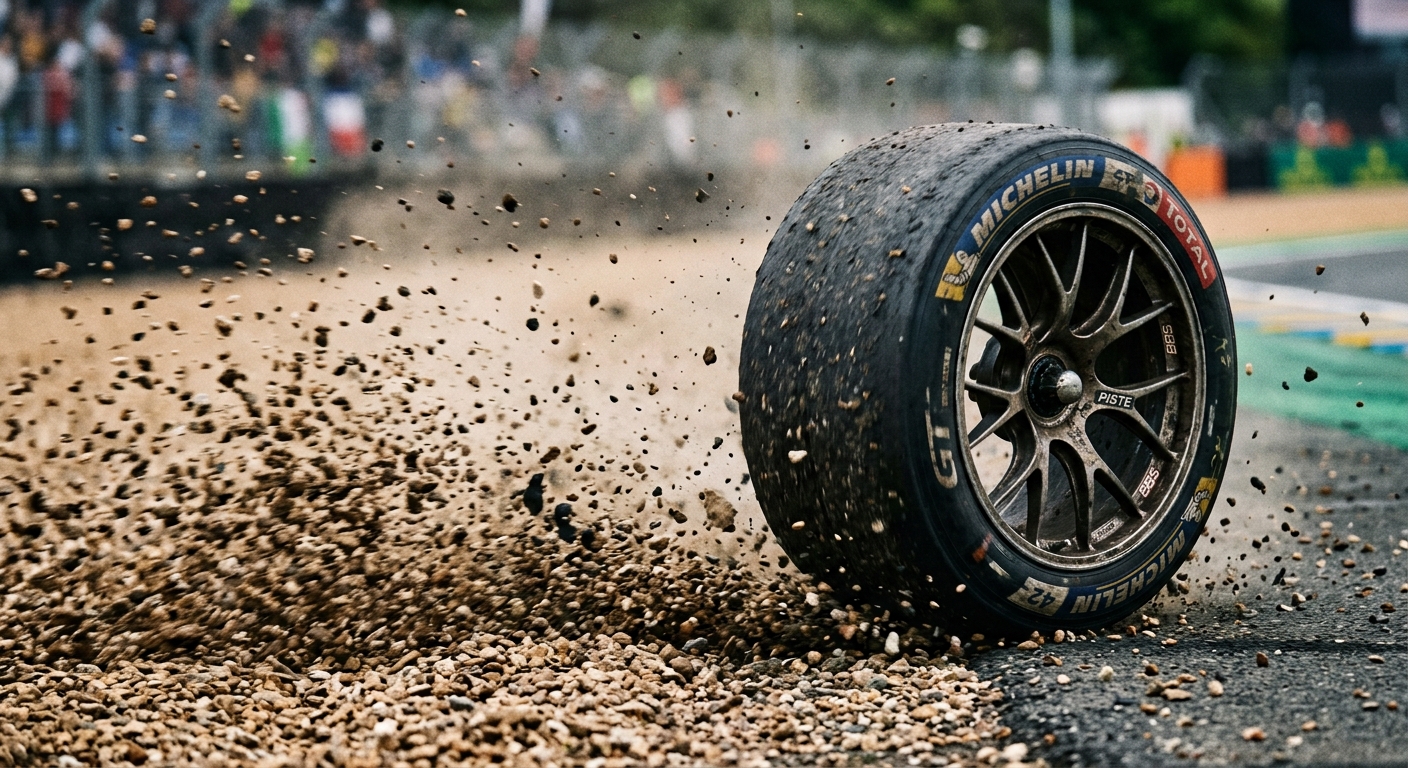
The iRacing Sporting Code explicitly prohibits intentional wrecking and disruptive behavior that ruins the experience for others. Professional real-world drivers are often viewed as ambassadors of the sport, yet their 'elite' status is sometimes used as a shield against the consequences of poor sportsmanship. Equal enforcement is the only way to maintain a healthy competitive environment. If the same rules do not apply to the top-split as they do to the bottom-split, the platform's credibility as a professional tool and a serious esport is severely compromised.
The Evolution of Race Control and Stewarding
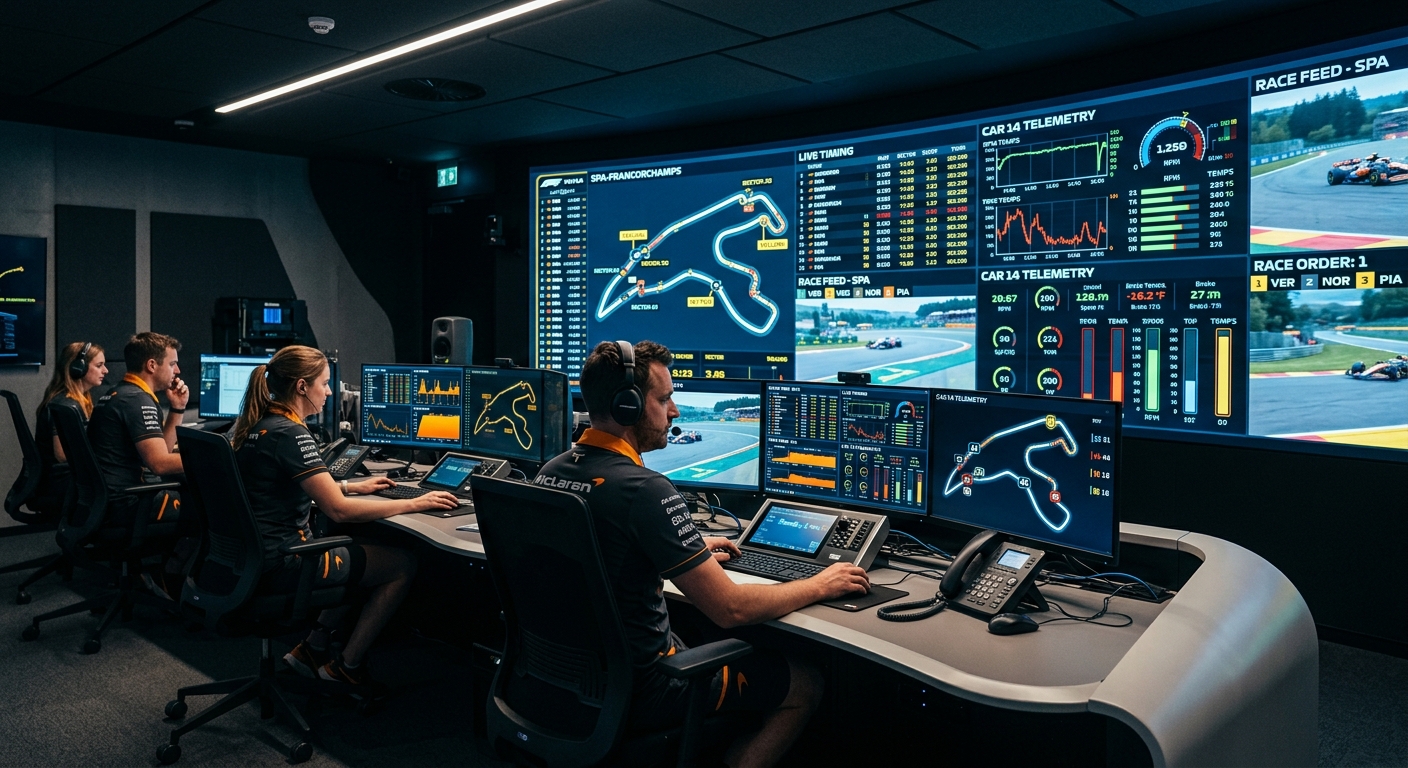
To combat the rise of high-level griefing, league operations and automated race control must evolve. Relying on manual reports alone is often insufficient when dealing with high-profile users. FairGrid and similar stewarding platforms offer the solution by providing the tools necessary for transparent, AI-assisted incident reviews. By implementing robust penalty systems and professional-grade monitoring, leagues can mitigate disruptions and ensure that regardless of a driver's status, the focus remains on clean, competitive racing. Building a culture of respect starts with holding every driver accountable for their actions on the track.

Protect the Integrity of Your Racing League
Ensure professional standards are met in every session. Discover how FairGrid’s advanced stewarding and league management tools can help you maintain competitive integrity and fair play today.