FAQ
What is the 'Last Man Standing' fallacy?
It is the error of blaming the driver who survived an incident rather than the one who actually caused the initial loss of control.
How does a three-car incident affect my Safety Rating in ACC?
Safety Rating is impacted by any contact; even if you are not at fault, being involved in multi-car incidents can lower your SA.
When is a move considered 'closing the door' illegally?
It is typically illegal if the lead driver changes their line to block after the attacking driver has already established overlap in the braking zone.
Why is predictability more important than raw speed in leagues?
High-level racing requires trust between drivers; unpredictable maneuvers lead to unavoidable crashes that ruin the race for the entire grid.
How can FairGrid help with complex multi-car protests?
FairGrid provides standardized tools for stewards to log incidents, review footage, and apply consistent penalties across complex racing scenarios.
Good Move or Just Lucky? A Steward’s Guide to Analyzing Multi-Car Incidents
good-move-or-just-lucky-steward-guide
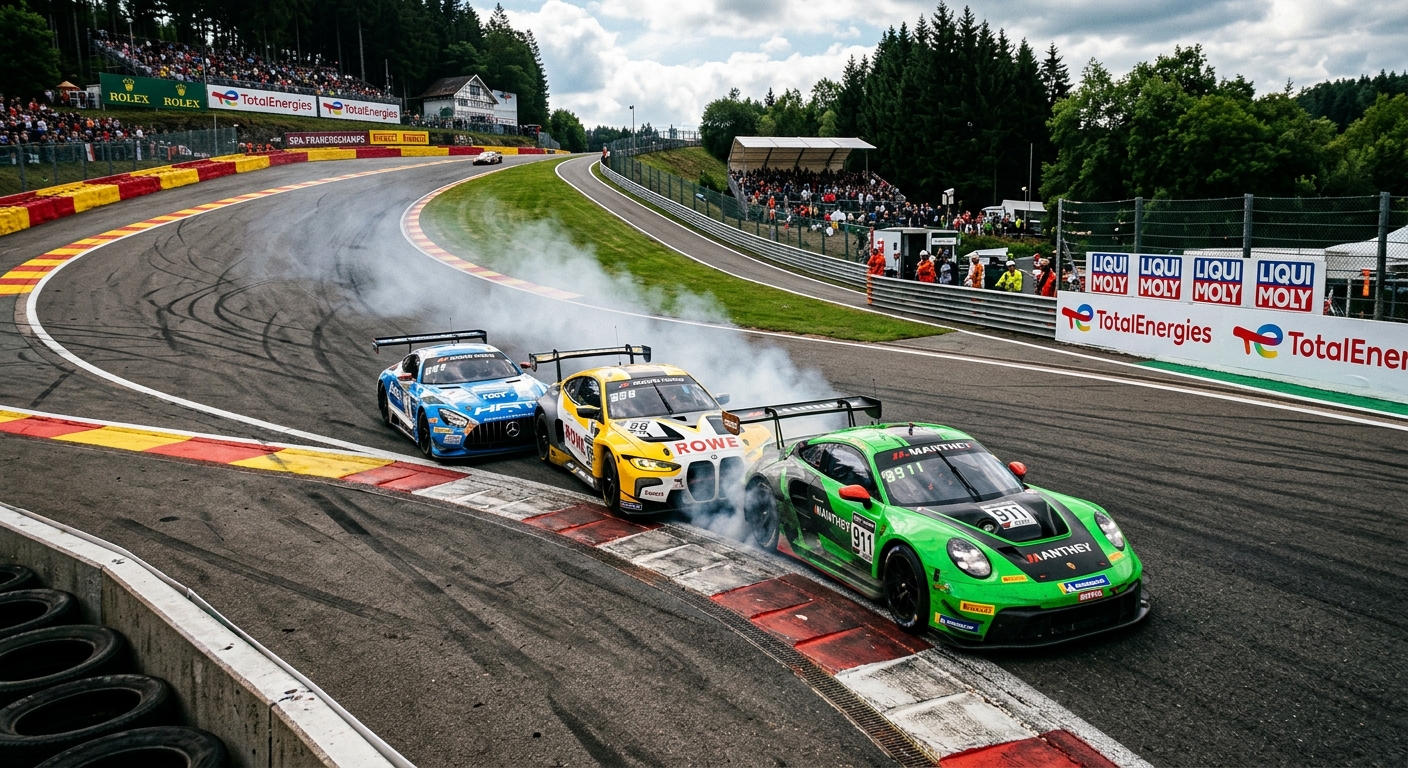
Learn how to analyze complex multi-car incidents in sim racing. Discover the difference between high-skill race craft and reckless driving in competitive leagues.
The Anatomy of a Three-Car Battle: Identifying Responsibility
In multi-car incidents, stewards often encounter the Last Man Standing fallacy. This occurs when blame is incorrectly assigned to the driver who remains on track, rather than the one who initiated the chain reaction. To identify true responsibility, race control must look at the initial movement that forced others off their line. Predictability is the foundation of race craft. If a driver’s actions force two other cars into a reactive state that they cannot safely maintain, that driver is often the primary cause of the incident, regardless of whether they made physical contact themselves.
Opportunistic Overtaking vs. Dangerous Driving: Where is the Line?
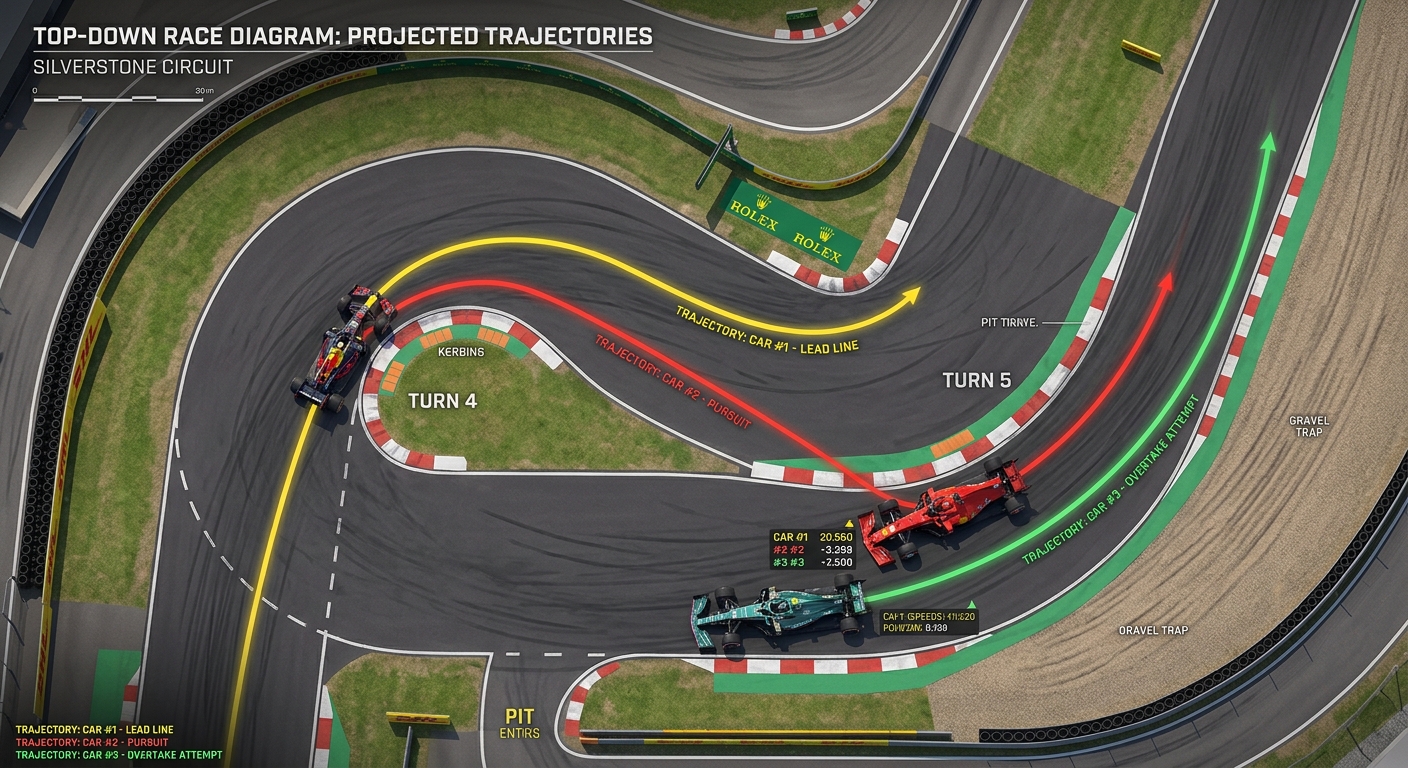
The difference between a high-skill overtake and reckless driving usually comes down to the vortex of danger. An opportunistic move becomes dangerous when the attacking driver puts their car in a position where the lead driver is physically unable to react or adjust. In competitive sim racing, stewards look for established overlap before the turn-in point. If a driver dives into a closing gap at the last millisecond, they are being unpredictable rather than fast. This lack of awareness is a major contributor to safety rating drops and is a frequent point of contention in league protests.
How Stewards Evaluate Pack Racing Incidents
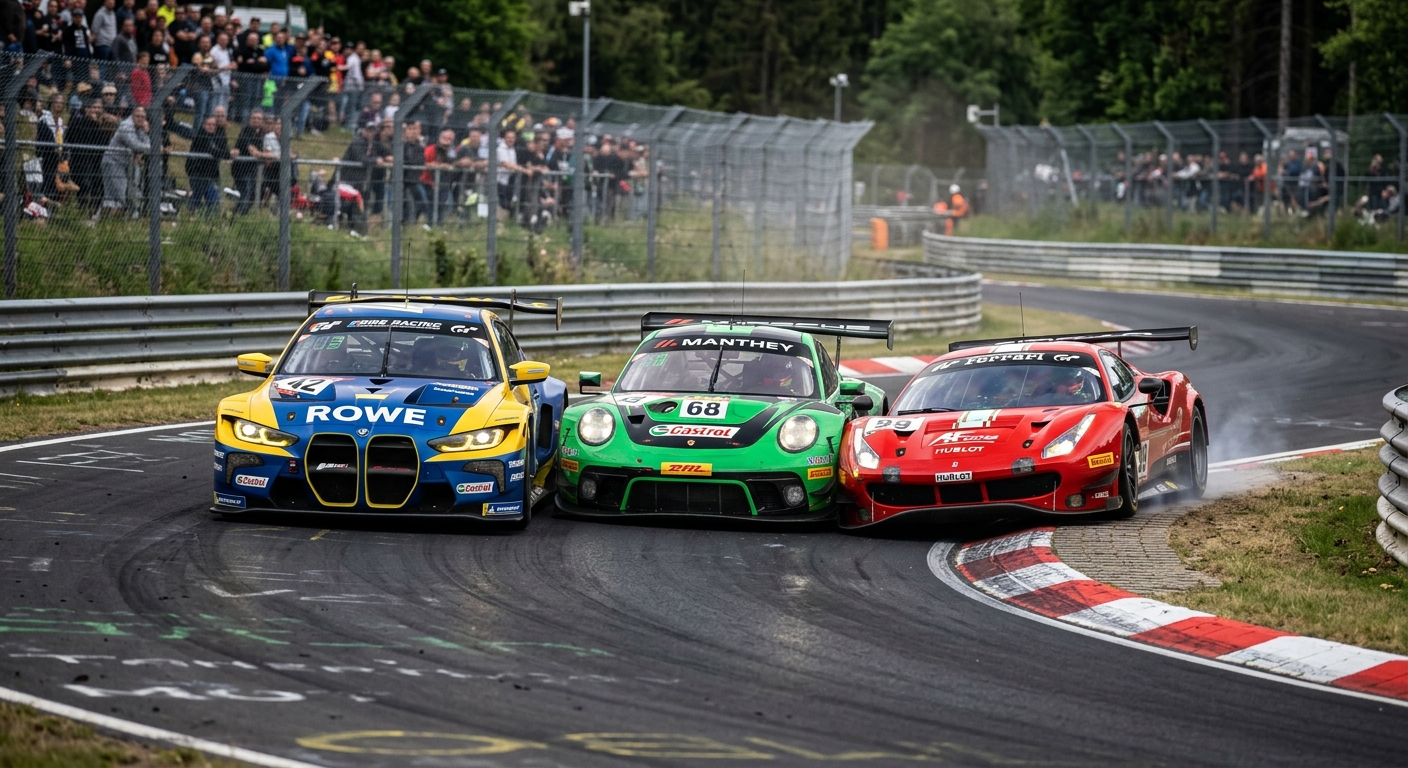
Stewards evaluate pack racing by looking at intent and spatial awareness. A key factor is whether a driver ignored the presence of others or closed the door after an opponent had already claimed the space. In a three-car fight, the middle car is often the most vulnerable, and the surrounding drivers must respect the limited room for maneuver. League operations rely on these standardized evaluations to ensure that racing remains competitive without devolving into chaos. Improving your race craft means signaling intent early and acknowledging that you share the track with others who have limited visibility.
Standardize Your League’s Race Control
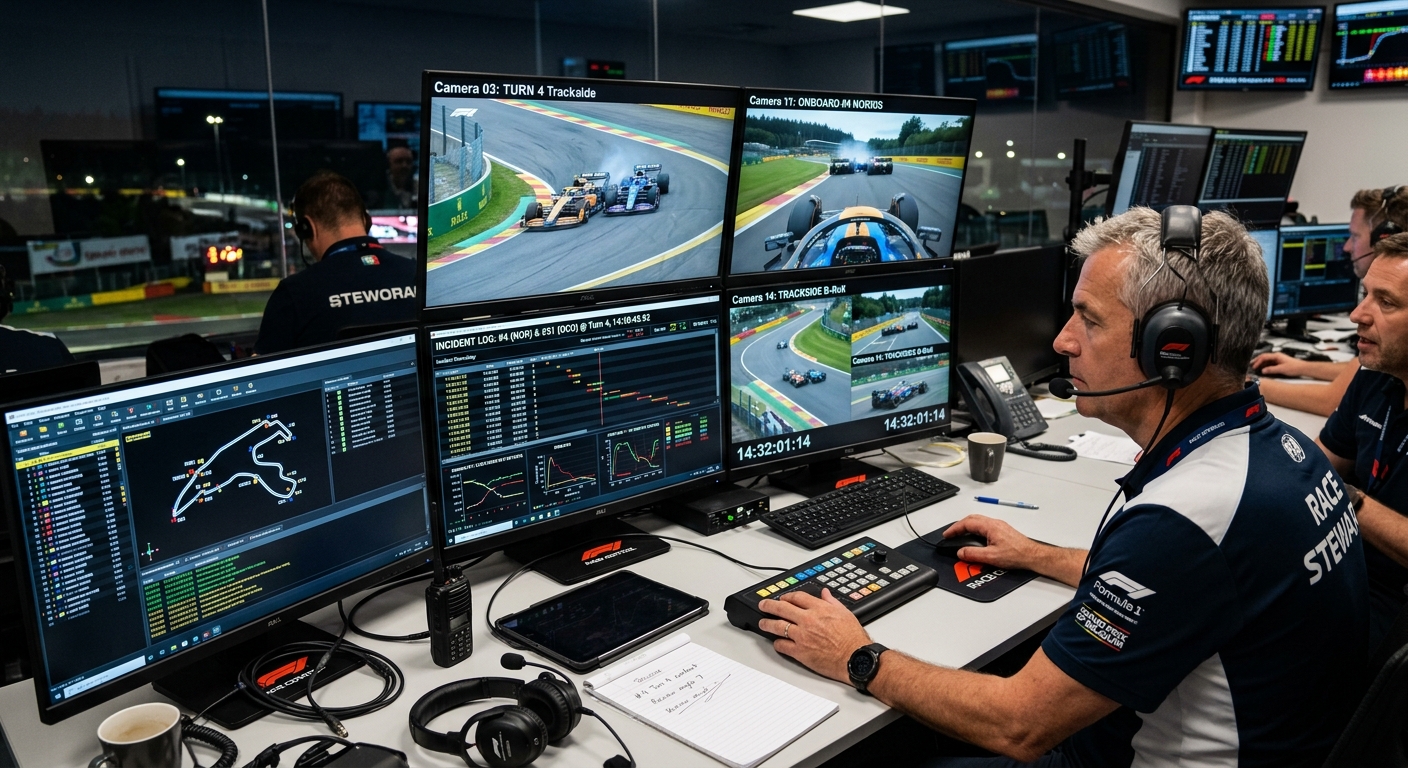
Managing multi-car protests and complex incidents shouldn't be a manual headache. Use FairGrid’s race management tools to streamline your protest process, maintain consistent stewarding standards, and keep your league racing fair and competitive. Sign up today to elevate your race control operations.