FAQ
What is the one-move rule?
The one-move rule allows a defending driver to change direction once on a straight to protect their line before returning toward the racing line.
Is moving under braking always a penalty?
Yes, in most competitive formats, changing your line after you have initiated braking is considered dangerous and is usually a punishable offense.
How much space must I leave an opponent?
If an opponent has their front wheels alongside your rear wheels before the turn-in point, you must leave at least one car's width of space.
What is the difference between blocking and defending?
Defending is choosing a line early to make passing difficult; blocking is reacting to an opponent's move to physically obstruct their path.
How do stewards check for illegal moves?
Stewards review cockpit cameras and telemetry to see if steering inputs were made in response to the car behind or as part of a set racing line.
Hard Racing or Illegal Blocking? A Guide to Fair Defending in Sim Racing
sim-racing-defensive-driving-rules
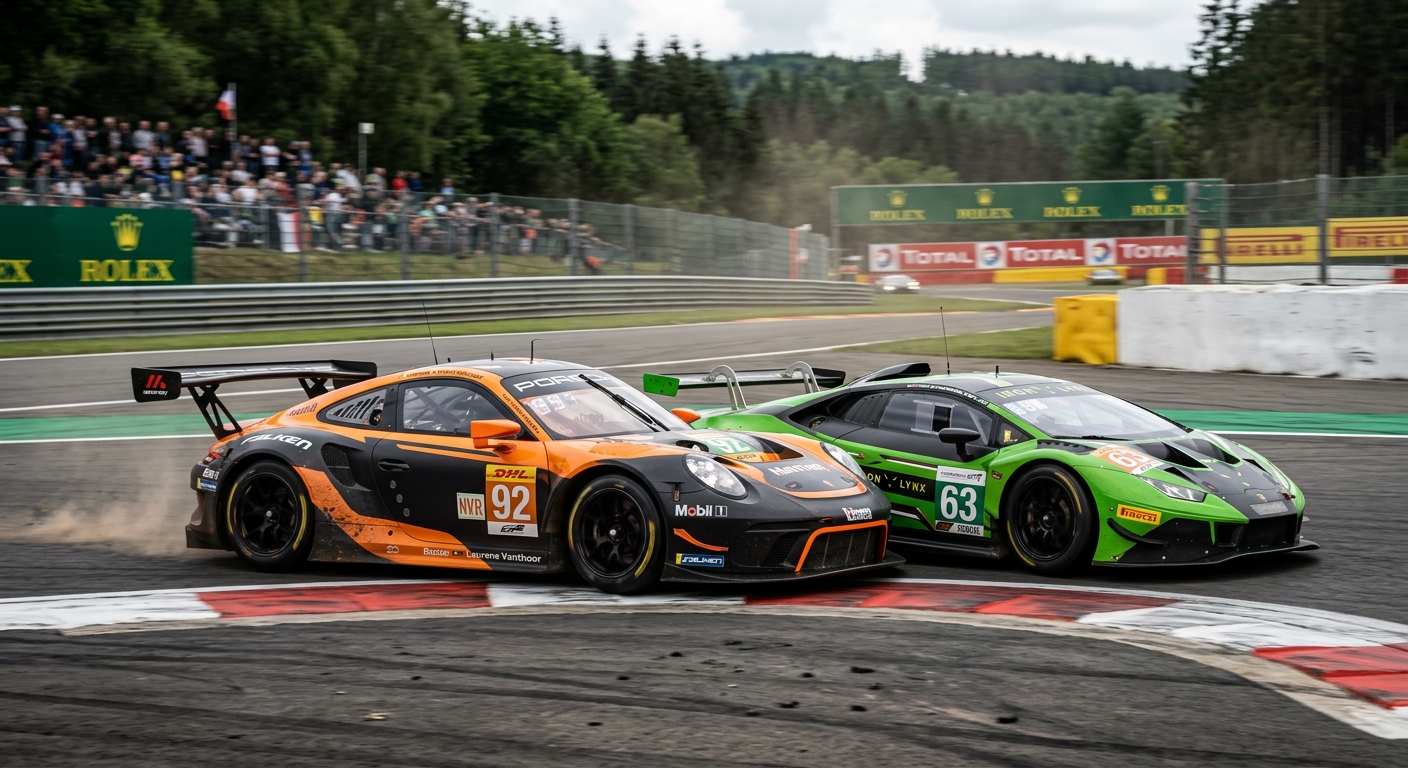
Learn the vital differences between legal defensive maneuvers and illegal blocking. Master the one-move rule and understand how stewards evaluate wheel-to-wheel racing integrity.
The Anatomy of a Legal Defense
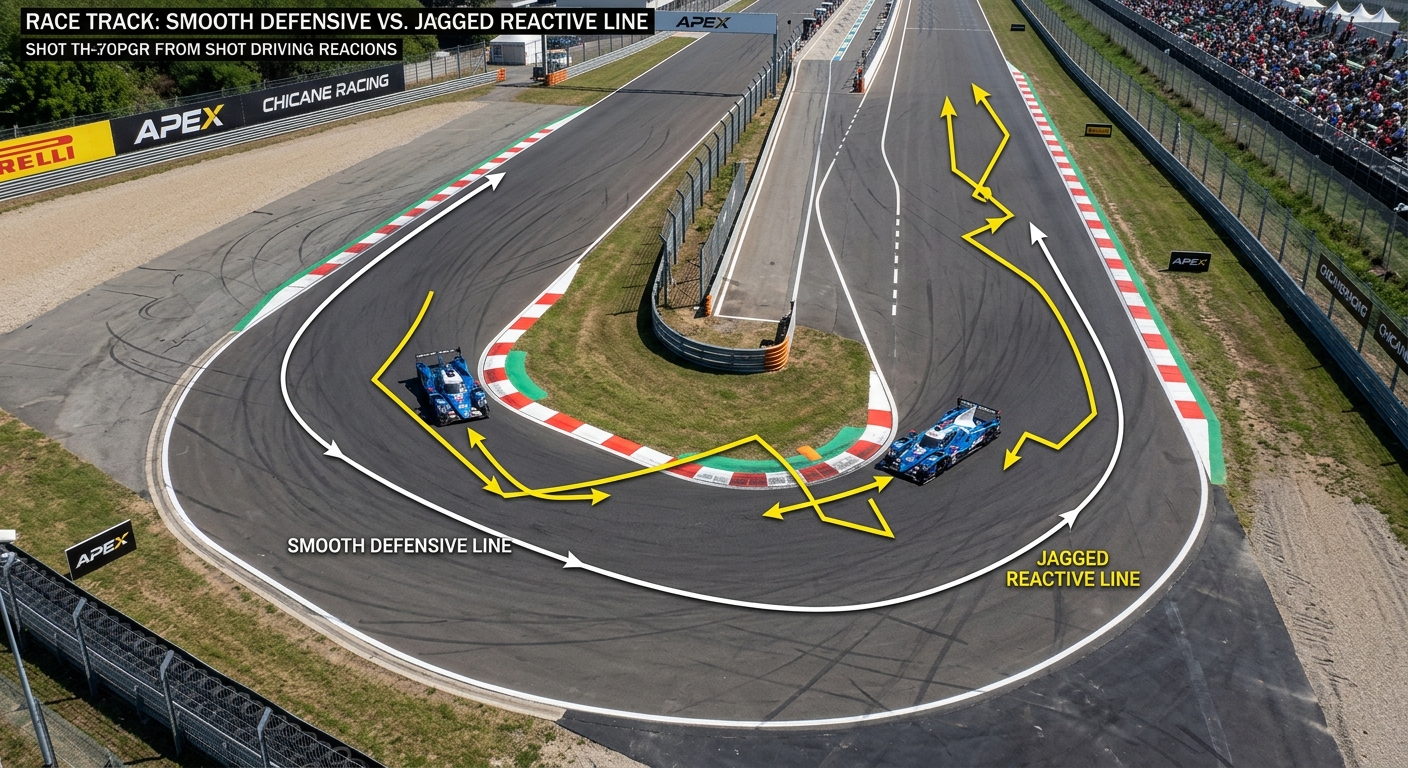
A legal defense is proactive rather than reactive. In most competitive sim racing leagues, the 'One Move' rule is the gold standard. This allows the lead driver to make a single change of direction to defend their position on a straight. Once that move is made, the driver is committed to that line. The key to a fair defense is intent; you are choosing a line to make the overtake difficult, not swerving to intercept an opponent who has already gained momentum. Holding the inside line early forces the attacker to take the longer way around, which is considered hard but fair racing.
Reactive vs. Proactive: The Golden Rule
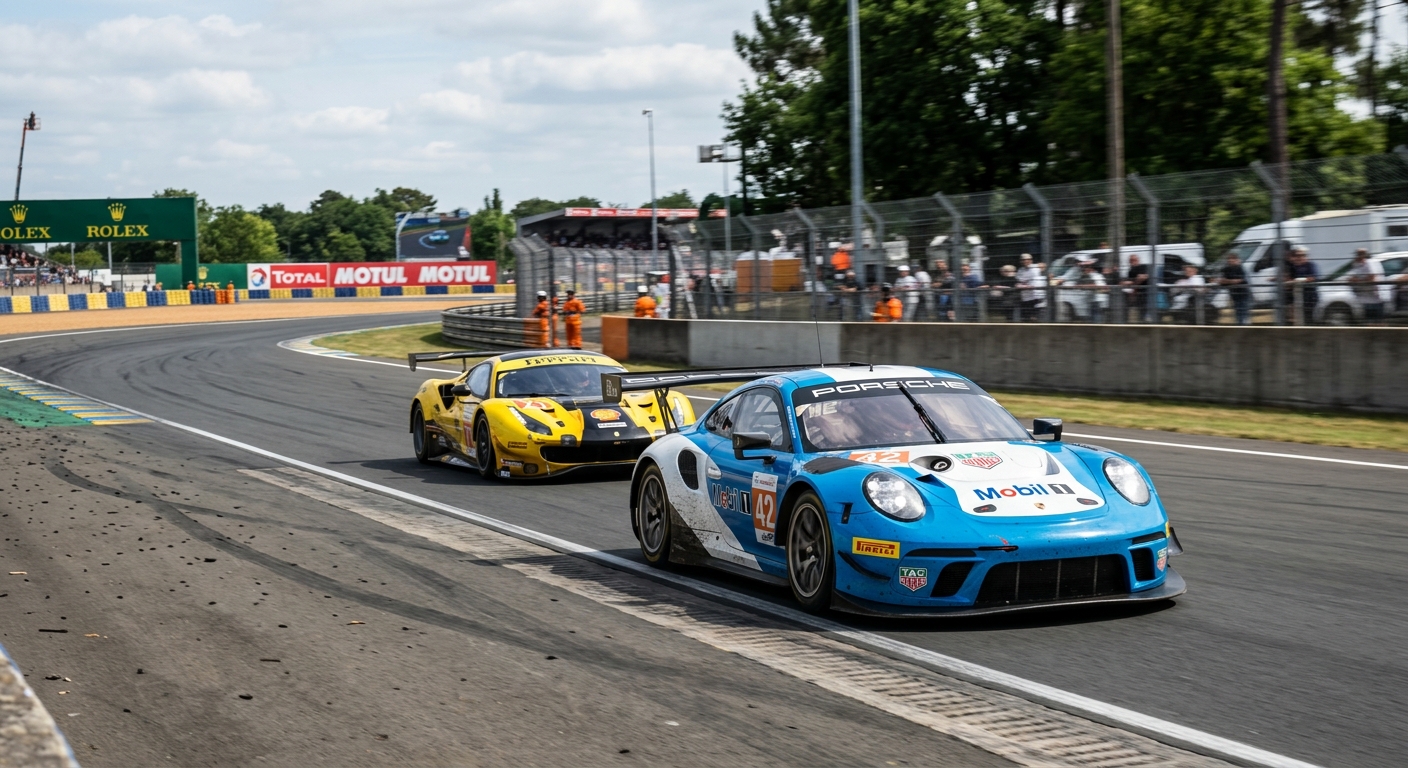
The most dangerous habit in sim racing is reactive blocking. This occurs when a driver waits for the car behind to make a move and then swerves in front of them to shut the door. This is illegal in almost every professional and community racing organization. Proactive defending involves moving to your defensive line before the car behind initiates their move. When you react to the car behind, you take away their ability to avoid a collision, leading to high-speed accidents and severe safety rating drops. Stewards look for these sudden steering inputs in telemetry to distinguish between a calculated defense and poor sportsmanship.
Moving Under Braking and the Vortex of Danger
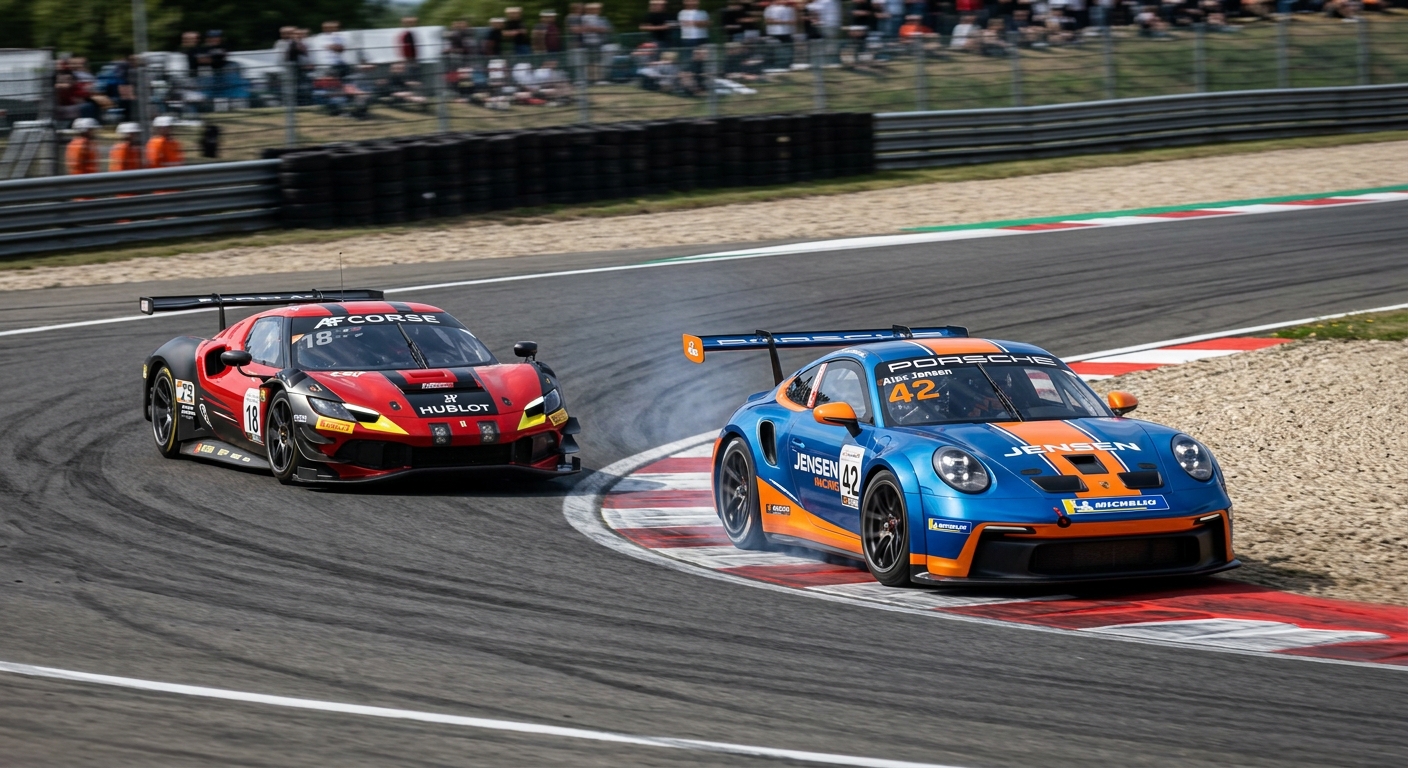
Moving under braking is a major offense in the world of stewarding. Once a driver has started the braking phase for a corner, they must maintain a consistent line. Changing direction while the car is under heavy deceleration is unpredictable and leaves the attacking driver with nowhere to go. Furthermore, drivers must be aware of the 'vortex of danger'—the space next to a car that disappears as it turns into a corner. If an attacker has established a significant overlap before the turn-in point, the lead car is required to leave a car's width of space. Ignoring this overlap is a primary cause of 'crowding' penalties.
Bring Professional Integrity to Your League
Struggling with league drama or unfair penalties? Let FairGrid's automated stewarding and league management tools bring professional integrity to your grid.