FAQ
What is the iRacing Sporting Code?
The Sporting Code is the official rulebook that governs driver conduct, fair play, and the technical regulations of the iRacing platform.
How do I distinguish between lag and cheating?
Lag is usually inconsistent and affects the driver's ability to stay on track. Cheating often involves specific, repeatable actions that provide a clear advantage.
What evidence is needed for a protest?
You should provide an RPY (replay) file from the session, focusing on the specific laps and cameras that show the suspicious behavior clearly.
Can I protest someone for a fast pit stop?
Only if you have evidence of an exploit. Most 'impossible' pit stops are the result of replay bugs or packet loss during the session.
How does FairGrid improve the protest process?
FairGrid provides league organizers with professional-grade tools to review incidents objectively, reducing the friction and bias often found in manual stewarding.
Is it Cheating or a Glitch? A Guide to Maintaining Competitive Integrity in iRacing
is-it-cheating-or-a-glitch-iracing-integrity-guide
Learn how to distinguish between genuine exploits and technical anomalies in iRacing, and discover the correct way to utilize the protest system to ensure fair competition.
The Anatomy of Suspicious Behavior: When to Worry
Not every strange occurrence on track is an attempt to cheat. Sim racing relies on complex synchronization between clients and servers, often leading to 'netcode' issues. Server-side lag can cause cars to blink, teleport, or react strangely to contact. To distinguish this from cheating, look for intent and consistency. A driver experiencing genuine lag will usually struggle with car control or appear erratic across the entire lap. Conversely, intentional exploits often appear in specific, high-leverage moments. Understanding the iRacing Sporting Code is the first step in recognizing when a line has been crossed from a technical error to an unfair advantage.
Fast Pit Stops and Missing Replays: Bug or Exploit?
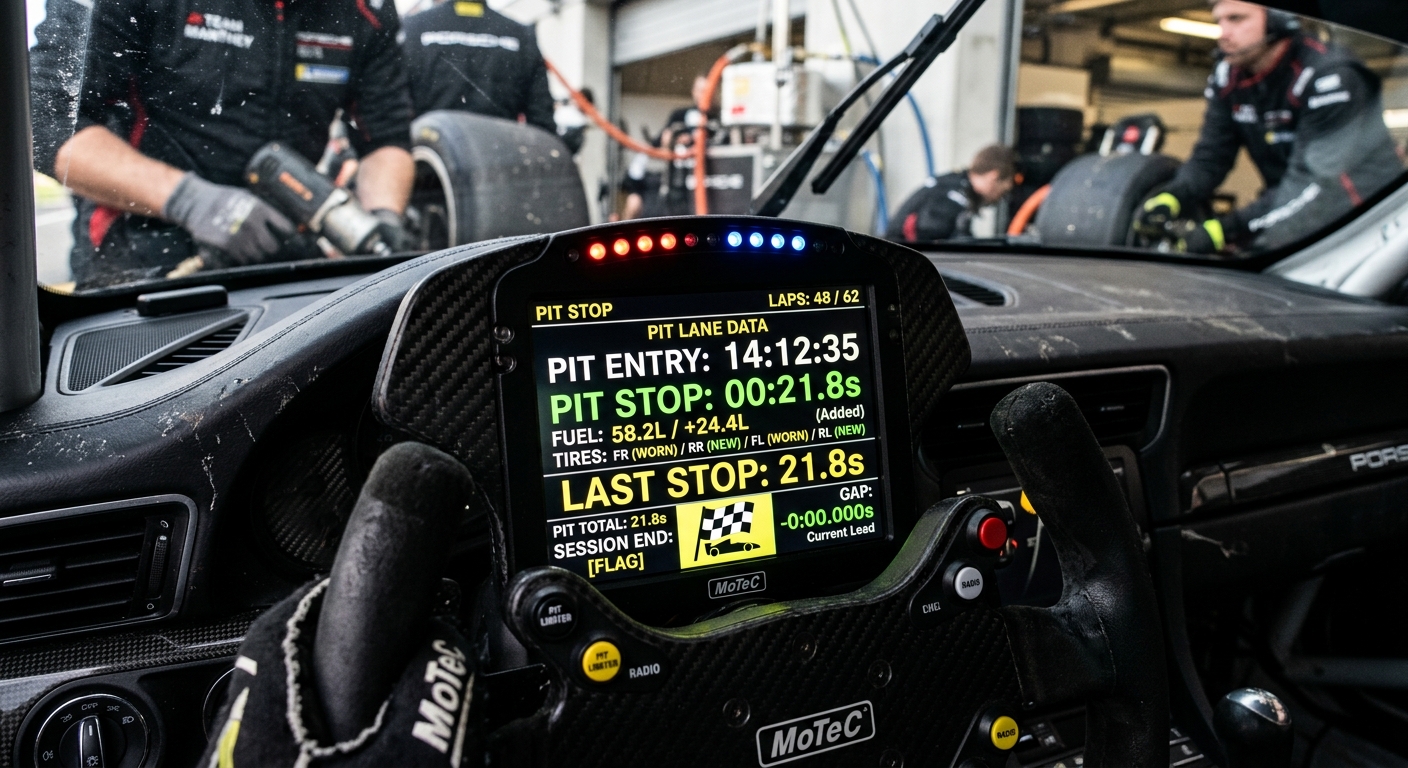
A common point of friction in the community involves suspicious pit times or gaps in replay footage. Because replays are recorded locally, a brief loss of data packets can make a car appear to skip its pit service entirely. Before filing a protest, analyze the total 'Time in Lane' rather than just the stationary time. Genuine exploits, such as manipulating pit entry triggers or using external software to bypass service timers, are rare but taken very seriously. Use the replay system to gather multiple angles, looking for consistent patterns rather than isolated incidents that could be attributed to a hardware stutter or internet hiccup.
The Steward's Perspective: How to Gather Evidence
When filing a protest, the quality of your evidence determines the outcome. Human stewards and the iRacing protest team look for clear violations of fair play. To build a strong case, provide uncut replay files showing the incident from the 'Far Chase' and 'Gyro' cameras. Avoid using edited videos with music or overlays, as these can obscure the data officials need. In league environments, professional stewarding platforms like FairGrid help automate this process by providing objective reviews. By focusing on facts rather than emotion, you contribute to a culture of integrity that allows sim racing leagues to grow and thrive.
Ensure Fair Play in Your League
Upholding competitive integrity is easier with the right tools. FairGrid provides objective, professional race control and stewarding solutions to prevent disputes and keep your drivers focused on the track. Explore our platform today.