FAQ
What is a no-fault safety rating system?
A no-fault system is an automated algorithm that penalizes all participants in a collision with incident points, regardless of who was responsible for the accident.
Why does iRacing use a no-fault system?
It allows the platform to scale to thousands of races simultaneously without the need for human stewards to manually review every minor contact.
How does intentional wrecking impact a driver's safety rating?
Intentional wreckers cause the victim to lose safety rating points just as they do, which can lead to the victim being demoted or losing access to certain series.
Can manual stewarding stop intentional wrecking?
Yes, manual stewarding introduces the threat of human-verified bans and tiered penalties, which are much more effective deterrents than simple automated points.
How does FairGrid improve sim racing stewarding?
FairGrid provides professional race control and incident review tools that help leagues and platforms move beyond automated systems toward fair, human-assisted stewarding.
Is the No-Fault System Killing Sim Racing? Solving the Safety Rating Paradox
is-the-no-fault-system-killing-sim-racing
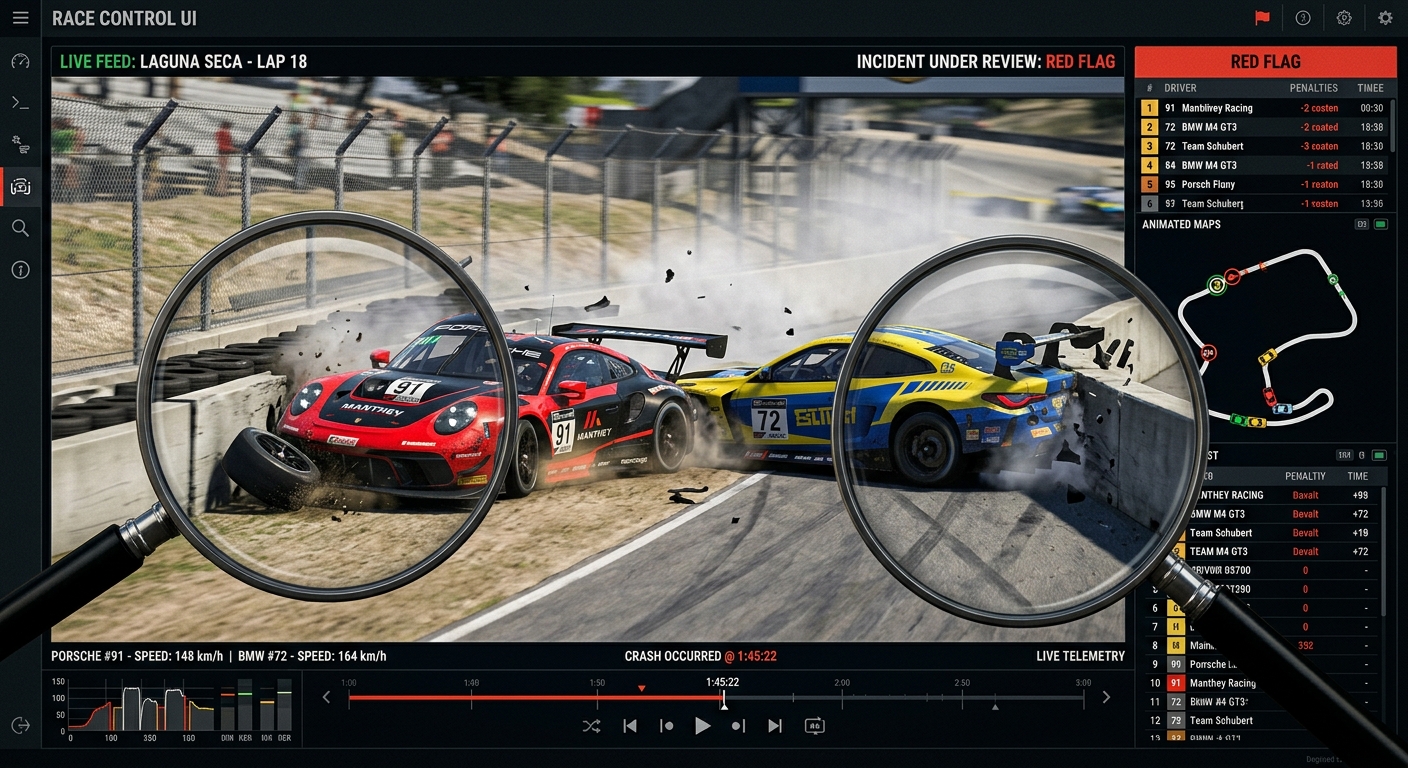
Discover why automated no-fault safety systems are failing sim racers and how human-led stewarding can restore competitive integrity by accurately penalizing intentional wrecking.
The Flaw in the Algorithm: Why No-Fault Systems Penalize Victims
The no-fault safety system is built on a mathematical assumption: over hundreds of races, the common denominator in every accident is the driver. While this works for minor errors, it fails spectacularly when dealing with intentional wrecking. When the code cannot distinguish between a driver losing control and a driver being hunted down and rammed, it loses its credibility. For the competitive player, receiving the same four-point penalty as the person who intentionally ruined their race feels like a betrayal of the platform's promise of fair play. This system prioritizes algorithmic efficiency over actual justice.
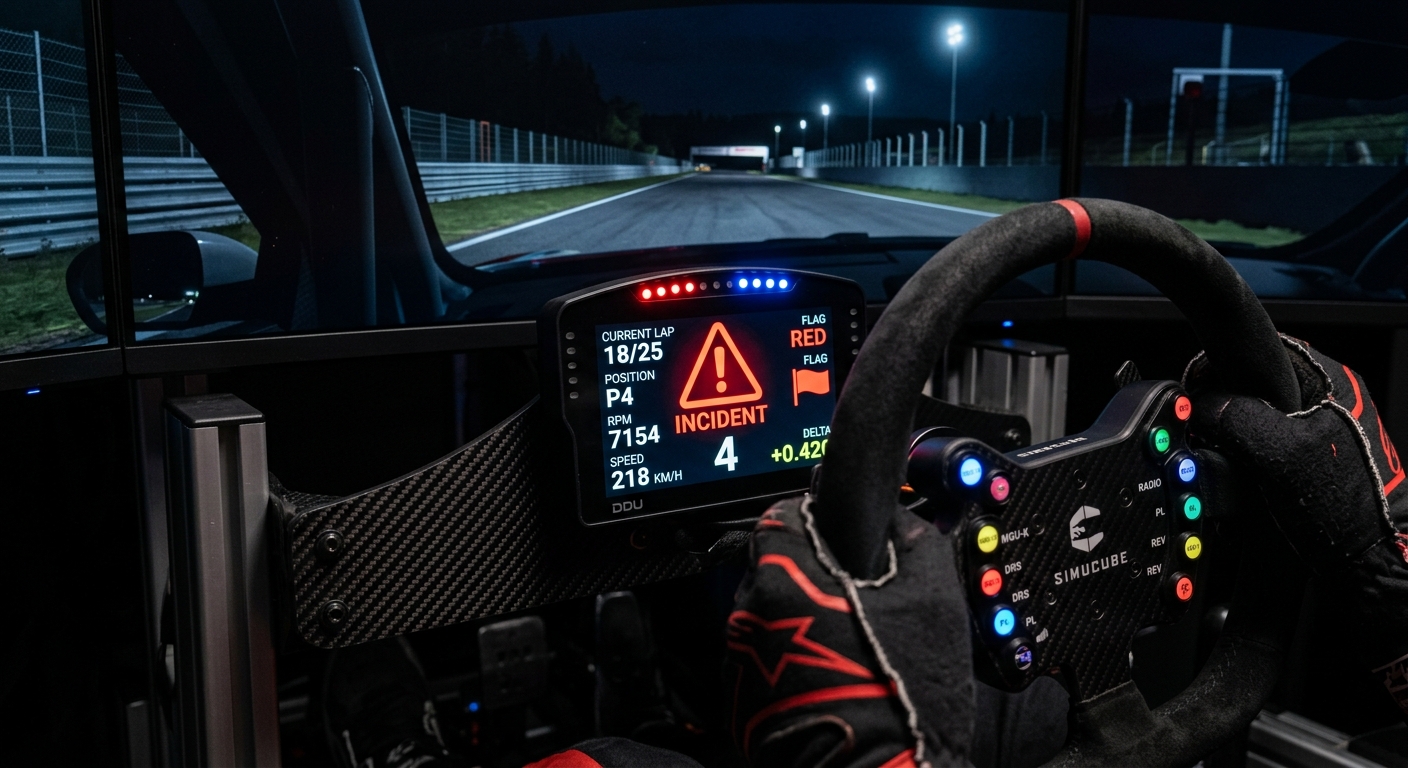
Manual Stewarding vs. Automated Systems: Finding the Middle Ground
While fully manual stewarding for every split is logistically impossible, the current reliance on automated email protests is insufficient. The gap between an automated incident point and a permanent ban is too wide. The industry needs a middle ground where human-led race control or AI-assisted review tools can quickly assess intent. By utilizing tiered penalties and actual incident reviews, platforms can protect the clean drivers who form the backbone of the community. Professional-grade stewarding tools allow for a more nuanced approach, where the context of a corner is more important than the simple fact of contact.
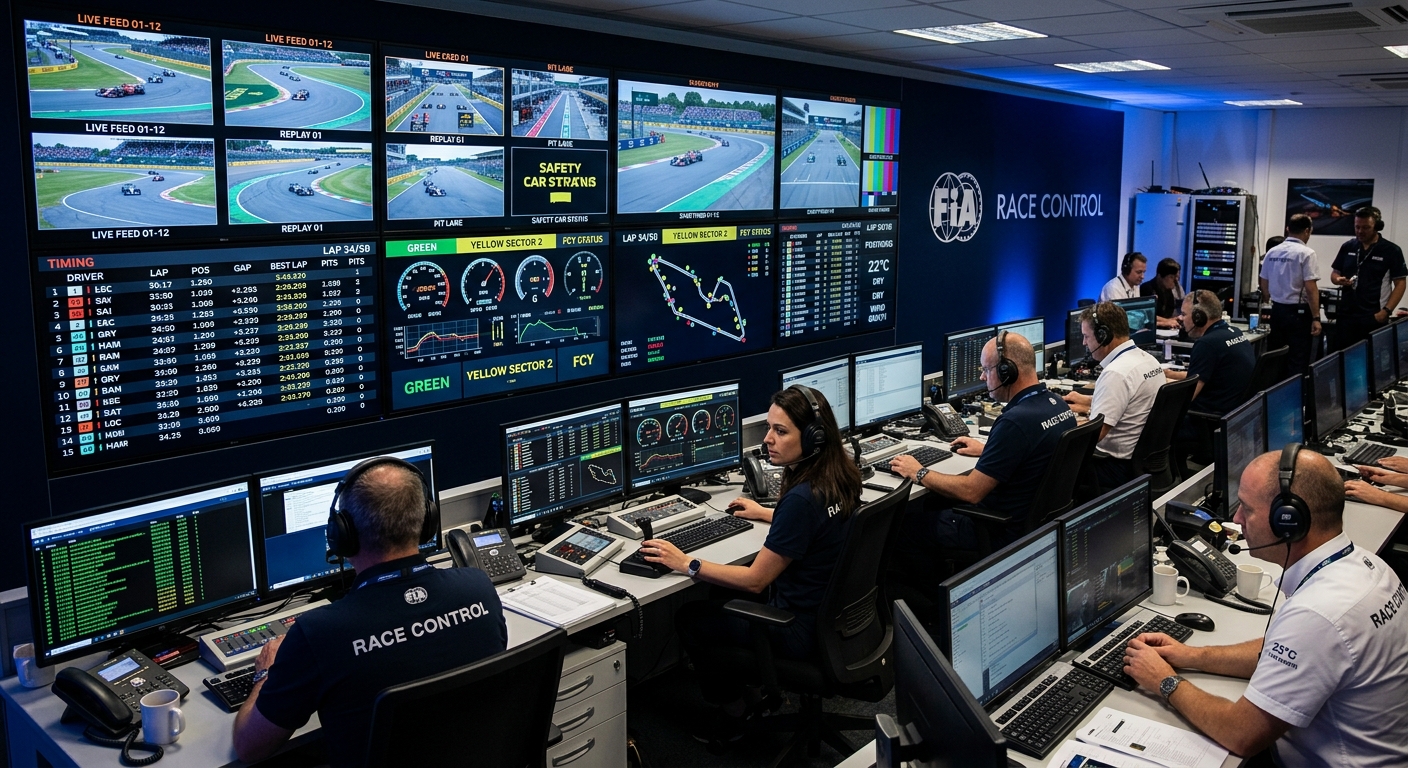
Building Better Leagues: Why Human Oversight Beats the Code
League organizers are increasingly moving away from basic automated systems in favor of dedicated race control. This shift is driven by a need for accountability. When drivers know a human is watching or that a protest will be reviewed with professional tools, the rate of intentional wrecking drops significantly. FairGrid is at the forefront of this evolution, providing the infrastructure for leagues to move beyond the no-fault paradox. By focusing on competitive integrity and fair stewarding, we can ensure that the outcome of a race is decided by skill on the track, not by the limitations of an algorithm.

Move Beyond the Safety Rating Paradox
Protect your league's competitive integrity with FairGrid. Our platform offers the professional race control and stewarding tools you need to move beyond automated systems and provide a truly fair racing environment for every driver.