FAQ
What is the accordion effect in rolling starts?
The accordion effect occurs when cars at the front change speed, causing a chain reaction of braking and accelerating throughout the field.
When is a driver allowed to overtake in a rolling start?
In most competitive frameworks, overtaking is only permitted once the car has crossed the start-finish line after the green flag.
How do stewards identify a jump start?
Stewards look for acceleration before the designated start zone or gaining an advantage by leaving the formation lane early.
What are the common penalties for start-line infractions?
Penalties typically range from time additions to drive-through penalties, depending on the severity of the advantage gained or contact caused.
Can AI help in stewarding rolling starts?
Yes, AI-assisted tools can help detect lane-departure and speed-delta violations, allowing human stewards to focus on intentionality and impact.
Mastering the Roll: A Steward’s Guide to Competitive Integrity in Rolling Starts
mastering-the-roll-sim-racing-stewarding
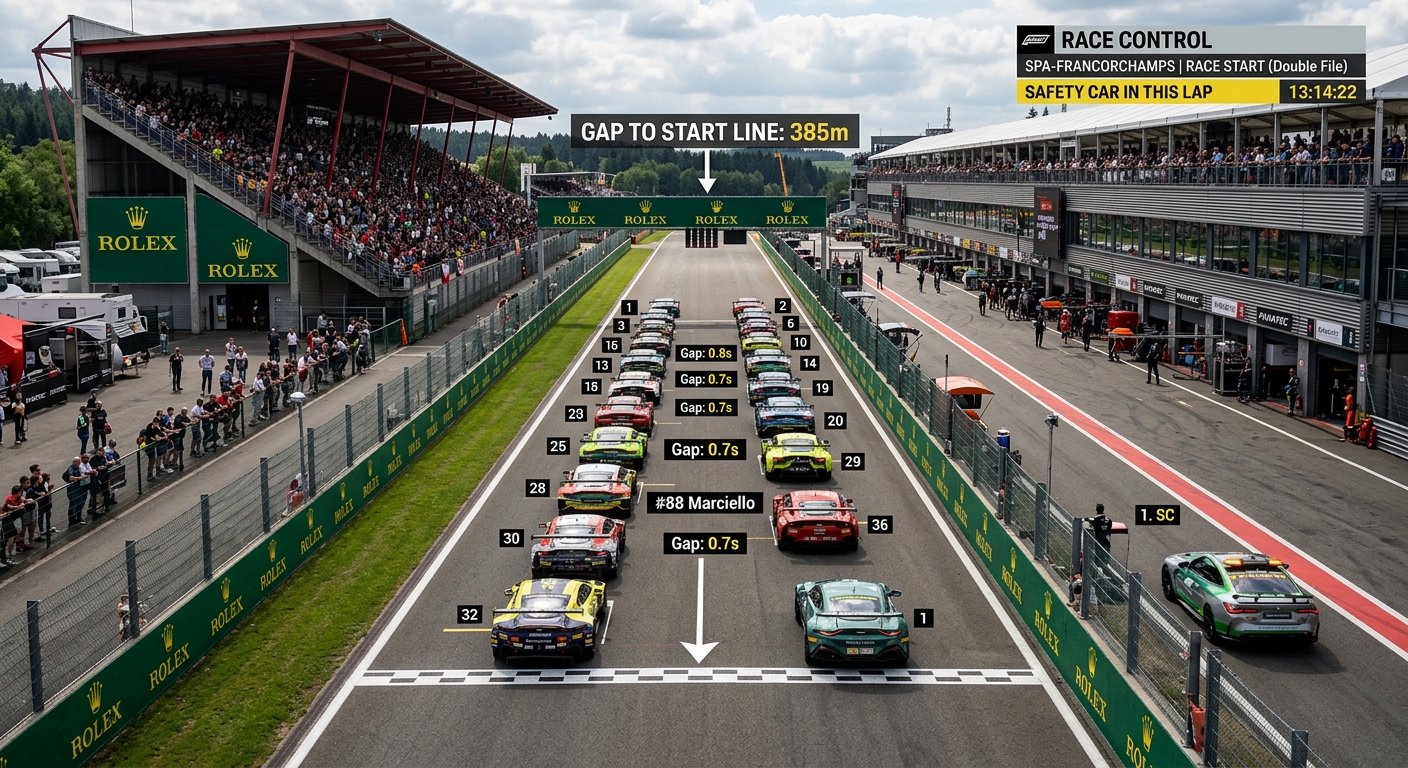
Learn how to manage the complexities of sim racing rolling starts, from mitigating the accordion effect to enforcing start-zone rules for better competitive integrity.
The Complexity of the Rolling Start: Why It’s a Stewarding Minefield
Unlike standing starts, rolling starts introduce dynamic variables that can compromise fairness before the green flag even drops. The primary issue is the accordion effect, where minor speed fluctuations at the front of the pack amplify into massive gaps or collisions at the rear. Stewards must differentiate between natural flow and intentional brake-checking or sandbagging designed to manipulate the start. Maintaining lane integrity is equally critical; cars must stay in their designated lanes until the start signal to prevent unfair aerodynamic or positioning advantages. These factors make rolling starts a high-risk period that requires vigilant race control oversight.

Defining the Procedural Rules: From Pacing to the Green Flag
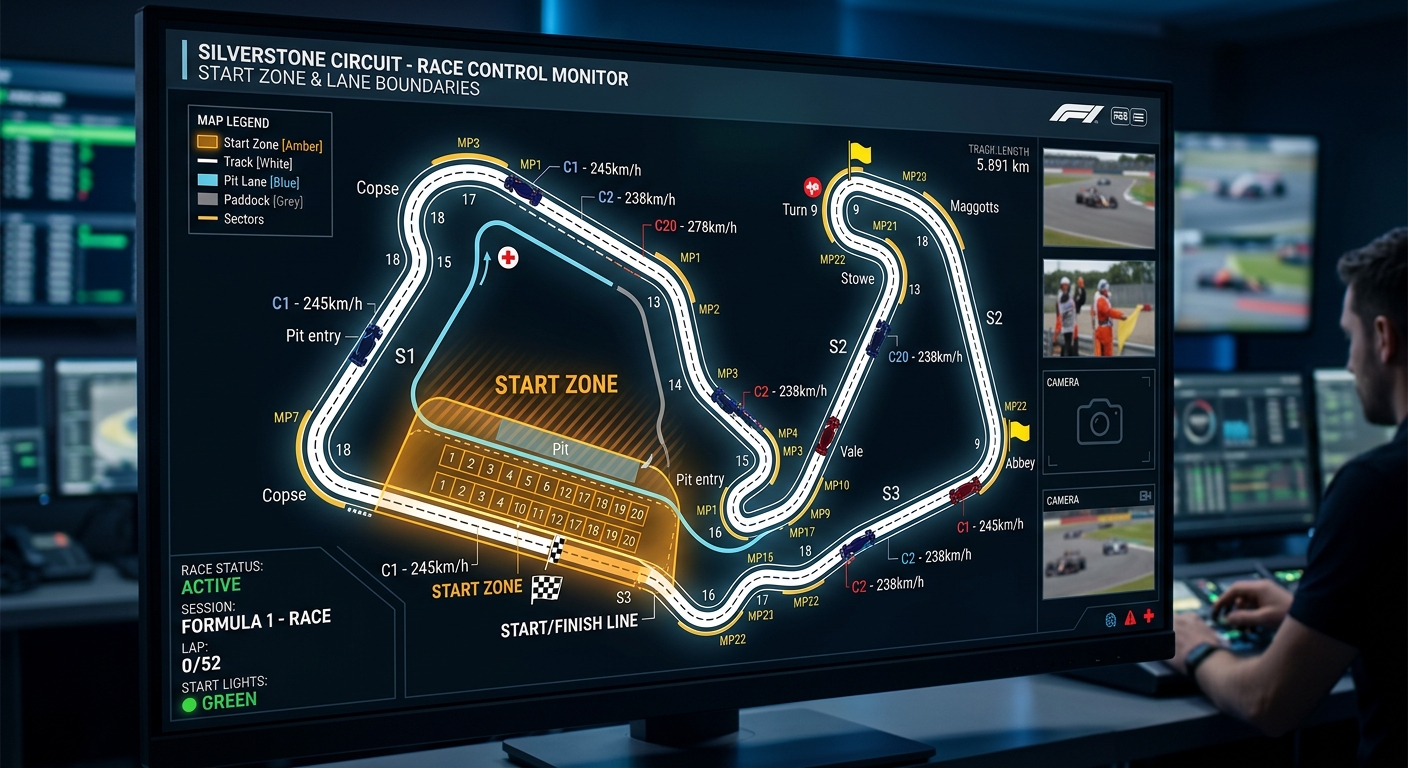
To ensure a clean start, leagues must establish a clear Start Zone rather than just relying on a green flag reaction. This zone defines where the lead car is permitted to accelerate. Rules must strictly forbid overtaking before the start line and require drivers to maintain a consistent speed during the pacing phase. Standardizing these procedures reduces ambiguity for drivers and provides stewards with a clear framework for identifying infractions. Effective communication during the formation lap is the first line of defense against lap-one chaos, ensuring every driver knows exactly when they are permitted to race.
Automating vs. Manual Stewarding: Handling Start-Line Infractions
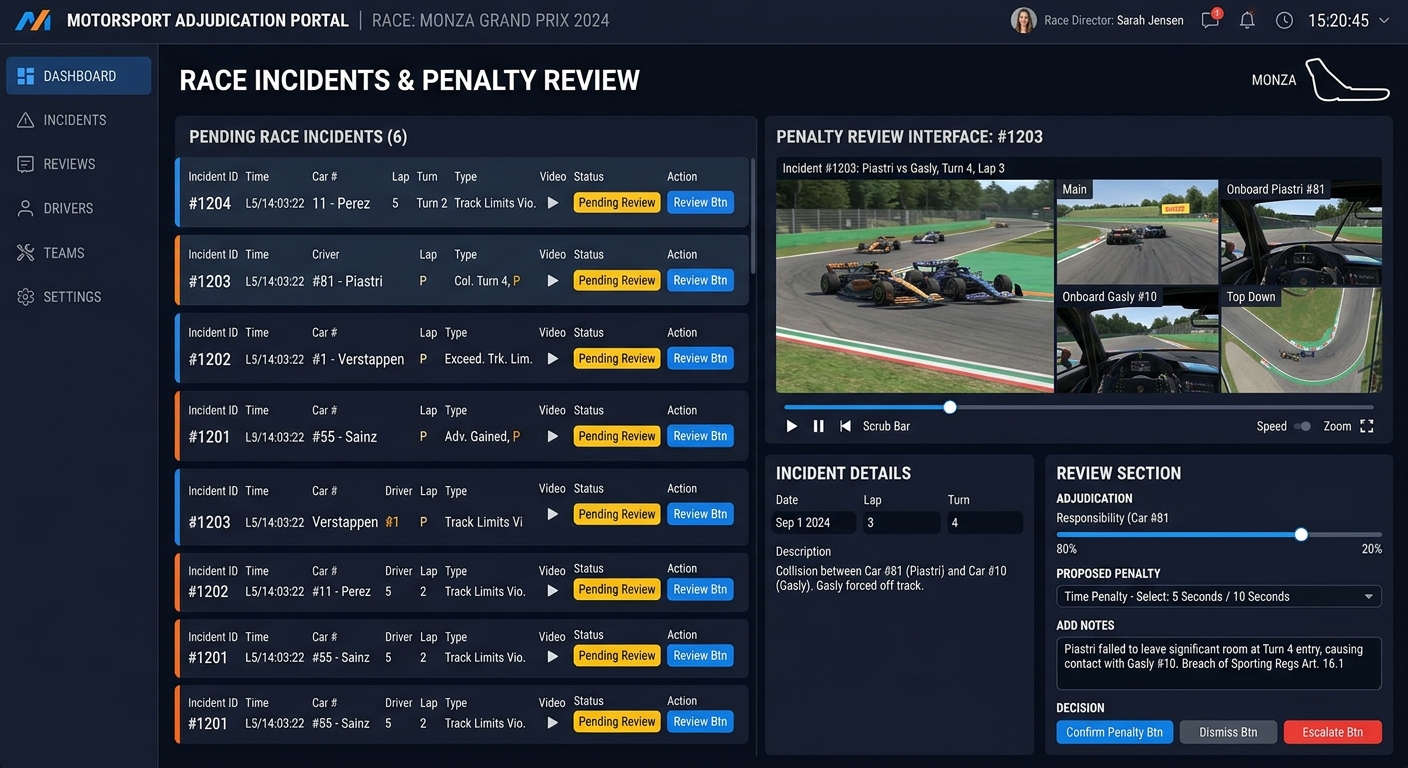
Managing rolling starts manually is an intensive task that often leads to delayed penalties. While sim platforms are improving their internal logic, complex infractions like illegal lane changes or accordion manipulation often require human oversight. This is where FairGrid assists league organizers by streamlining the protest and review process. By utilizing a penalty framework that addresses jump starts and illegal overtakes with tiered consequences, stewards can maintain a high standard of competitive integrity without being overwhelmed by the volume of lap-one incidents that occur in large fields.
Elevate Your League’s Stewarding with FairGrid
Tired of lap-one chaos ruining your league nights? FairGrid provides the tools you need to manage protests, automate race control, and ensure competitive integrity for every rolling start. Streamline your stewarding process today.