FAQ
Is a driver always at fault if their wheel disconnects and hits another car?
Usually, yes. Most leagues hold the driver responsible for their equipment's reliability. However, stewards may waive license point penalties if the failure is proven and the driver took immediate steps to minimize the hazard.
What evidence is needed to prove a hardware failure?
The best evidence is a combination of onboard video showing the physical wheel or pedals, replay files showing erratic car behavior, and telemetry logs showing signal loss or constant inputs.
Can a race be restarted due to individual hardware issues?
Typically, races are only restarted if a server-side issue affects a significant portion of the grid. Individual hardware failures are treated as mechanical retirements and do not trigger a restart.
Should leagues penalize drivers for having bad internet?
If a driver's connection causes unpredictable car movement that endangers others, stewards often issue a technical disqualification or require the driver to improve their connection before the next race.
How does a Technical DNF differ from a standard DNF?
A Technical DNF acknowledges the failure was outside the driver's control during the race, often resulting in no loss of safety rating or license points, though they still score zero points.
Mechanical Failures in a Virtual World: How Stewards Should Rule on Hardware Glitches
mechanical-failures-sim-racing-stewarding
Learn how to manage hardware malfunctions in competitive sim racing. This guide covers stewarding policies for disconnects, recalibrations, and maintaining league integrity.
Defining the Digital Mechanical Failure and Driver Liability
A digital mechanical failure occurs when external hardware or software issues prevent a driver from controlling their vehicle as intended. The primary question for race control is liability. Generally, the driver is responsible for the state of their equipment. Just as a real-world team is responsible for mechanical preparation, a sim racer is responsible for secure cables and stable internet. However, when a hardware failure causes a collision, stewards must decide if the resulting incident warrants a standard penalty or if the 'mechanical' nature of the fault provides grounds for a pardon or reduced sentence. Establishing clear liability rules is the first step toward consistent stewarding.
Proving the Glitch with Telemetry and Evidence
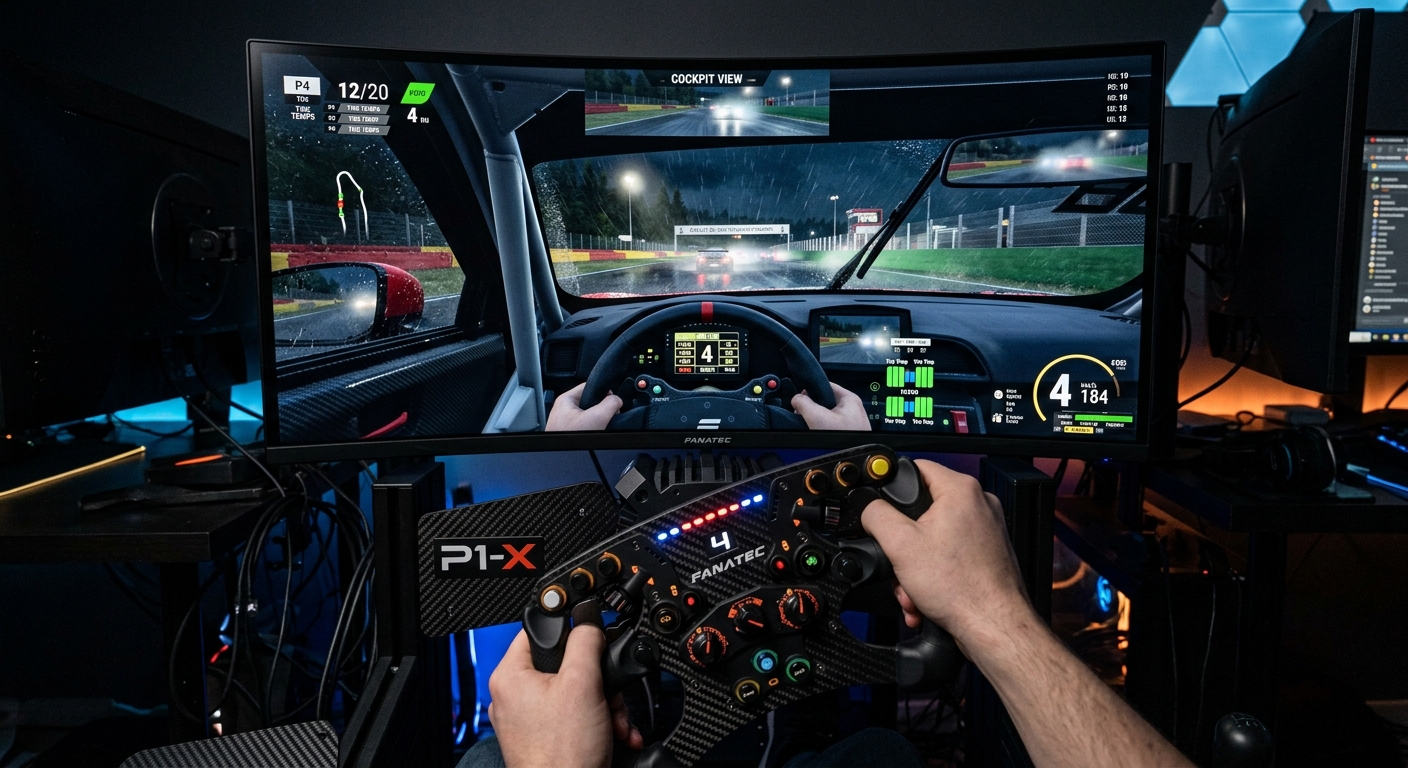
Protesting a penalty based on hardware failure requires a high burden of proof. Stewards should not take a driver's word at face value. Video evidence showing erratic car behavior—such as wheels snapping to full lock or throttle inputs staying at 100% despite braking—is essential. Advanced telemetry data can also be used to identify hardware spikes or signal loss. If a driver claims a stuck throttle, the telemetry should show a consistent input value even when the brake is applied. Without this objective data, allowing hardware failure as a defense opens the door for drivers to excuse poor driving, compromising the grid's standards.
Implementing Safety Standards and Force Majeure Clauses
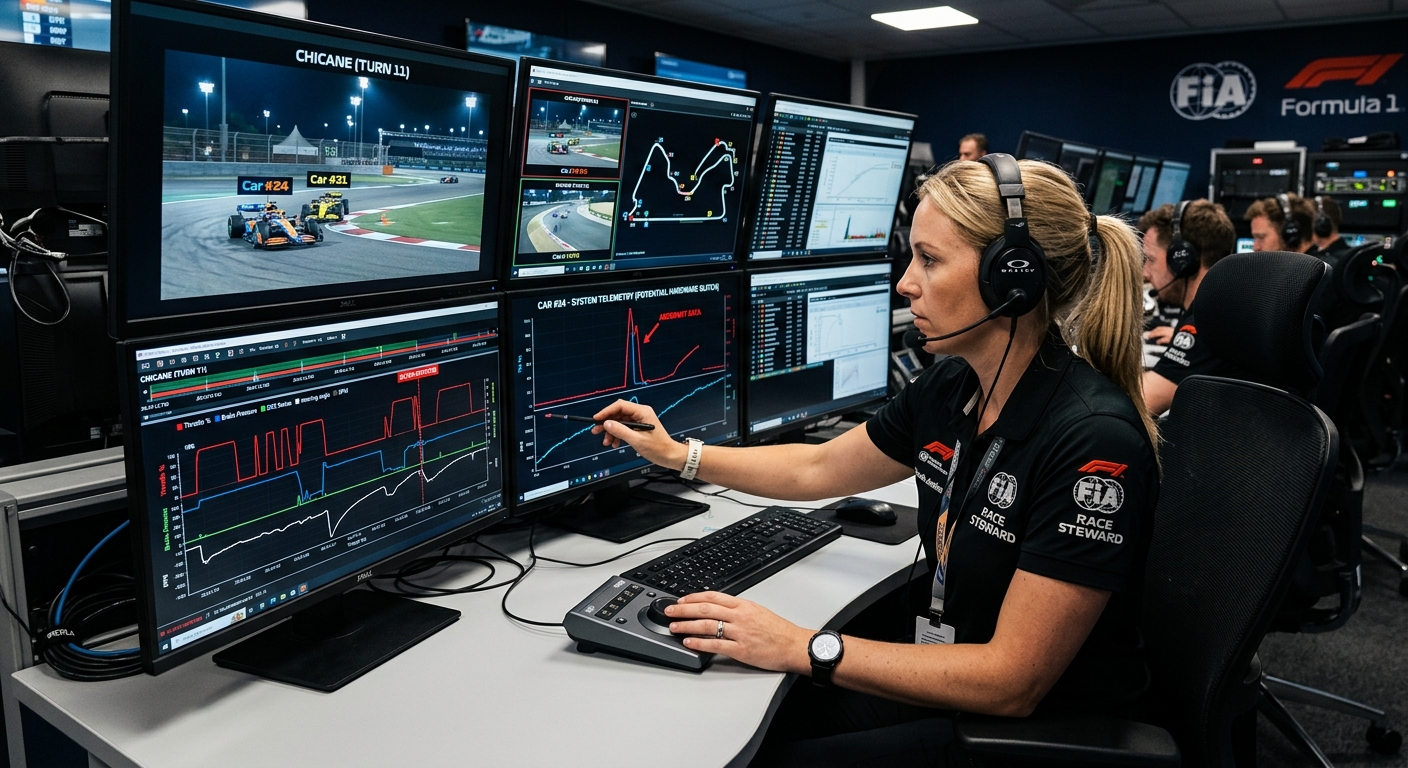
To protect the grid, league organizers must set clear technical standards. If a driver’s hardware is known to be unstable, allowing them to compete poses a safety risk to others. Rulebooks should include a Technical DNF policy and a Force Majeure clause. A Technical DNF allows a driver to retire without additional points penalties if they can prove a hardware fault. Meanwhile, a Force Majeure clause defines rare, unavoidable events—like a regional ISP outage—that might lead to a race being neutralized. FairGrid’s digital tools can help categorize these incidents to track hardware reliability over a season, ensuring long-term competitive fairness.
Simplify Your League’s Incident Management
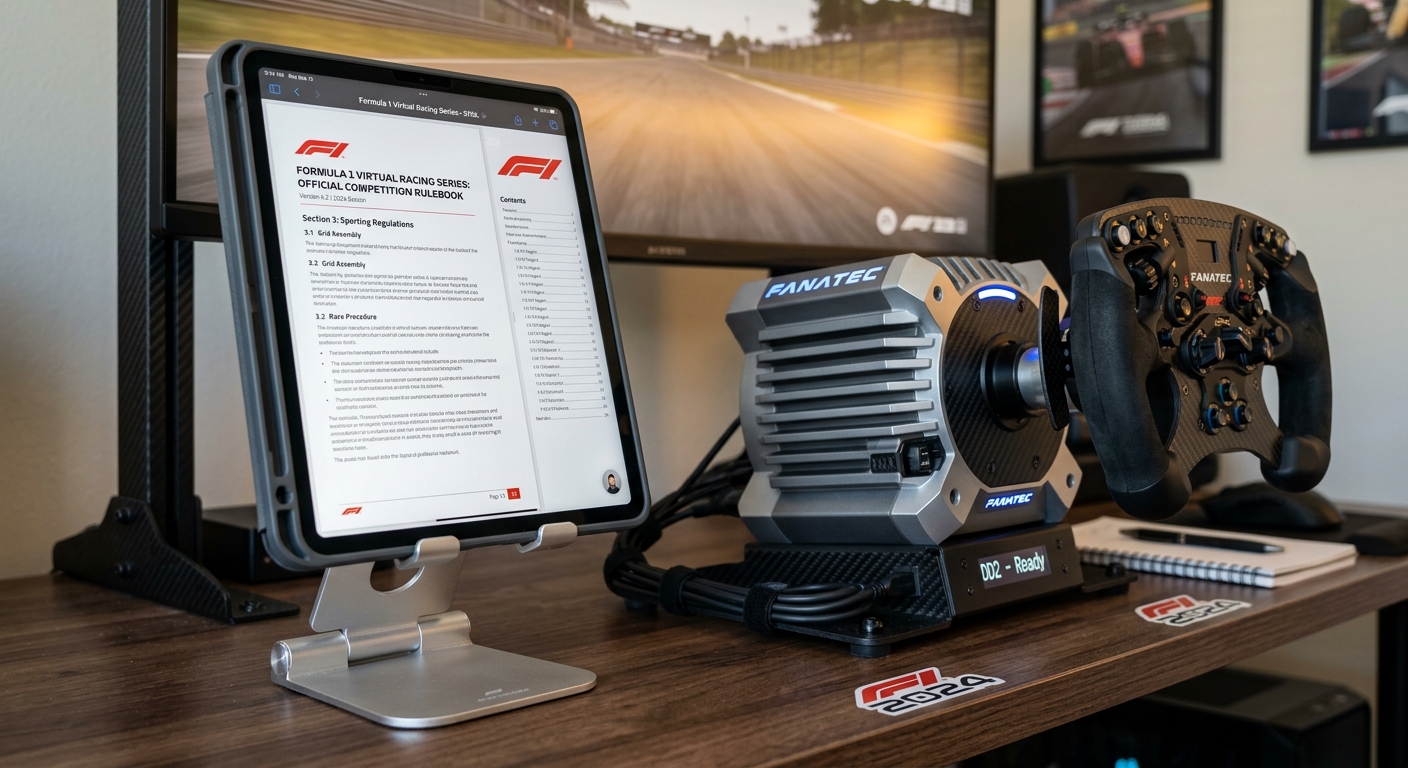
Stop losing track of complex technical protests. Use FairGrid to document, categorize, and resolve hardware-related incidents with professional precision. Keep your season standings fair and your stewards focused on the racing.