FAQ
What does a resolved protest status actually mean?
It means the stewards have reviewed the evidence and the case is closed. It often results in a warning on the offender's record rather than an immediate ban.
Why was the driver I reported still racing the next day?
Most initial violations result in a warning. Unless the driver has a history of similar offenses, they are typically allowed to continue racing immediately.
Is retaliation treated differently than a normal incident?
Yes. Retaliation is viewed as a deliberate violation of competitive integrity and is often penalized more severely than the initial contact.
How do I write a successful protest?
Focus on the facts, provide clear timestamps, and cite the specific section of the Sporting Code that was violated without using emotional language.
Can private leagues have stricter rules than public lobbies?
Absolutely. Private leagues often use tools like FairGrid to enforce stricter, more transparent stewarding that bypasses the standard warning-heavy public systems.
Protest Resolved, But No Ban? Understanding Sim Racing Suspension Realities
iracing-protest-system-explained-suspensions
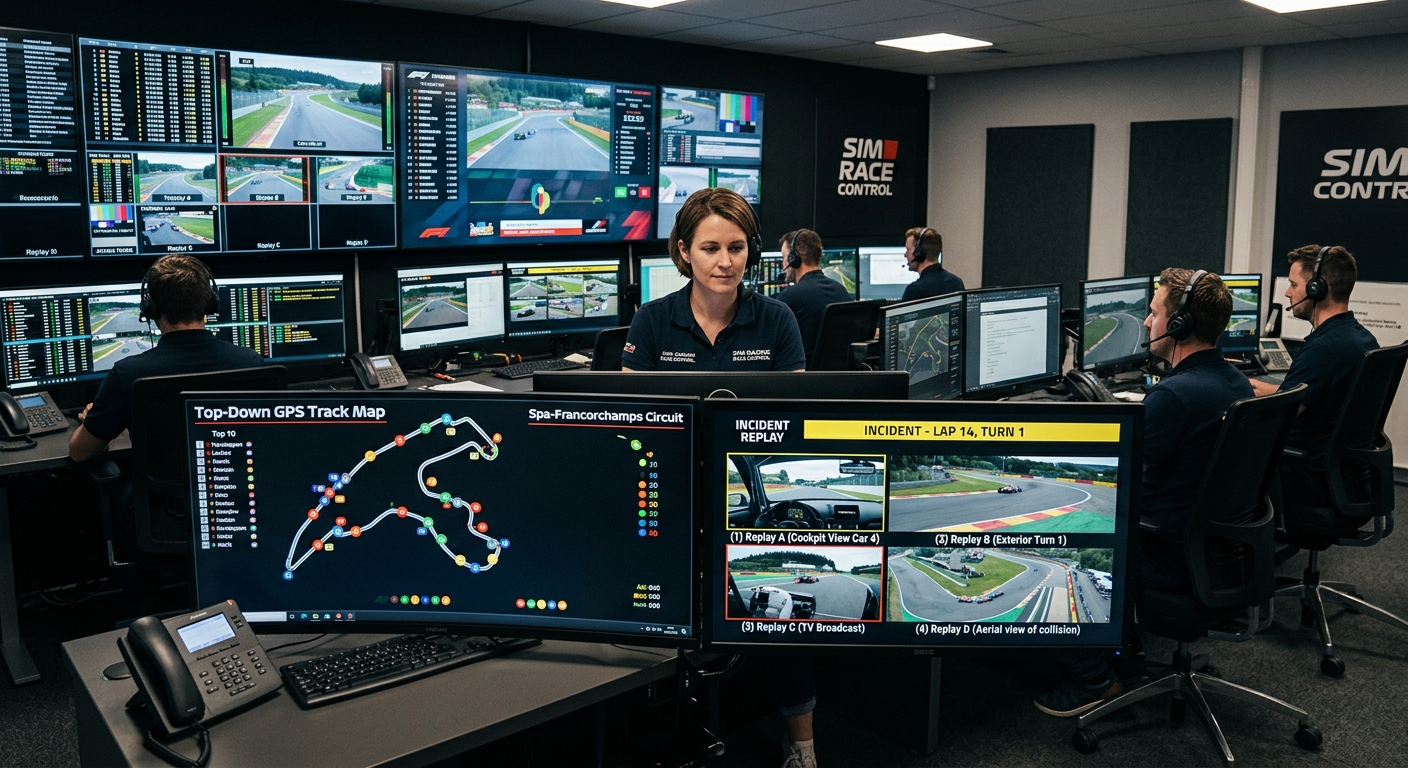
Wondering why a driver is still on track after a successful protest? We explain the iRacing escalation ladder, the meaning of resolved protests, and the reality of suspensions.
The Frustration: Why Resolved Does Not Always Mean Suspended
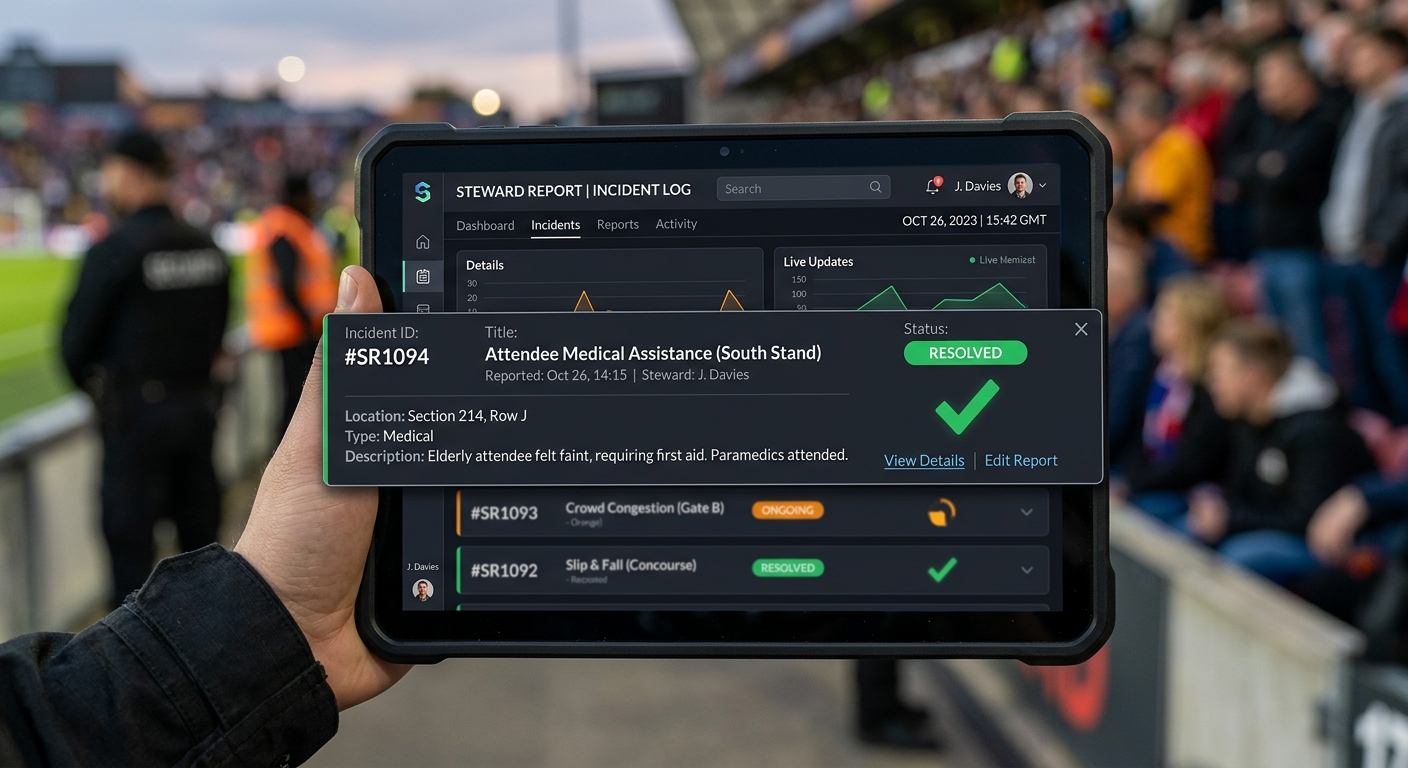
To the driver who was taken out, a resolved notification suggests that justice has been served. In the back-end of most major sim racing services, resolved simply means the case is closed. The stewards have reviewed the replay, identified the breach of the Sporting Code, and logged the incident. For most first-time offenders, this results in a formal warning rather than a suspension. This warning serves as a digital paper trail, ensuring that any future incidents lead to much harsher penalties.
The Escalation Ladder: Handling First-Time Offenders
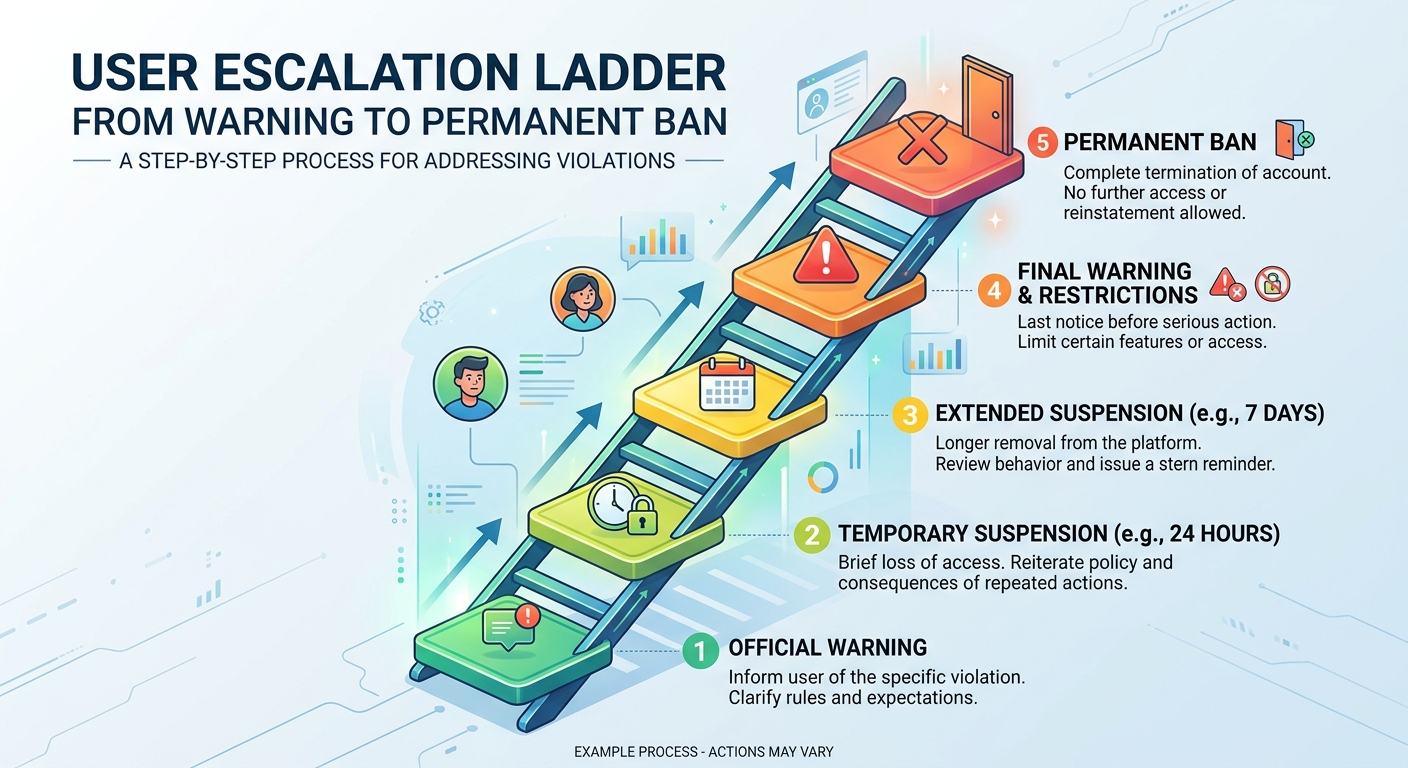
Sim racing platforms generally follow an escalation ladder designed to educate rather than just punish. The first step is usually a coaching email or a formal warning. If the driver continues to violate the Sporting Code, they move toward short-term suspensions, often lasting between three to seven days. Permanent bans are reserved for the most egregious cases or for those who demonstrate a total lack of reform after multiple suspensions. This system gives well-meaning drivers a chance to improve their racecraft while weeding out truly toxic actors over time.
Intentional Wrecking vs. Poor Racecraft
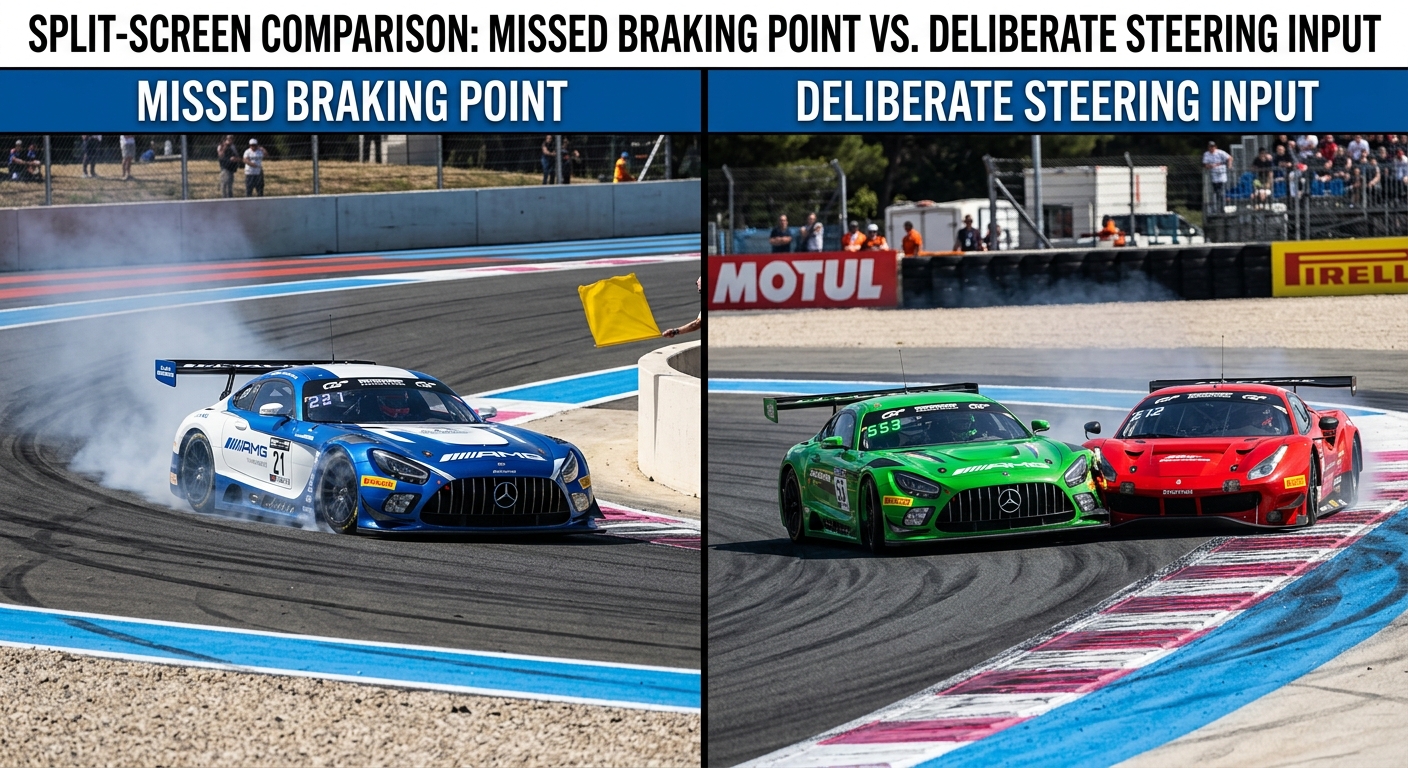
A major challenge for stewards is distinguishing between a mistake and a malicious act. Intentional wrecking requires clear proof of intent, such as a driver failing to brake entirely or steering directly into an opponent. Poor racecraft, though frustrating, is rarely a suspendable offense. However, retaliation is the hardest sin to defend. If a driver is hit and then chooses to hunt down their opponent to strike back, they are almost guaranteed a swifter move up the escalation ladder. Retaliation is seen as a premeditated choice to break the rules.
Elevate Your League Stewarding with FairGrid
If you are tired of the limitations of public protest systems, it is time for a better solution. FairGrid offers league organizers advanced incident management and AI-assisted stewarding tools to ensure your community maintains the highest standards of competitive integrity. Provide your drivers with the transparent, fair, and fast results they deserve.