FAQ
How does ACC calculate Safety Rating (SA)?
SA is calculated by weighing 'Trust' points, gained by driving close to others without contact, against 'OBWP' (Online Behavioral Warning Points) gained from collisions.
Why do I lose SA when someone else hits me?
The automated system is a no-fault system. It penalizes both parties to encourage overall incident avoidance, as it cannot determine intent.
What is the fastest way to increase SA?
The most effective way to gain SA is to follow other cars closely (within 0.5 to 1.0 seconds) for entire race distances without making any contact.
Can I report a driver for a dangerous re-entry in a public lobby?
Public lobbies do not have a reporting system. For moderated racing, you must join private leagues that utilize human stewards.
Does racing against AI count toward my Safety Rating?
Yes, racing against AI in single-player mode will affect your SA, provided the 'Rating' setting is enabled in the game options.
Punished for Being Safe? How to Protect Your ACC Safety Rating in High-Risk Races
protect-acc-safety-rating-high-risk-races
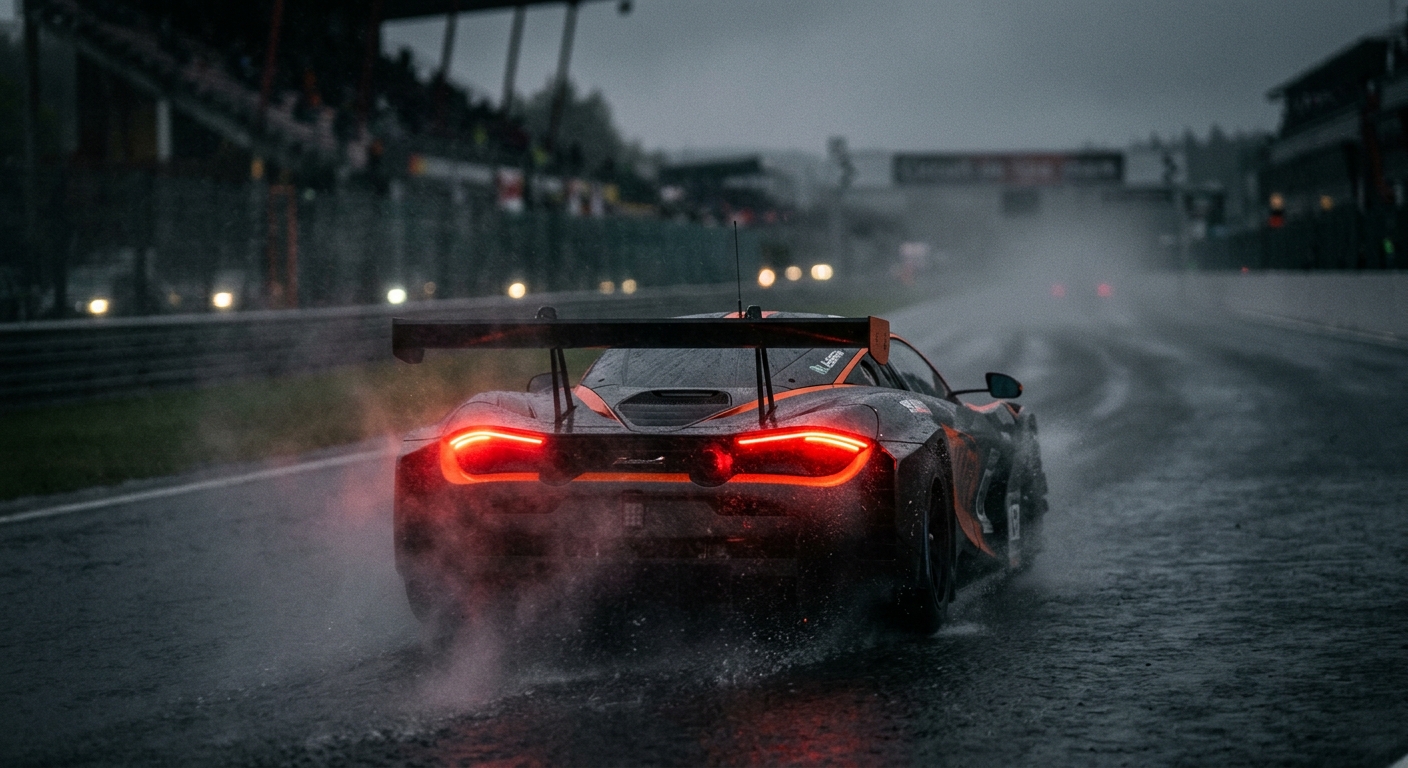
Getting penalized for others' mistakes in the rain is frustrating. Discover how to protect your ACC Safety Rating and why racecraft matters more than lap times in high-risk races.
The SA Paradox: Why Safe Drivers Still Lose Points
The ACC Safety Rating system is a mathematical calculation based on the relationship between Trust and Online Behavioral Warning Points. It does not possess a human's ability to judge intent or blame. When contact occurs, the system records an incident for both cars involved regardless of who was at fault. While this encourages everyone to avoid contact at all costs, it often feels unfair to the driver who was merely holding their line. To protect your rating, you must accept that the system is blind to context and focus entirely on total contact avoidance.
Wet Weather Woes: Why Racecraft Matters More Than Lap Times
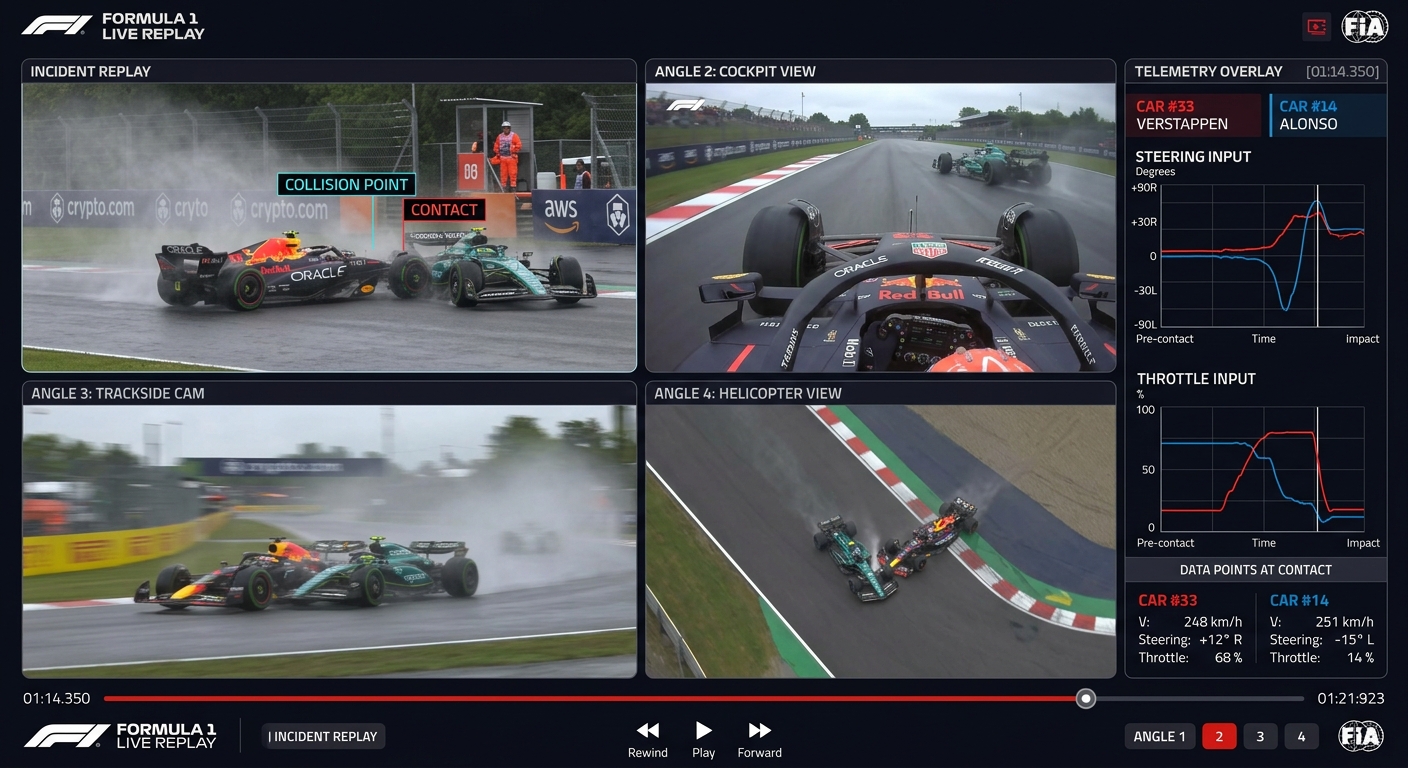
Wet weather racing exposes the massive gap between a driver's ability to hot-lap and their actual racecraft. High-risk conditions reduce visibility and significantly increase braking distances. Many drivers attempt to use their dry-weather references, leading to massive pile-ups in the braking zones. True racecraft in these conditions involves managing the car ahead and behind more than the track itself. Success in the rain isn't about being the fastest; it is about being the most aware of the chaos unfolding in the spray.
Tactical Racecraft: How to Anticipate and Avoid Bad Re-entries
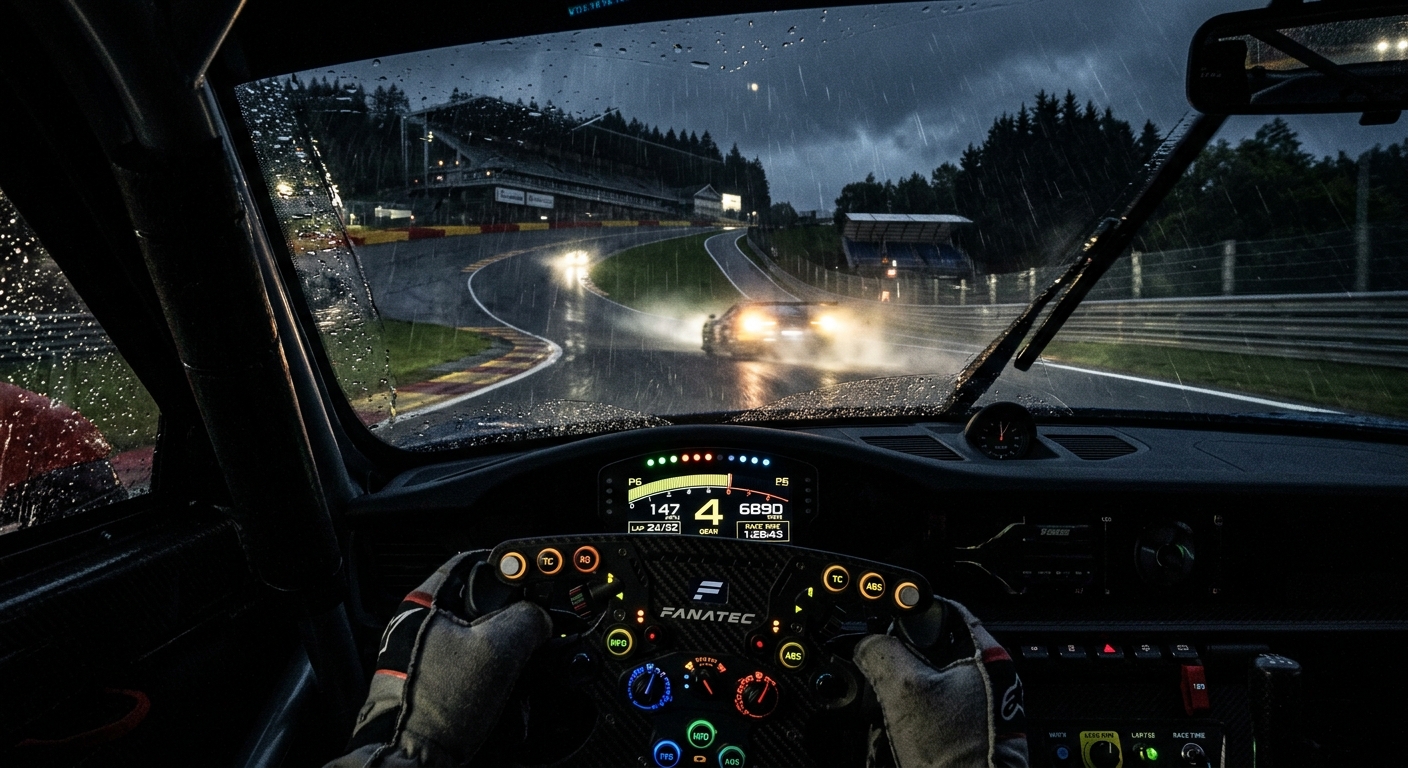
Surviving a public lobby requires a defensive mindset that borders on paranoia. You must anticipate erratic behavior, such as dangerous re-entries where a crashed driver joins the track without checking their radar. Tactical racecraft means watching for smoke or yellow flags long before you see the cars involved. In high-risk starts, it is often better to give up three positions if it means avoiding a contact penalty. In the world of automated ratings, the driver who survives with their SA intact is the real winner.

Tired of Unfair Penalties?
Automated systems have their limits. For competitive integrity that rewards true racecraft, join leagues powered by FairGrid. Our platform provides the transparent, human-led stewarding and protest systems that public lobbies lack.