FAQ
Does a high safety rating make me slower?
No, focusing on safety improves car control and situational awareness. Being safe means you finish more races, which gives you more seat time to improve your pace.
How does safety rating impact my matchmaking?
Higher safety ratings grant access to higher-tier licenses and specialized leagues. This moves you into splits with more disciplined drivers, resulting in more competitive racing.
When should I prioritize safety over a pass?
You should prioritize safety whenever the risk of contact is high. A failed pass that ends in a wreck costs you more than waiting for a cleaner opportunity.
Why is attrition important in sim racing?
Attrition refers to drivers dropping out due to incidents. By avoiding mistakes, you automatically gain positions when others crash, which is a reliable way to reach the podium.
How can FairGrid help with clean racing?
FairGrid provides automated stewarding and incident review tools that help leagues identify and reward safe drivers while maintaining high standards of competitive integrity.
Safety Rating vs. Race Wins: Why Driving for Cleanliness Leads to More Podiums
safety-rating-vs-race-wins-sim-racing
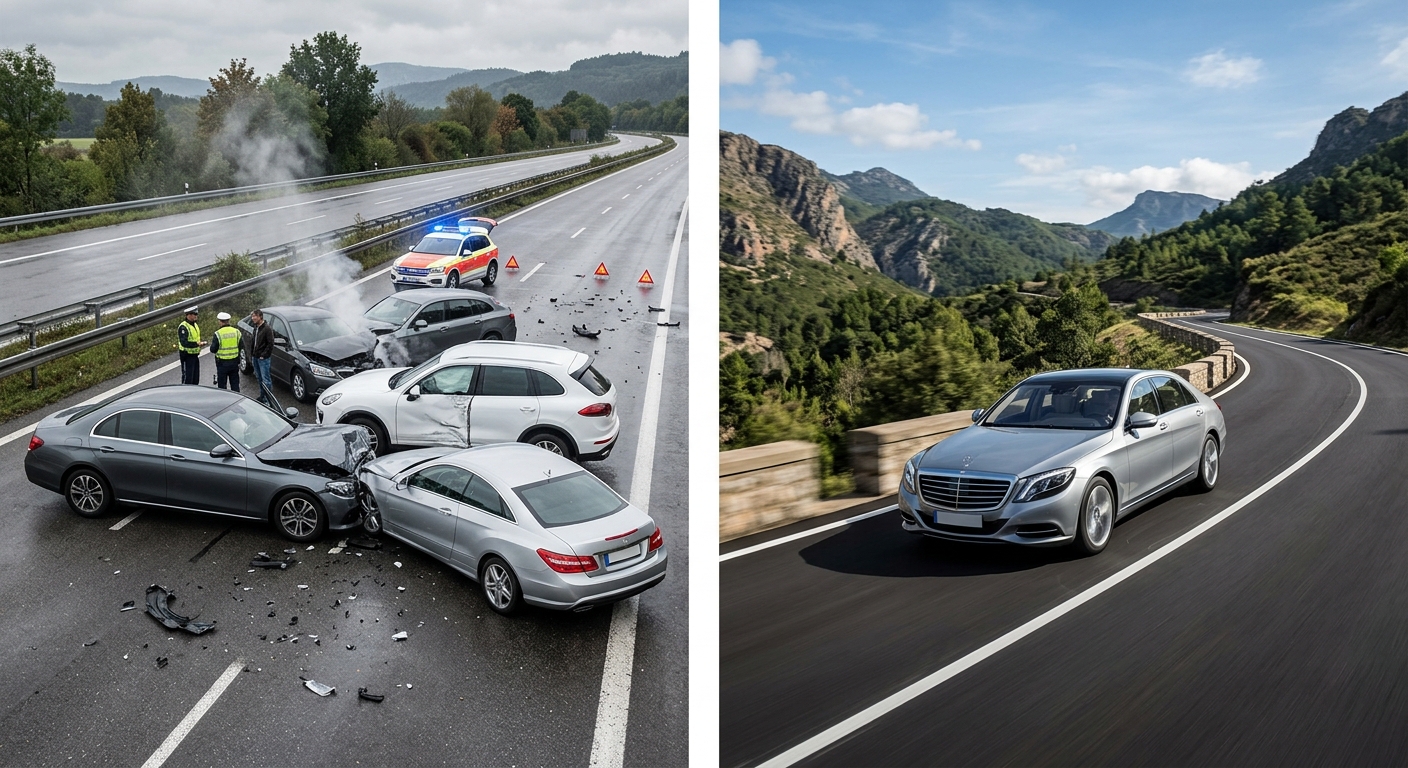
Learn why prioritizing your safety rating is a strategic advantage in sim racing, leading to more podiums through better matchmaking and avoiding race-ending incidents.
The Myth of the Slow Safe Driver
There is a common misconception that safe drivers are inherently slow. In reality, safety and pace are not mutually exclusive. High-level competition requires the discipline to maintain control while pushing limits. Drivers who focus on their safety rating develop better spatial awareness and car control, allowing them to survive the chaotic early laps where most competitors lose their chance at a win. By staying on track, you ensure you are in the mix when the race enters its final stages, often finding yourself faster than the remaining field because you haven't damaged your car or your tires in reckless battles.
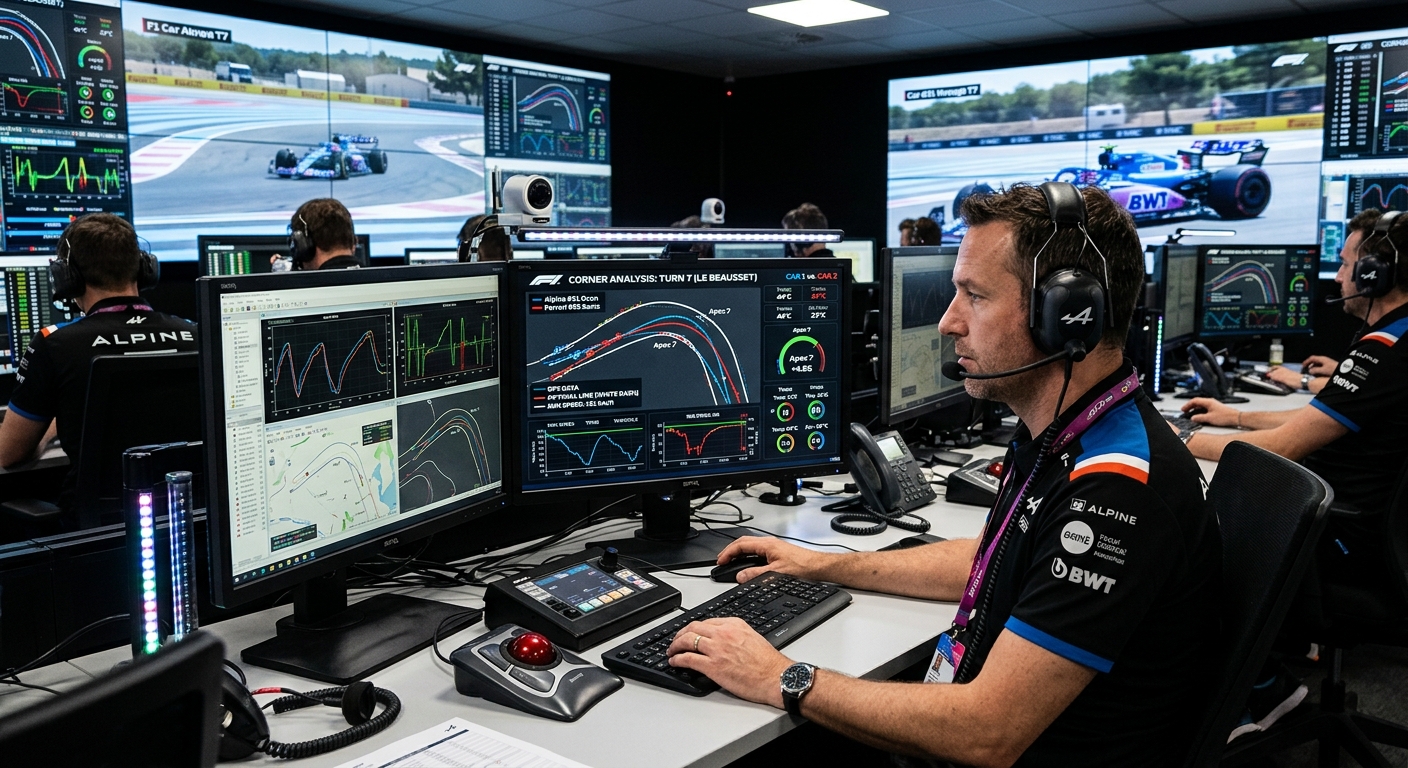
Risk vs. Reward: Evaluating the Last Lap Lunge
The last lap, last turn mentality often causes more harm than good for a driver's career. When you attempt a high-risk overtake, you gamble your entire race performance for a single position. From a strategic standpoint, a guaranteed podium finish is significantly better for your long-term ranking than a DNF caused by a desperate dive. Clean racing minimizes the need for external stewarding and protects your reputation within the community. When you are known as a safe driver, opponents are more likely to race you fairly, knowing you won't take unnecessary risks that end both of your races.
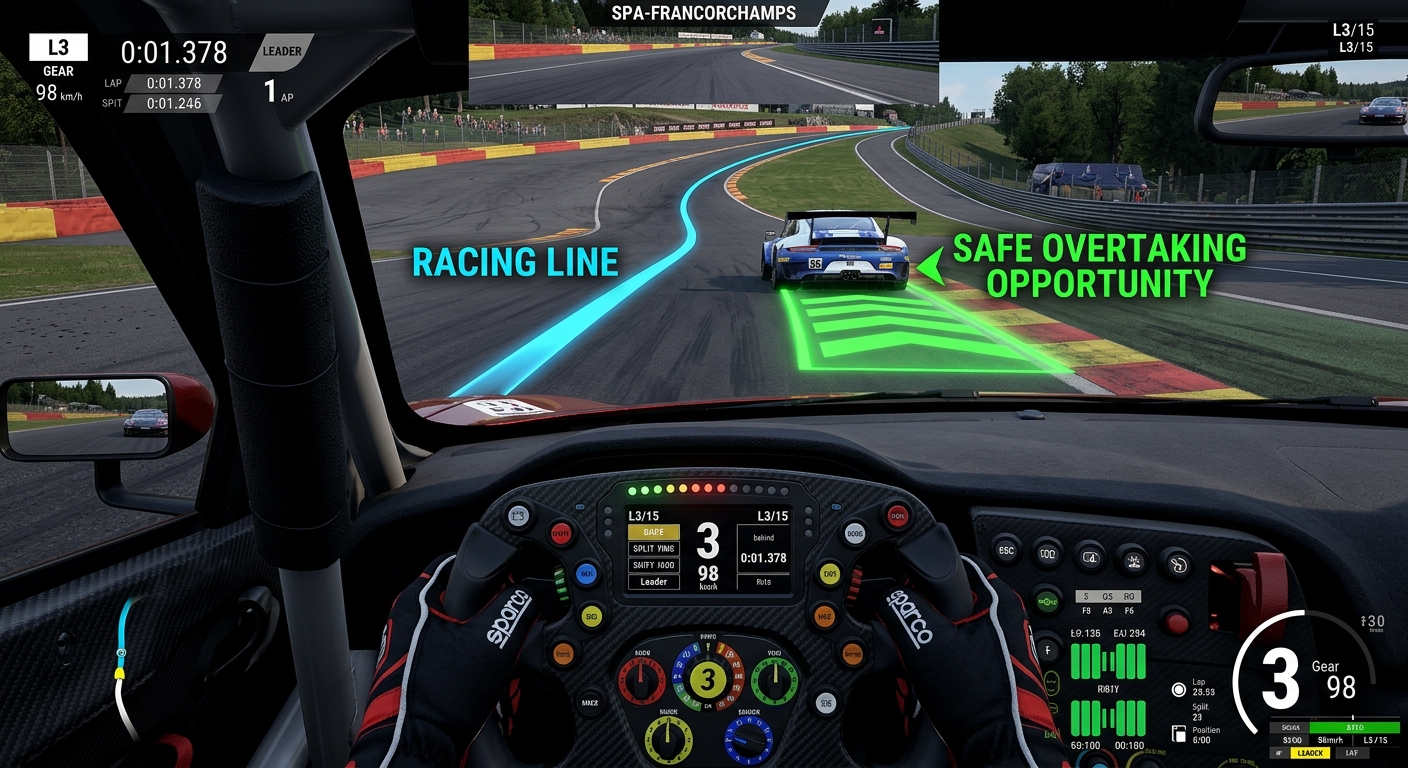
The Attrition Factor: Winning by Being the Last One Standing
Many victories in sim racing are won through attrition. While aggressive drivers collide and reset to the pits, the safety-first competitor remains on track, picking up positions as others fail. This approach naturally leads to higher splits, where racing is cleaner and more predictable. As you move up, the consistency gained from focusing on safety becomes your greatest competitive advantage. In higher-tier racing, the margin for error is slim, and the drivers who can maintain pace without triggering incident points are the ones who ultimately claim the championships.
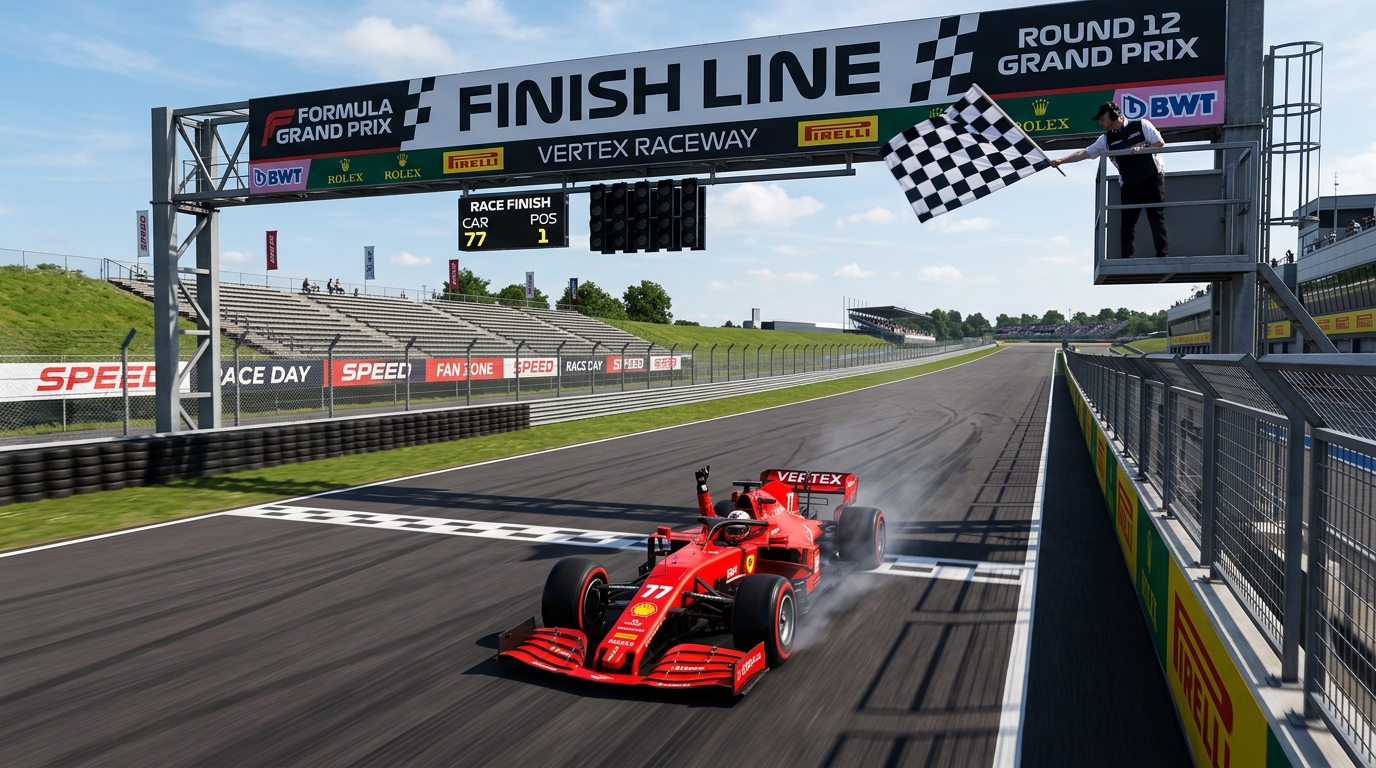
Elevate Your League Standards with FairGrid
Tired of messy races and endless protest queues? FairGrid’s automated stewarding tools empower league organizers to reward clean, safe racing and maintain the highest levels of competitive integrity. Join the future of sim racing management today.