FAQ
Is starting from the pits a good way to gain Safety Rating?
It is an effective short-term strategy to avoid lap one accidents, but it can prevent you from learning how to race safely in a pack.
How can I predict a multi-car pileup?
Look for signs of instability in drivers ahead, such as heavy tire smoke, frequent light contact, or unpredictable braking points.
Why do series like IMSA have such high incident rates?
Multi-class racing increases complexity and closing speeds, leading to more frequent misunderstandings and collisions between different car classes.
Does iRacing's automated system punish the right people?
The system is no-fault, meaning everyone involved gets points. This is why human stewarding in leagues is preferred for true competitive integrity.
How does FairGrid help with wreck-fests?
FairGrid provides tools for leagues to implement human stewarding and incident reviews, ensuring that reckless drivers are held accountable for their actions.
Surviving the Wreck-Fest: How to Protect Your iRacing Safety Rating
iracing-incident-avoidance-survival-guide
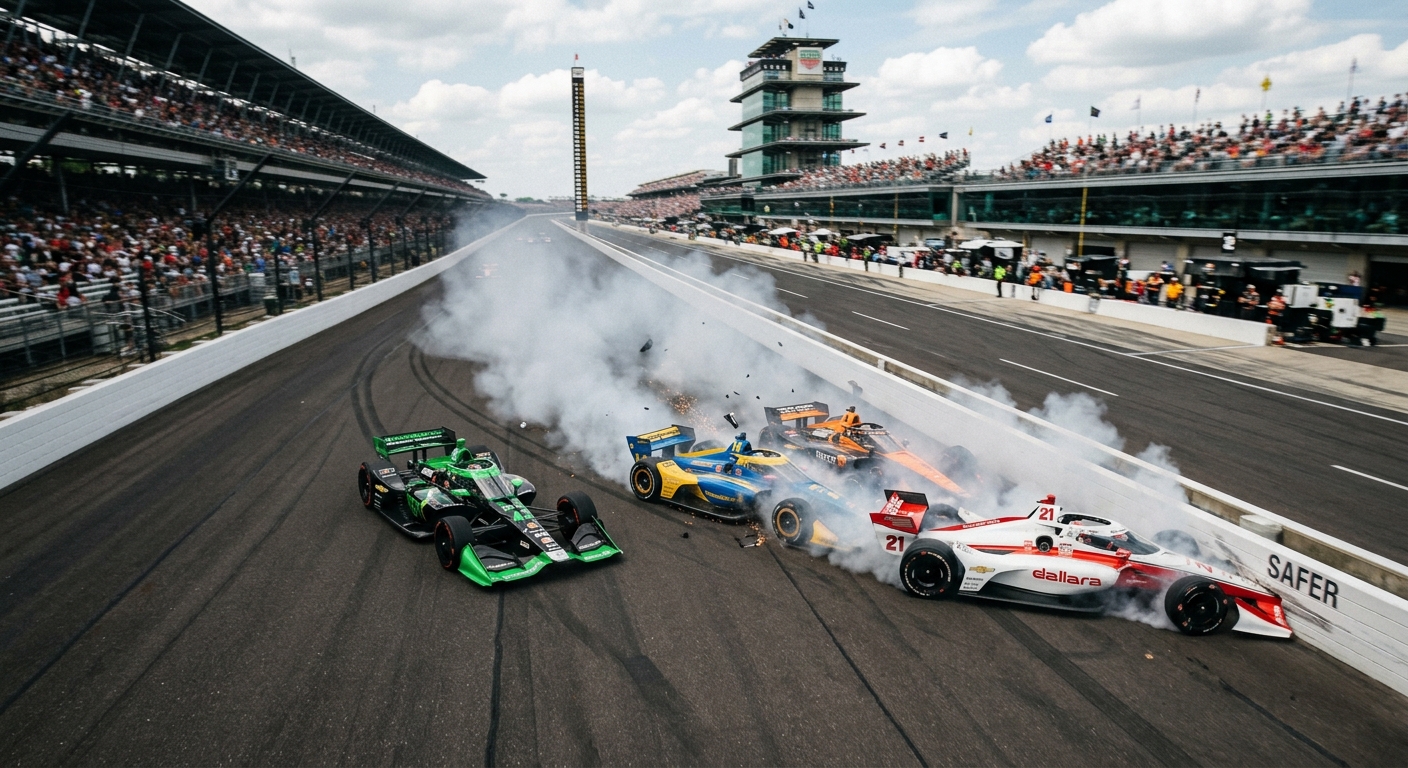
Learn how to navigate the chaos of high-incident iRacing lobbies. We analyze the ethics of starting from the pits and how to predict multi-car pileups to save your rating.
To Qualify or Not to Qualify? The Ethics of Starting from the Back
The debate over starting from the pits to preserve Safety Rating is a staple of the iRacing community. While this tactic helps you avoid the chaotic first lap of a wreck-fest, it often places you in a bubble that prevents you from learning race craft. Over-driving or under-driving to stay away from others might protect your license, but it can sacrifice competitive integrity. The goal should be to participate in the race while developing the reflexes to handle close-quarter combat. Real growth comes from learning to navigate the field, not avoiding it.
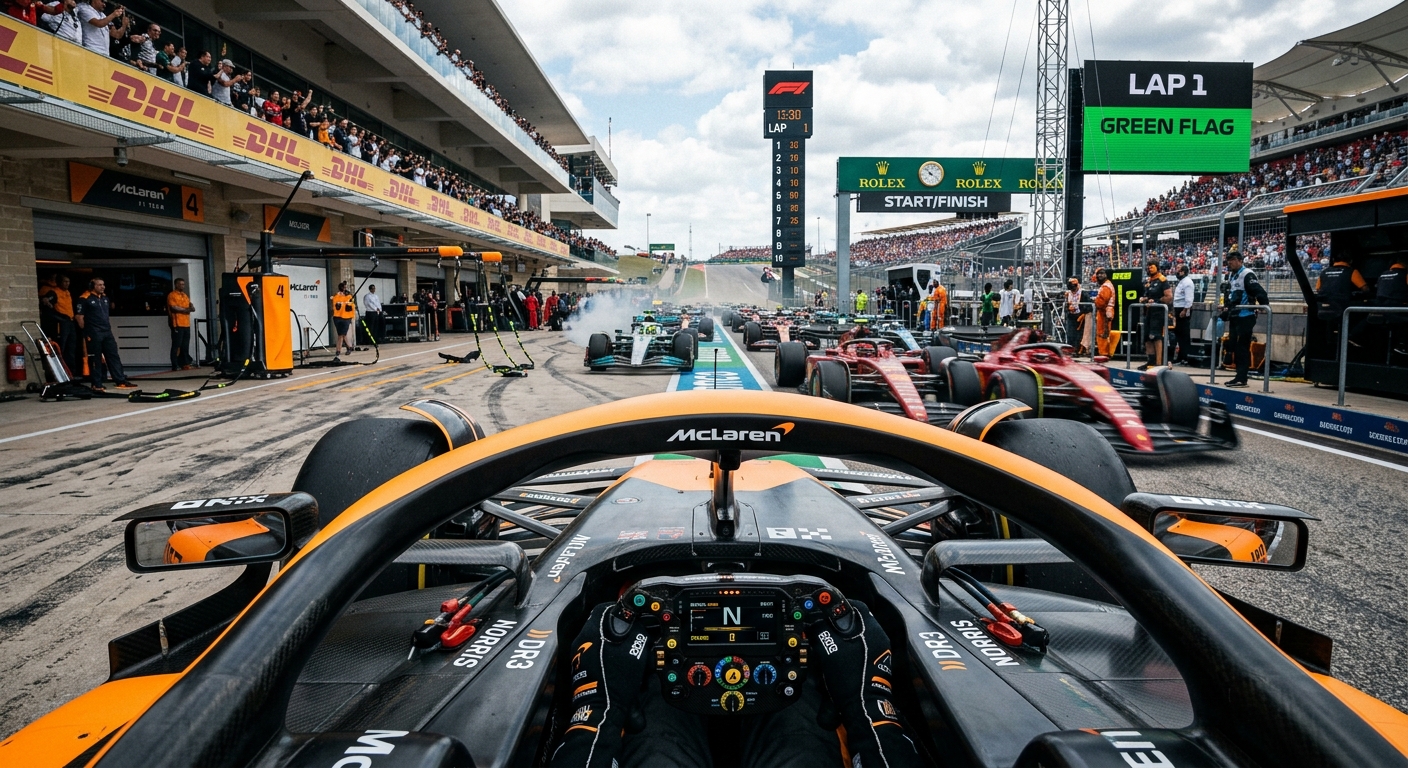
Incident Prediction: Reading the Body Language of Risky Drivers
Survival in high-incident lobbies requires an ability to predict crashes before they happen. By reading the body language of the cars around you, you can spot trouble early. Look for erratic steering, missed apexes, and overly aggressive defensive moves. Certain tracks like Richmond, Daytona, and Indianapolis naturally trigger higher incident rates due to their tight layouts or high speeds. Anticipating these danger zones and giving extra space to unstable drivers can save your race and your rating. It is about playing the long game rather than winning the first corner.
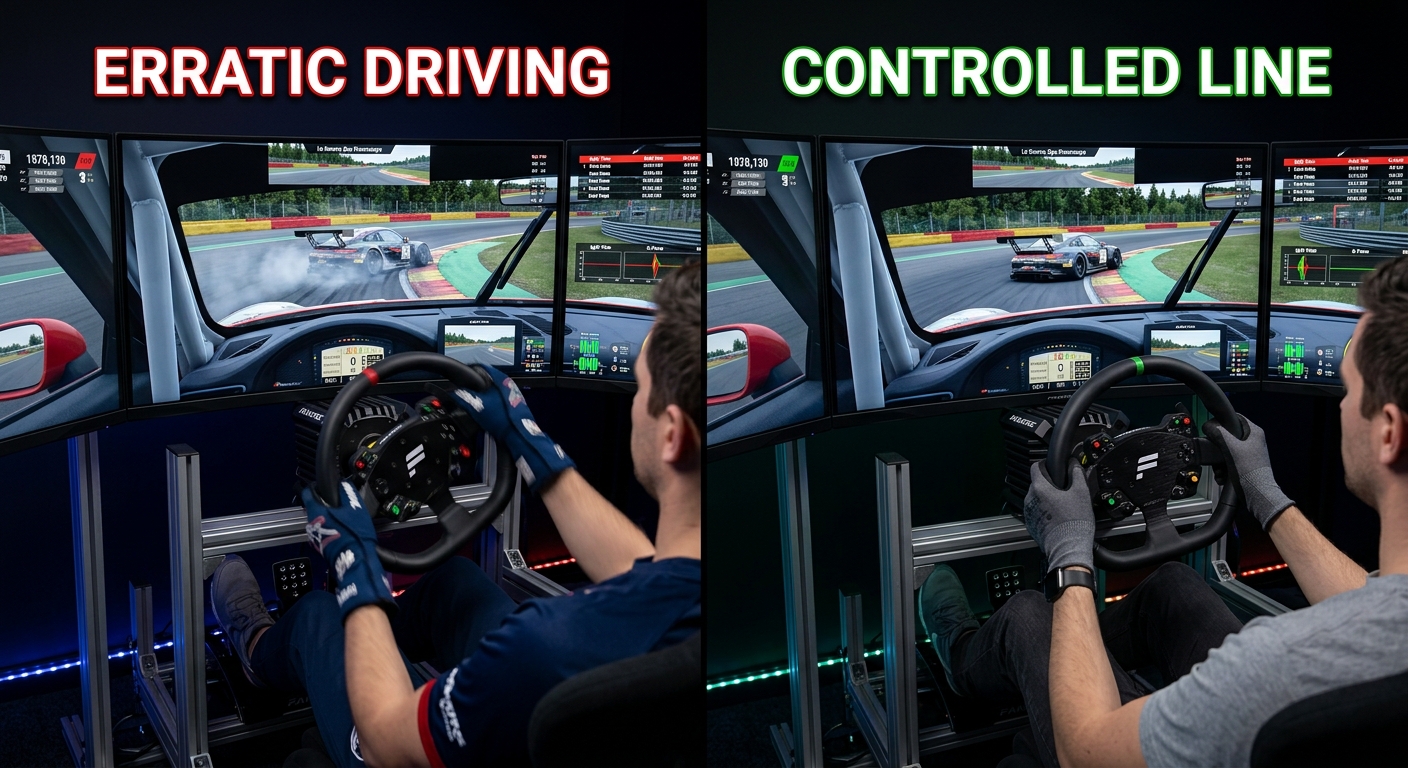
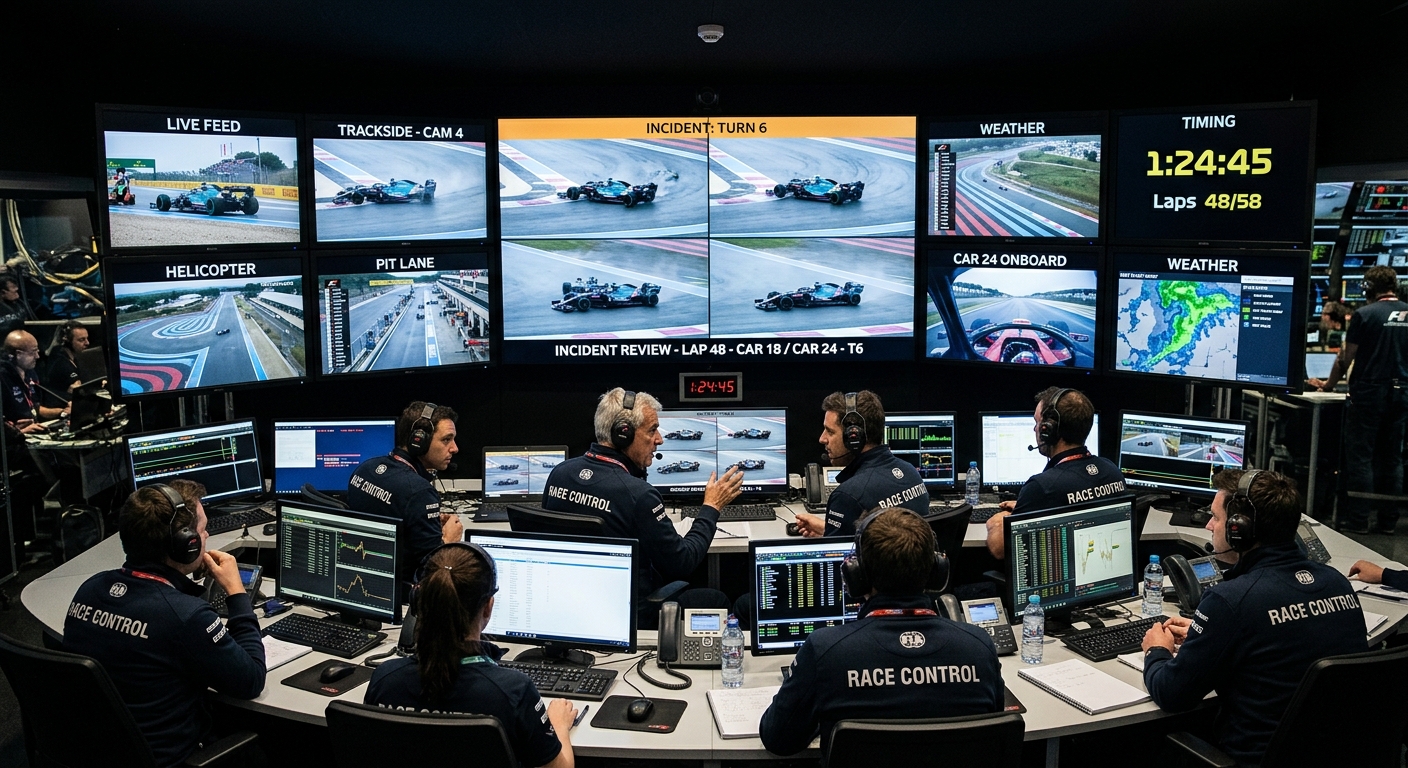
The Limits of Automated Systems vs. Live Stewarding
There is a massive gap between the chaos of public lobbies and the structured environment of a stewarded league. Public lobby standards rely on an automated system that often fails to distinguish between the victim and the instigator. In contrast, league stewarding provides a layer of accountability that encourages cleaner racing and higher standards. Moving beyond survival mode means transitioning to environments where race control and competitive integrity are the priority. This is where drivers can finally focus on speed rather than just avoiding the next pileup.
Tired of the Public Lobby Lottery?
If you are ready to stop just surviving and start truly racing, it is time to join the FairGrid ecosystem. Our platform connects you with leagues that prioritize competitive integrity, live stewarding, and professional race control. Leave the wreck-fests behind and experience sim racing as it was meant to be.