FAQ
What is the difference between a racing incident and a bannable offense?
A racing incident is an accidental collision during competition. A bannable offense involves intentional wrecking, retaliation, or repeated gross negligence of the Sporting Code.
How long does a typical sim racing ban last?
First-time major violations often result in a 7-day suspension, while repeat offenders or severe cases of malicious behavior can face permanent bans.
Can I protest someone for being slow or having technical issues?
No, technical issues like high ping or a lack of pace are not violations unless the driver is being intentionally obstructive or dangerous.
Is verbal abuse on voice chat a bannable offense?
Yes, most platforms have strict policies against toxic behavior, including verbal abuse and harassment in text or voice communication channels.
How can I improve my safety record after a suspension?
Focus on clean racing, avoid high-risk overtakes, and prioritize finishing races without incidents to demonstrate a commitment to the Sporting Code.
The 7-Day Ban: What the Sim Racing Sporting Code Really Says About Your Driving
sim-racing-bans-sporting-code-violations
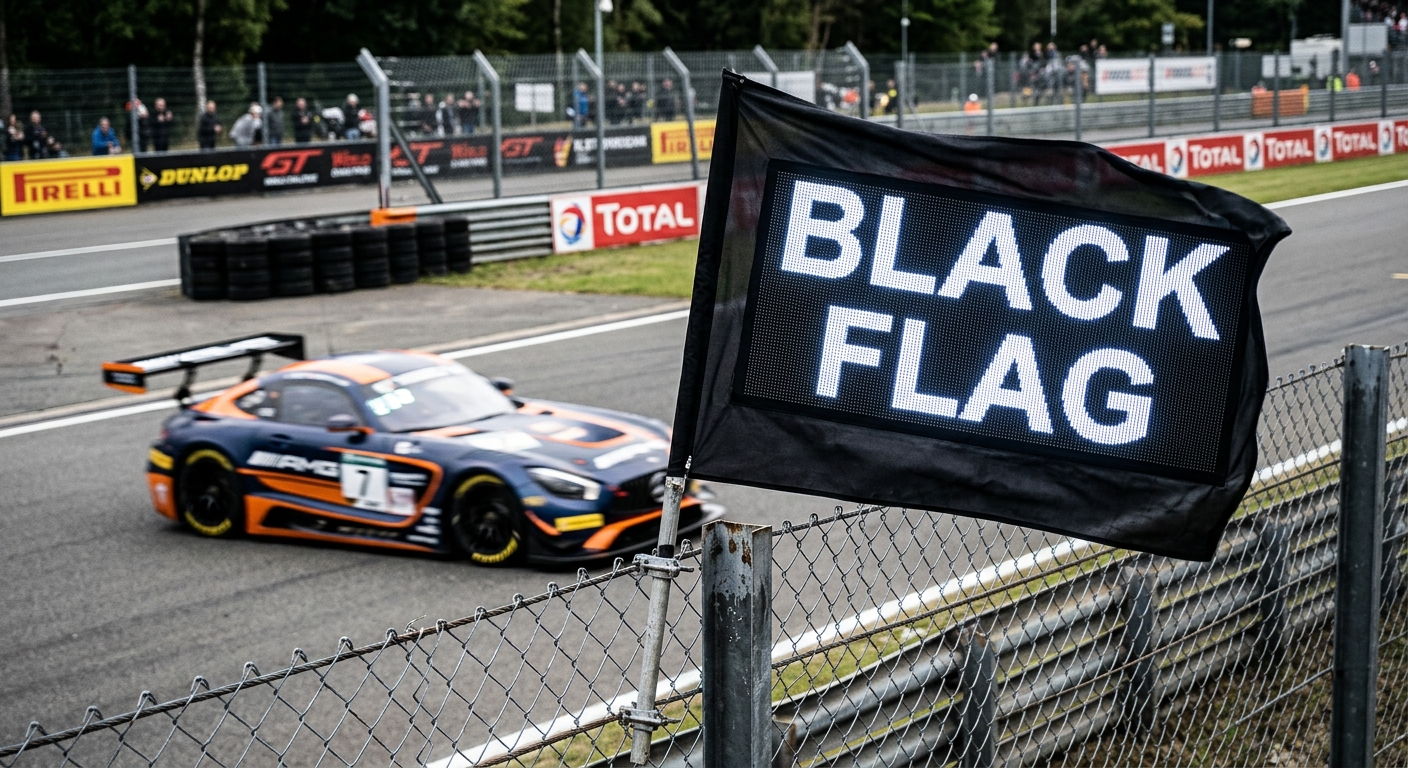
Understand the fine line between racing incidents and intentional wrecking. Learn how the Sporting Code governs behavior and what leads to a 7-day ban.
Why Do Sim Racers Get Banned? Understanding the Threshold
Most bans in sim racing stem from a disconnect between a driver's actions and the platform's expectations for safety. While accidental contact is part of racing, persistent neglect for the safety of others or blatant disregard for the rules leads to intervention. Platforms like iRacing and ACC rely on a Sporting Code to define these boundaries. A 7-day ban is typically a warning shot, signaling that a driver’s behavior has crossed from aggressive racing into the territory of being a liability to the community. Common reasons include repeated unsafe pit entries, ignoring blue flags, or dangerous rejoins that cause multi-car pileups.
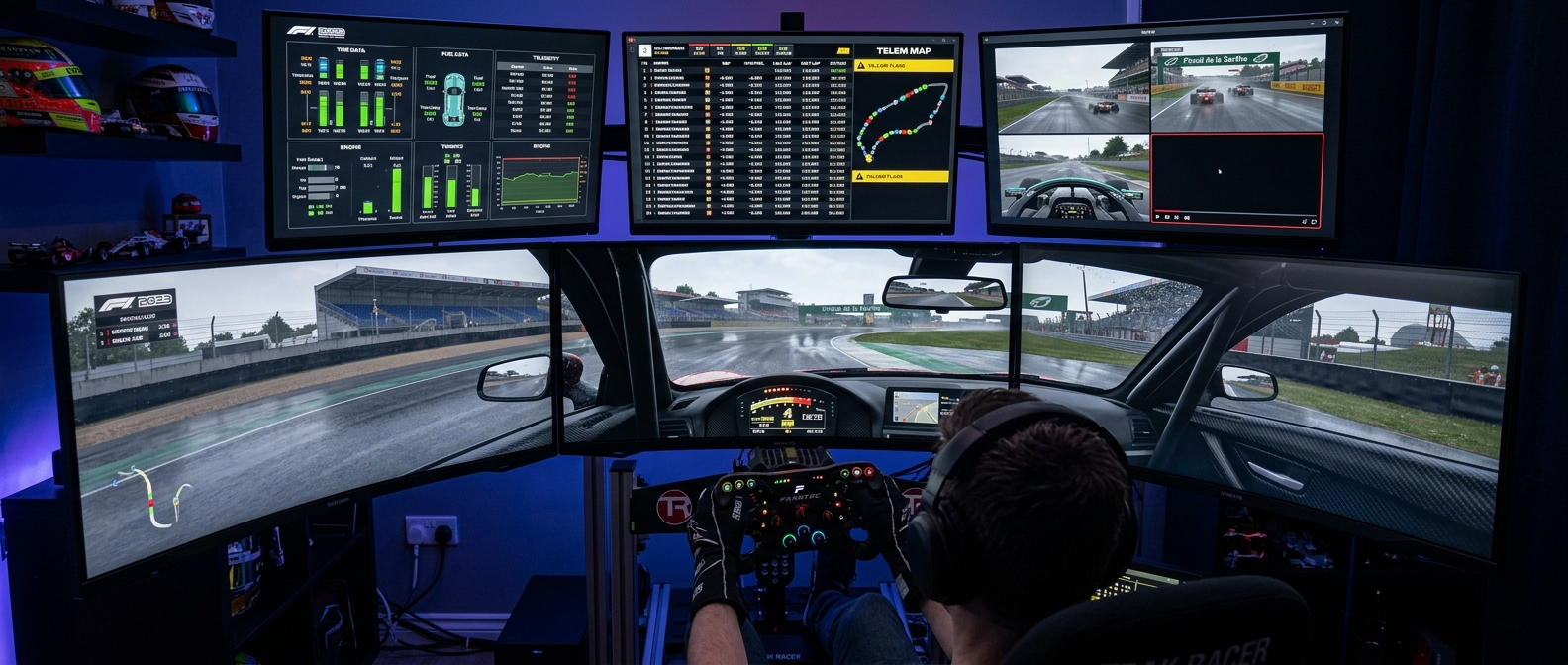
Intentional Wrecking vs. Lack of Car Control: How Stewards Decide
The most significant distinction stewards make is between an incident and intent. A racing incident occurs when two drivers fight for the same piece of tarmac and make a mistake. Lack of car control can result in penalties, but rarely a ban unless it's a repeated pattern of negligence. Intentional wrecking, however, involves using the car as a weapon or retaliating after a previous collision. Stewards look for signs of premeditation, such as a driver waiting for another on track or failing to apply brakes during a collision. Analyzing steering inputs and throttle traces helps stewards identify when a crash was avoidable or malicious.
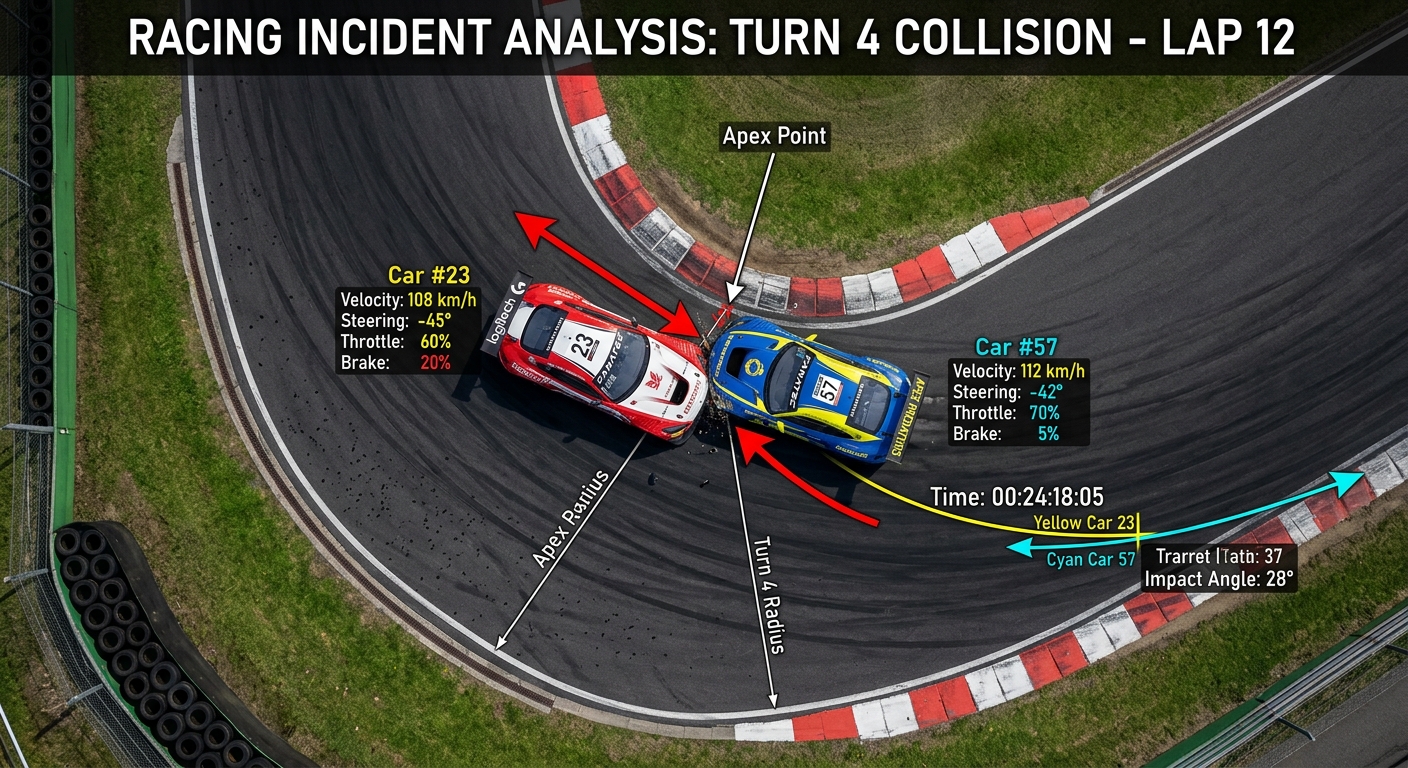
The Anatomy of a Successful Protest: Evidence and Documentation
To maintain a clean environment, the protest system is the primary tool for enforcement. A successful protest isn't just a complaint; it is an evidence-based submission. It requires clear replay footage from multiple angles, including cockpit and chase views, to show the inputs of the drivers involved. Stewards analyze these frames alongside the visual evidence to reach a verdict. Effective race control systems help streamline this by organizing evidence and ensuring that every decision is backed by data rather than emotion. Proper documentation prevents toxic post-race arguments and allows the official channels to handle disputes professionally.
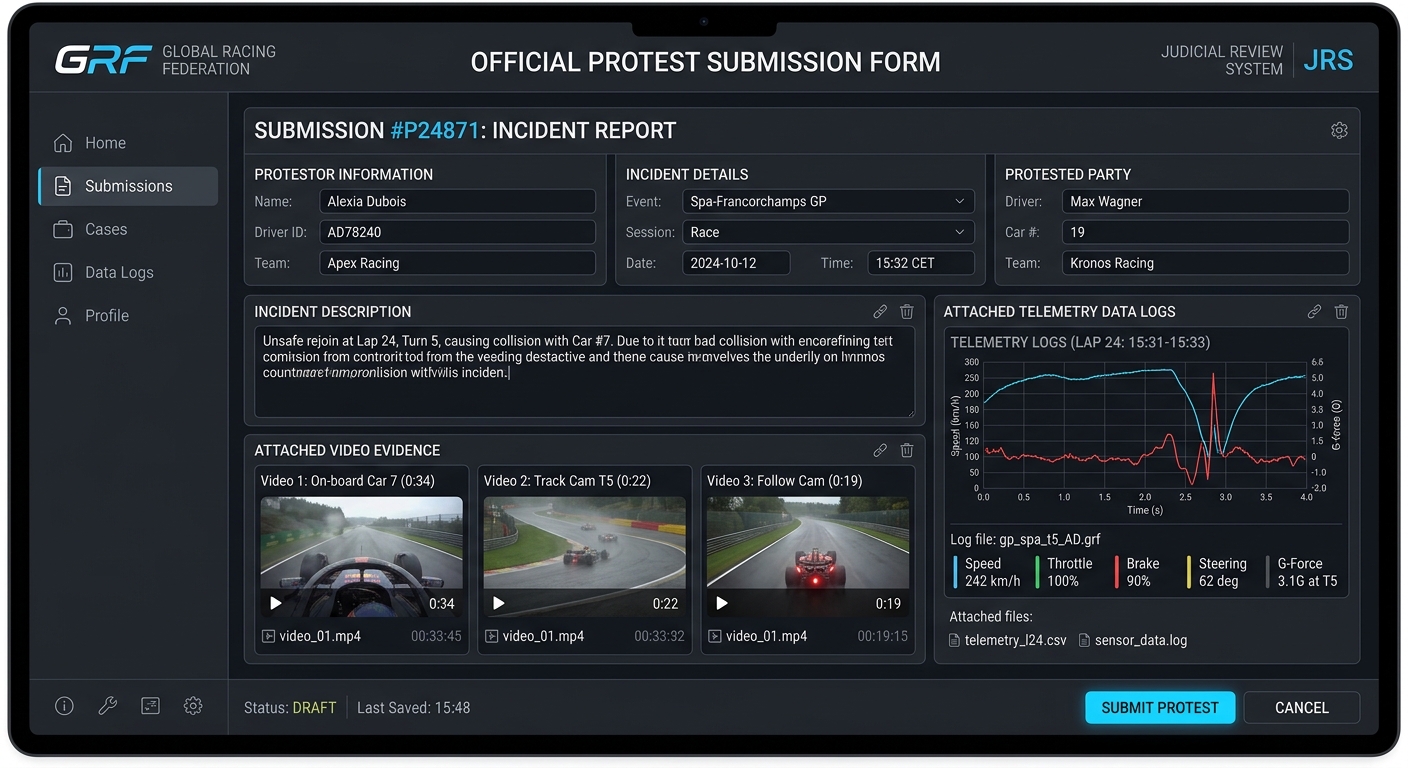
Simplify Your League's Race Control with FairGrid
Managing protests and maintaining fair play shouldn't be a manual headache for league organizers. FairGrid offers automated stewarding tools and comprehensive race management to help you enforce your Sporting Code with precision. Keep your racing clean and your drivers engaged by switching to a professional stewarding solution designed for competitive integrity.