FAQ
Does a blue flag in iRacing mean I have to pull over?
No. In iRacing, the blue flag is informational. It warns you that a faster car is approaching, but you are not required to pull off the racing line.
Should a slower car lift on the straight to let a faster car by?
You can, but it should be done predictably. Lifting slightly early before a braking zone is safer than braking unexpectedly mid-straight.
Who is usually at fault in a multi-class collision?
Generally, the overtaking car is responsible for a clean pass, unless the car being passed makes an erratic or unpredictable move.
How should I handle traffic in high-speed corners?
The slower car should stay on the racing line. The faster car should wait for the following straight or a clear opportunity where they don't compromise the lead car's apex.
How can leagues reduce multi-class incidents?
By implementing clear stewarding guidelines and using automated tools like FairGrid to review traffic incidents and educate drivers on proper etiquette.
The Art of the Overtake: Mastering Multi-Class Etiquette to Protect Your Safety Rating
multi-class-racing-etiquette-safety-rating
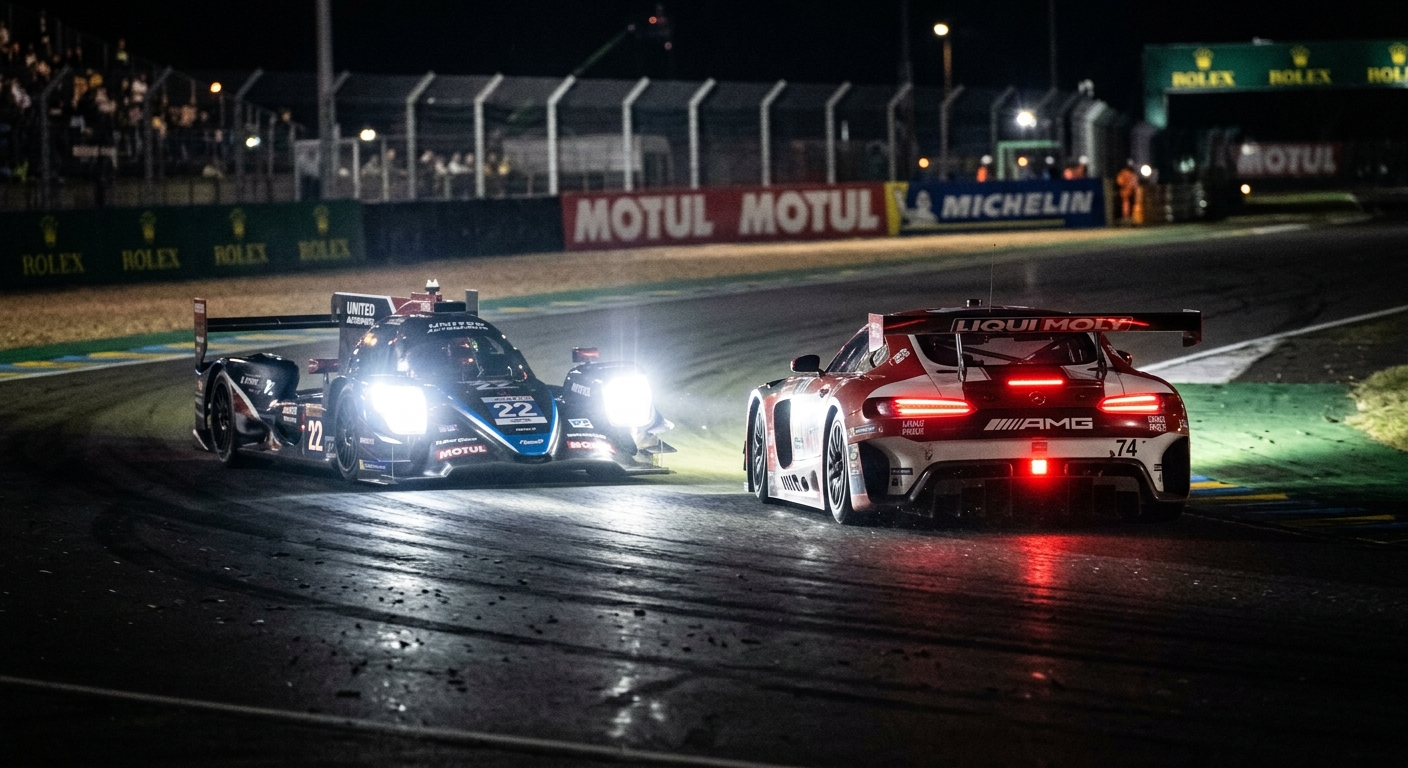
An analysis of shared responsibilities in multi-class racing, focusing on predictability, overtaking safety, and incident prevention to protect your safety rating.
The Golden Rule: Responsibility of the Faster Car
The fundamental rule of multi-class racing is that the responsibility for a safe pass lies primarily with the faster car. Because the faster driver has a superior vantage point and the performance capability to dictate the timing of the move, they must ensure the overtake happens without forcing the slower car into a compromise. Rushing a pass into a braking zone or attempting to squeeze through a gap that has not yet materialized is the leading cause of multi-class retirements. Patience is often rewarded with a cleaner, faster exit for both vehicles.
Predictability Over Yielding: Why Slower Cars Shouldn't Move Over
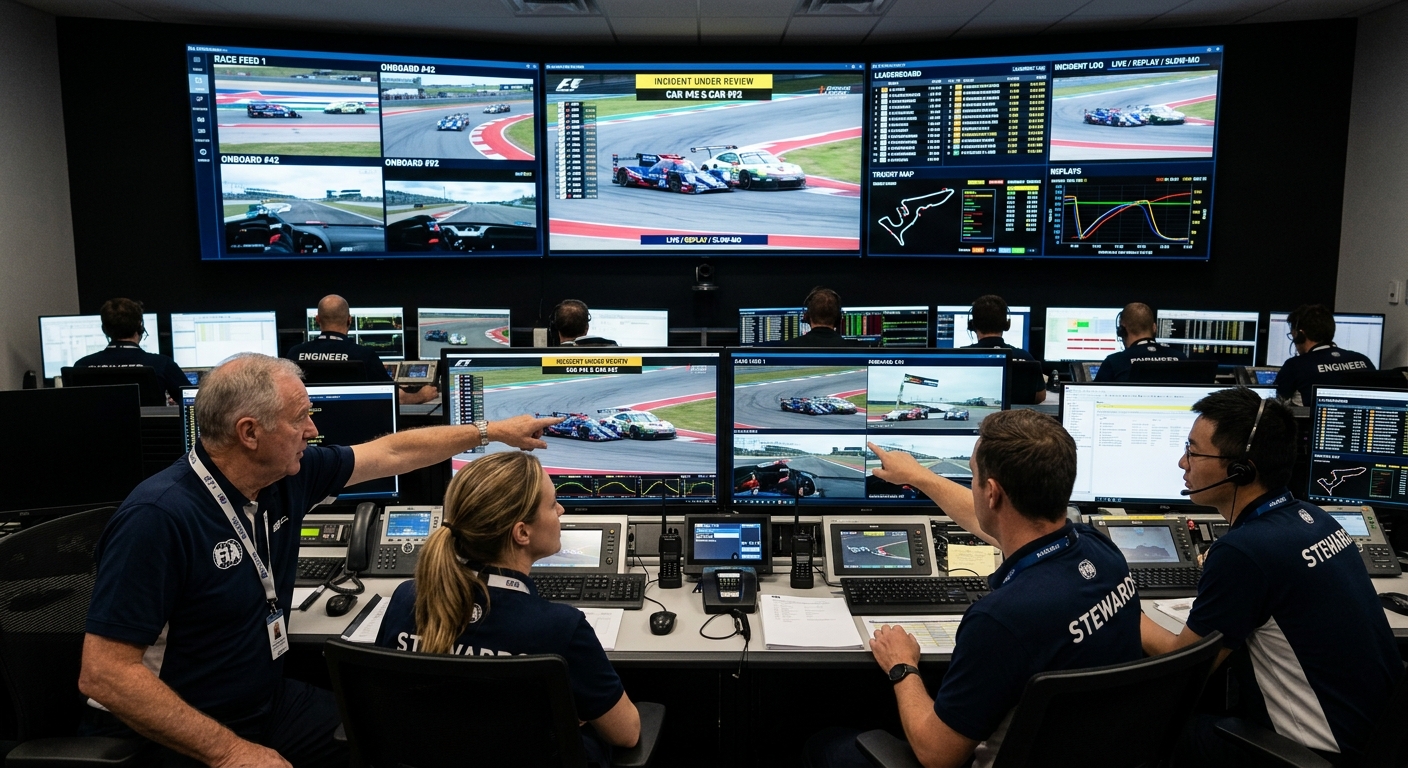
The most dangerous thing a slower car can do is attempt to get out of the way by moving off the racing line unexpectedly. Faster drivers plan their overtakes based on where they expect the slower car to be. When a slower car suddenly swerves to be helpful, they become a moving target, often placing themselves exactly where the faster car intended to go. Slower cars should remain on the standard racing line, maintaining a consistent and predictable path that allows the faster driver to navigate around them safely.
Common Multi-Class Incidents and How to Avoid Them
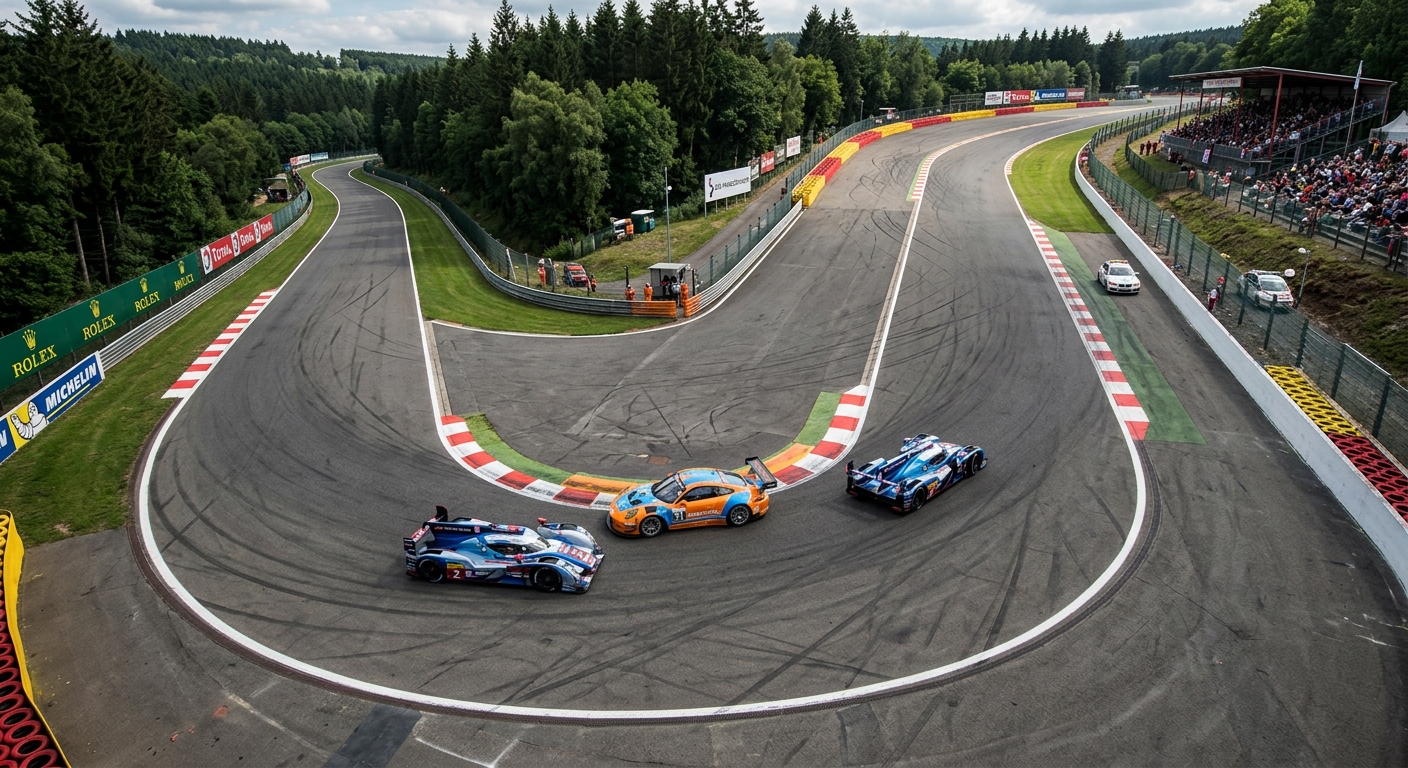
Most traffic incidents occur at the corner apex or during the transition into a braking zone. The vortex of danger—the area where a car disappears from your peripheral vision—is where contact most often happens. Faster drivers should show their intent by pulling out early on the straight, rather than diving late into a corner. Slower drivers can help by holding their line and avoiding defensive moves against a car in a different class. Communication through car positioning is the most effective way to signal intent and avoid a visit to the stewards.
Elevate Your League's Competitive Integrity
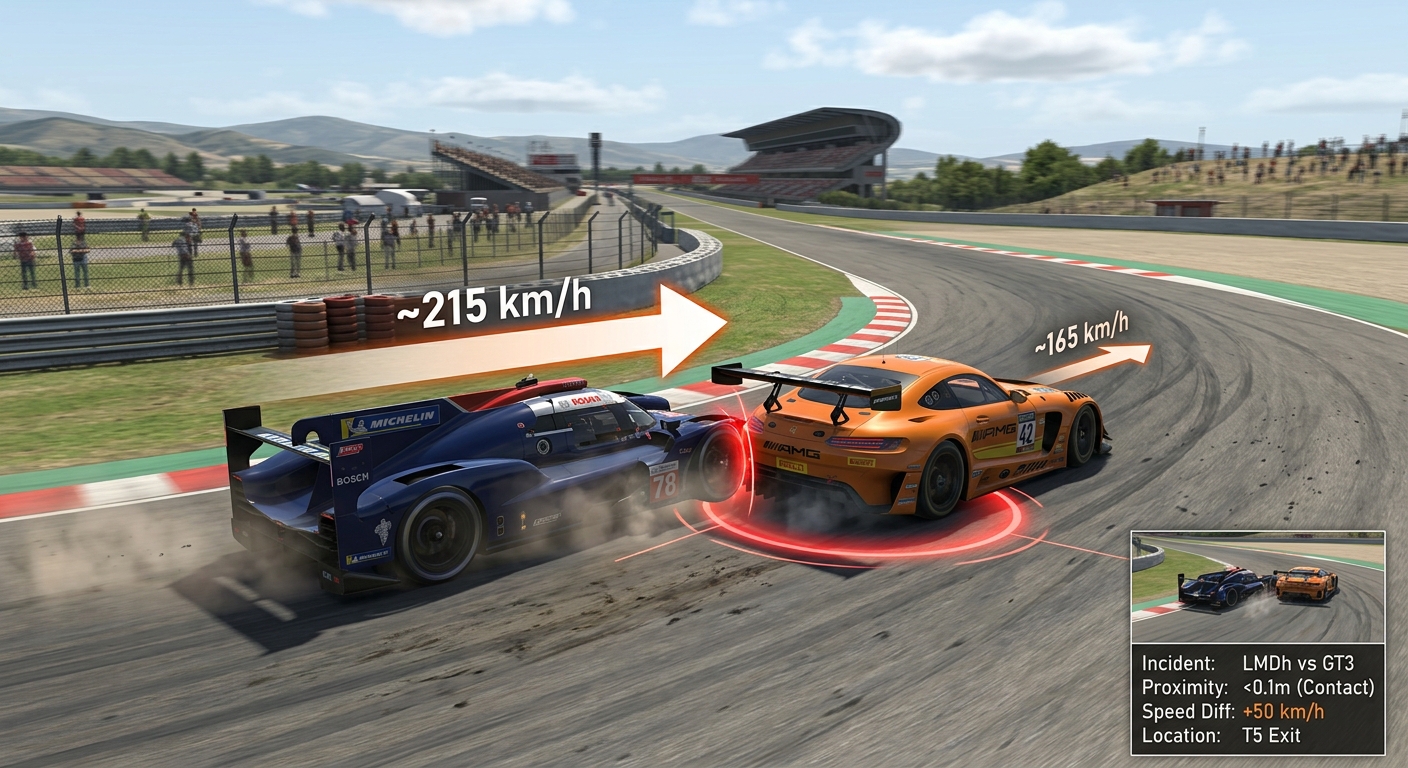
Managing multi-class incidents requires more than just a rulebook; it requires precision. FairGrid provides league organizers with the AI-assisted tools needed to review protests quickly and accurately, ensuring that traffic disputes are resolved fairly. Protect your community's safety rating and maintain high-quality racing with FairGrid's comprehensive stewarding platform.