FAQ
What is a redress in sim racing?
A redress is the voluntary act of returning a position to another driver after gaining it through an unfair maneuver, such as contact or cutting the track.
When should I give a position back?
You should redress immediately if you made contact that disadvantaged another driver or if you gained the spot by exceeding track limits.
How long do I have to redress?
Typically, you should aim to give the position back within the same sector or the next few corners to remain valid.
What if the other driver crashes during the incident?
If the other driver crashes, a redress is usually impossible. You should expect a time penalty from the stewards post-race.
Does a redress cancel out a penalty?
In many leagues and LFM, a successful and safe redress will result in no further action, as the advantage was neutralized.
The Art of the Redress: When and How to Give Back a Position in ACC
sim-racing-racing-room-redress-guide
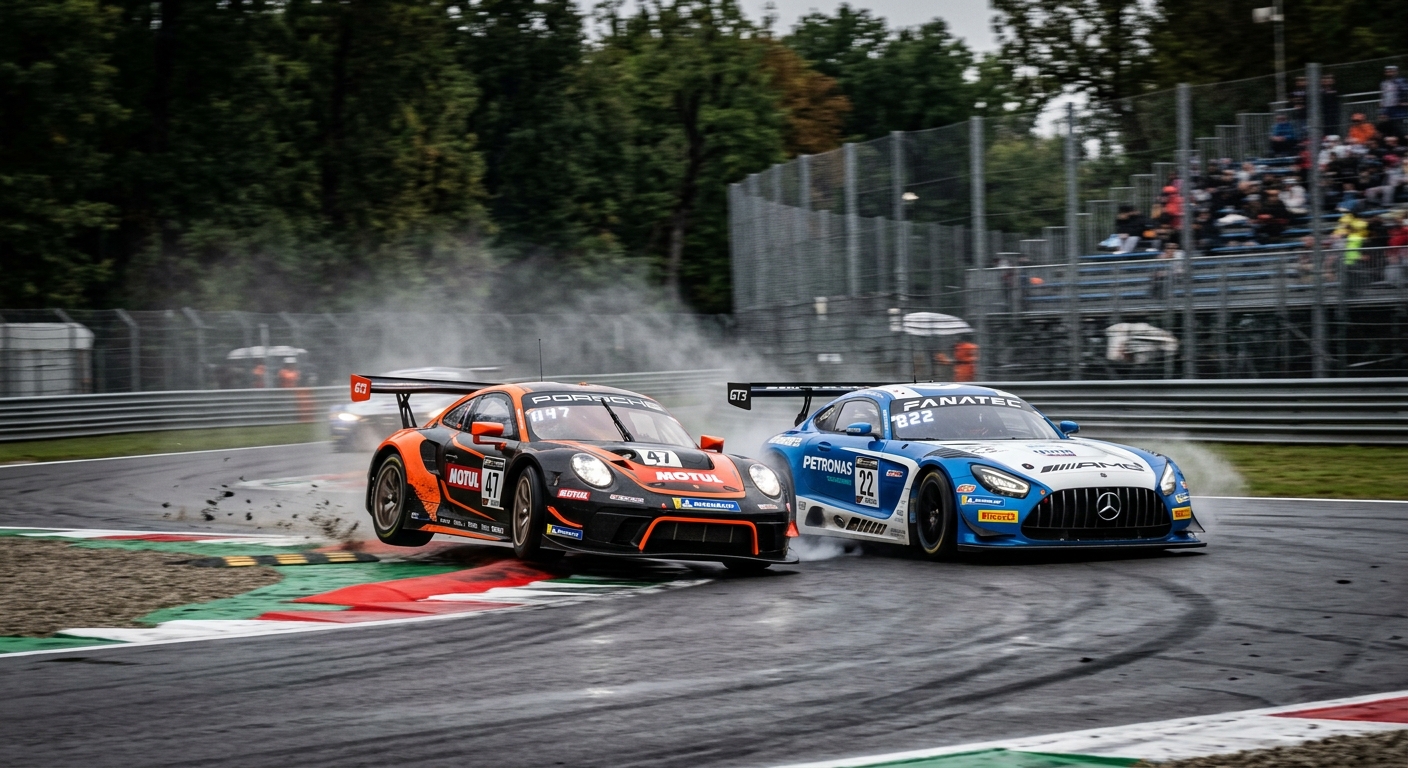
Master the ethics of racing room and the redress in ACC. Learn when to give a position back safely to maintain integrity and avoid penalties in competitive leagues.
Defining Racing Room and Unsporting Moves
Racing room is the amount of space a driver must leave for an opponent during a side-by-side battle. In ACC, the general rule is that if a significant portion of the chasing car is alongside, the defender must leave at least one car width of space to the edge of the track. Failing to do so often results in a squeeze or contact. An overtake becomes unsporting when the passing driver gains a position by forcing the other car off the track or by using contact to destabilize them. If you have pushed a rival wide or cut a chicane to make the pass, you have gained an unfair advantage that requires immediate attention.
The Redress: Timing and Technique
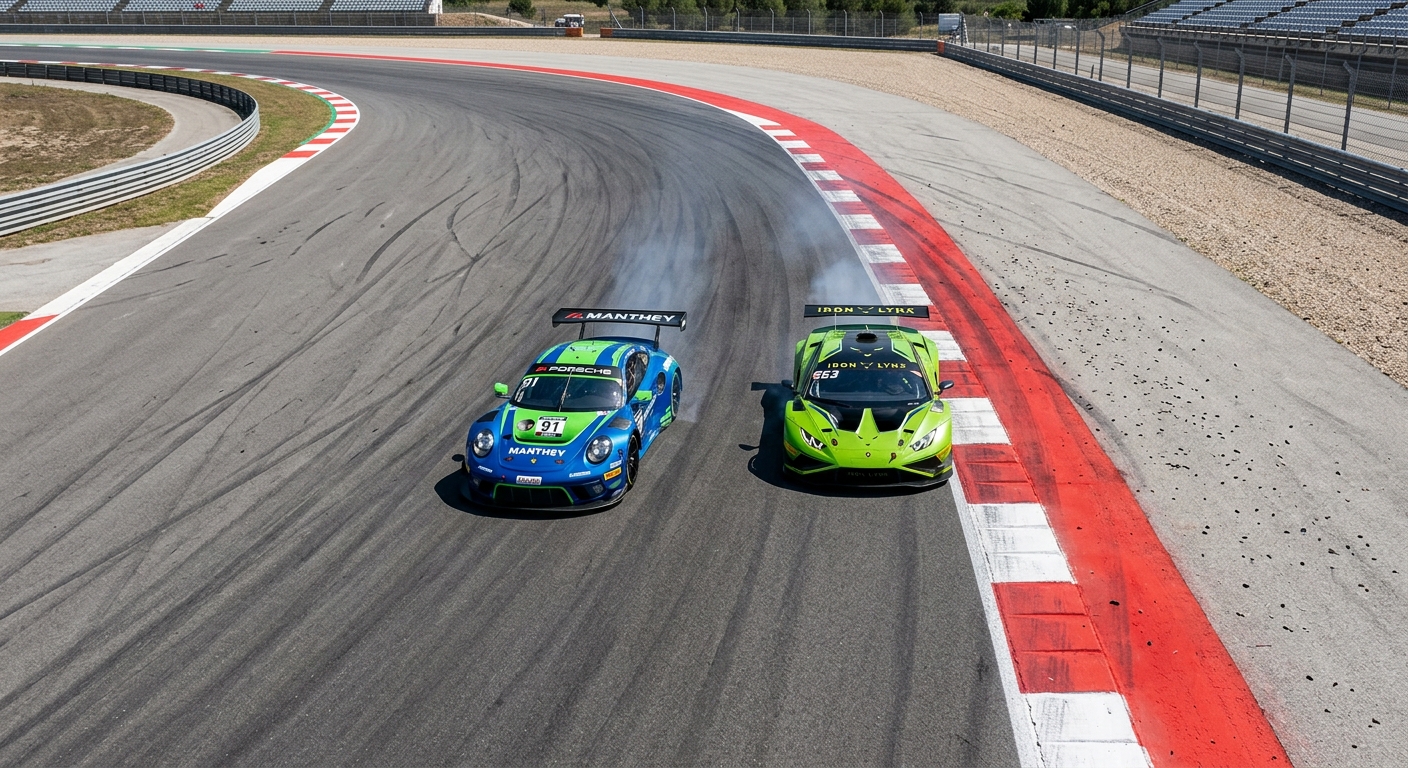
Timing is everything when giving a position back. Most league stewards follow a 10-second rule or a within the same sector guideline. If you wait too long, the redress may no longer be considered valid because you have already benefited from the clean air and pace of the forward position. The most dangerous part of a redress is the execution. To yield safely, move off the racing line, lift off the throttle on a straight, or take a wider entry into the next corner. Ensure the trailing driver understands your intent so they can pass without fear of a second collision.
The Steward's Perspective and Race Integrity
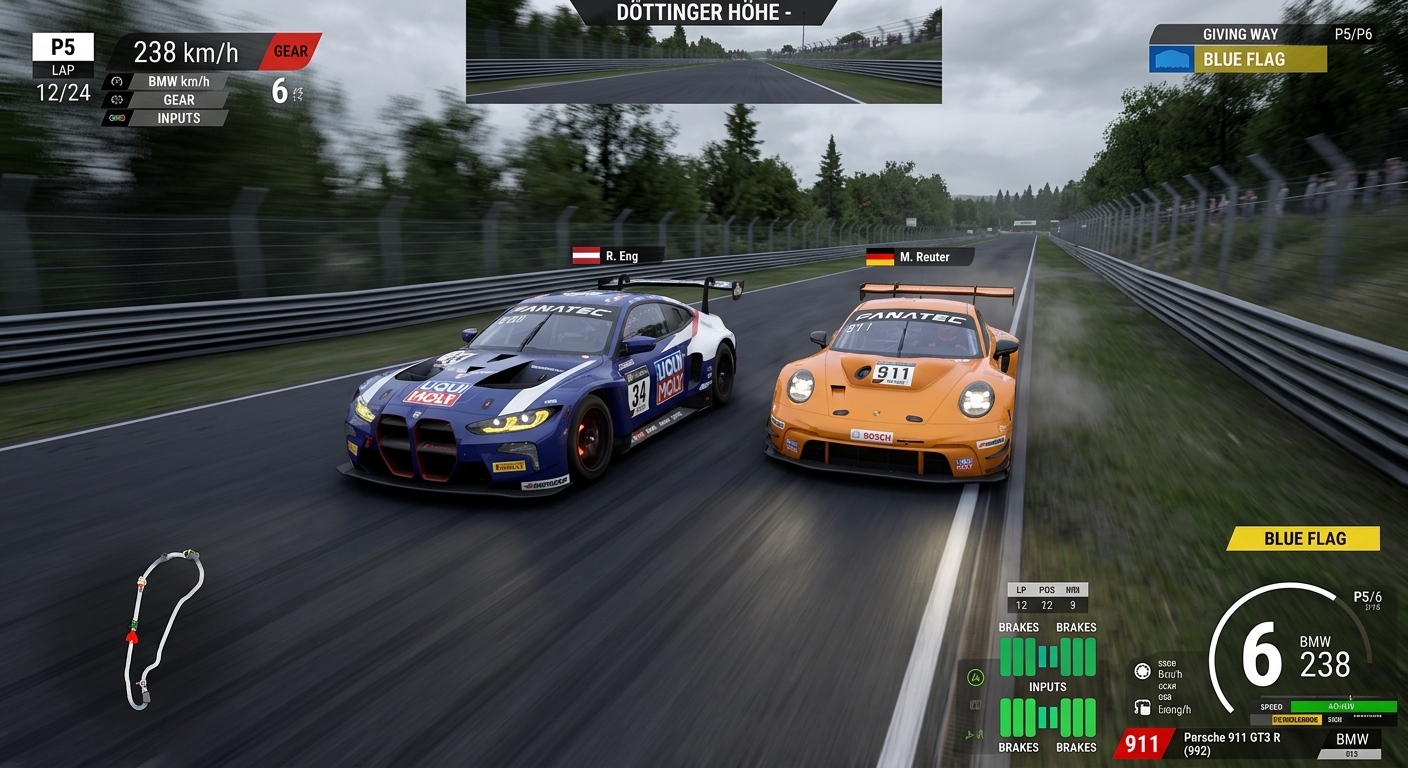
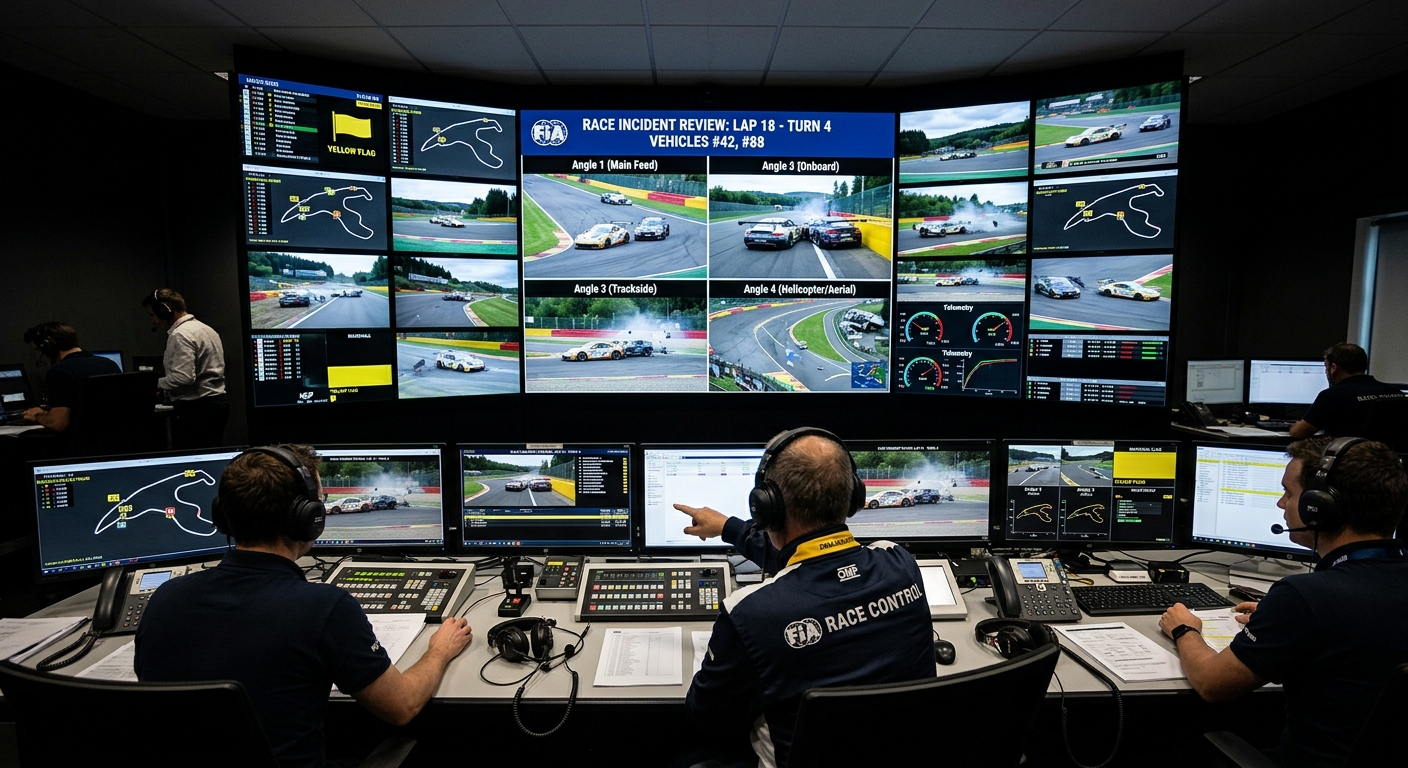
From a steward's perspective, intent matters, but the result is what is judged. Simply trying to give a position back isn't enough if you don't actually let the other driver past. However, stewards are often more lenient if they see a clear attempt to redress, as it demonstrates sportsmanship and a respect for competitive integrity. Managing these moments in high-pressure chicanes requires a cool head. Platforms like FairGrid help leagues track these incidents transparently, ensuring that drivers who play fair are recognized while those who abuse track limits are held accountable.
Elevate Your League's Integrity
Tired of messy incidents and unclear rules? Use FairGrid to bring professional-grade stewarding and transparent incident reporting to your sim racing community today.