FAQ
Is an unsafe rejoin always a protestable offense?
Yes, under the iRacing Sporting Code, any rejoin that causes a collision or forces other drivers to take dangerous evasive action is a protestable offense.
What is the best way to check for traffic before rejoining?
The most reliable method is checking your Relative black box. It shows exactly how many seconds away the nearest cars are, even if they are around a corner.
Does an unsafe rejoin affect my Safety Rating?
Indirectly, yes. If the rejoin leads to contact, you will receive incident points (4x), which directly lowers your Safety Rating for that session.
What should I do if I am stuck in the middle of the track?
Hold your brakes firmly. A stationary car is easier for others to avoid than one that is rolling unpredictably while trying to move.
How can league admins better manage repeat offenders?
Leagues can use platforms like FairGrid to track incident history, automate penalty applications, and identify drivers who consistently fail to rejoin safely.
The Art of the Rejoin: Protecting Your Safety Rating and Competitive Integrity
unsafe-rejoin-sim-racing-integrity
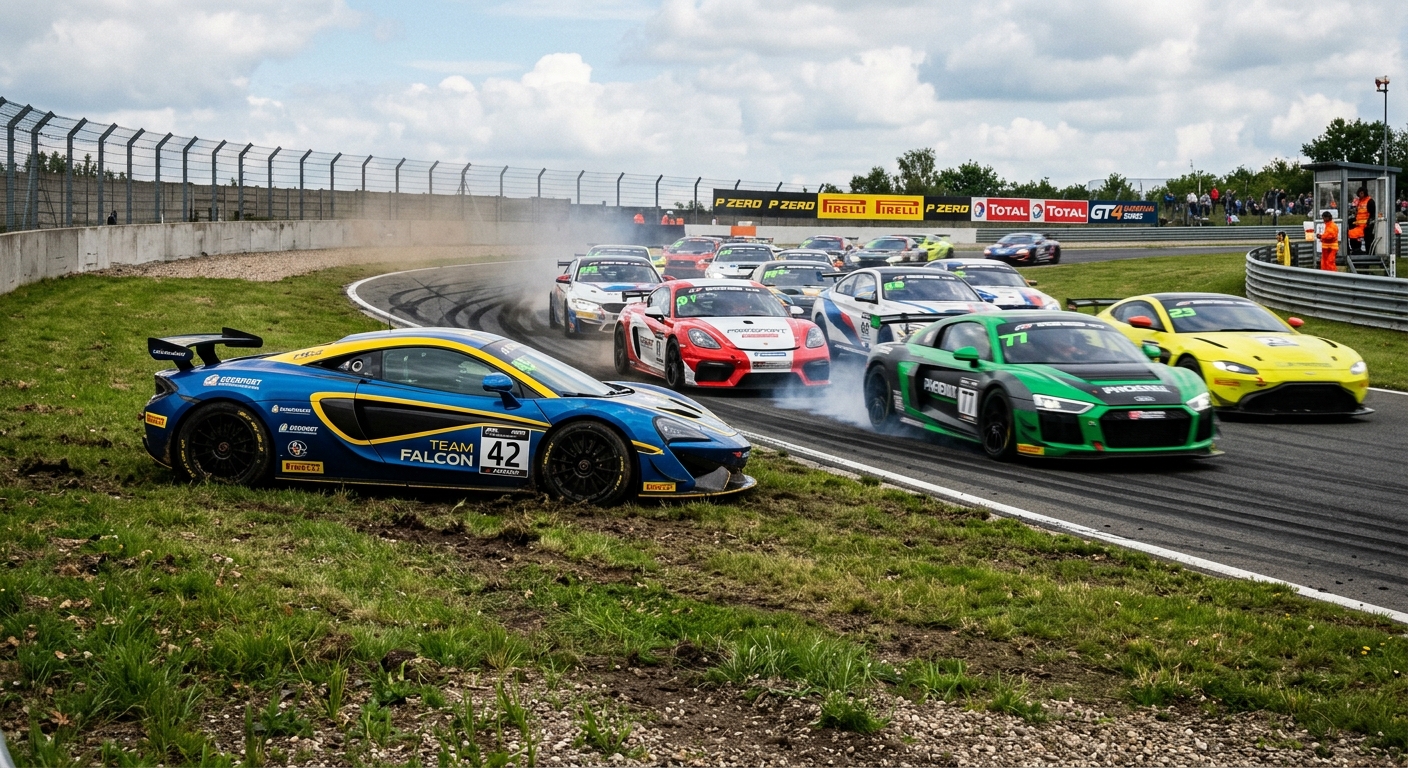
Master the safe rejoin in sim racing. Learn how the iRacing Sporting Code governs recovery and why managing the mental load of a crash is vital for your safety rating.
What Defines an Unsafe Rejoin in the Eyes of a Steward?
In the eyes of a steward, an unsafe rejoin is defined by predictability and timing. According to the iRacing Sporting Code, the responsibility for a safe entry lies entirely with the driver returning to the racing surface. A rejoin is deemed unsafe if it forces approaching traffic to change their line, brake abruptly, or if the car enters the track at an angle that obscures its trajectory. Stewards differentiate between unavoidable momentum, where a car slides back onto the track, and negligence, where a driver actively applies throttle without checking their relative black box. Negligence is almost always penalized severely in formal protests.
The Ripple Effect: Impact on Safety Rating and Integrity
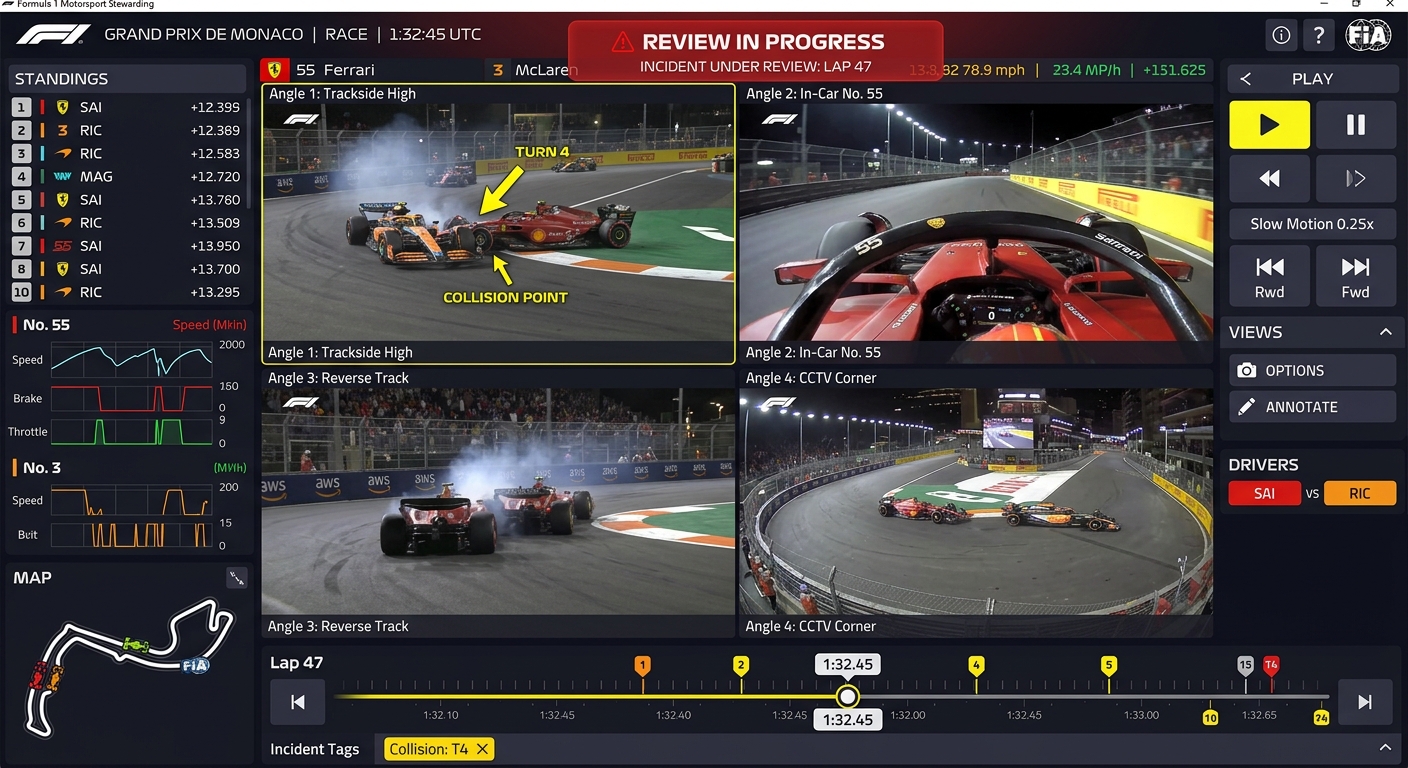
One bad decision can destroy a 40-minute race for dozens of drivers. For the victim of an unsafe rejoin, the collision often leads to terminal damage, a massive loss of iRating, and a hit to their Safety Rating that takes weeks to recover. This creates a ripple effect of frustration and resentment within the community. Competitive integrity is built on a social contract: every driver must prioritize the safety of the field over their own recovery time. When this contract is broken by 'NPC' rejoin behavior, it degrades the quality of competition for everyone involved.
The Mental Load: How to Rejoin Safely Under Pressure
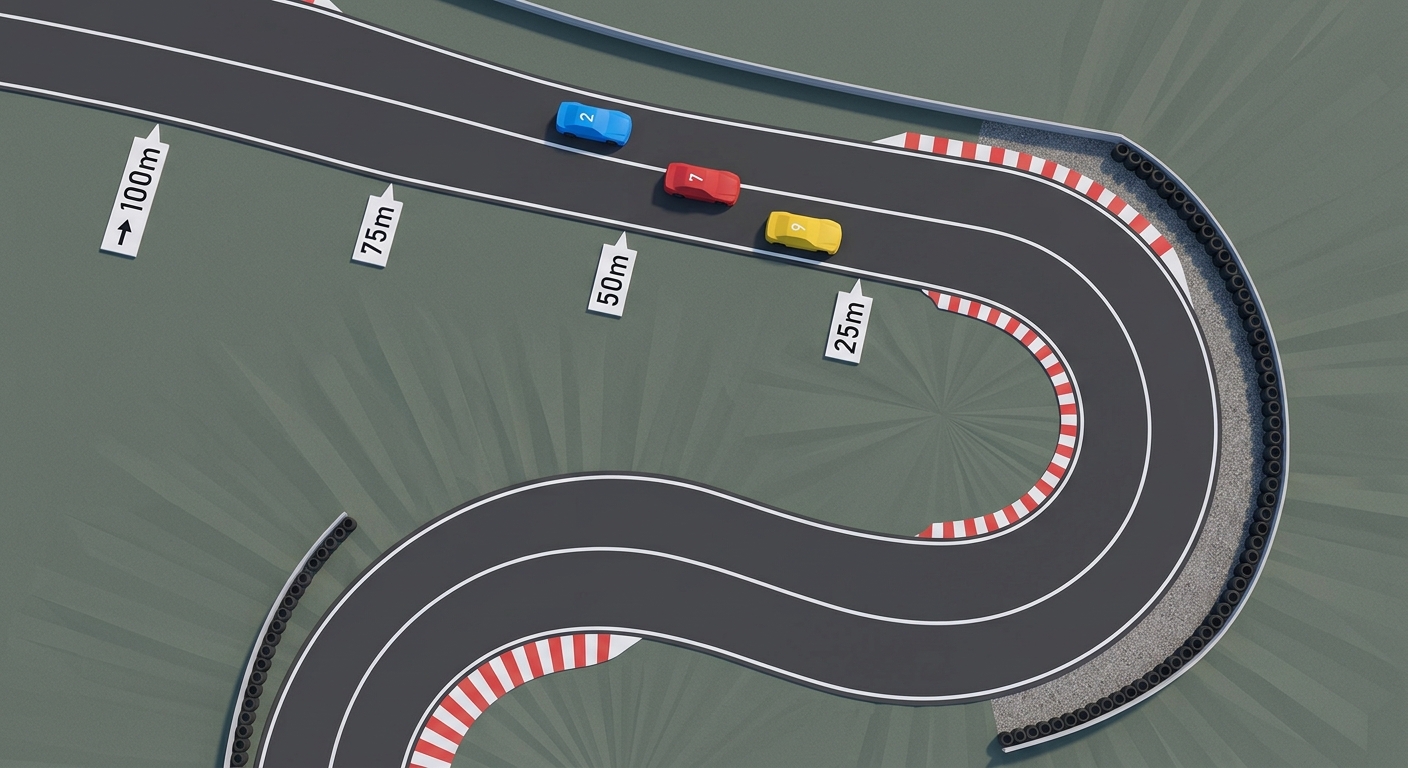
The primary cause of bad rejoins is the mental load of crashing. When you spin, adrenaline spikes and your instinct is to rejoin immediately to minimize time lost. To rejoin safely, you must break this instinct with a set protocol. First, hold your brakes to stay stationary until you have assessed the situation. Second, check your 'Relative' black box to identify gaps in traffic. Third, only move once there is a clear window or your spotter confirms the track is clear. Slowing down your mental process protects your Safety Rating and ensures you aren't the cause of a massive pileup.

Eliminate 'NPC' Rejoins in Your League
Tired of one driver's bad rejoin ruining your league's main event? FairGrid provides the ultimate toolset for league organizers to manage incidents, automate the stewarding process, and keep your grid competitive and clean. Start using FairGrid today to protect your league's integrity.