FAQ
Do I have to move over for a blue flag in iRacing?
According to the standard Sporting Code, the blue flag is informational. You are not required to move off the racing line, but you are expected to facilitate a safe pass and avoid blocking.
What is the most common mistake made by lapped cars?
The most common mistake is being unpredictable, such as braking early or changing lines mid-corner to try and help, which often confuses the faster driver.
Can a steward penalize a backmarker for not letting a leader through?
Yes, if the steward determines the backmarker was intentionally blocking or driving in an unsportsmanlike manner that impeded the lead lap cars.
How should a faster car approach a group of slower cars?
Faster cars should be patient and wait for a clear opening. Flashing lights can signal intent, but the responsibility for a safe overtake rests with the faster car.
Does FairGrid help with traffic-related incidents?
FairGrid provides the tools for leagues to set clear conduct rules and provides a streamlined interface for reviewing protests related to blue flag incidents.
The Blue Flag Dilemma: Mastering Lapped Traffic Etiquette in Sim Racing
blue-flag-etiquette-sim-racing-endurance
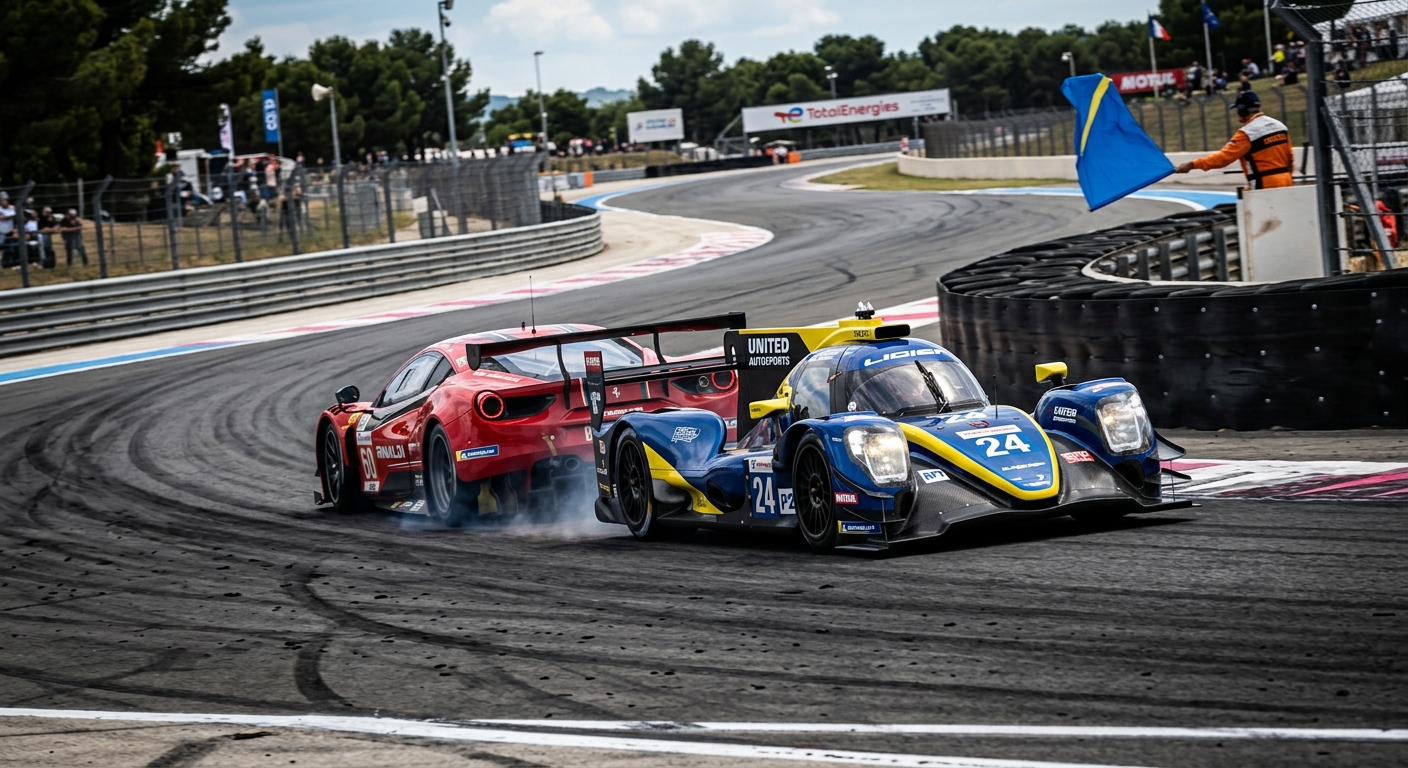
Mastering blue flag etiquette is crucial for endurance racing success. Learn how to manage lapped traffic safely and maintain competitive integrity in multi-class events.
Understanding the Blue Flag: Information vs. Mandate
In the iRacing Sporting Code, a blue flag is primarily informational. It warns a driver that a faster car is approaching and intends to pass. Unlike Formula 1, where a driver must move over within three corners, sim racing often places the burden of a safe pass on the faster car. However, many leagues implement their own specific rules that may require slower cars to facilitate the pass. The key takeaway for any backmarker is predictability. Changing your racing line suddenly to let someone by often causes more accidents than simply holding your line and allowing the faster car to dictate the move.
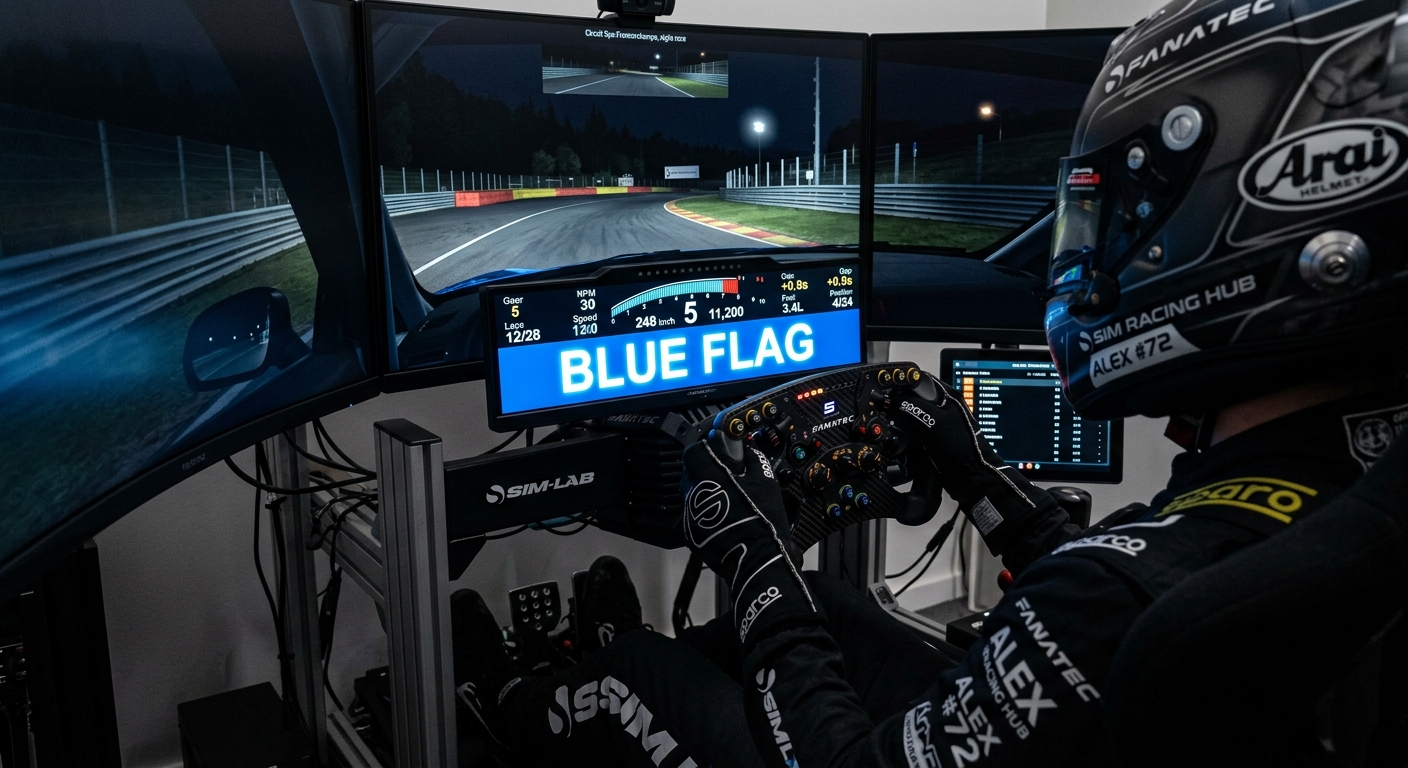
The Lapped Car’s Right to Race: When Does it Become Unsportsmanlike?
Every driver has a right to their space on the track, even if they are laps down. However, there is a fine line between maintaining your pace and actively defending against a leader. If a lapped car is significantly slower, fighting a podium contender is often viewed as unsportsmanlike. Stewards look for signs of blocking, which is defined as reacting to the movement of the following car to impede them. While you aren't required to pull off the racing surface, making your car as wide as possible when you aren't on the same lap is a quick way to end up in the steward's office. Competitive integrity relies on drivers recognizing when their fight is no longer with the car behind.
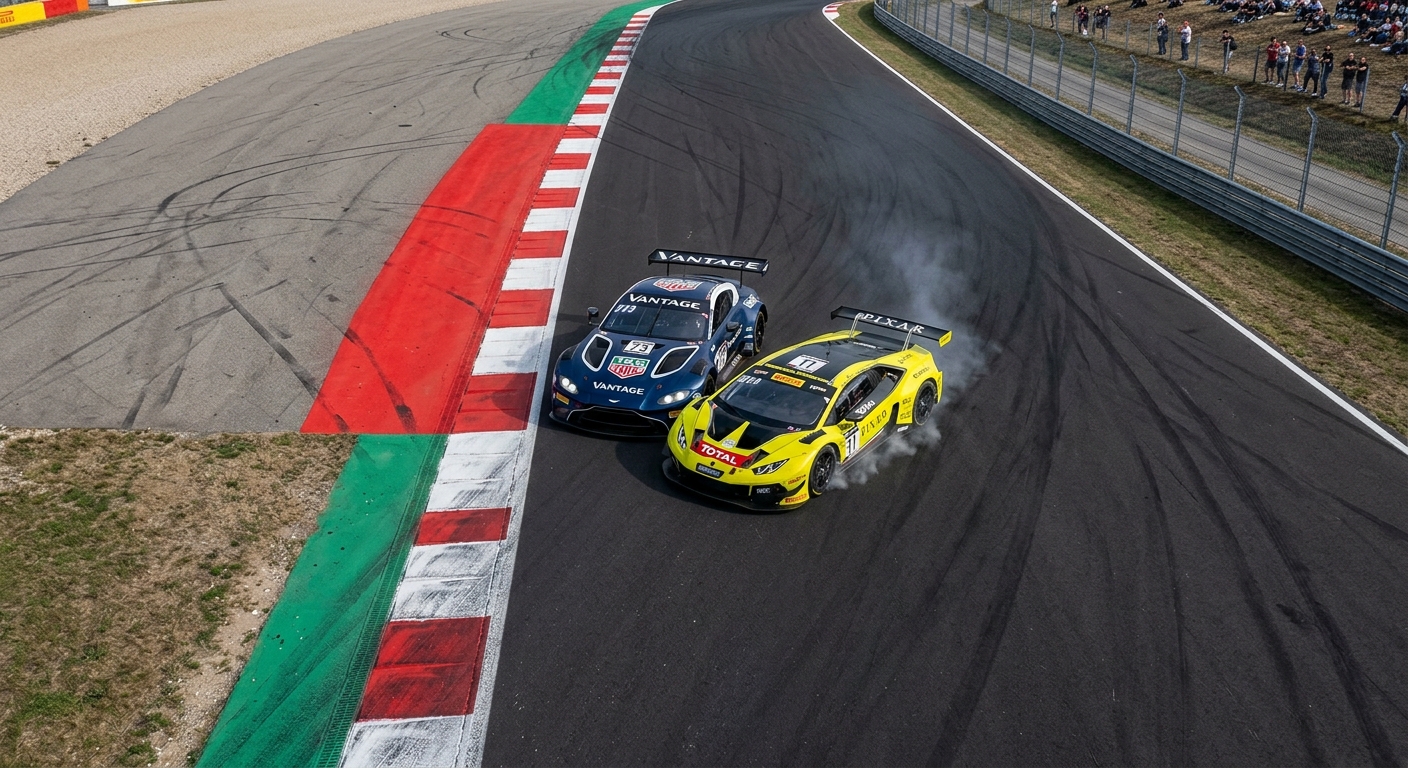
Endurance Racing 101: Managing Traffic Without Ending Your Race
Successful endurance racing relies on cooperation. For the faster class, the mantra should be to not force the issue where a gap does not exist. Patience through technical sections usually results in a safer pass on the following straight. For the slower class, being predictably slow is the greatest gift you can give a leader. Lift slightly on the straight to help the faster car clear you before the next braking zone. This minimizes the time lost for both parties and reduces the risk of a race-ending collision. Managing traffic is a skill that separates elite endurance teams from the rest of the field.

Elevate Your League’s Racing Standards
Managing multi-class traffic requires more than just a rulebook; it requires accountability. FairGrid’s platform helps league organizers implement clear stewarding guidelines and manage protests efficiently. Ensure your drivers respect the code of conduct and keep the racing clean. Join FairGrid today and build a more professional racing environment.