FAQ
Why can't I rely on automated safety ratings for my league?
<p>Automated systems like iRacing's Safety Rating track contact but cannot determine intent or fault. In a league, you need to identify who caused the wreck to maintain fair standings.</p>
How do you determine liability in a 10-car pileup?
<p>Stewards look for the first car that deviated from the racing line or lost control. Liability is usually assigned to the driver whose initial error triggered the chain reaction.</p>
What is the ideal protest window for a league?
<p>Most successful leagues use a 24 to 48-hour window. This allows drivers to cool off and review their own replays before submitting a formal complaint.</p>
How does transparent stewarding prevent driver attrition?
<p>When drivers feel that incidents are handled fairly and consistently, they are less likely to leave the league out of frustration or perceived bias from race control.</p>
Can FairGrid help automate the stewarding process?
<p>FairGrid provides the infrastructure to manage protests, track penalty points, and communicate decisions, significantly reducing the administrative burden on league organizers.</p>
The Chaos Management Guide: How to Steward Mass Incidents in Sim Racing Leagues
chaos-management-guide-steward-mass-incidents-sim-racing
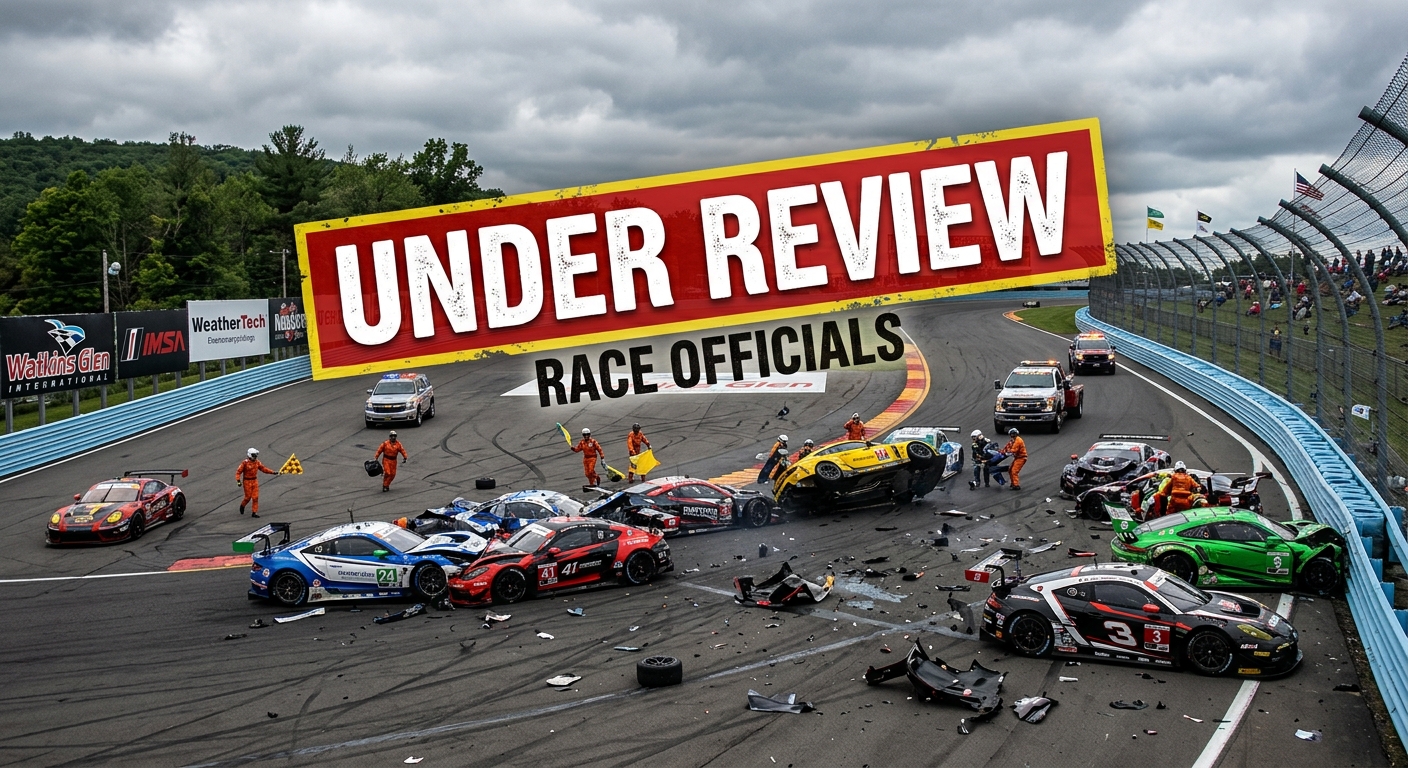
Learn how to manage high-profile multi-car wrecks in sim racing leagues using professional stewarding workflows that maintain driver morale and ensure long-term competitive integrity.
Analyzing the Anatomy of a Multi-Car League Wreck
Analyzing a multi-car wreck involves more than just identifying the first car to spin. Stewards must evaluate entry speeds, racing lines, and the atmospheric conditions of the race. In high-speed environments like Watkins Glen, one small error can collect half the field in seconds.Automated safety ratings often fail in these moments because they distribute incident points to everyone involved regardless of fault. This leads to driver frustration if victims feel unfairly penalized. League organizers must look past the immediate carnage to find the root cause, distinguishing between the instigator and those who were simply victims of a chain reaction.
Step-by-Step: Best Practices for Post-Race Incident Reviews
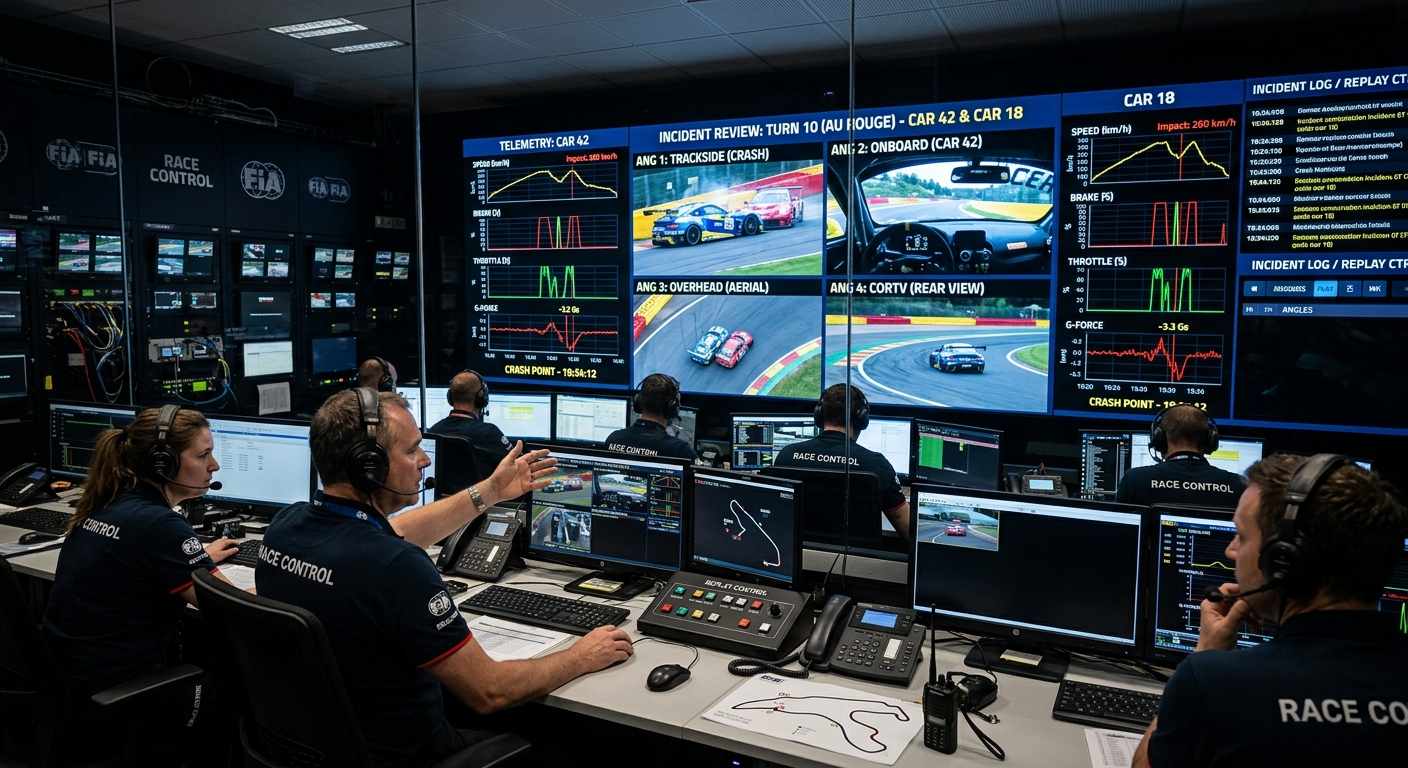
A professional post-race incident review workflow is essential for maintaining league morale. Following a structured process ensures consistency and fairness across the entire season. A standard workflow should include:Data Collection: Gathering replay files and telemetry from multiple perspectives to see the full picture.Protest Window: Allowing drivers to submit formal protests within a set timeframe, usually 24 hours post-race.Deliberation: A panel of stewards reviews the footage to determine primary liability without the heat of the moment clouding judgment.Transparency: Publishing a detailed report explaining the reasoning behind each penalty.By removing the emotion from the review process, organizers can provide objective rulings that drivers respect.
Defining 'Racing Incidents' vs. Penalty-Worthy Negligence
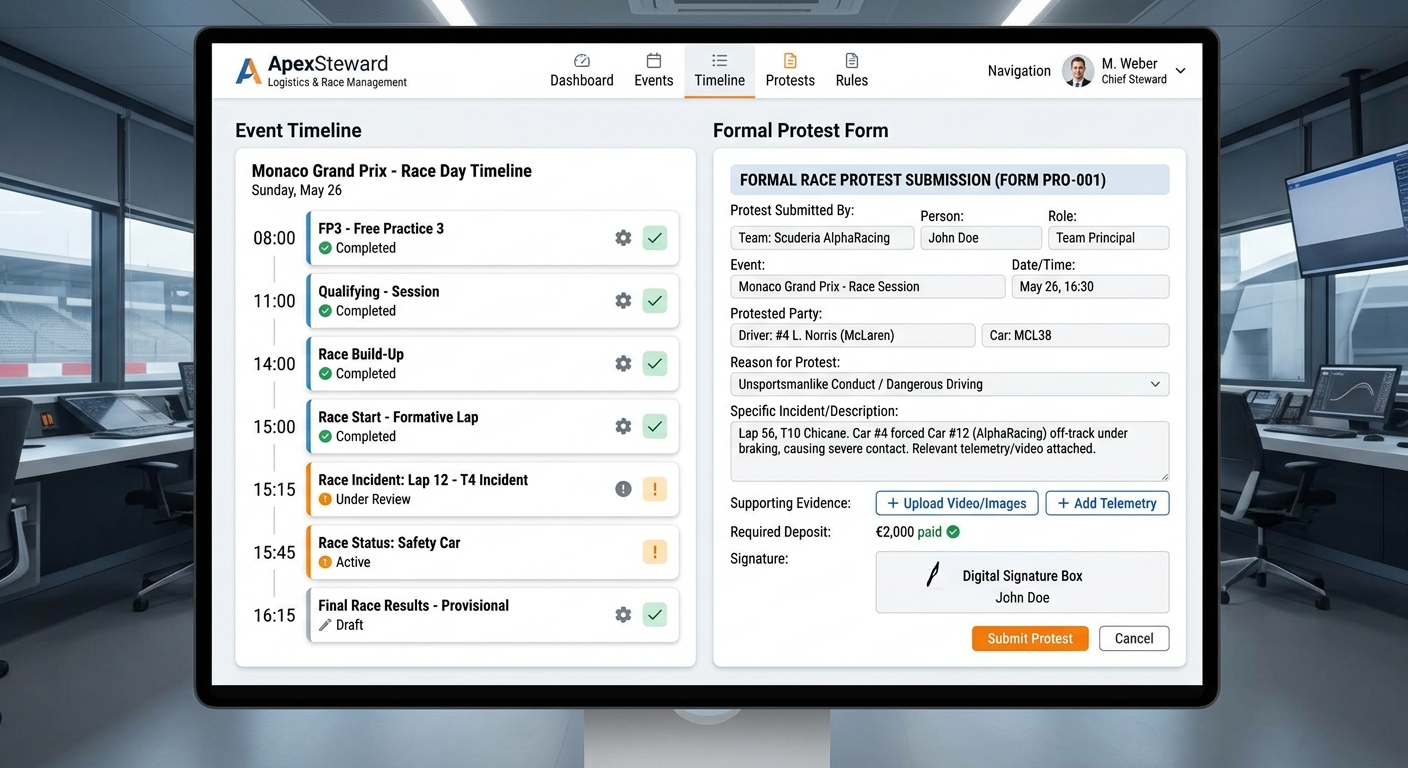
The hardest part of stewarding is defining the line between a racing incident and actionable negligence. A racing incident is often a 50/50 split where both drivers could have done more, but neither committed an egregious error. In contrast, negligence involves clear violations of the sporting code, such as unsafe re-entries or avoidable contact.Building trust with your driver base requires total transparency. Tools like FairGrid help centralize these reviews, ensuring that the same rules apply to everyone on the grid. When drivers see that penalties are consistent and fair, they are more likely to stay committed to the league, even after a disappointing result.
Streamline Your League's Race Control
Stop managing protests in messy spreadsheets. FairGrid offers a comprehensive platform for stewarding, results tracking, and competitive integrity. Experience the future of league management today.