FAQ
Is it legal to go off-track to avoid a wreck in iRacing?
Yes, going off-track to avoid a collision is considered a safe racing maneuver. While you may receive an automated 'off-track' 1x, human or AI stewards will generally not penalize this as a shortcut if the intent was clearly avoidance.
Will I get penalized for gaining a position while avoiding an incident?
If you gain a position because the car ahead crashed, it is a legal pass. However, if you gain a position by cutting a corner to bypass a car that stayed on track, you should consider giving the position back to avoid a 'gaining an advantage' penalty.
What is the safest way to re-enter the track after an evasive maneuver?
Hold your brakes until you can check your relative overlay or mirrors. Re-enter at a shallow angle and stay off the racing line until you have reached competitive speeds to avoid impeding faster traffic.
How does FairGrid handle incident avoidance in its reviews?
FairGrid's stewarding tools allow league organizers to look at the context of an incident, recognizing when a driver took evasive action and ensuring they aren't unfairly punished for prioritizing safety over track limits.
Can I protest a driver who causes a wreck even if I didn't make contact?
Yes. Most leagues allow protests for 'dangerous driving' or 'causing a hazardous environment,' even if you successfully avoided contact but suffered time loss as a result of their negligence.
The Cost of Safety: How to Avoid Wrecks and Recover Positions Without Penalties
iracing-incident-avoidance-recovery-strategy
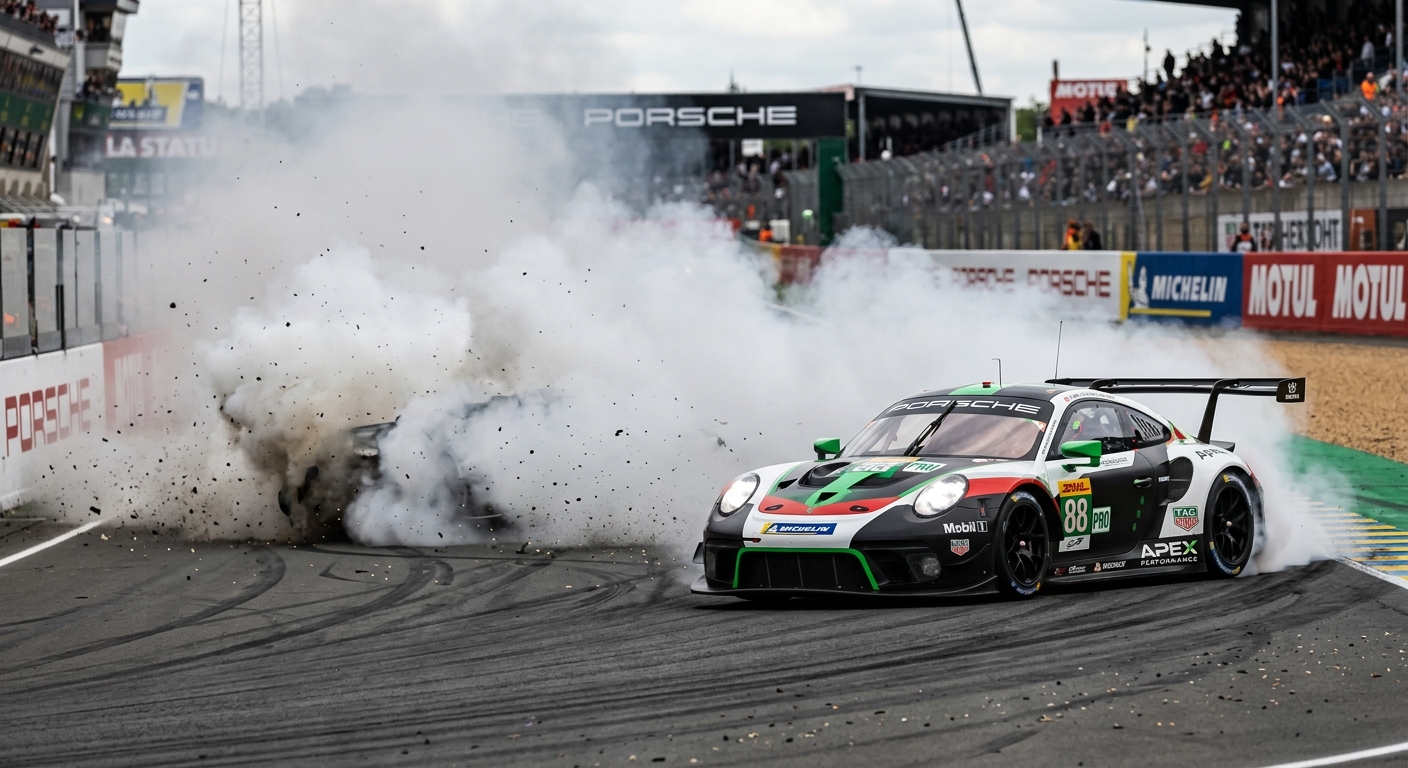
Balancing safety rating and track position is a skill. Learn how to navigate wrecks safely and recover positions in iRacing without triggering stewarding penalties.
The Incident Avoidance Dilemma and Legal Gaining of Advantage
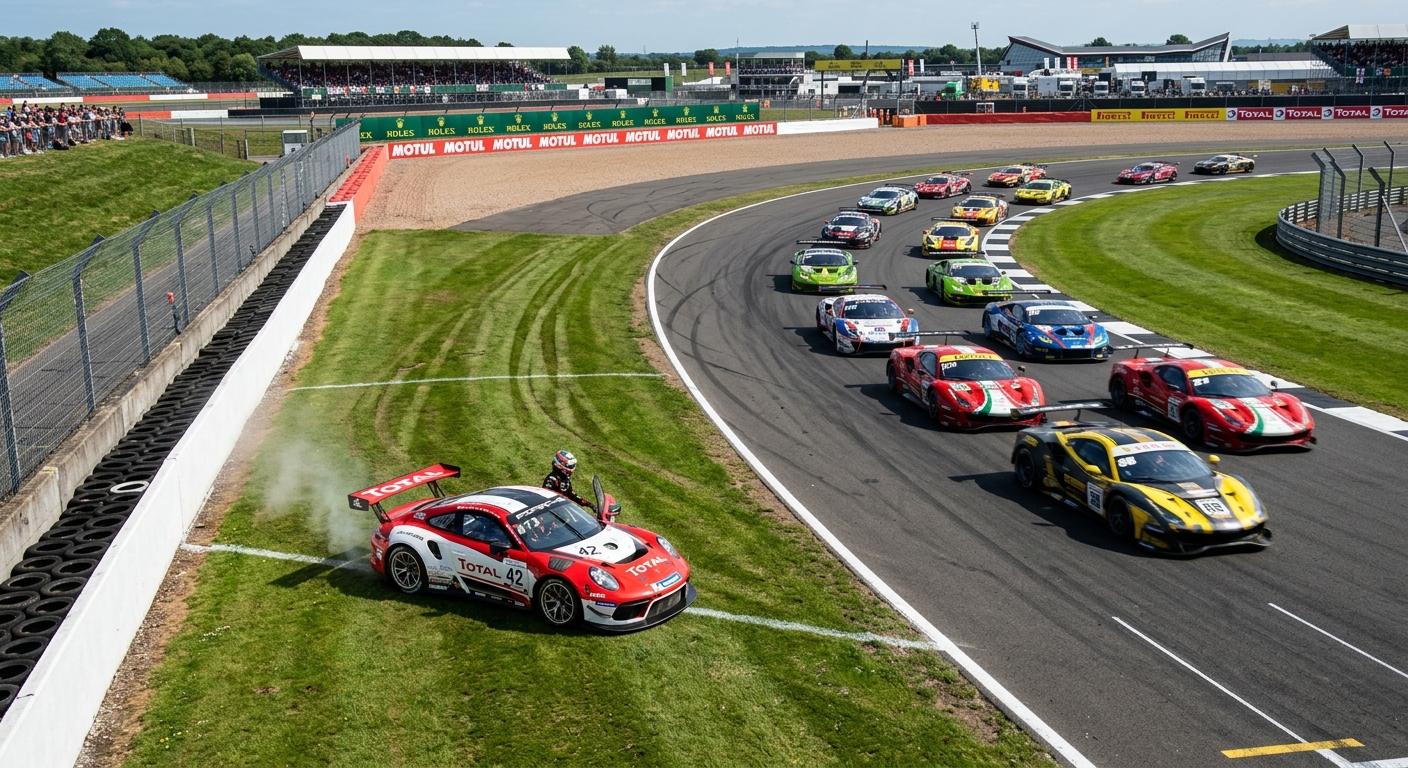
The primary struggle for competitive racers is the immediate loss of track position when choosing the safe route around an incident. From a stewarding perspective, 'avoiding action' is a recognized defense. If you must go off-track or cut a corner to avoid a multi-car collision, most league stewards and automated systems will not penalize you for gaining an advantage, provided you do not use the maneuver to leapfrog cars that were not involved in the wreck. The key is intent: were you escaping a collision or simply finding a faster way around? To maintain integrity, if you realize you have gained a significant gap by going off-track, slightly lifting off once back on the racing surface demonstrates fair play and can prevent a post-race protest.

Managing the Recovery Drive: Avoiding the Trap of Overdriving
Psychology plays a massive role in the recovery drive. After successfully avoiding a wreck, many drivers suffer from an adrenaline spike and a sense of 'justice'—the feeling that they need to immediately get back the positions they lost through no fault of their own. This often leads to overdriving, which results in locked brakes, missed apexes, and secondary infractions. A professional recovery drive requires a mental reset. Instead of focusing on the cars that passed you while you were in the grass, focus on your immediate markers. Competitive integrity is best served when a driver accepts a temporary loss of position to ensure they finish the race, rather than risking a secondary incident that ruins the race for others.

Stewarding 101: Safe Re-entries and Fair Play Reputation
One of the most common penalties issued by stewards involves 'unsafe re-entry' following an evasive maneuver. Even if you left the track to avoid a massive pileup, the responsibility is on you to return to the racing surface without impeding other drivers. Stewards look for a predictable line and a clear gap in traffic. In the heat of the moment, it is tempting to jump back on the tarmac to minimize time loss, but waiting an extra two seconds can be the difference between a successful recovery and a disqualification. Building a reputation for safe re-entries and clean recovery makes you a more respected competitor in any league. When stewards see a driver prioritize the safety of the field over a single track position, they are far more likely to rule in their favor during future incident reviews.
Elevate Your League with Nuanced Stewarding
Reward drivers for their high-level incident avoidance rather than just counting incident points. Use FairGrid to implement fair, consistent stewarding that recognizes the difference between a shortcut and a life-saving maneuver.