FAQ
Should a hardware failure result in a penalty if it causes a crash?
Yes, in most competitive settings, the driver is held responsible for their equipment's performance and any incidents it causes.
How can stewards verify a genuine sensor failure?
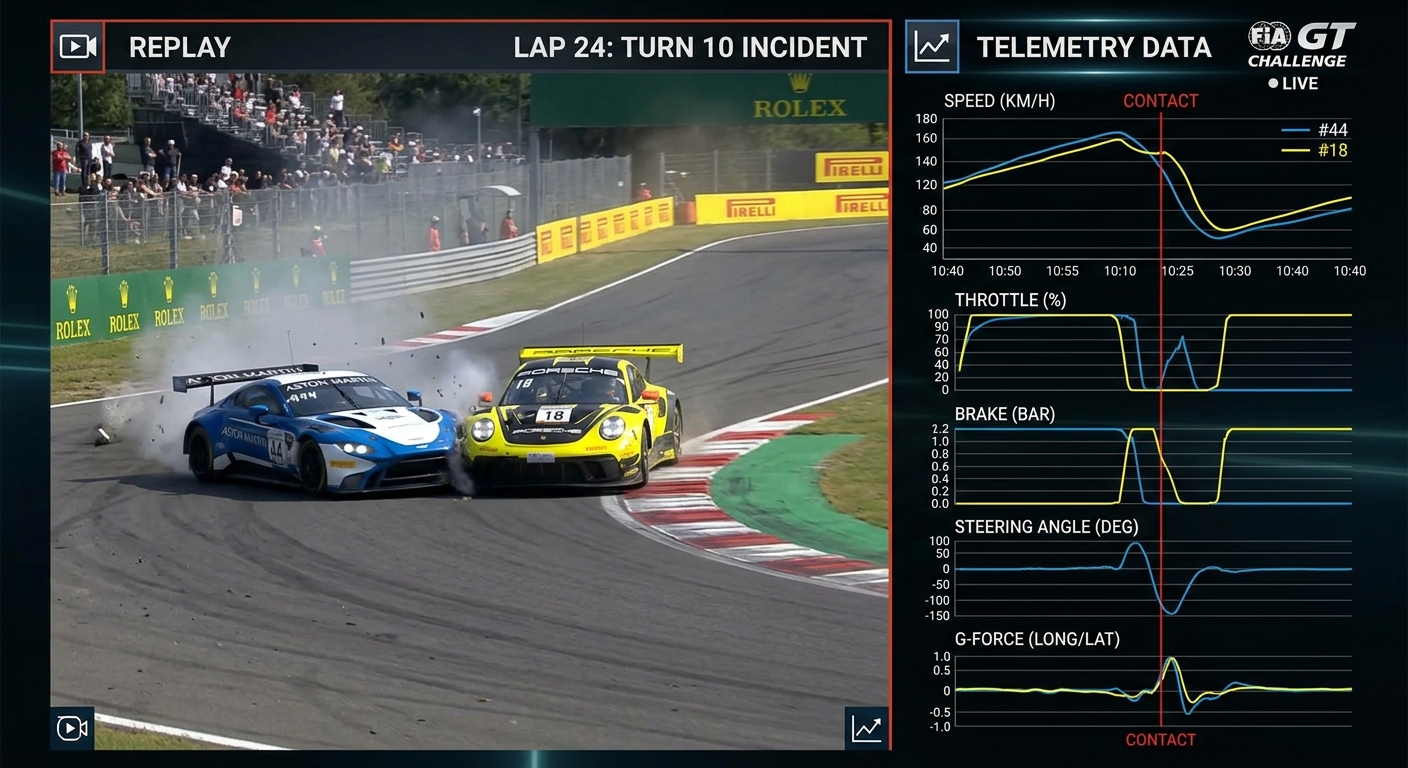
Stewards can review telemetry data for unnatural input spikes or flatlines that do not align with typical human driver behavior.
Are disconnections considered racing incidents?
Disconnections are typically treated as technical DNFs, and any resulting collisions are the responsibility of the disconnected driver.
Can a driver protest a penalty caused by internet lag?
While lag is unfortunate, most leagues rule that maintaining a stable connection is part of the driver's responsibility to race safely.
What is a Force Majeure rule in sim racing?
This rule covers rare, unpredictable events like game server crashes or regional ISP outages that affect multiple drivers simultaneously.
The Gear Glitch Defense: How Stewards Should Rule on Hardware Failures
gear-glitch-defense-hardware-failure-stewarding
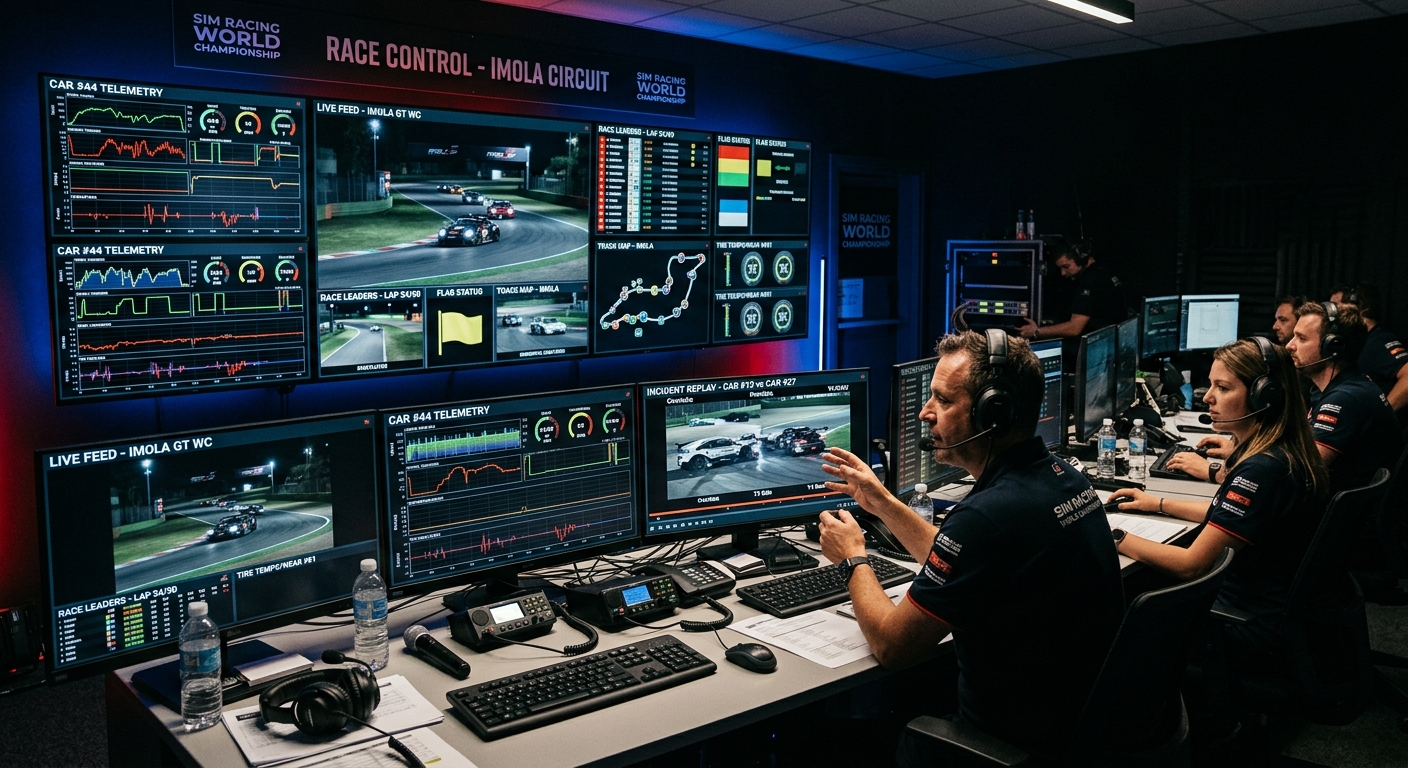
Learn how sim racing stewards should handle hardware failures like sensor glitches or disconnections to maintain competitive integrity and fair league operations.
The Responsibility of the Driver and Equipment Maintenance
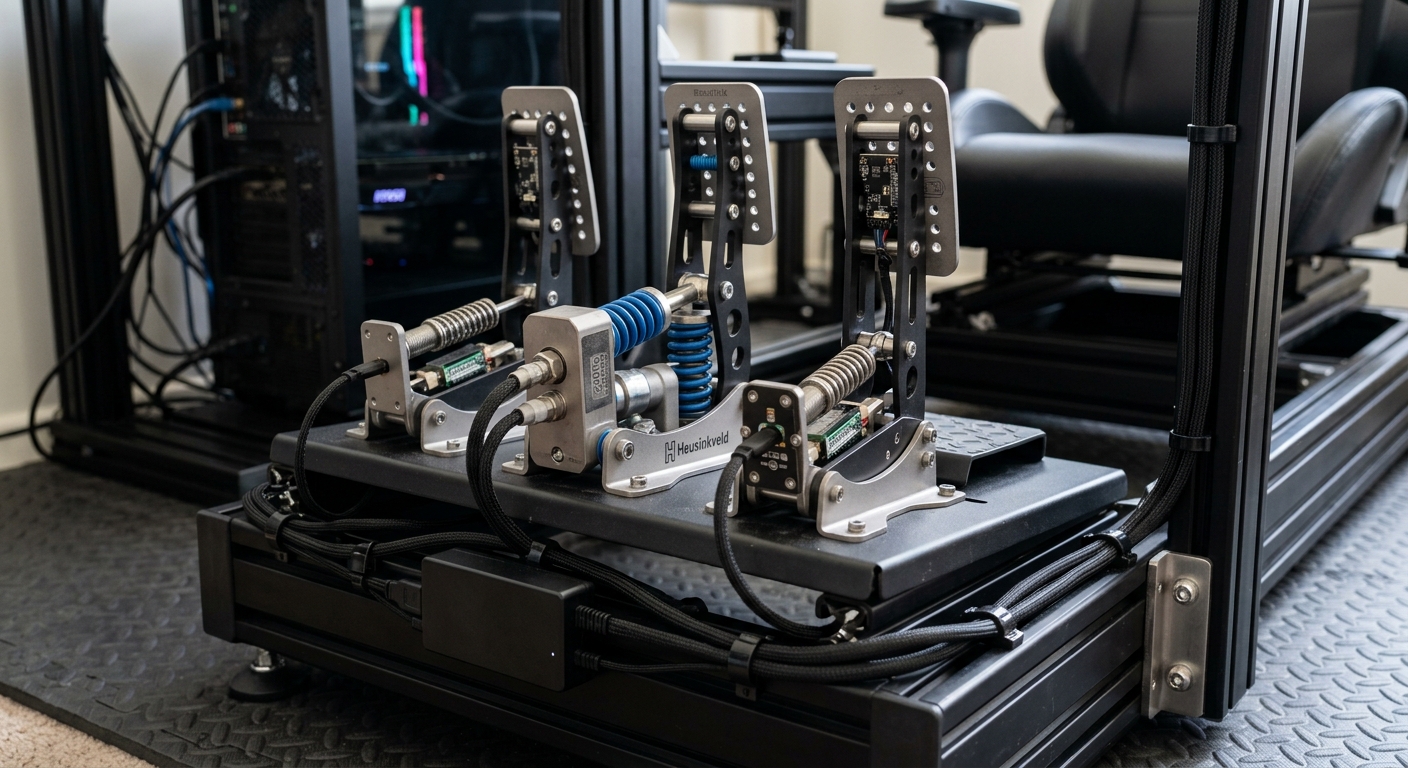
In professional sim racing, your hardware is your car. Just as a real-world driver is responsible for the mechanical state of their vehicle, a sim racer is responsible for the integrity of their peripherals. Most elite league rulebooks include a Driver Responsibility clause which mandates that participants ensure their equipment is calibrated, updated, and functioning correctly before a session begins. When a driver enters a lobby, they are implicitly vouching for the reliability of their setup. If a pedal sensor fails because it has not been cleaned or a wireless rim loses connection due to a low battery, the resulting chaos is a direct consequence of the driver's preparation. Stewards must view equipment maintenance as a pillar of competitive integrity; allowing hardware failure as a frequent get-out-of-jail-free card encourages negligence and creates an unpredictable racing environment.
Mitigating Factors vs Absolute Liability
The primary debate in race control is whether a hardware failure should mitigate a penalty or if absolute liability should apply. Absolute liability suggests that if your car causes an incident, you receive the penalty regardless of the cause. This is the simplest way to manage a league fairly. However, mitigating factors might be considered in cases of platform-wide issues or software bugs that are outside of an individual's control. For example, if a simulation's server crashes or a specific game update introduces a known bug affecting all users of a certain wheel base, stewards may rule the incident as force majeure. In contrast, individual hardware failures—such as a spiking potentiometer or a cable coming loose—should rarely mitigate a penalty. If the failure results in a DNF for others, the offending driver must still be held accountable to discourage the use of failing gear in future rounds.
Reviewing the Data and Standardizing Penalties
To rule fairly, stewards must become experts at reading telemetry and replays. Sensor failures often leave distinct footprints. A failing throttle sensor will typically show rapid, unnatural oscillations in the input graph that a human foot cannot physically replicate. A sudden disconnection usually results in the car maintaining a constant steering angle or throttle input until the simulation's safety logic takes over. By standardizing penalties for these events, leagues can remove the ambiguity that leads to frustration. For instance, a disconnection that causes a pile-up might carry a mandatory qualifying ban for the next race, reflecting the severity of the incident while acknowledging it was not malicious. Clear documentation of these rulings in a platform like FairGrid ensures that every driver knows the consequences of taking to the track with unreliable hardware, ultimately raising the level of competition for the entire field.
Maintain League Integrity with FairGrid
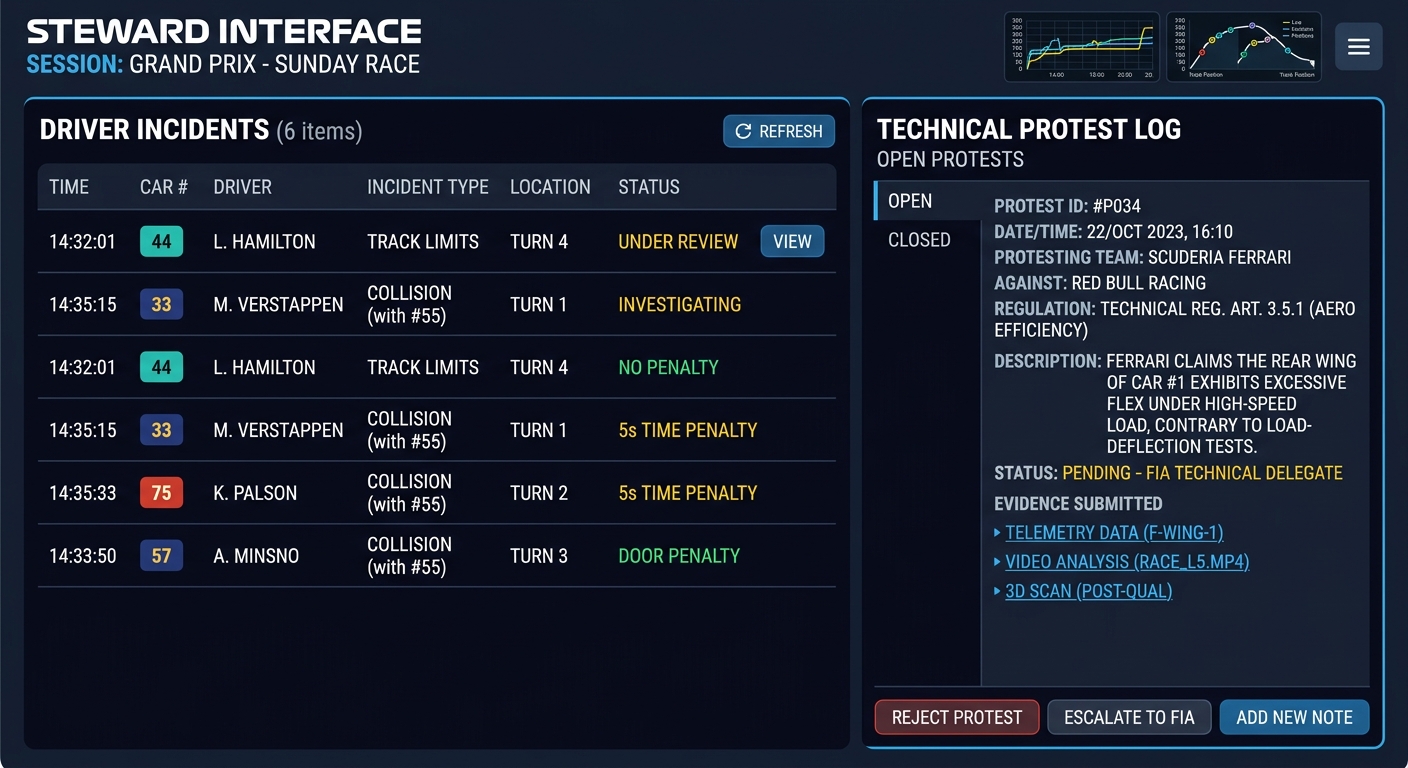
Managing complex protests and technical drama shouldn't take hours of your time. FairGrid provides professional race management tools to help league organizers document incidents, review telemetry, and maintain fair standings. Take your race control to the next level today.