FAQ
How do stewards differentiate between hardware failure and driver error?
Stewards look for patterns in telemetry, such as sudden signal loss or 'flickering' inputs, compared to standard driver errors like missing a braking point or over-steering.
Should leagues have separate classes for different hardware?
While some leagues explore this, maintaining a single standard for competitive integrity is generally preferred to keep the community unified and focused on skill development.
Can entry-level gear cause more racing incidents?
Technical limitations like pedal flicker can occur, but drivers are expected to calibrate their gear and race within the limits of their equipment to maintain safety.
How does telemetry help in mixed-hardware protests?
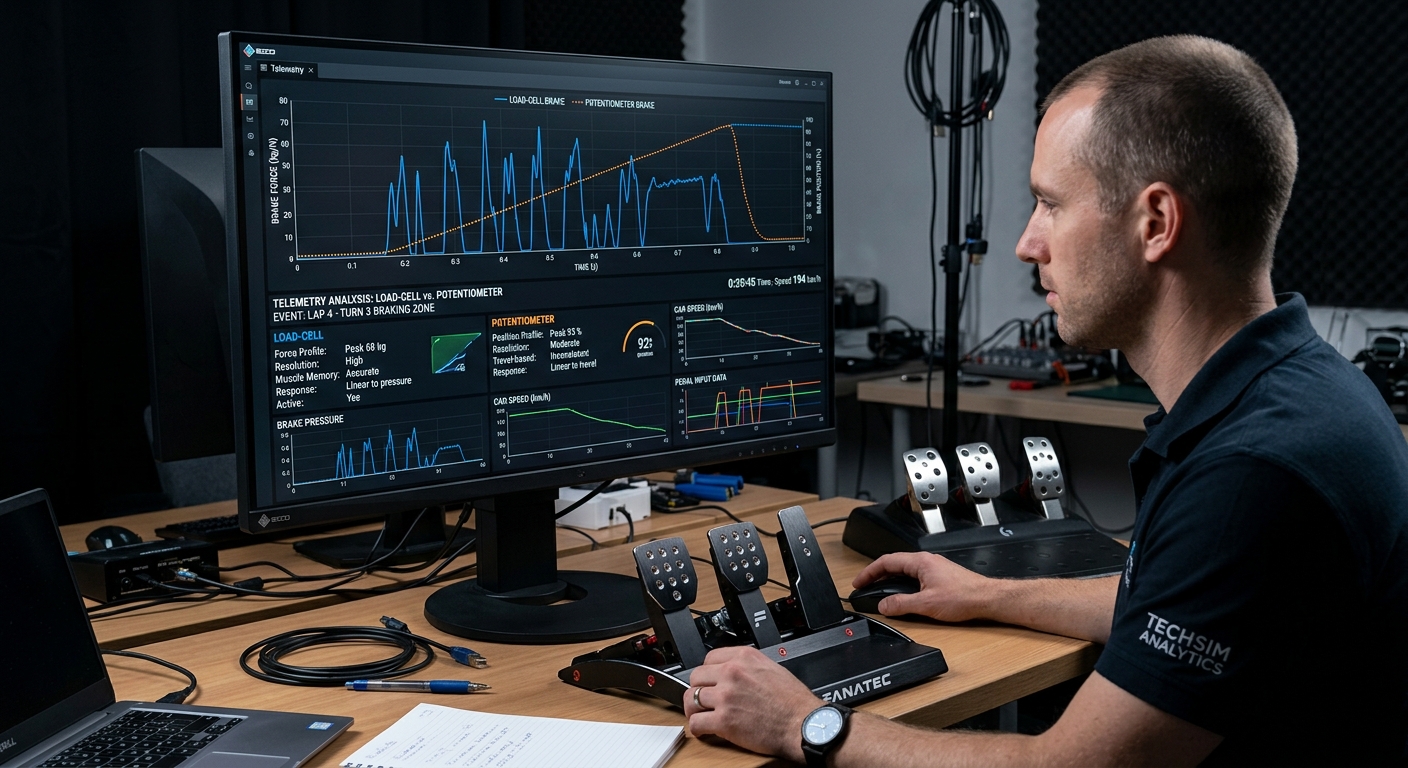
Telemetry provides objective proof of inputs, allowing stewards to see if a driver's claims about hardware malfunction match the digital data recorded during the incident.
Why is consistent stewarding important for league growth?
Consistency builds trust. When drivers know that rules are applied fairly regardless of their equipment, they are more likely to stay engaged and race competitively.
The Hardware Gap: Maintaining Competitive Integrity in Mixed-Equipment Sim Racing Leagues
hardware-gap-competitive-integrity
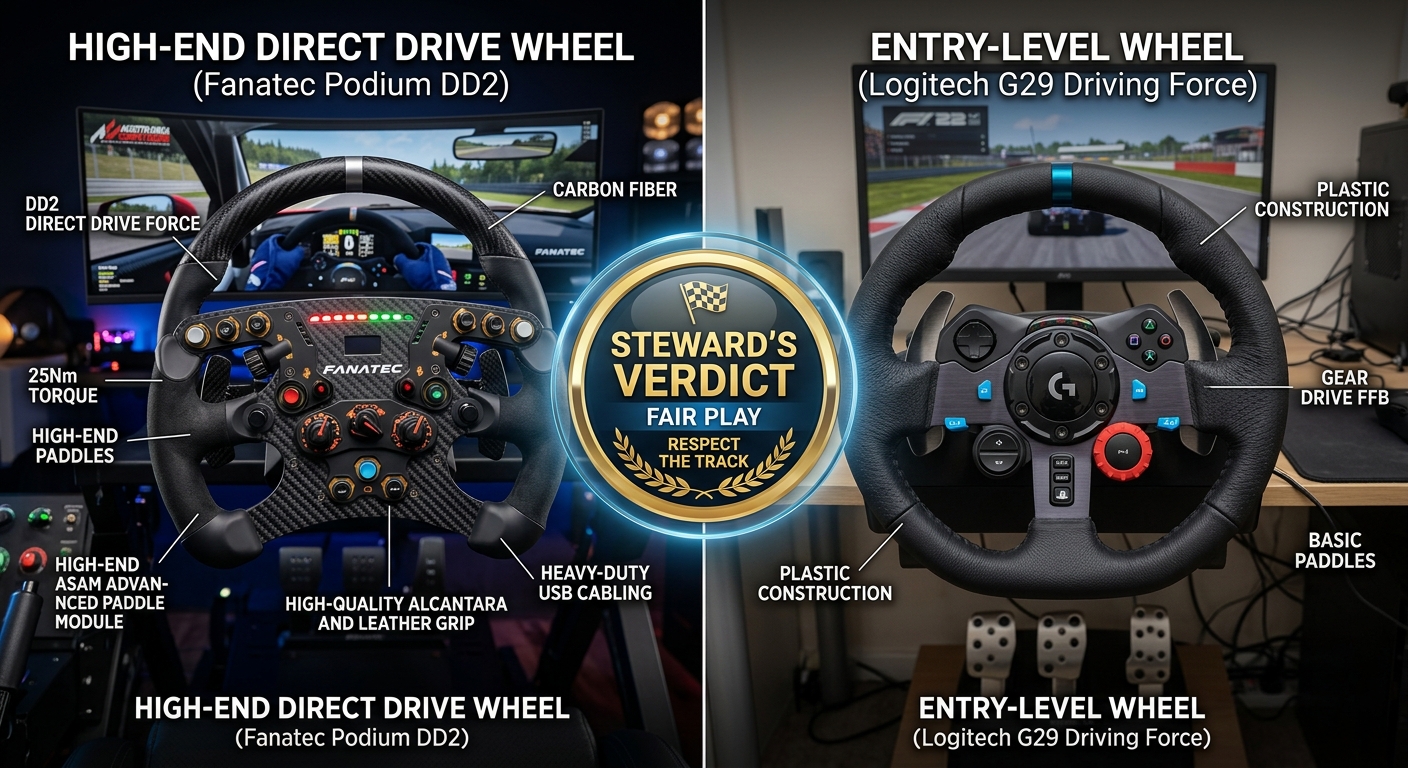
Learn how sim racing leagues manage competitive integrity when drivers use diverse gear, from entry-level wheels to high-torque direct drive systems, ensuring fair play for all.
The Challenge of the Mixed Grid and Decoding Protests
The hardware gap is most visible when entry-level gear like the Logitech G923 meets high-end systems like the Moza R16. These differences aren't just about lap times; they change how a driver perceives the car's limit. Drivers on entry-level gear often deal with force feedback clipping or less precise pedal sensors, which can lead to incidents that are frequently blamed on 'hardware failure.'For a steward, the challenge lies in decoding these protest excuses. Common hardware-related defenses include:Force feedback clipping causing a loss of control.Pedal calibration errors leading to unexpected braking.Low-resolution sensors causing input 'flicker' during close racing.Differentiating between a genuine equipment malfunction and simple driver error is essential for maintaining the safety rating and integrity of the league.
Standardizing Race Control and Incident Analysis
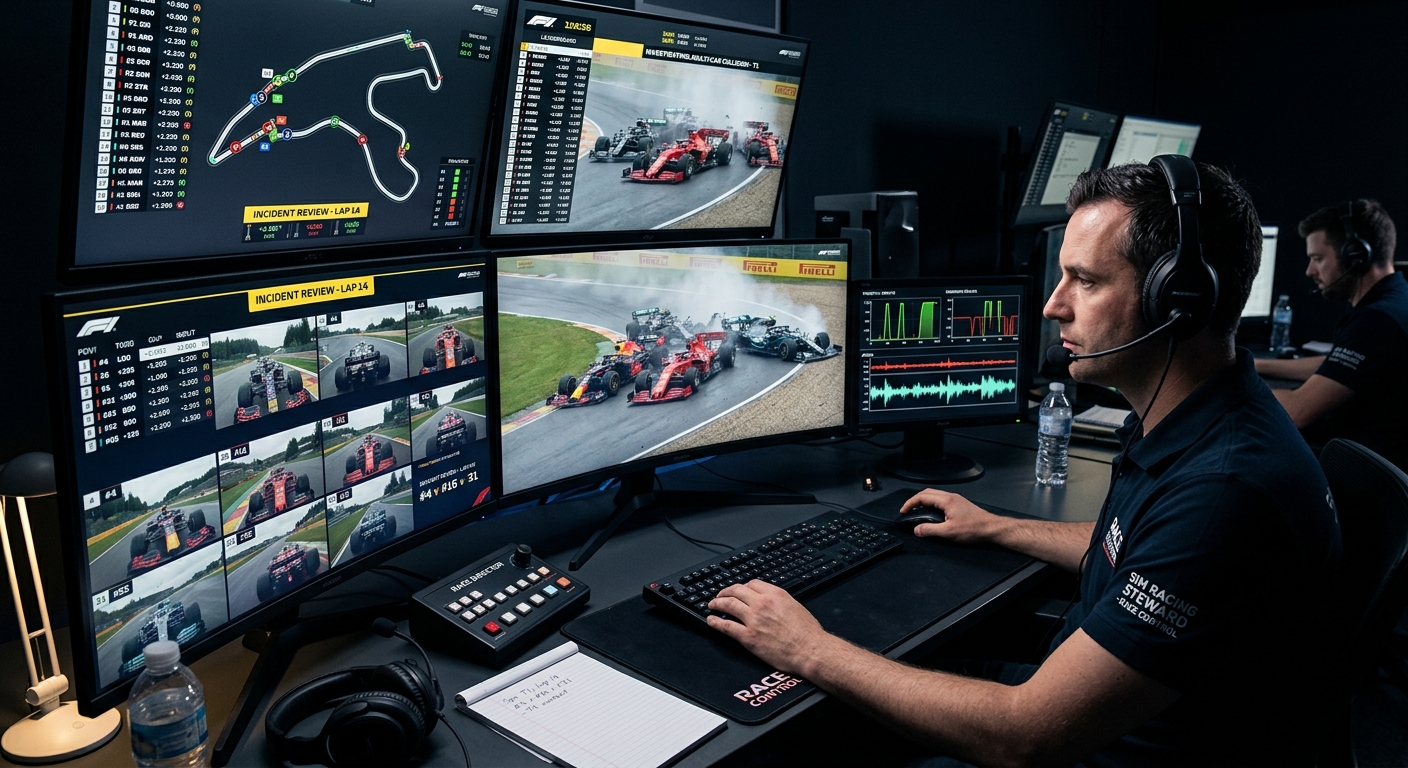
Consistency is the bedrock of successful race control. To maintain competitive integrity, stewards must analyze incidents based on liability and reaction rather than the equipment used. A driver claiming a 'lack of feel' due to a non-direct drive wheel still bears the responsibility for safe wheel-to-wheel racing.Standardizing incident analysis involves:Focusing on the Result: Did the driver’s action violate the sporting code, regardless of the 'why'?Telemetry Requirements: Encouraging or requiring telemetry logs for protests involving claimed hardware failures.Consistent Penalty Application: Ensuring that a 'hardware issue' does not become a universal 'get out of jail free' card.By treating the car's behavior on track as the primary evidence, stewards can maintain a level playing field where safety and fair play are prioritized over the technical specifications of a driver's rig.
Building a Fair System and Leveraging FairGrid
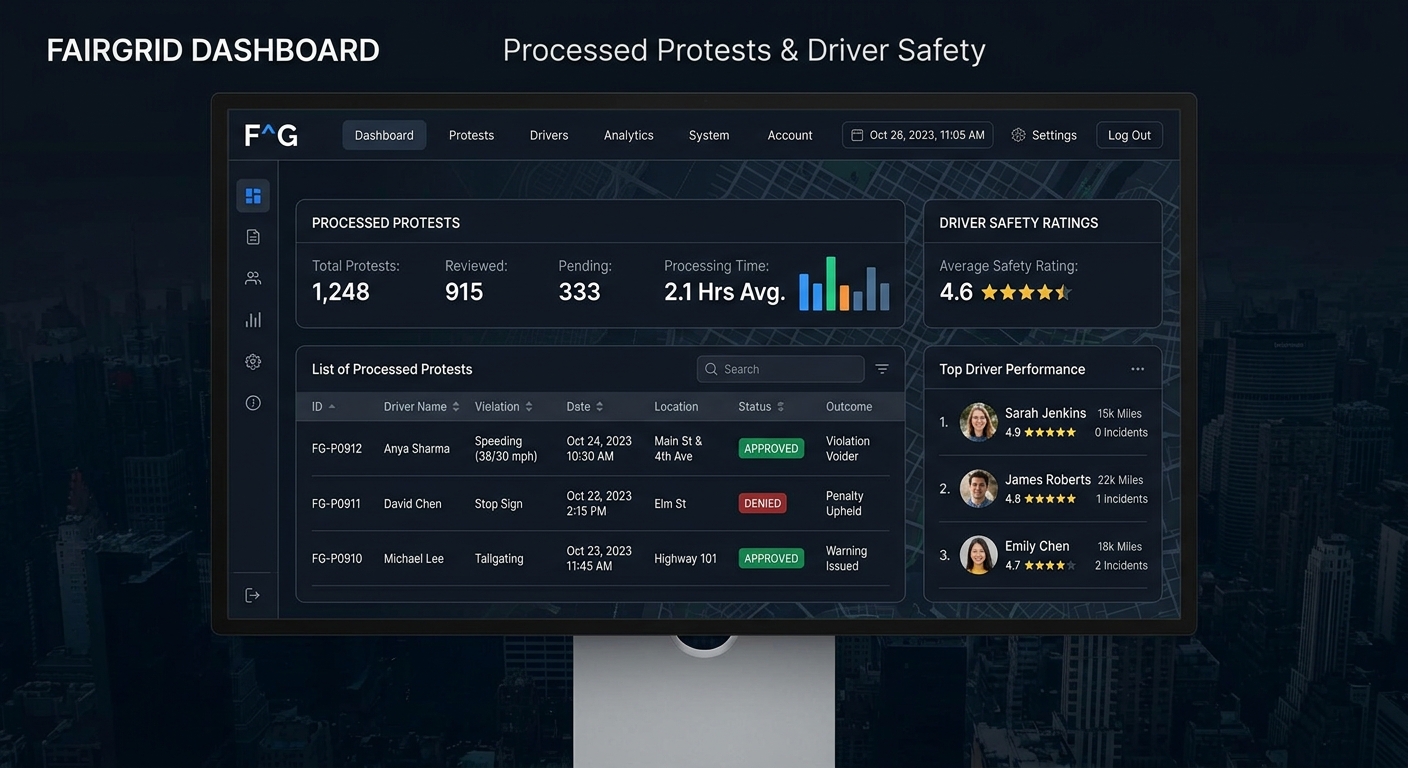
A robust protest system must be equipment-agnostic. This requires standardized incident reporting where drivers provide clear POV footage and, where possible, technical data. League organizers should establish clear guidelines on what constitutes a 'valid' hardware excuse—such as a complete disconnect—versus a 'driver accountability' issue like pedal travel mismanagement.FairGrid provides the tools necessary to manage these complexities. By centralizing incident reviews and automating parts of the stewarding process, FairGrid helps leagues maintain transparency. Whether a driver is on a budget setup or a professional rig, the platform ensures that every protest is handled with the same level of scrutiny and objective analysis.Ultimately, the goal is to build a community where the quality of the racing is determined by skill and sportsmanship, not by who has the most expensive wheel base.FAQHow do stewards differentiate between hardware failure and driver error?Stewards look for patterns in telemetry, such as sudden signal loss or 'flickering' inputs, compared to standard driver errors like missing a braking point or over-steering.Should leagues have separate classes for different hardware?While some leagues explore this, maintaining a single standard for competitive integrity is generally preferred to keep the community unified and focused on skill development.Can entry-level gear cause more racing incidents?Technical limitations like pedal flicker can occur, but drivers are expected to calibrate their gear and race within the limits of their equipment to maintain safety.How does telemetry help in mixed-hardware protests?Telemetry provides objective proof of inputs, allowing stewards to see if a driver's claims about hardware malfunction match the digital data recorded during the incident.Why is consistent stewarding important for league growth?Consistency builds trust. When drivers know that rules are applied fairly regardless of their equipment, they are more likely to stay engaged and race competitively.
Standardize Your League Stewarding Today
Don't let hardware disparities compromise your league's integrity. Use FairGrid to manage protests, analyze incidents, and maintain a fair playing field for every driver on the grid.