FAQ
How do load cell pedals improve safety ratings?
They provide muscle memory-based consistency, which reduces unpredictable braking and helps prevent rear-end collisions in tight packs.
Can stewards detect hardware failure in telemetry?
Yes, signal flickering, erratic spikes, or sudden input drops in telemetry logs often indicate a failing potentiometer or sensor.
Is input-shaping firmware considered cheating?
It depends on league rules; some view it as hardware optimization, while others classify it as an unapproved external driver aid.
Why should league organizers care about driver hardware?
Consistent hardware reduces the administrative workload for stewards by minimizing accidents caused by technical glitches and noisy input signals.
What is the 'Mechanical Failure' defense?
It is a claim by drivers that an incident was caused by a hardware malfunction rather than their own error or intent.
The Integrity of Input: Why Your Hardware Choice Matters to Race Control
hardware-consistency-sim-racing-integrity
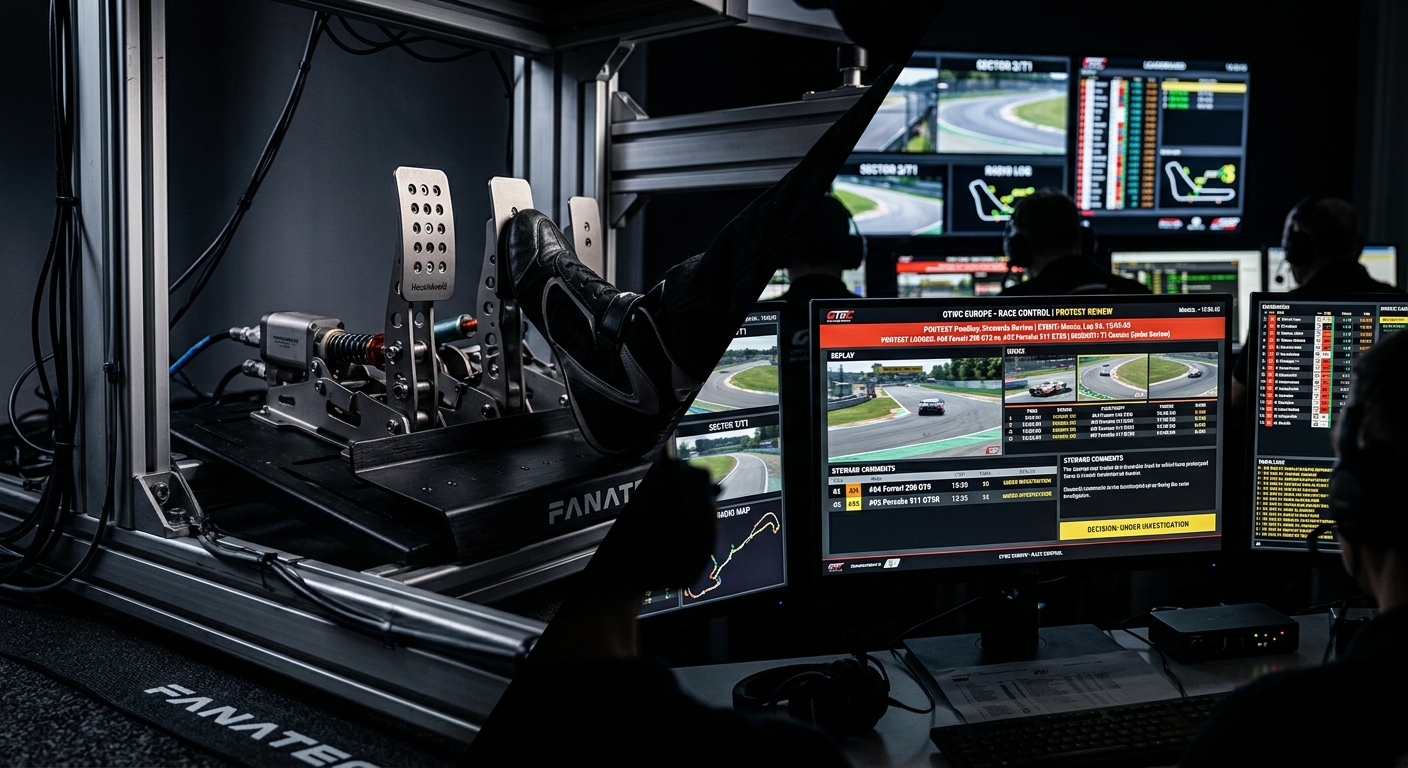
Explore how load cell pedals and input-shaping firmware impact race stewarding. Learn how hardware consistency reduces incidents and affects competitive league integrity.
Consistency vs. Speed: The Steward's Perspective on Hardware
From a steward’s perspective, speed is secondary to predictability. When a driver uses entry-level pedals with potentiometers, the signal can be noisy and inconsistent. This leads to unpredictable braking points and micro-lockups that catch following drivers off guard. Load cell pedals, which measure pressure rather than distance, allow for muscle-memory consistency. For race control, this means fewer unavoidable rear-end collisions and a more stable environment for close-quarters racing, directly impacting the overall safety rating of the grid.
The 'Mechanical Failure' Defense: When Bad Pedals Lead to Bad Penalties
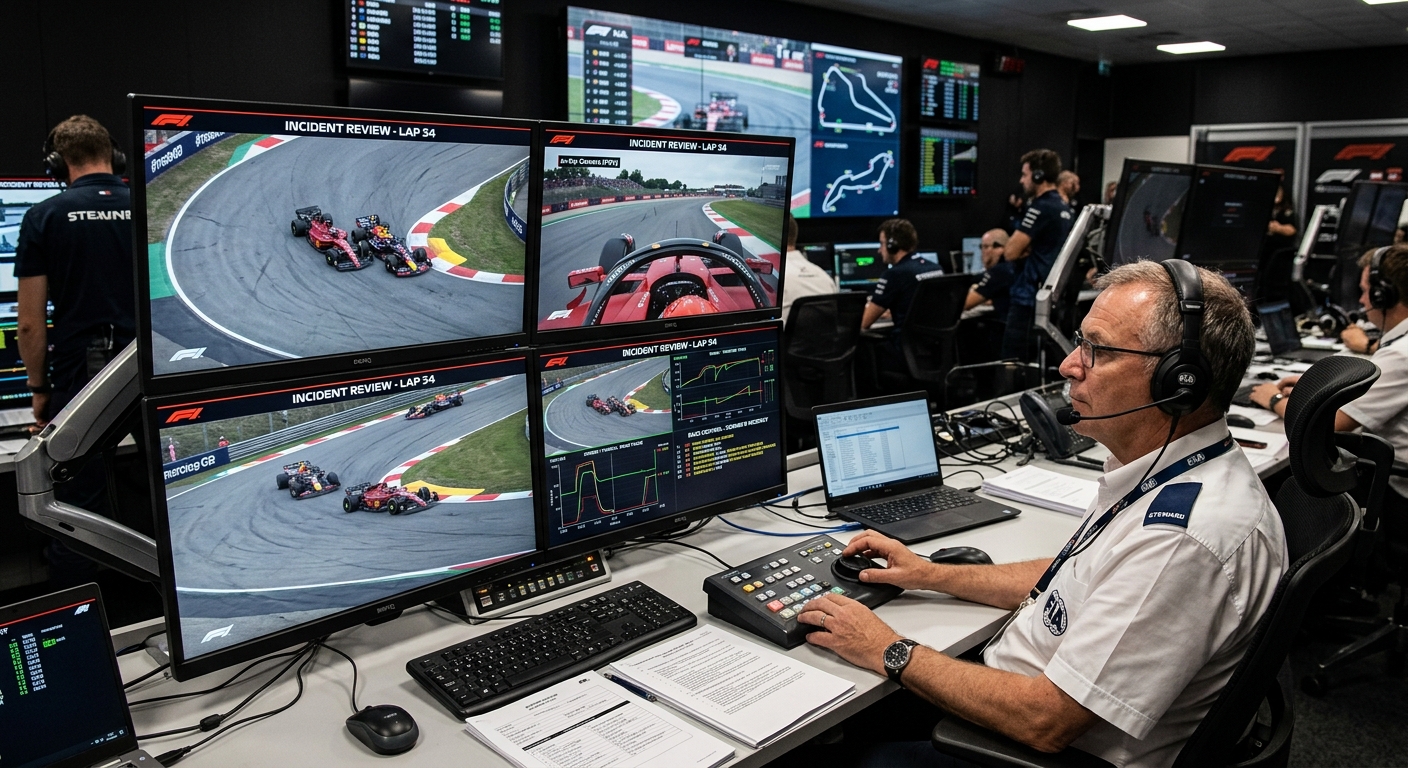
Stewards frequently encounter the mechanical failure defense during protest reviews. A driver might claim their brake sensor flickered or their throttle stuck open to avoid a penalty. Differentiating between a legitimate hardware failure and driver negligence is one of the toughest calls in race management. High-quality hardware standards within a league reduce these occurrences. When drivers use reliable equipment, stewards can more confidently attribute incidents to driver decision-making, ensuring penalties are fair, evidence-based, and maintain the league's competitive standards.
Firmware and Fair Play: Is Input Shaping an Illegal Driver Aid?
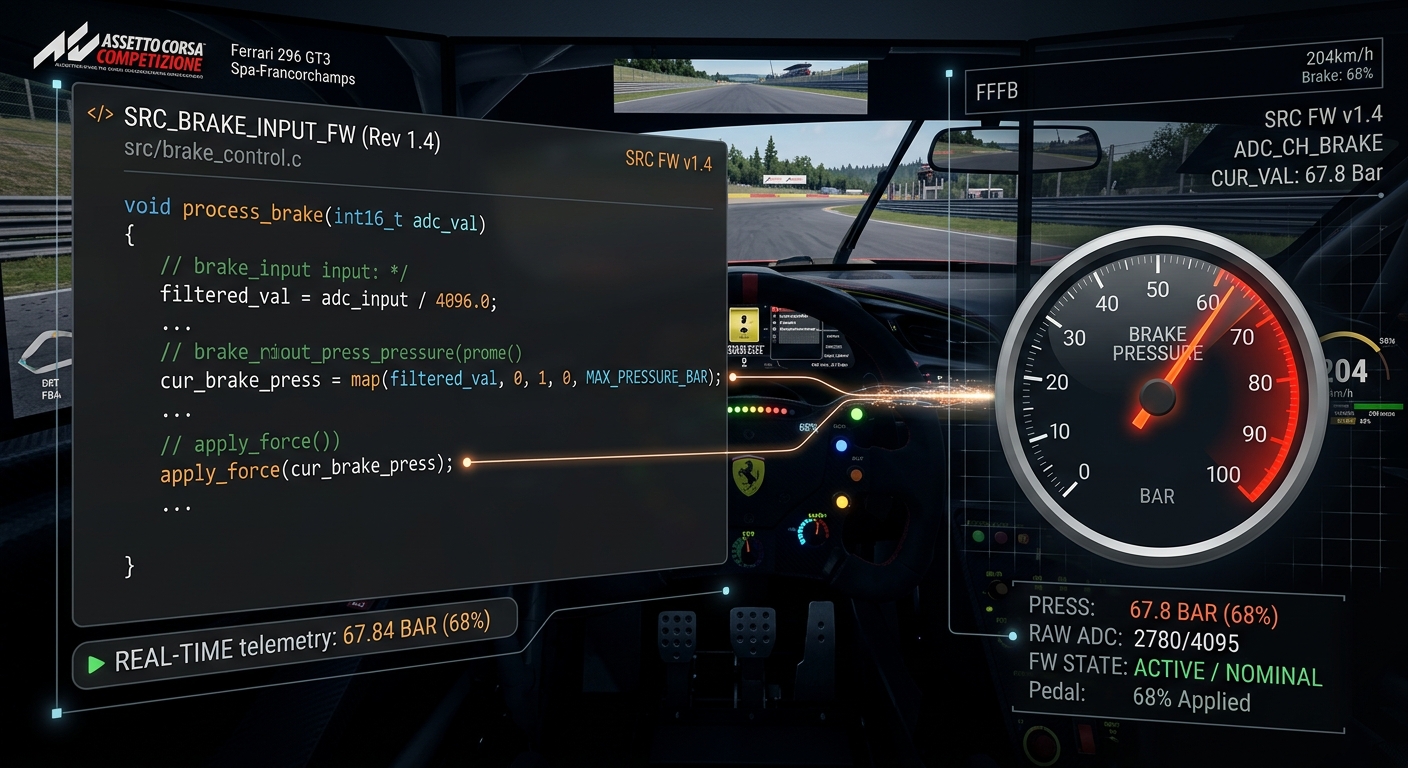
The emergence of custom firmware and input shapers like BrakeBox introduces a new challenge for competitive integrity. These tools can smooth out raw inputs or prevent lockups by modifying the signal before it reaches the simulation. While some see this as hardware optimization, others argue it acts as an external driver aid similar to banned assists. League organizers must decide if these tools compromise the pure connection between driver and car. Clear technical regulations are necessary to ensure that firmware does not become a digital loophole for gaining an unfair advantage.

Monitor Technical Integrity with FairGrid
FairGrid helps league organizers identify if a driver is genuinely struggling or if their hardware is the culprit. By tracking incident patterns and protest data over time, our platform allows you to see if a specific competitor is consistently involved in technical accidents. This data-driven approach helps you maintain a higher standard of competitive integrity and ensures your stewards are making the right calls. Sign up for FairGrid today to professionalize your race management.