FAQ
Why do I lose safety rating even when a crash wasn't my fault?
Most major sim platforms use a 'no-fault' system where all involved parties receive incident points. This is designed to encourage mutual incident avoidance rather than assigning blame like a legal system.
What is the best way to survive Monza Turn 1?
Brake 50 meters earlier than your usual marker, keep your eyes on your mirrors for late lunges, and prioritize an exit that keeps you away from the center of the track.
Does my safety rating actually affect my speed?
While it doesn't change your car's performance, a higher safety rating places you in splits with more predictable drivers, allowing you to focus on pace rather than survival.
Is it better to start from the pits to protect my rating?
Starting from the pits can protect your rating in the short term, but it prevents you from learning the essential skill of navigating traffic, which is required for high-level league racing.
How do professional stewards define a 'racing incident'?
Stewards define a racing incident as a collision where no single driver is predominantly at fault, often occurring when two drivers make reasonable but conflicting decisions in the heat of battle.
The Monza Survival Guide: How to Escape Bottom Splits and Boost Your Safety Rating
monza-survival-guide-boost-safety-rating
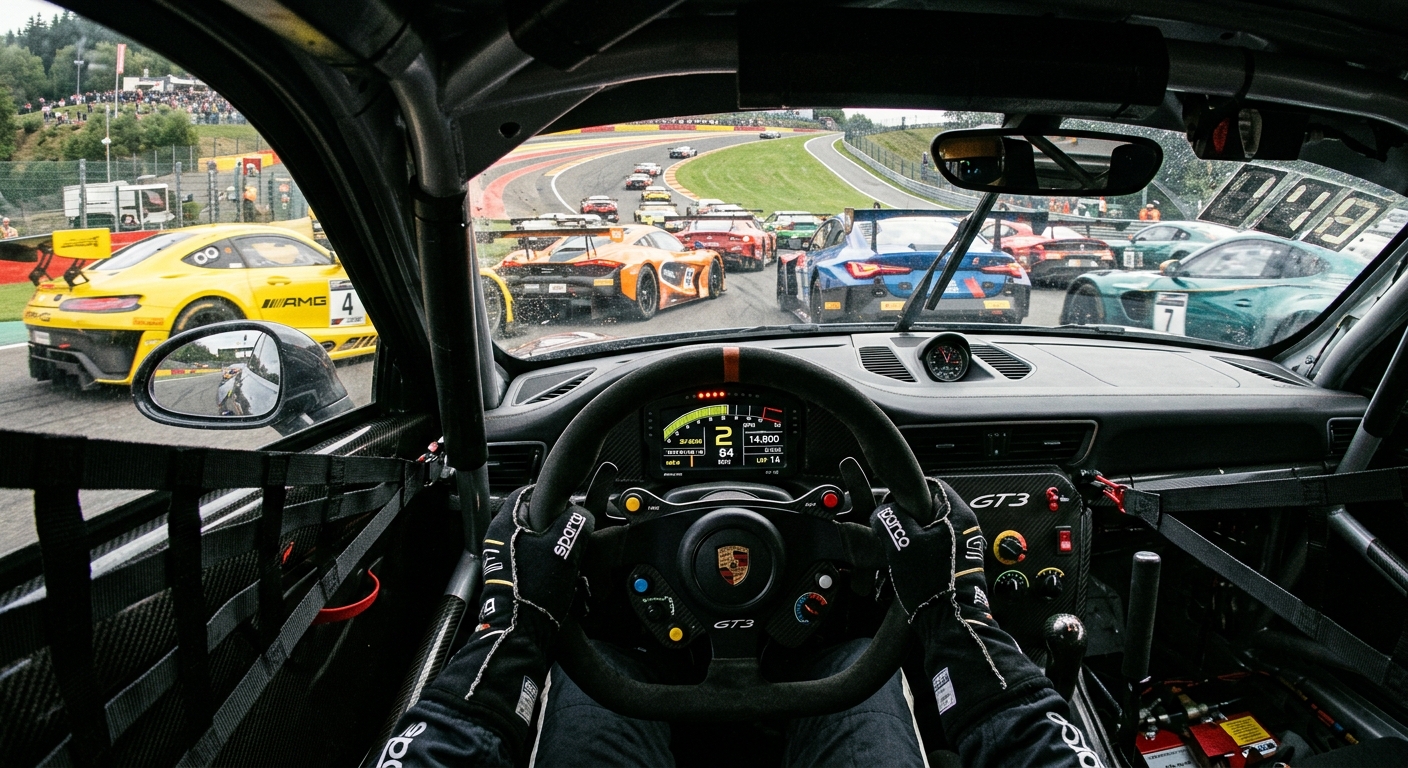
Tired of losing safety rating in Monza Turn 1? Learn how professional stewarding principles can help you navigate chaos and escape the frustration of bottom split racing.
The Everything Right Fallacy: Why You Are Still Getting Wrecked
The biggest hurdle for intermediate drivers is the belief that 'legal' driving is the same as 'safe' driving. From a steward’s perspective, a driver can be technically within their rights and still be driving in a way that invites disaster. If you hold your line stubbornly because the rules say you are entitled to it, you are ignoring the reality of low-split lobbies where precision is rare. Surviving high-chaos environments requires moving beyond what is legal and focusing on what is survivable. This means recognizing that your right to a corner doesn't matter if you end up in the tire wall. Professional stewarding logic dictates that avoidance is a shared responsibility, and the first step to a higher rating is accepting that being 'right' is less important than being 'running.'
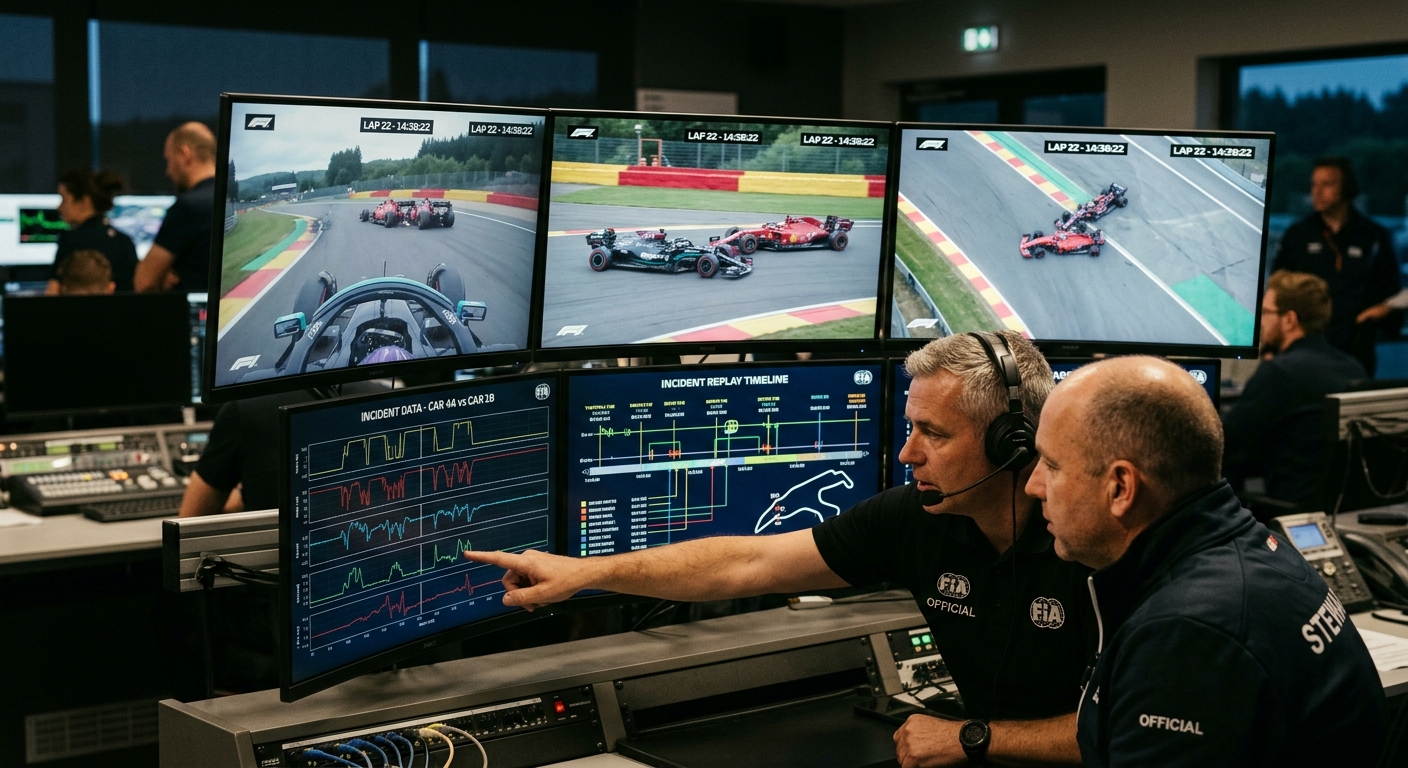
Stewarding 101: Analyzing Chain Reactions and Predictability
Race control doesn't just look at the moment of impact; they look at the seconds leading up to it. In high-chaos zones, incidents are usually chain reactions. To boost your safety rating, you must learn to read the 'body language' of the cars around you. Is the driver behind you missing their apexes? Are they overlapping your rear bumper in a heavy braking zone? These are indicators of an impending incident. Predictability is your greatest defense. By signaling your intentions early through smooth braking and clear positioning, you reduce the cognitive load on the drivers around you. When you see a potential collision forming ahead, professional race control principles suggest easing off the throttle immediately to create a buffer, rather than trying to capitalize on the gap.
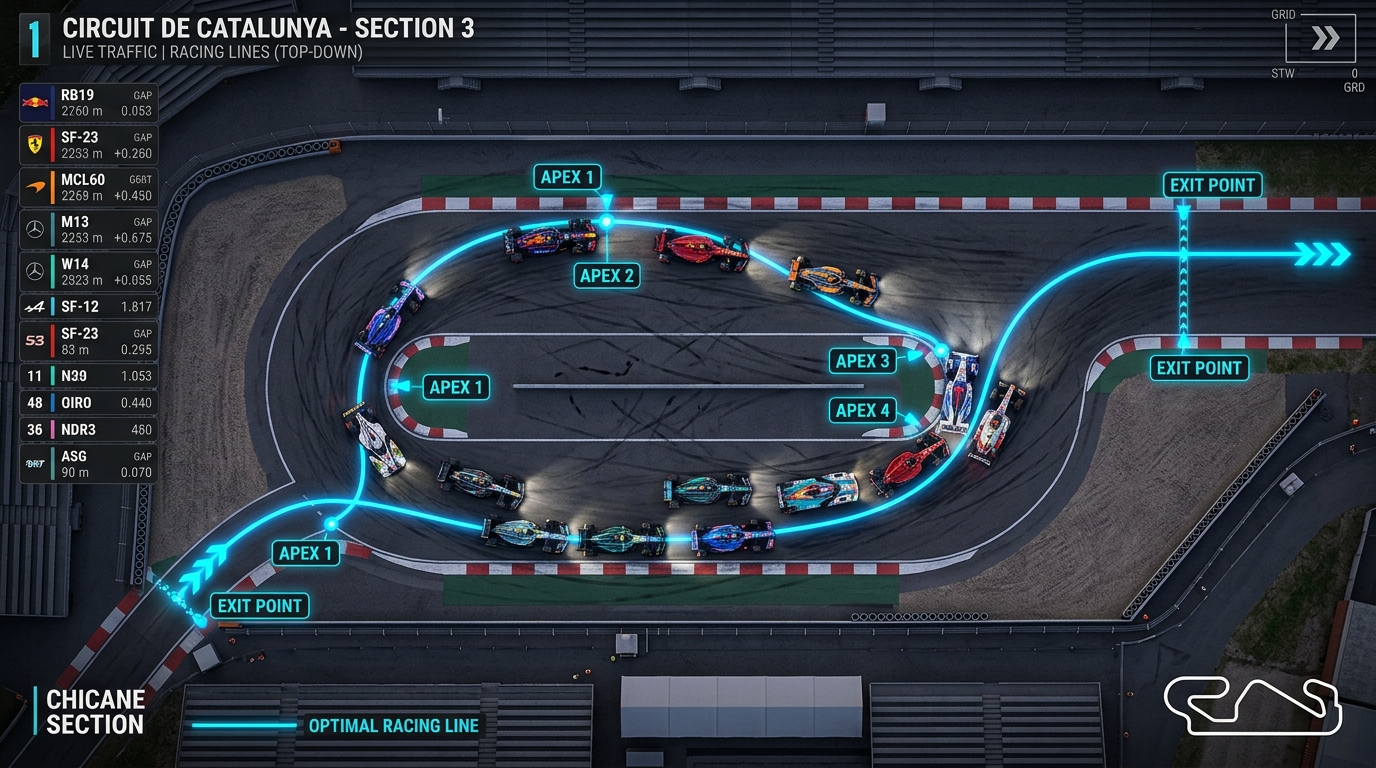
Survival vs. Speed: Tactical Positioning in High-Chaos Lobbies
In a bottom-split race at Monza, your primary objective for the first three laps should be survival, not lap time. This requires a tactical shift in positioning. Avoid the 'vortex of danger' by staying out of the center of the track during heavy braking. If you are on the inside, you risk being used as a brake by someone else; if you are in the middle, you have no escape route. Choose lines that offer a clear exit into the runoff or grass if things go wrong. Using FairGrid’s perspective on competitive integrity, we see that the most successful league drivers are those who prioritize spatial awareness over aggressive overtakes early in a session. By the time the field thins out, your patience will be rewarded with a higher position and a pristine safety record.

Find Your Path to Professional Racing
Tired of the public lobby lottery? FairGrid provides the tools for organizers to run clean, professional leagues where competitive integrity is the top priority. Join a community that values fair play and find the racing environment you deserve.