FAQ
What is the 10-minute cooling off rule?
It is a mandatory period after a race designed to let emotions settle before a driver can file an official protest.
How does replay analysis improve my Safety Rating?
It helps you identify your own positioning errors, allowing you to avoid similar accidents and unnecessary 4x contact points in future races.
What is the difference between a protestable offense and a racing incident?
Protests are for intentional wrecking or competition foul play; racing incidents are honest mistakes or misjudgments that occur during normal racing.
Why should I watch the replay from multiple angles?
Different angles reveal whether a driver lost control due to a mechanical failure, netcode, or another car's influence that wasn't visible to you.
How do FairGrid tools help with these disputes?
FairGrid provides league organizers with structured systems to review incidents based on objective evidence rather than driver heat-of-the-moment complaints.
The Replay Room: Why Your First Instinct After a Wreck is Usually Wrong
the-replay-room-iracing-incident-analysis
Learn why reviewing race replays is crucial for iRacing success. Avoid hot-head protests and improve your safety rating by analyzing incidents objectively before blaming others.
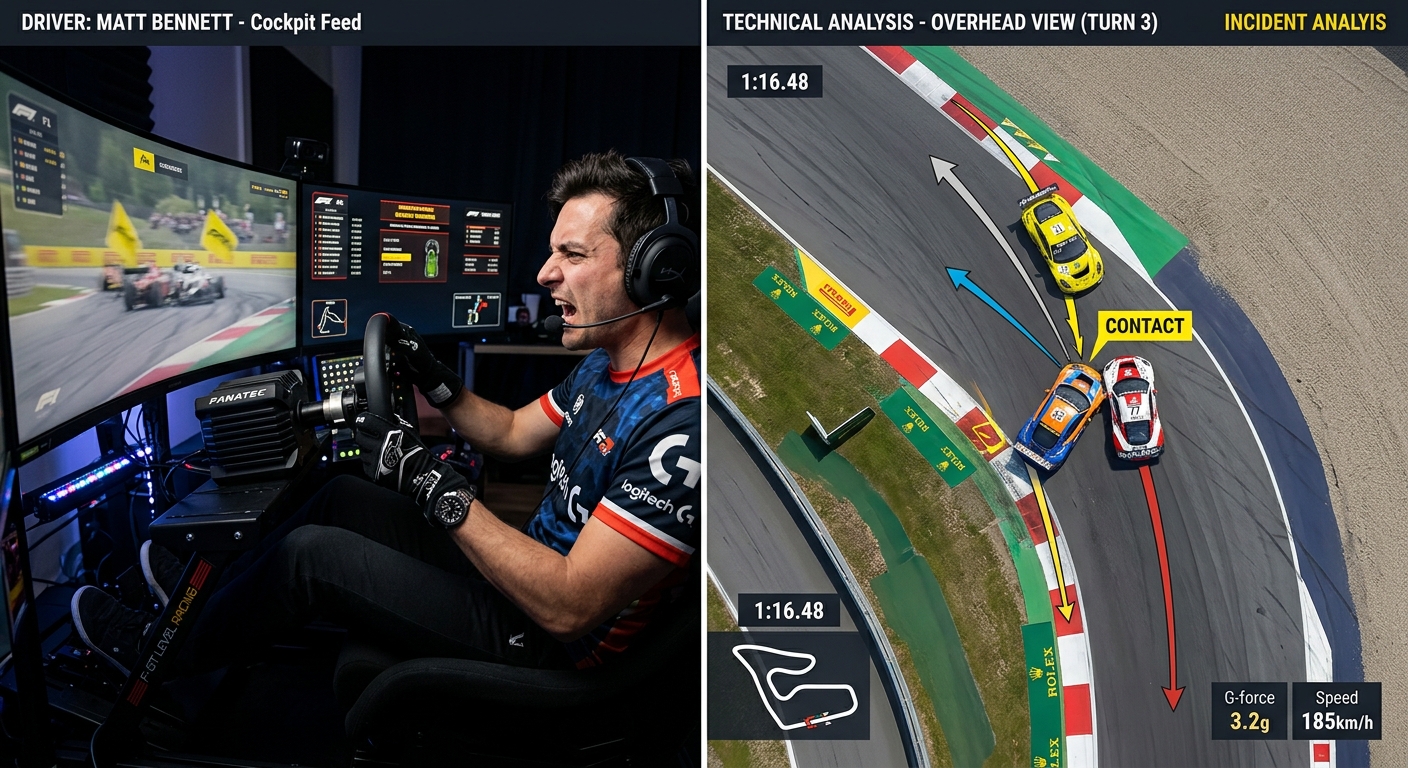
The Heat of the Moment: Why Sim Racers Always Blame the Other Driver
Human psychology is wired for self-preservation. When you are focused on hitting your marks, any unexpected disruption feels like a personal attack. This cockpit bias is why drivers frequently scream over voice chat or immediately threaten to file a protest. Without the full context of the cars around you, your perspective is limited to what you see in your mirrors and peripheral vision. Often, a perceived dive-bomb is actually a result of a spotter error or the other driver reacting to a separate incident ahead of them.
The 10-Minute Rule: Why You Should Never Protest Immediately
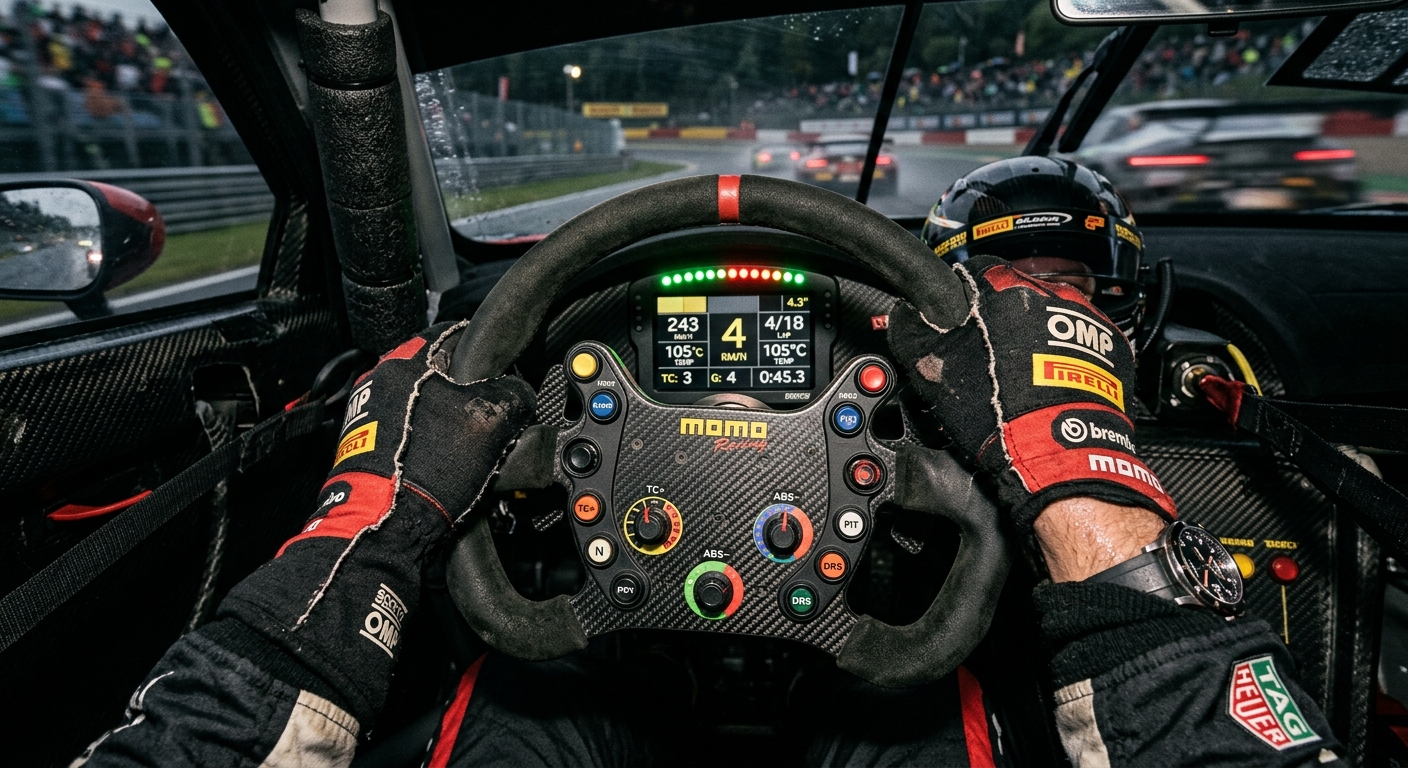
The iRacing Sporting Code includes a mandatory cool-down period for a reason. Taking ten minutes after a race to step away from the rig allows the adrenaline to subside. This time is best used to open the replay file and watch the incident from the Far Chase or Blimp cameras. By reviewing the technical data of the crash, you can see the steering inputs and braking points of both cars. This practice not only saves the stewards time but also helps you realize when a mistake was simply a racing incident rather than a protestable offense.
Learning from the Self-Incident: Analyzing Your Own Driving Line
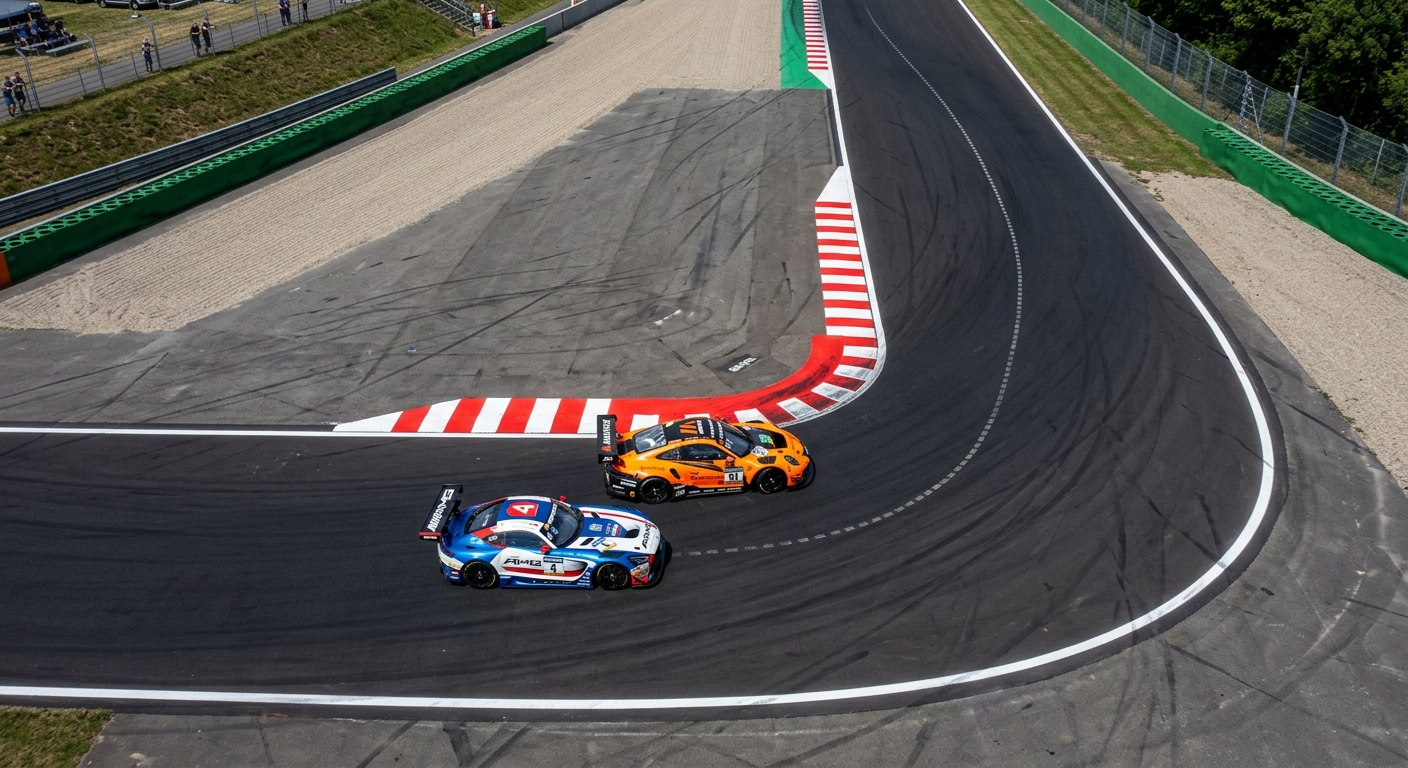
True competitive integrity begins with self-analysis. Many wrecks that feel like intentional wrecking are actually caused by the lead car moving under braking or closing a door too late. By reviewing your own line, you can identify if your lack of awareness contributed to the contact. FairGrid’s race management tools emphasize this objective approach, helping leagues distinguish between genuine rule-breaking and the inevitable contact of competitive racing. Mastering this mindset is the key to maintaining a high Safety Rating and earning respect in top-split lobbies.
Bring Professional Stewarding to Your League
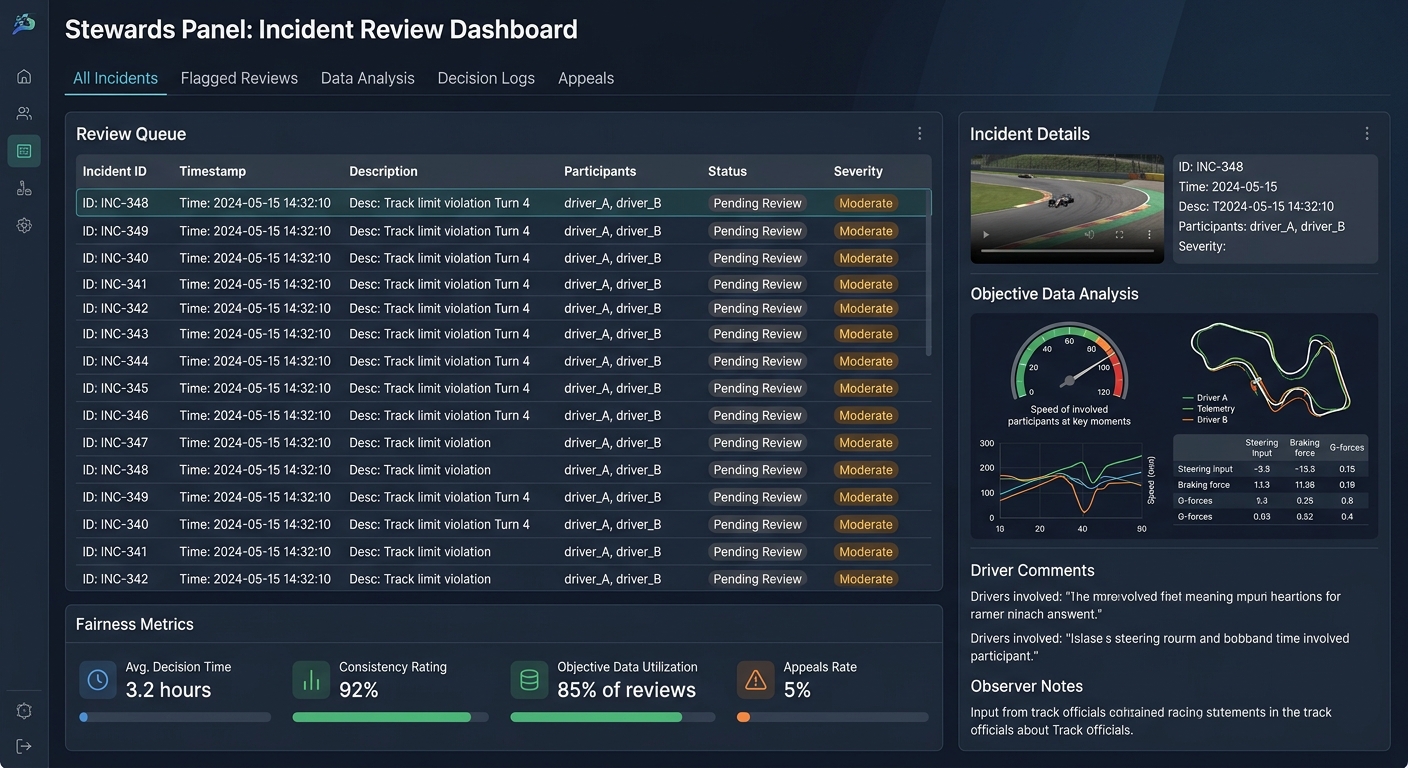
Tired of post-race drama? Use FairGrid to manage your league’s race control and protests with objective, AI-assisted tools that prioritize competitive integrity over emotional reactions.