FAQ
What is the difference between smurfing and sandbagging?
Smurfing involves using a separate low-rated account to hide skill, while sandbagging involves a driver intentionally performing poorly to lower the rating on their main account.
Is smurfing against the iRacing Sporting Code?
Yes, section 2.2 of the Official Sporting Code prohibits rating manipulation and the use of multiple accounts to gain an unfair competitive advantage.
How do I prove someone is smurfing in a protest?
Submit evidence of lap times that are significantly faster than the split average, along with links to suspicious alternate accounts or historical data showing a sudden drop in rating.
Why do people smurf in endurance races?
Drivers often smurf in endurance events to secure easier wins in lower splits or to help lower-rated friends achieve team victories they couldn't earn otherwise.
How does FairGrid help prevent smurfing?
FairGrid provides organizers with driver history tracking and stewarding tools that make it easier to identify suspicious performance patterns and enforce entry restrictions.
The Smurfing Problem: Protecting Competitive Integrity in Sim Racing
sim-racing-smurfing-competitive-integrity

Smurfing and sandbagging threaten the fairness of competitive sim racing. Learn how to identify alt-accounts and how FairGrid helps leagues maintain competitive integrity.
Defining Smurfing and Sandbagging in Competitive Sim Racing
Smurfing involves a highly skilled driver using a secondary account with an artificially low rating to enter races against beginners. Sandbagging is the act of intentionally losing or performing poorly to suppress one's own rating. Both tactics allow elite drivers to enter lower-tier splits in endurance races like the Nürburgring Endurance Championship. Drivers often target these races for easy wins or to boost team performance, but this behavior undermines the matchmaking system that keeps sim racing accessible to genuine newcomers and lower-rated drivers.
The Data Doesn't Lie: Using Lap Times and iRating History to Spot Abusers
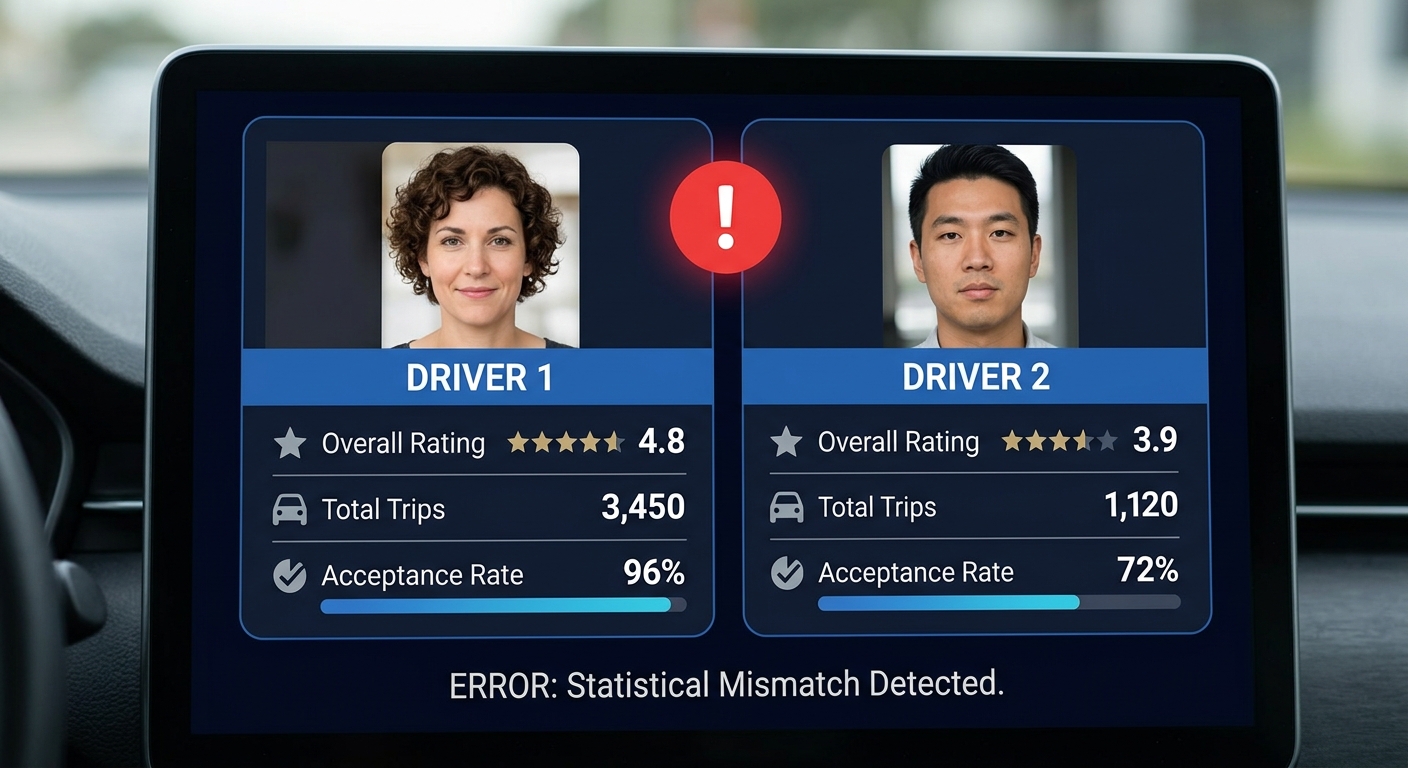
Identification of rating manipulation begins with the data. A driver with a sub-1000 rating consistently hitting qualifying times within a narrow margin of world records is a major red flag. To file an effective protest under the iRacing Sporting Code, documentation must include lap time comparisons and evidence of performance that is statistically impossible for the driver's current skill tier. By analyzing lap time consistency and historical performance across accounts, stewards can distinguish between a rapidly improving talent and a veteran driver manipulating the system.

Beyond the Platform: How Independent Leagues Use FairGrid to Maintain Fair Play
While platform-wide systems catch some offenders, independent leagues require more granular control to protect their members. FairGrid provides organizers with advanced tools to vet entrants, track historical data across seasons, and enforce strict entry requirements based on true skill. The future of digital motorsports relies on advanced identity verification and centralized stewarding data. By using FairGrid to track driver history and incidents, league administrators can ensure every driver on the grid is competing fairly against their actual peers, preserving the integrity of the competition.

Secure Your League with FairGrid
Stop smurfing before the green flag drops. Use FairGrid’s advanced stewarding and driver tracking tools to ensure every competitor on your grid belongs there.