FAQ
What is considered toxic behavior in sim racing?
Toxicity includes verbal abuse in chat or voice, intentional wrecking, retaliatory driving, and any actions intended to harass other competitors.
How does the iRacing protest system work for verbal abuse?
Drivers can save a replay or take screenshots of the chat and file a formal protest through the iRacing UI for review by staff.
What is the difference between a racing incident and a penalty?
An incident is an unintentional collision with no clear fault, while a penalty is issued for rule-breaking, negligence, or intentional actions.
Can leagues set their own conduct rules?
Yes, leagues often implement a custom sporting code that is stricter than public servers to foster a specific community culture.
How can FairGrid help reduce toxicity in my league?
FairGrid provides structured tools for incident reporting and review, making it easier for stewards to enforce rules consistently and transparently.
Why is Sim Racing So Toxic? How Professional Stewarding Restores Respect on the Grid
why-is-sim-racing-so-toxic-stewarding-respect

Sim racing toxicity ruins the experience for everyone. Discover how the iRacing Sporting Code and professional stewarding tools like FairGrid help restore respect and integrity.
The 'Rudeness' Epidemic and the Sporting Code
The anonymity of the internet combined with the high-stress environment of racing creates a breeding ground for toxicity. Many drivers treat sim racing as a video game where consequences are temporary, forgetting that there is a human being behind every other car. The iRacing Sporting Code is more than just a guide for flags; it is a behavioral contract. It outlines expectations for sportsmanship and communication. Competitive integrity requires adhering to the spirit of competition, which means treating competitors with professional courtesy and understanding the difference between a racing mistake and behavioral toxicity.
Protesting Toxicity: How to Clean Up the Service
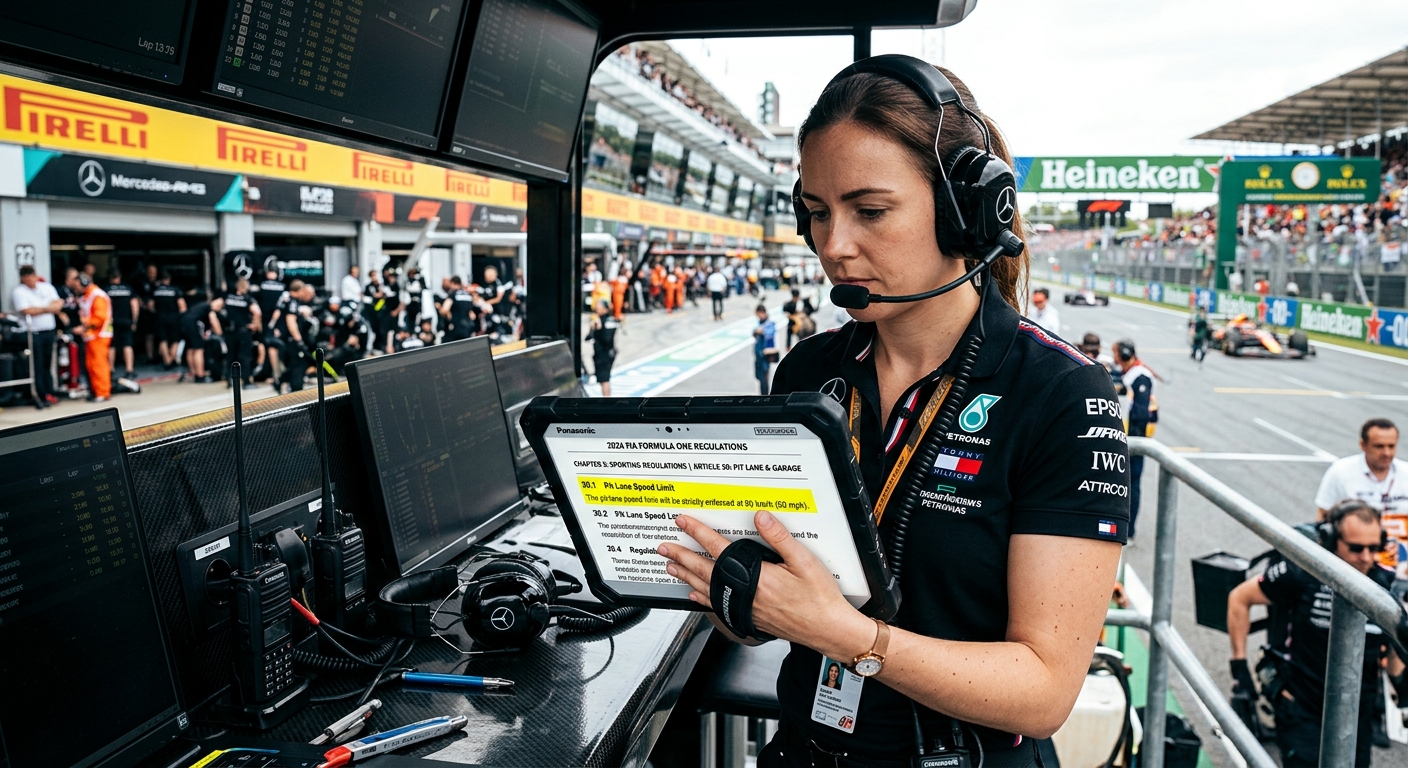
The iRacing protest system is the primary tool for removing toxic actors from the service. Unlike racing incidents, which are often handled by the automated safety rating system, behavioral infractions require human intervention. Protesting non-driving infractions, such as chat abuse or intentional wrecking, is essential for maintaining a healthy community. By reporting these incidents, drivers help the service identify repeat offenders and enforce the Sporting Code, ensuring that the environment remains professional and welcoming for everyone who wants to race hard and fair.
The League Solution: Why Human Stewarding Beats Algorithms
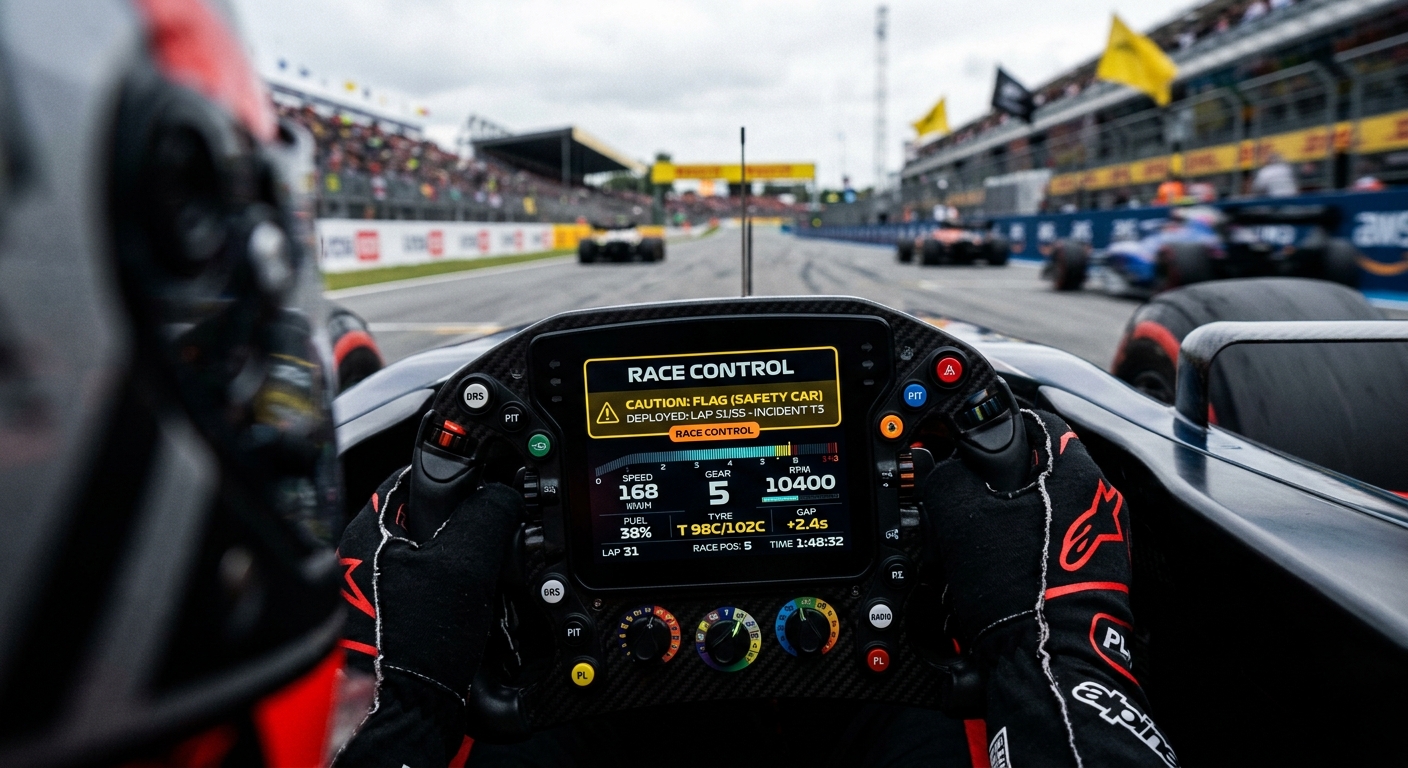
Leagues offer a unique opportunity to curate a specific racing culture. Unlike public lobbies, leagues can enforce stricter standards of conduct through dedicated race control. This is where human stewarding excels, providing the nuance needed to distinguish between a mistake and a lack of respect. By using tools like FairGrid to manage incident reviews and penalties, league administrators can automate the administrative burden while maintaining high accountability. This proactive approach builds a culture of respect, ensuring that competitive integrity remains the top priority for every driver on the grid.

Take Control of Your Grid
Ready to elevate the standards of your racing league? FairGrid provides the tools you need to manage protests, review incidents, and build a culture of respect. Restore competitive integrity to your races today.